
Is It Illegal to Serve Alcohol Before a Wedding? Understanding the Rules and Regulations
If you’re planning a wedding, you might wonder about the rules surrounding serving alcohol before the ceremony. In most places, you can serve alcohol before a wedding as long as you follow local laws and regulations. However, there are a few important considerations to keep in mind to ensure everything goes smoothly.
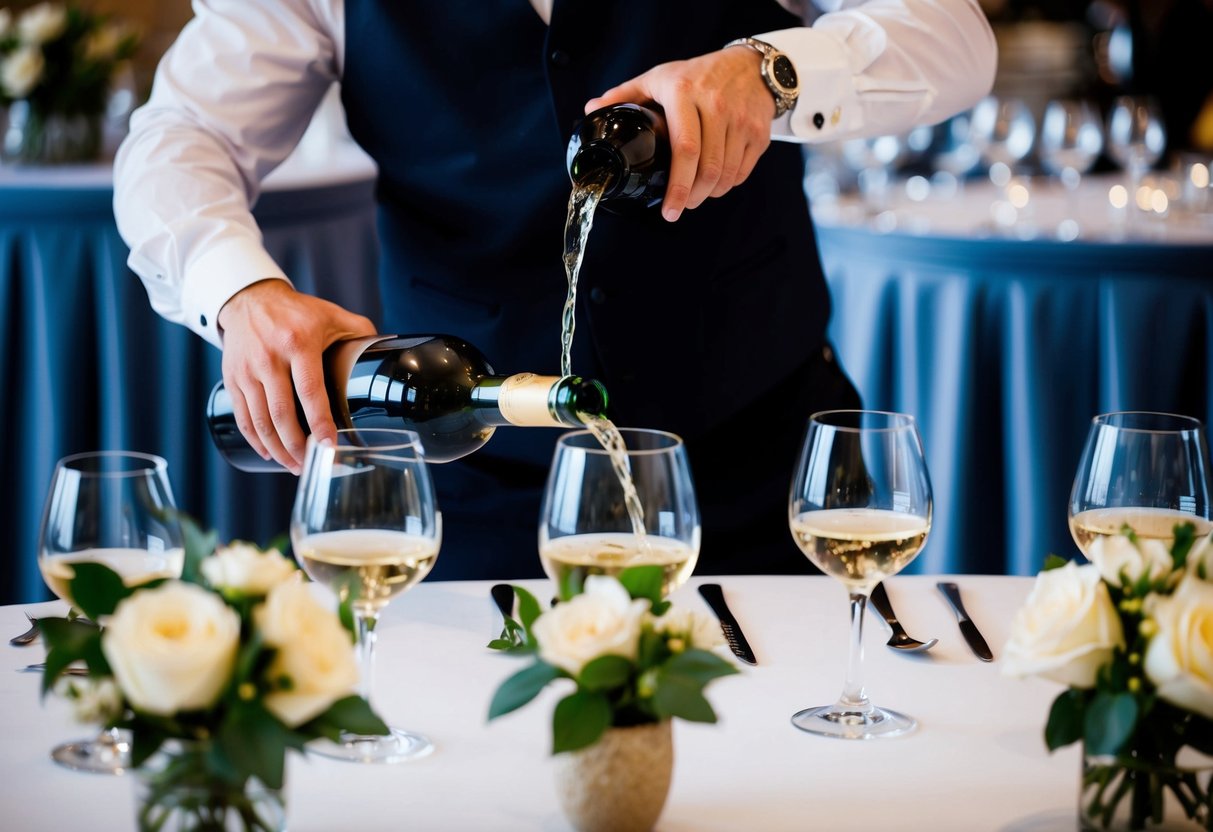
Understanding the legal framework is crucial when it comes to serving alcohol. Different states and venues have various regulations about alcohol service, especially concerning the age of guests and the need for a liquor license. You want to make sure your guests enjoy themselves while staying within the law.
Proper planning can help you avoid any issues on the big day. Communicating clearly with your venue and bartending staff can make a big difference. By doing a bit of research and preparation, you can create a fun and responsible celebration for everyone involved.
Legal Aspects of Serving Alcohol at Wedding Events
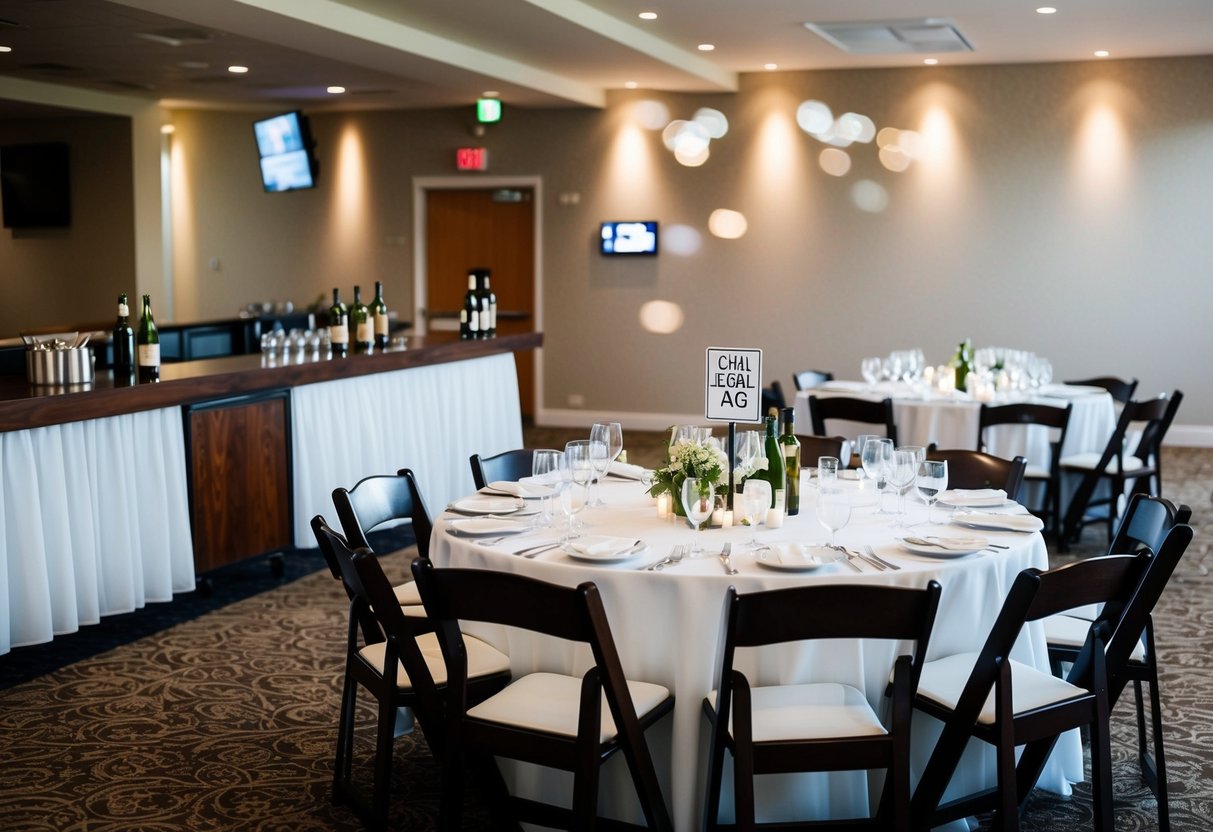
When planning to serve alcohol at your wedding, it’s essential to understand the legal requirements involved. You’ll want to know about local alcohol laws, the need for a liquor license, venue requirements, and associated liabilities.
Understanding Alcohol Laws and Regulations
Every state has specific alcohol laws that you need to know. These laws dictate where and how you can serve alcohol, especially at a wedding event.
It’s crucial to check your state’s alcohol regulations. Some states allow private events to serve alcohol without a license, while others require a temporary or special event license. Failing to comply with these laws may result in fines or other legal consequences.
Moreover, be aware of age restrictions. You must not serve alcohol to anyone under the legal drinking age. This responsibility includes making sure your guests have valid identification.
Obtaining the Necessary Liquor License
If you plan to serve alcohol at your wedding, you may need to obtain a liquor license. The specific type of license depends on your location and whether the wedding is public or private.
Most states offer temporary liquor licenses for special events like weddings. These permits are usually valid for a short duration, often the length of the event.
To apply, you typically need to submit an application form along with any required fees. It’s recommended to apply well in advance, as the processing time can vary.
Special Event Permits and Venue Requirements
Your chosen venue might have its own rules regarding alcohol service. Many venues require couples to obtain a special event permit.
Check if the venue has an existing liquor license. If so, they may manage the alcohol service for you, which simplifies the process. If your venue does not provide this, you will need to secure your own license.
Be sure to discuss all alcohol-related policies with your venue. This includes restrictions on hard liquor, types of beverages allowed, and requirements for catering services.
Liability and Social Host Obligations
When serving alcohol at your wedding, you carry social host liability. This means you could be held responsible if a guest consumes too much and causes an accident.
To protect yourself, consider offering a range of non-alcoholic options and serving food alongside drinks. Additionally, hiring a professional bartender can help monitor consumption and serve responsibly.
You may also want to look into event insurance, which can cover incidents related to alcohol served at your wedding. This extra step provides peace of mind, knowing you’re taking responsible precautions.
Planning Alcohol Service for Your Wedding Reception
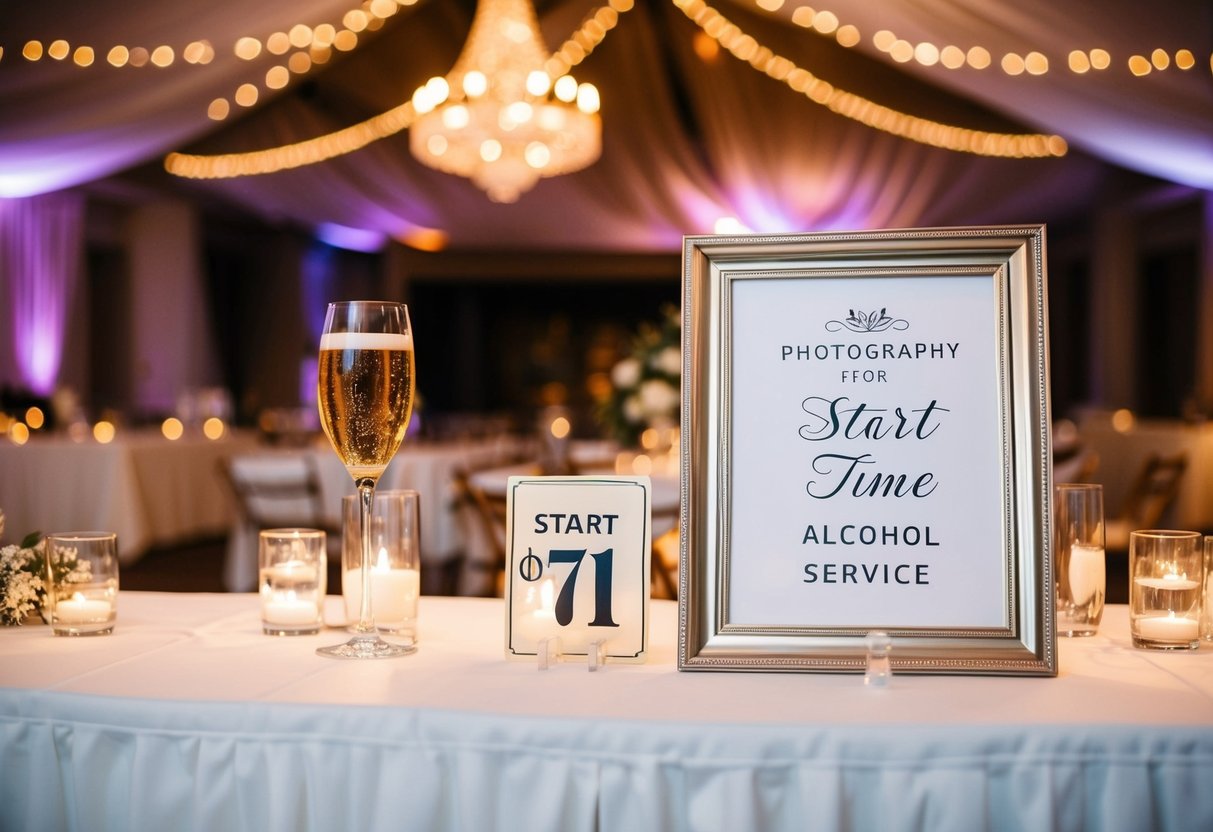
Planning how to serve alcohol at your wedding reception involves several key choices. From the type of service to ensuring guest safety, each decision contributes to the overall experience. Here’s what you should consider.
Deciding on the Type of Alcohol Service
Start by choosing the right type of alcohol service for your wedding. There are a few popular options:
-
Open Bar: Guests can enjoy drinks at no cost. This option can create a celebratory mood but may increase your budget.
-
Cash Bar: Guests pay for their drinks. This helps control costs but could affect guest experience if they aren’t prepared for the extra expense.
-
Limited Bar: Offer a selection of beer, wine, and a few signature cocktails. This balances guest enjoyment with cost control.
You may also want to include a variety of mixers and non-alcoholic options for guests who prefer not to drink. Consider your budget and how you want your guests to engage with the drink offerings.
Hiring Professional Bartenders and Caterers
Using professional bartenders and caterers can make a big difference. They are skilled in serving drinks and handling customer requests efficiently. Hiring professionals offers several benefits:
-
They ensure everything is set up correctly and safely, reducing stress on your wedding day.
-
Professionals can help protect against underage drinking and adhere to local laws regarding alcohol service.
-
They create a welcoming atmosphere by engaging with guests and providing recommendations.
Make sure to check reviews or ask for referrals when choosing bartending services. Their expertise contributes to a smoother experience for you and your guests.
Catering to Guest Preferences and Safety
Understanding your guests’ preferences is important for a successful alcohol service. Consider these tips:
-
Offer a range of drink choices, including beer, wine, champagne, and cocktails.
-
Provide signature drinks that align with your wedding theme for a personal touch.
-
Always include non-alcoholic options for designated drivers and guests choosing not to drink.
Safety should be a top priority. Have a plan for guests who may overindulge. Consider providing transportation options or arranging designated drivers to ensure everyone gets home safely.
Cost and Logistics of Offering Alcohol at Weddings
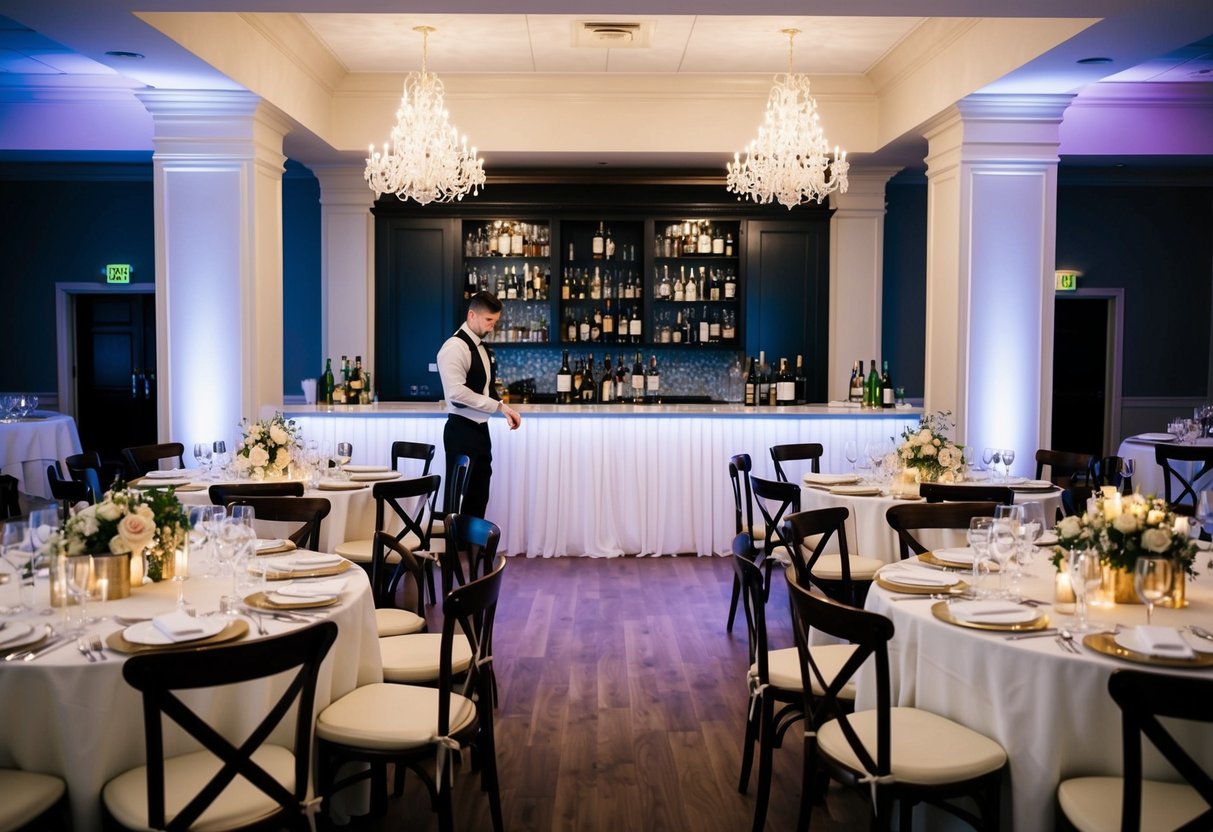
When planning to offer alcohol at your wedding, it’s important to consider both the costs and the logistics involved. This includes calculating how much to provide and exploring the best options for purchasing and serving alcohol.
Calculating the Amount of Alcohol to Provide
To estimate how much alcohol you’ll need, a common guideline is to plan for about two drinks per guest during the first hour and one drink per guest for each additional hour. This can vary based on your guest list and the types of alcohol you choose.
Use an alcohol calculator that helps you determine specific quantities. Here’s a simple breakdown for a four-hour event with 100 guests:
- Beer: 200 beers
- Wine: 100 bottles (750ml each)
- Spirits: 12 bottles (750ml each)
Don’t forget garnishes and mixers for cocktails. Also, consider if you want a full bar service or just specific types, such as beer and wine to keep costs down.
Options for Buying and Serving Alcohol
Several options are available for purchasing and serving alcohol at your wedding. You can buy directly from stores, order through wholesalers, or even see if your venue provides bar services. Many hotels offer packages that include alcohol with banquet services.
Another popular choice is the BYOB (bring your own booze) option. This can save money, but you might need to pay a corkage fee. Always check venue restrictions regarding outside alcohol.
If you want cocktails served, consider hiring a bartender. This adds a personal touch and helps manage guest requests. When planning, think about the types of alcohol that suit your guests’ preferences, and keep things simple.