
Is It Legal to Marry Your Brother-in-Law in the UK? Understanding the Legalities and Considerations
If you’ve ever wondered about the rules surrounding marriage in the United Kingdom, you might be surprised by the specifics of marriage law. In the UK, there are no laws preventing such a union if the relationship is by marriage and not blood. This may open up many questions about what relationships are permissible and the cultural implications of marrying into your family.

Understanding the legal landscape can help you navigate your options and make informed decisions. When it comes to in-laws, the law views them differently than blood relatives. This distinction can lead to interesting dynamics within families and relationships, making it worthwhile to explore further.
In this article, you’ll uncover the nuances of UK marriage law and the rules that apply to in-laws. Whether you’re considering a union with your brother-in-law or simply curious about family relationships, you’ll find valuable insights that clarify what is and isn’t allowed.
Understanding UK Marriage Law

In the UK, marriage laws have changed over time to address various relationships. It’s important to understand the historical context, the current legal framework, and the specific relationships that are prohibited.
Historical Legislation
The legal landscape for marriage in the UK has evolved significantly. The 1907 Marriage Act set foundational rules but faced criticism for being outdated. Subsequent acts made important changes. For instance, the 1921 Marriage Act allowed certain marriages between relatives if a sibling was deceased. The 1931 Marriage Act further removed restrictions on marriages involving deceased relatives. The 1949 Marriage Act brought in more regulations, focusing on consent and age requirements. These historical changes reflect society’s evolving views on familial relationships and their implications for marriage.
Current Legal Framework
Today, UK law prohibits certain marriages to prevent conflicts of interest and preserve family integrity. This framework is largely influenced by the Marriage Act 1836, which laid groundwork still relevant today. Current laws specify who can marry and include necessary age regulations and consent criteria. You must be at least 16 years old, although parental consent is required if you are under 18. The law considers marriages void if they fall into prohibited categories. Thus, many relationships, including those between immediate family members, are strictly forbidden, ensuring the sanctity of marriage is upheld.
Prohibited Degrees of Relationship
Under UK law, there are clear guidelines on who cannot marry. The list of forbidden marriages includes direct blood relatives and certain in-laws. For example, you cannot marry your sibling, parent, grandparent, or child. The 1949 Marriage Act specifically emphasizes such prohibitions. It extends to relationships like aunt/uncle, niece/nephew, and others specified in history. Marrying a sibling is not only illegal but also considered a criminal offense. Such laws are in place to protect family structures and avoid complications that arise from close familial relationships. Always check the most recent regulations before considering marriage to ensure compliance.
Requirements for a Legal Marriage

To marry legally in the UK, you must follow certain steps and meet specific requirements. This section covers key elements that ensure your marriage is valid, such as the role of the registrar, the marriage schedule and certificate, and how to properly give notice of marriage.
Role of the Registrar
The registrar plays a crucial part in the marriage process. You must attend a register office to book your wedding. The registrar will handle the legal side, including recording your information.
If you plan a civil ceremony, the registrar will conduct the service. In a religious ceremony, you may still need a registrar to keep the records straight. You can choose a registered place of worship or a designated venue for your nuptials.
Marriage Schedule and Certificate
Before you can marry, you need a marriage schedule. This document, issued by the registrar, contains details about you and your partner. It must be signed by both parties and the registrar.
After your marriage, you will receive a marriage certificate. This certificate serves as official proof of your marriage. It is essential for various legal matters, like changing your name or accessing benefits. Always keep your marriage certificate in a safe place to ensure you have access when needed.
Notice of Marriage and Engagement
Giving notice of marriage is an important step that you cannot overlook. You must provide notice at your local register office at least 28 days before your wedding date. This notice confirms your intent to marry and is publicly displayed.
During this time, anyone can raise concerns if they believe you cannot marry. Make sure you have valid identification, like a passport or driver’s license, ready when you give notice.
Being engaged is also necessary, as it shows your commitment before the wedding. It can be as simple as exchanging rings or having a formal engagement party. This sets the stage for a successful transition into the next phase of your lives together.
Religious and Civil Ceremonies
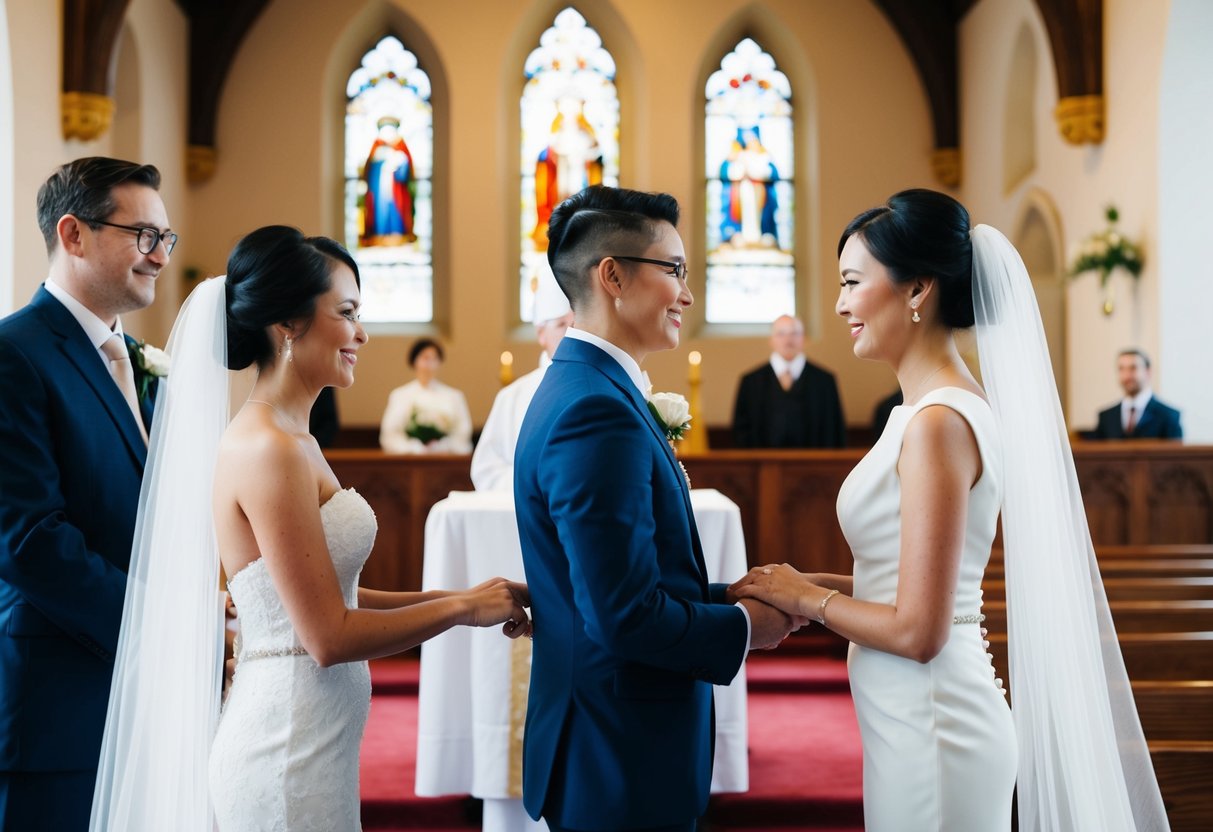
When considering marriage in the UK, it’s essential to understand how both religious ceremonies and civil marriages are conducted. Each has different rules and implications, especially regarding unique situations like marrying a brother-in-law.
Church of England’s Stance
The Church of England has strict rules regarding marriage. According to their teachings, you cannot marry your brother-in-law if your partner is still married to their sibling. This is based on the belief that such marriages can disrupt family relationships.
The Book of Common Prayer outlines the Church’s position. It emphasizes the importance of family and relationships, and it reflects a traditional view of marriage. If you wish to have a religious ceremony, you must first ensure that both parties are eligible according to these rules.
Civil Marriage Considerations
In a civil marriage, the rules differ a bit. You may marry your brother-in-law if the other sibling is deceased or if the marriage has been legally dissolved.
Civil ceremonies are conducted according to UK law and can include religious content as long as it is identified clearly as a civil event. To validate your marriage, you need to get a marriage license and ensure all legal requirements are met, regardless of the ceremony type.
Family Dynamics and Marriage

Family dynamics can be complex, especially when it relates to marriage between relatives. Understanding how different relationships can impact family ties is crucial for navigating these situations.
Marriages Involving Relatives
When it comes to marriages involving relatives, the laws vary widely. In the UK, marrying a direct blood relative is illegal. This includes your mother, father, sister, brother, and other close relatives.
However, marriages between in-laws, such as a brother-in-law or sister-in-law, are generally legal. These unions can affect family dynamics, particularly if you have children. Your children may have a unique understanding of family, especially with a strong connection to step-relatives. It’s essential to communicate openly with everyone involved to ensure healthy family relationships.
Adoptions and Step Families
In step families, situations become more intricate. You might be a step-parent or have married into a family with adopted children.
When considering marriage within such families, you should consider the existing bonds.
Adopted children often view their adoptive parents as their true parents. This can blur the lines when step-siblings are involved.
For example, stepsiblings may have an emotional bond due to their shared experiences.
It is important to maintain healthy relationships not just within your new marriage, but also with your children and step-relatives. Being sensitive to these dynamics can provide a supportive family atmosphere for everyone.