
Is It Normal to Not Feel Like Getting Married? Understanding Your Feelings About Commitment
Feeling unsure about marriage is more common than you might think. Many people question whether they want to get married, and that’s perfectly okay. It’s important to consider your own needs and desires rather than societal expectations.

You might find joy in being single or prefer an open commitment rather than traditional marriage. Choosing to not settle down, or to seek a relationship without the label of marriage, doesn’t mean there’s anything wrong with you. It’s about finding what truly makes you happy and fulfilled.
As you explore your feelings on commitment and relationships, remember that it’s valid to prioritize your own happiness. Whether it’s about being single or seeking different forms of partnerships, your choices should reflect what works best for you.
Understanding Personal Views on Marriage
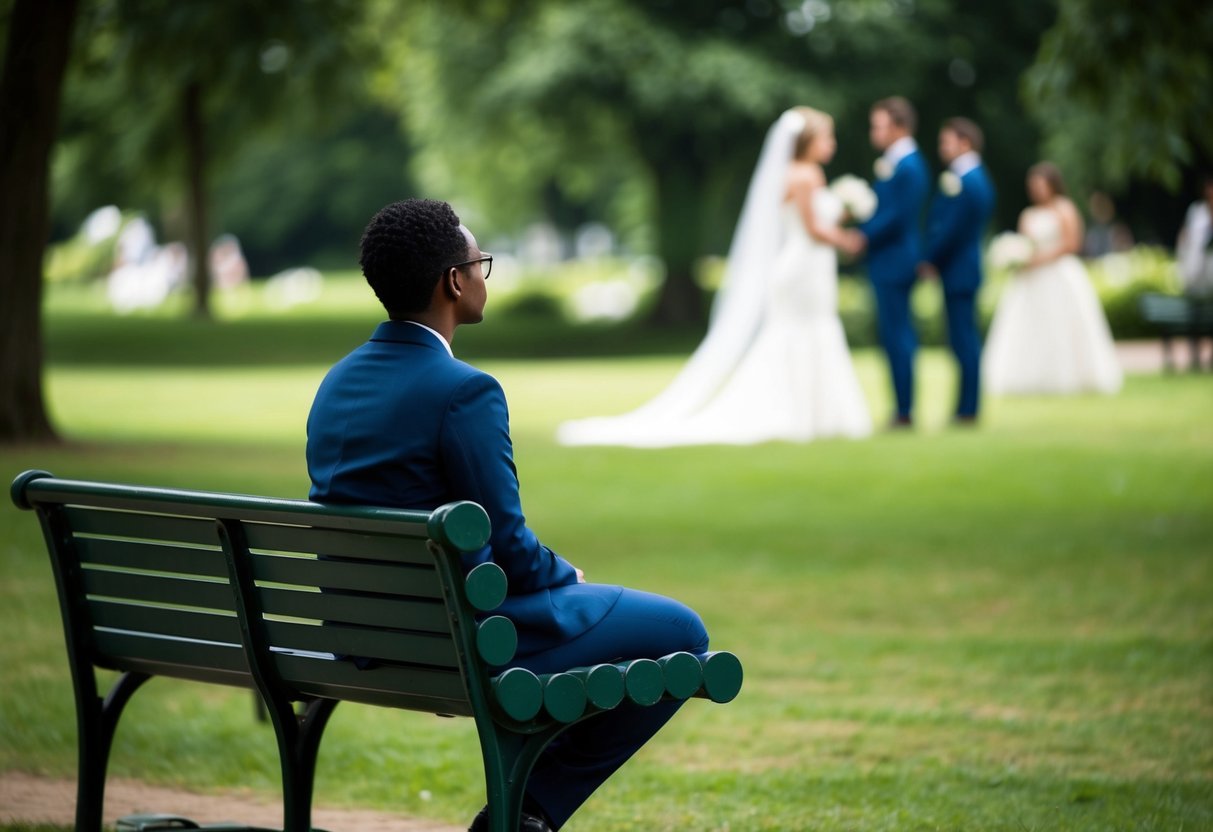
Your feelings about marriage can be shaped by a range of factors. These include your individual values, societal norms, and personal experiences. Exploring these areas can help you understand your stance on commitment and relationships.
The Role of Individual Values
Your personal values play a significant role in how you view marriage. If you value independence, you may feel hesitant about the idea of marriage. Many people see it as a commitment that could limit personal freedom.
Strong beliefs about relationships and love can also influence your thoughts on marriage. For instance, if you believe in long-term partnerships without the need to get married, you might prioritize dating or cohabitation instead. Understanding your individual values can help clarify what you truly want from a relationship.
Cultural and Societal Expectations
Cultural and societal expectations can heavily influence your thoughts on marriage. In many cultures, getting married is seen as a major life goal. This can create pressure to conform, even if you are not ready for marriage.
You may feel that society views marriage as a necessary step in love and commitment. This pressure can lead to confusion about your own desires. It’s essential to recognize these expectations and determine how they align with your beliefs and feelings.
Personal Experiences with Relationships
Your past experiences in relationships can shape your views on marriage. If you’ve seen friends or family struggle in their marriages, it may create doubts for you.
Alternatively, positive experiences in long-term relationships can lead to a desire for commitment. You might find joy in a stable partnership without the title of marriage. Reflect on your own relationship history to understand how it influences your feelings about marrying in the future.
Alternatives to Marriage

Many people explore different types of relationships that don’t involve traditional marriage. Options like cohabitation, staying single, or engaging in open relationships give you the chance to find what works best for you.
Cohabitation and Its Implications
Cohabitation means living together in a romantic relationship without being married. This setup often resembles traditional marriage but without the legal ties.
When you cohabit, you can create your own rules regarding finances and responsibilities. Drafting agreements can help clarify how you’ll handle property, debt, and daily tasks.
Cohabitation allows for easy transitions if the relationship changes. You can choose to separate without going through a divorce, making it less complicated.
One important aspect is communication. Discussing your needs and expectations can help build a healthy foundation.
Benefits of Staying Single
Choosing to stay single offers you freedom. You can focus on your personal growth, career, and friendships without the distractions of a partner.
Being single allows you to make decisions solely based on your desires. You can travel when you want, spend your money how you like, and enjoy your hobbies. This autonomy can be refreshing and fulfilling.
Staying single can also encourage deeper friendships and connections with family. You have more time to invest in relationships that matter to you without balancing a romantic commitment.
For many, this choice leads to a richer social life and a sense of fulfillment that doesn’t rely on being in a couple.
Open Relationships and Polyamory
Open relationships and polyamory involve having multiple romantic partners with the agreement of everyone involved. This model can provide emotional and physical connections beyond traditional boundaries.
In an open relationship, you typically maintain a primary partnership but can engage with others. In polyamory, you may form deep bonds with more than one partner equally.
Clear communication is essential in these arrangements. You must discuss feelings, boundaries, and rules to ensure everyone is on the same page.
People often find that this approach leads to more honesty and openness in relationships. It can also reduce jealousy, as all parties are informed about each other’s connections.
Challenges and Considerations of Not Marrying
Choosing not to marry can come with various challenges and considerations. You may feel societal pressure, face decisions about long-term commitments, and navigate financial and legal aspects of relationships. Understanding these factors is vital to making informed choices about your future.
Societal Pressure and Misconceptions
You might encounter societal pressure to get married. People often see marriage as a standard milestone in life. This can lead to comments like, “When are you settling down?”
Many misconceptions exist about being single. Some believe that if you’re not married, you’re lonely or unhappy. In reality, many single individuals cherish their independence and freedom to make personal choices.
Your happiness doesn’t depend on marital status. Instead, focusing on love, friendship, and fulfilling relationships can provide the emotional support that you may need.
Navigating Long-Term Commitments
Long-term commitments can be tricky for some. You might prefer to maintain your independence while being in a loving relationship. This is entirely valid.
Fear of commitment can stem from past experiences, like witnessing high divorce rates. If you’ve seen family members or friends go through tough breakups, it’s natural to hesitate before jumping into a formal commitment. You want to feel secure in your choices.
Understanding your reasons for commitment can help clarify your values. Open communication with your partner about your feelings can foster a healthy relationship without needing to get married.
Financial and Legal Aspects of Relationships
Financial and legal situations can also be affected by being single. You may miss out on some benefits that married couples enjoy, like joint tax returns and lower insurance rates.
If you are in a committed relationship, consider how you both will handle finances. Discussing topics like shared expenses helps avoid misunderstandings.
You can create legal agreements to protect your interests. Cohabitation agreements can outline how property and finances are managed, ensuring security while maintaining independence.
By addressing these financial aspects, you can enjoy a stable relationship without marriage.