
Is It OK for Bride and Groom to Walk Down the Aisle Together? A Modern Take on Wedding Traditions
Your wedding ceremony is a special celebration of your partnership and love. You might wonder if the bride and groom can walk down the aisle together. The answer is yes, many couples choose to make this meaningful choice, showcasing their unity from the very beginning of the ceremony.
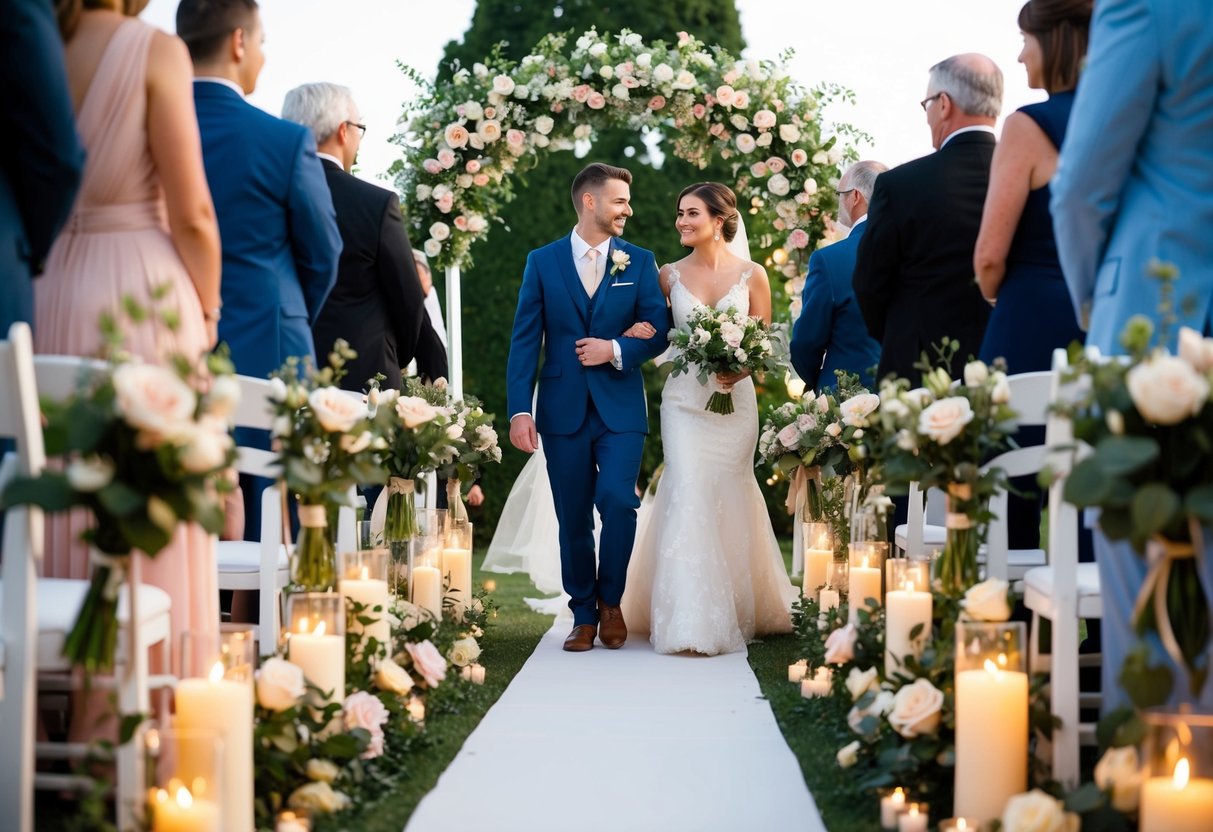
Walking down the aisle together can break from traditional norms while emphasizing your commitment to each other. Whether it’s a personal tradition in your culture or just a way to symbolize your equal partnership, this choice reflects the nature of your relationship.
As you prepare for your big day, consider how this gesture can enhance your wedding experience, making it uniquely yours.
You are not limited by old customs; instead, you can create a wedding that truly represents your love and values. Embrace this decision if it feels right for you, and remember that your wedding is about celebrating your journey together.
Traditions and Variations of Wedding Processionals
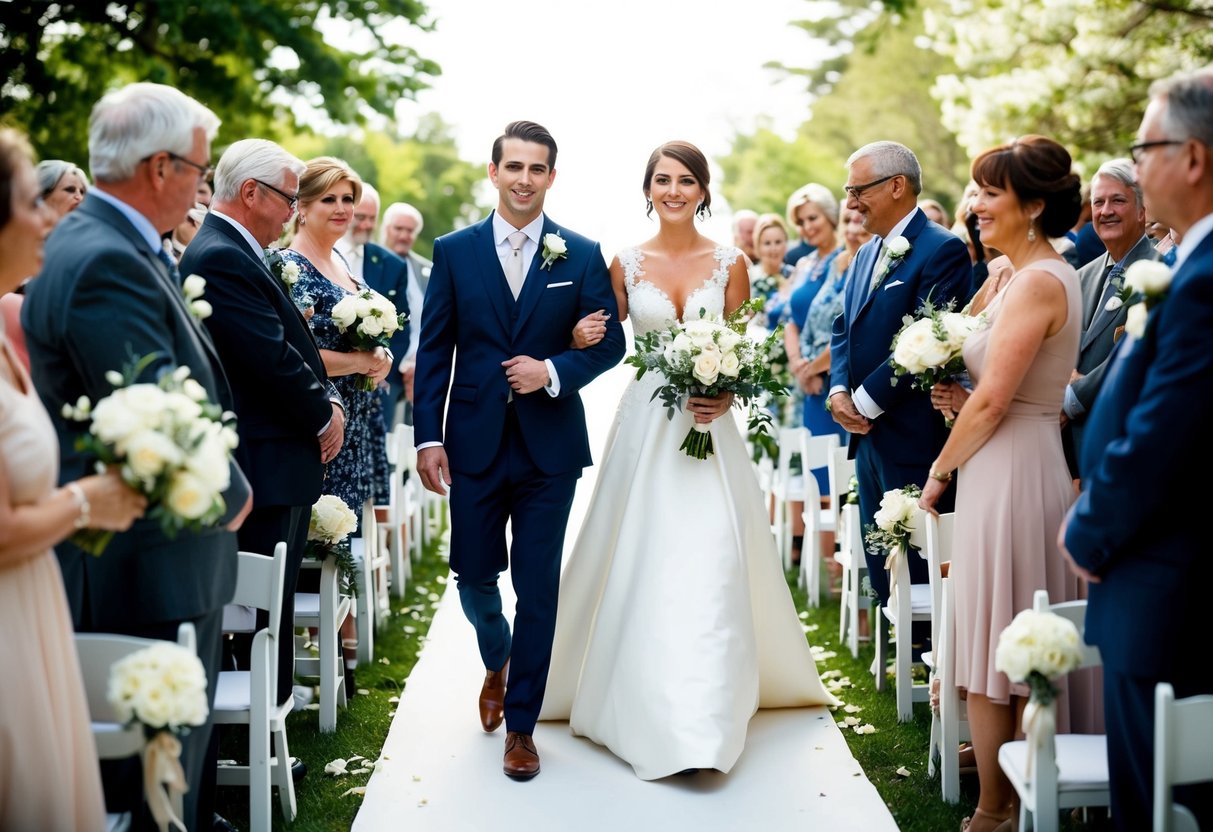
Walking down the aisle is a meaningful tradition in weddings around the world. Different cultures and historical contexts shape how couples approach this moment, including variations in who walks, when, and how.
Historical Perspectives
In many Western traditions, the bride walking down the aisle alone or with her father symbolizes a transition from her family to her new spouse. This custom has roots in historical norms around marriage. The father’s role was to “give away” the bride, emphasizing family ties.
In contrast, some cultures, like in Jewish weddings, feature the chuppah where both partners often walk together, highlighting equality. In Hindu weddings, the baraat is a lively procession for the groom that sets a joyful tone.
Cultural Differences
Different cultures have unique customs for the processional. In traditional Jewish weddings, the chuppah is essential. The couple often walks down the aisle together, showcasing their partnership and commitment.
In Hindu ceremonies, the mandap is an important element. The groom arrives first in the baraat, followed by the bride. Each custom reflects values, highlighting the significance of family and community in the wedding.
Modern Interpretations
Today, many couples are embracing more modern interpretations of who walks down the aisle. It is becoming common for both partners to walk together, signaling their equal partnership.
Some weddings now include family or friends in the processional. This can strengthen bonds and make the event more inclusive. Whether you choose traditional norms or creative variations, the way you walk down the aisle is your choice. Celebrate your story!
Planning the Aisle Walk
When planning how you and your partner will walk down the aisle, consider the roles of everyone involved and the order of entry. You can choose to follow traditional customs or create your own personal touches. This makes the moment special and meaningful for you.
Roles and Responsibilities
Deciding who will join you in the aisle walk is important. Typically, you might have bridesmaids and groomsmen paired up as they walk in before you. The bride’s parents or other family members may also play a key role.
If you and your partner choose to walk down together, think about whether you want any special escort. For instance, you might want your parents or siblings to accompany you right before the main event.
Having a clear plan helps everyone know their part and keeps the moment flowing smoothly.
The Order of Entry
The order of entry can set the tone for your ceremony. Traditionally, the bride walks down the aisle last, symbolizing her journey. If you and your partner walk together, you can adjust the timing.
You might decide that the bride’s family walks first, followed by the groom’s family. Then, you can enter together, showcasing your unity.
Make a list of who will walk in and when, such as bridesmaids and groomsmen pairing up. Having a clear plan will reduce confusion on your special day!
Photography and Memorabilia
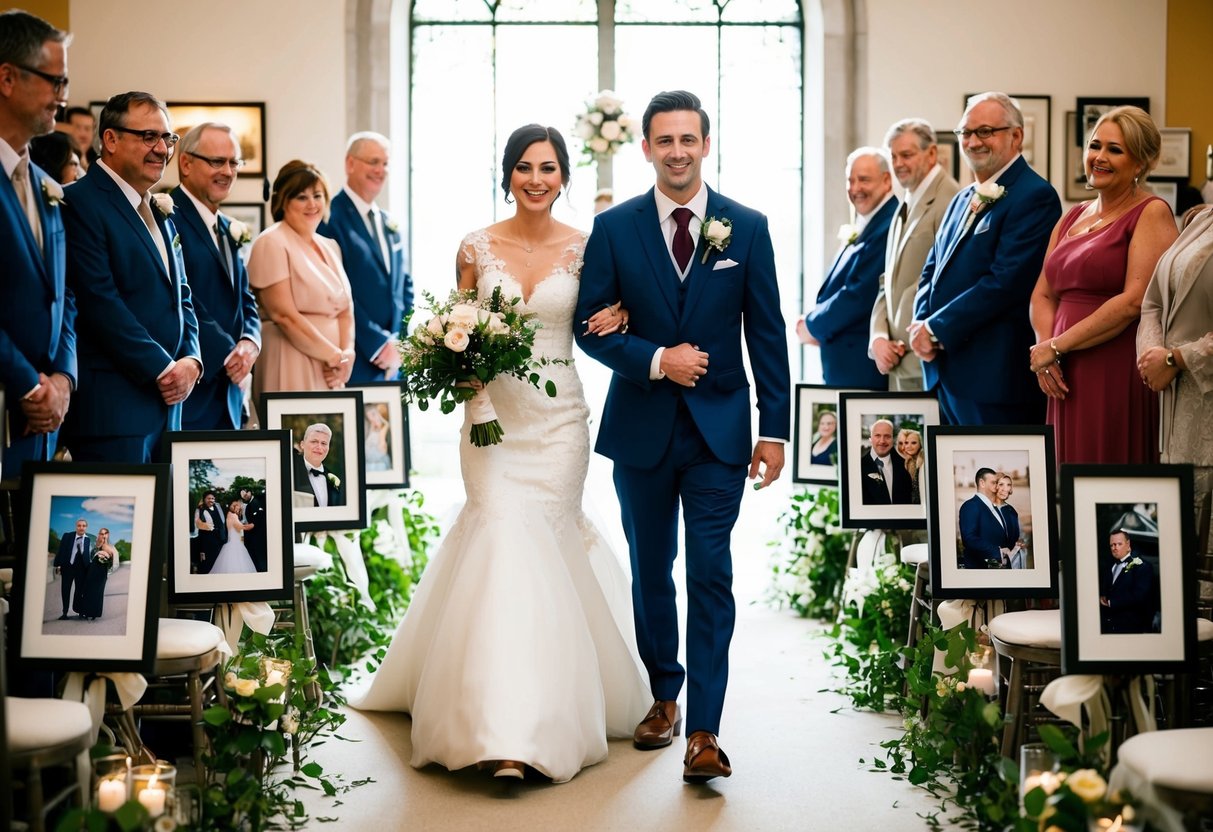
Your special day holds countless memories, making photography essential. Capturing the bride and groom walking down the aisle together can create stunning visuals and provide lasting mementos. Here’s how to make the most of this moment.
Capturing the Moment
When you decide to walk down the aisle together, your wedding photographer will want to capture this unique moment perfectly. Discuss with them the importance of photographing your entrance.
Ask them to position themselves strategically to capture expressions and details. This might include the look on your faces or the bouquet in your hands.
Consider staging a few key shots during the processional.
A grand entrance with both of you walking can make for a dramatic photo. It’s a chance to capture the excitement in the air, so let your emotions flow naturally.
Cherishing the Experience
To cherish the experience, think about how you’ll display your photos. You might create an album that highlights your journey together. Include candid shots, your walk down the aisle, and other significant moments.
Consider having a photo booth for guests. This will allow them to take fun pictures throughout the day. This memorabilia adds a personal touch to your wedding.
Also, explore ways to preserve your bouquet. Pressed flowers or framed arrangements can become lovely keepsakes. Remember, the right photography can capture not just moments but emotions, making your memories last a lifetime.