
Is It Ok for the Bride to Stand on the Right? Exploring Wedding Traditions and Choices
Weddings are filled with traditions, and one common question arises: is it perfectly acceptable for the bride to stand on the right side? While it’s customary for the bride to stand on the left during many ceremonies, personal preference can play a big role in your special day.
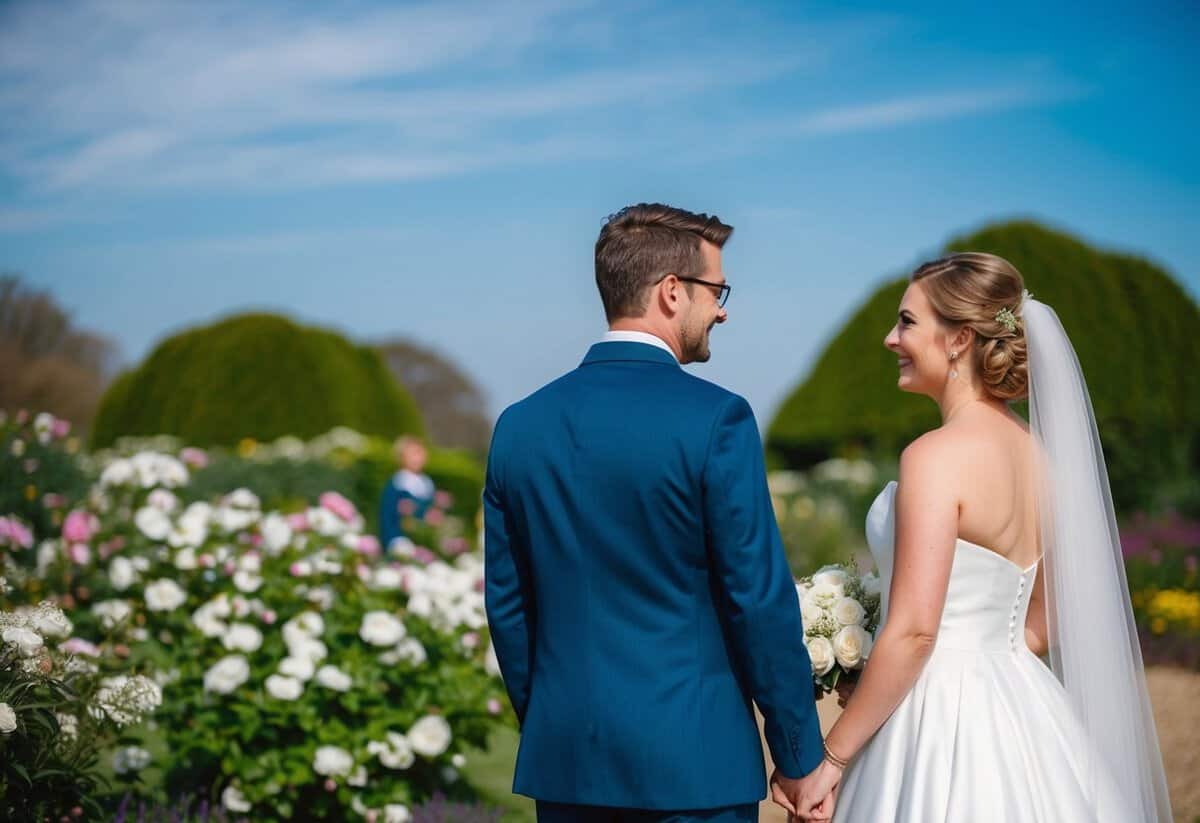
Understanding the roots of these traditions can help you decide what feels right for you. Some couples embrace tradition, while others choose to break it based on what resonates with them as a couple. In the end, what matters most is that both you and your groom feel comfortable and happy on your wedding day.
Wedding Traditions and Historical Origins
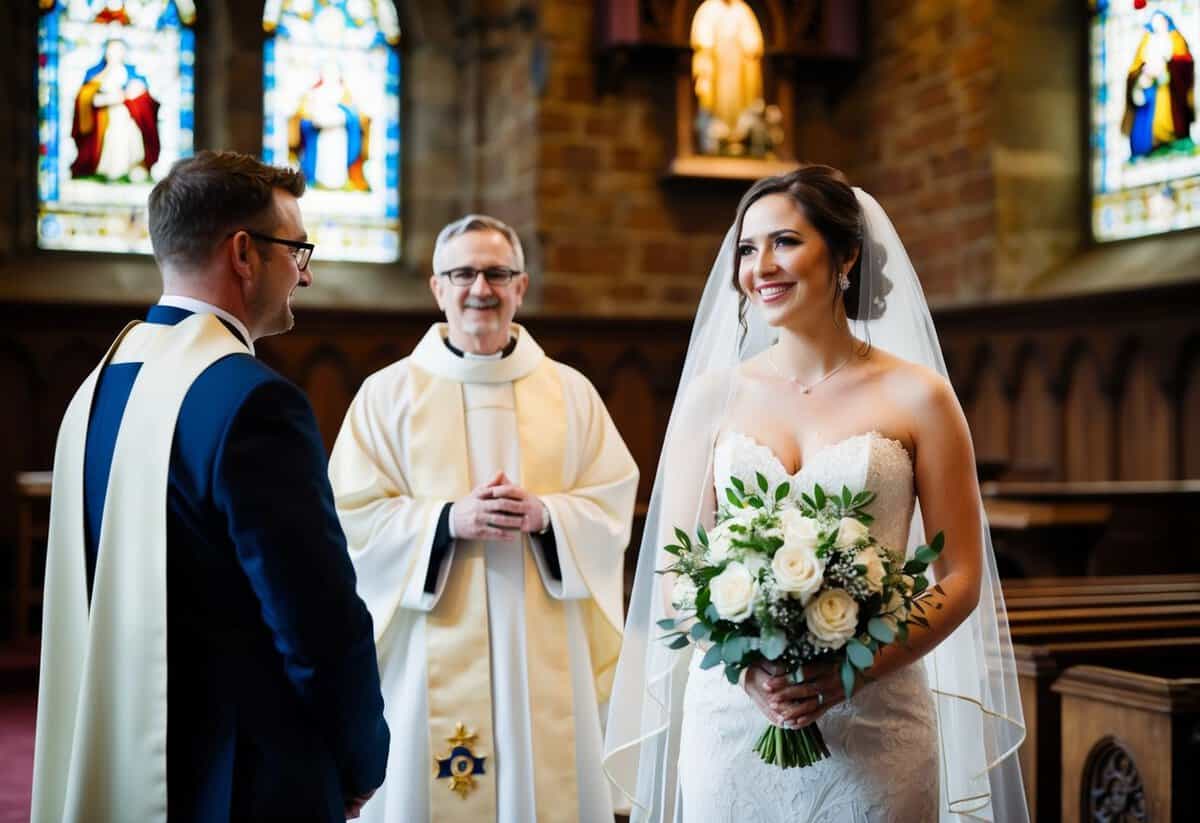
The positioning of the bride and groom during wedding ceremonies has deep roots in historical traditions. Understanding these customs can help you appreciate the significance behind where each partner stands.
Traditional Positioning of Bride and Groom
In many traditional weddings, you will find that the bride typically stands on the left side while the groom stands on the right. This arrangement dates back to ancient codes of chivalry, where the groom needed his right hand free to defend the bride from any potential threats. The idea was to protect her should someone attempt to capture her.
This positioning symbolizes not only protection but also the notion of unity as a couple begins their life together. Over time, the left-right arrangement has become a standard practice in various cultures, though it is not without exceptions.
Cultural Variations in Wedding Ceremonies
Different cultures have their own interpretations of where each party should stand. For instance, in Jewish weddings, the bride stands on the right side. This practice differs from Christian ceremonies, where the bride commonly stands on the left.
In military and police weddings, the bride may also be on the right. In these cases, the emphasis may be on tradition and the couple’s personal preferences. You might also find that some couples choose to break away from conventional norms to better suit their style and beliefs.
Historical Significance of the Bride’s Position
The tradition of the bride standing on the left has historical ties to practices like marriage by capture. In ancient times, when brides were taken forcefully, it was thought that standing on the left would allow the groom to fend off potential kidnappers.
This custom reflects old beliefs and societal norms that have evolved over the years. Understanding this context may help you view modern weddings in a new light, seeing how history influences your own special day.
Planning the Ceremony Layout
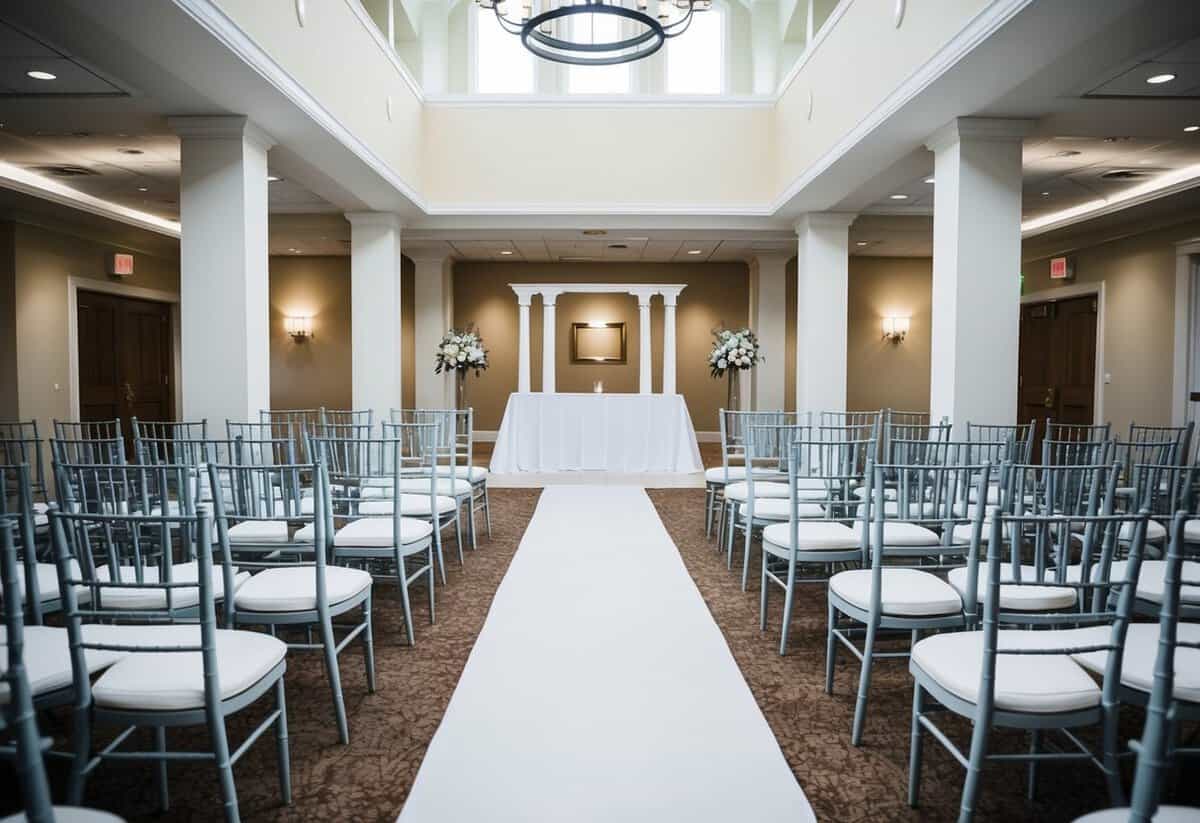
Creating the perfect ceremony layout involves careful thought about where everyone will stand and sit. From choosing sides to arranging seating, each choice impacts the flow of your wedding and the experience for your guests.
Choosing the Side: Bride on the Right or Left?
Deciding whether the bride should stand on the right or left side is important. Traditionally, in Christian weddings, the bride stands on the left, allowing the groom to keep his right hand free for the vows or ring exchange.
In Jewish ceremonies, the bride typically stands on the right side. If you have specific traditions to honor, discuss these with your wedding officiant. They can provide guidance that suits your ceremony style.
Consider personal preference as well. If you feel more comfortable on one side, or if there’s a practical reason relating to the venue’s layout, go for it!
Ceremonial Roles and Seating Arrangements
Understanding the roles of your wedding party can influence your seating arrangements.
At the altar, the groom and groomsmen are usually on the right, while the bride and bridesmaids are on the left. This layout creates symmetry and balance during the ceremony.
You can also choose whether to have family seated with the respective sides of the wedding party. Additionally, think about your head table and sweetheart table during the reception. These tables are often situated to face your guests, creating a central focus on you as a couple.
Important Considerations for Outdoor Weddings
Outdoor weddings can be beautiful, but they come with unique challenges. Make sure to choose a location that provides a clear view of the wedding arch or altar for all your guests.
Consider the sun’s position and how it might affect visibility. If it’s very sunny, guests may squint, making it hard for them to enjoy the ceremony.
Also, think about seating arrangements. Folding chairs or benches work well, but ensure they’re set up in a way that offers everyone a good view. Establishing a defined space for your ceremony will keep everything organized and feeling special.
Bridal Party Dynamics
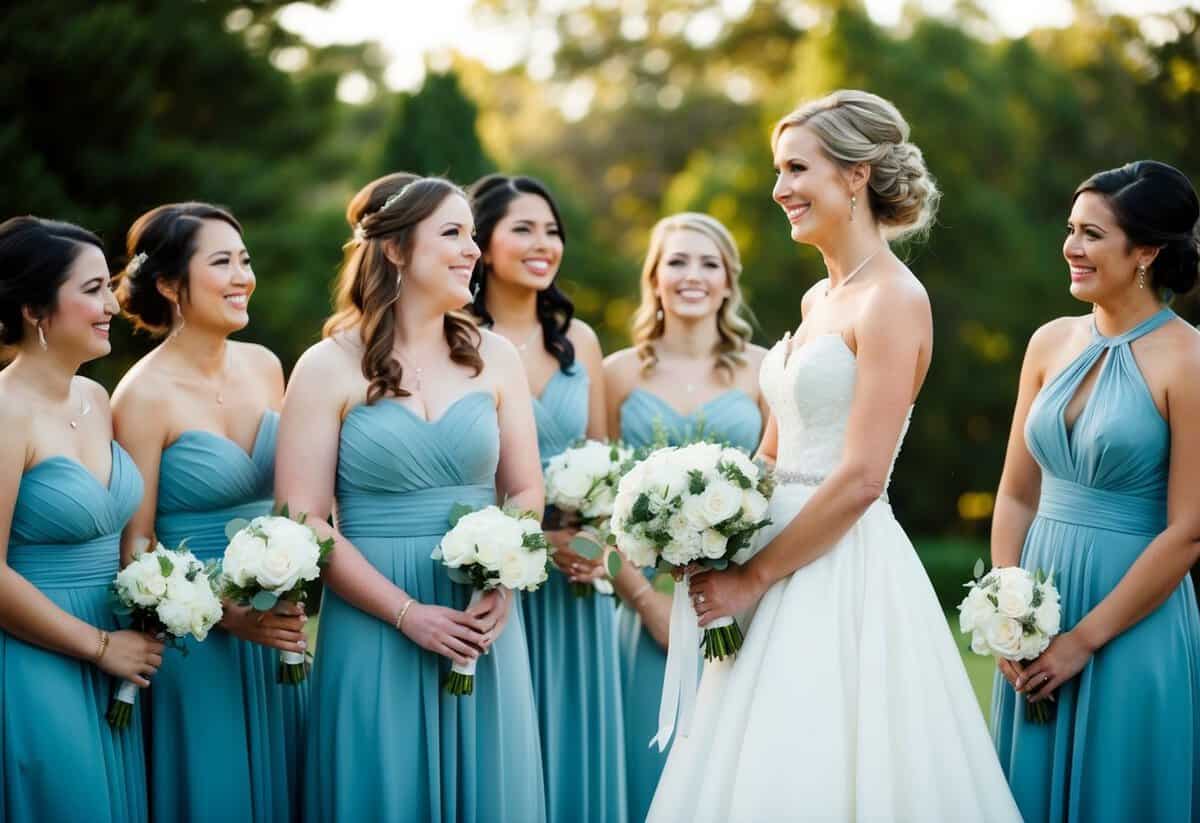
The bridal party plays a crucial role in setting the tone of the wedding day. Each member has specific duties that help support the couple, creating a smoother and more memorable event. Understanding these roles can enhance your wedding experience.
Roles of the Maid of Honor and Bridesmaids
The maid of honor is often viewed as the bride’s right-hand woman. This person not only stands by your side during the ceremony but also helps with planning and coordinating details. She typically organizes the bridal shower and bachelorette party. You can lean on her for emotional support too.
Bridesmaids assist the maid of honor in various ways. Their duties may include helping with dress fittings, managing logistics, or handling minor emergencies on the wedding day. They also provide companionship and encouragement, making your day more enjoyable. The bond among you and your bridal party helps create a positive atmosphere.
Significance of the Best Man and Groomsmen
The best man has significant responsibilities, including supporting the groom and helping with wedding logistics. He often organizes pre-wedding events like the bachelor party and ensures that everything runs smoothly on the big day. His loyalty and support can help ease the groom’s nerves.
Groomsmen play a key role as well. They assist the best man with tasks like ushering guests to their seats or participating in the wedding rehearsal. Together, the groomsmen and best man contribute to a sense of camaraderie, which can make the day more fun and relaxed. Their presence helps to create a supportive environment for the couple.
Position of the Ring Bearer and Flower Girl
The ring bearer and flower girl add a touch of charm to the wedding ceremony. The ring bearer is usually a young boy who carries the wedding rings down the aisle. His role is significant, as it symbolizes the couple’s commitment and love.
The flower girl is often a young girl who scatters petals along the aisle. She brings beauty and innocence to the ceremony. Both children contribute to the joyful atmosphere as they participate in the wedding processional. Their involvement is often a highlight, making the event feel more familial and heartwarming.
Customizing Your Ceremony
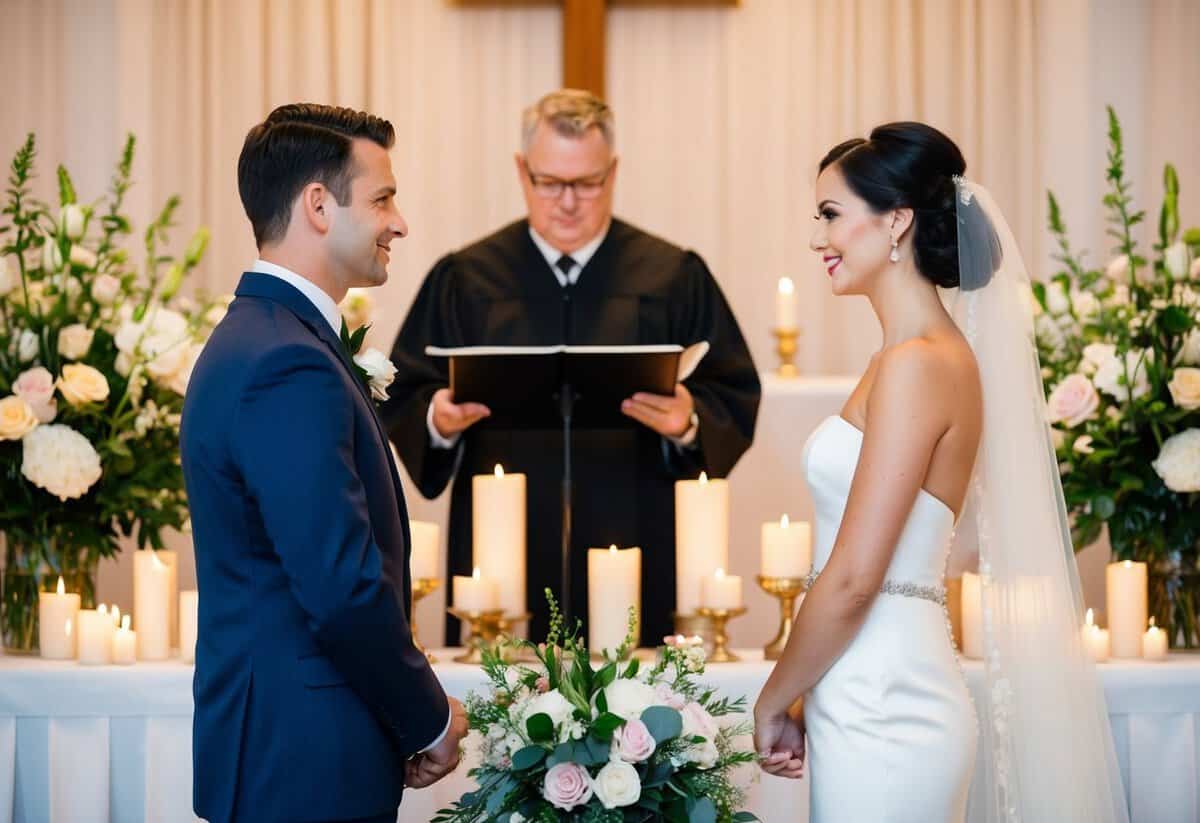
You can make your wedding ceremony truly your own by adding personal touches and symbolism. From your vows to special rituals, these elements reflect your unique love story and values.
Personal Touches in Wedding Rites
Incorporating personal touches can make your ceremony memorable. You might choose to write custom vows that express your feelings and promises. This adds authenticity and can resonate deeply with your guests.
Consider including family traditions, like a unity candle lighting during Christian ceremonies or a ketubah reading in Jewish weddings. You can also honor your heritage by incorporating rituals from Hindu weddings or even unique elements for specific events like police weddings.
Each detail, from your bridal hairstyle to your choice of wedding rings, can showcase your personalities. Invite loved ones to participate in readings or blessings, making it a warm and inclusive celebration.
Symbolism in Ceremony Details
Symbolism adds depth to your wedding ceremony. For example, the ring you exchange during your vows, known as the vena amoris, represents love and commitment. In Jewish tradition, rings are often a central focus.
During Orthodox Jewish weddings, couples might perform the Bdikat Chameitz or share a glass of wine. These acts symbolize unity and joy.
In Christian weddings, the couple may light a unity candle, representing their joining as one. Incorporating these meaningful symbols can enhance the emotional impact of your ceremony. It will remind you and your guests of the significance of your union.
Using these ideas, you can create a ceremony that reflects your love and values.