
Is It OK to Not Go to a Wedding? Understanding Your Personal Choices
You received a wedding invitation, and now you’re wondering if it’s okay to skip it. It’s perfectly acceptable not to attend a wedding if you have valid reasons, such as financial constraints or personal commitments. Understanding wedding etiquette can help you decide when it’s appropriate to RSVP “no.”

Many people feel pressured to attend every wedding they are invited to, but it’s important to remember that honoring your own circumstances is key. Not everyone can make it due to travel restrictions, tight budgets, or simply not connecting with the couple.
Ultimately, you have to consider what feels right for you. Your decision should focus on your well-being while also respecting the couple’s special day. This blog will guide you through the various factors to consider when deciding whether or not to attend a wedding.
Understanding Wedding Invitations

Receiving a wedding invitation is exciting, but it can also bring questions about how to respond. Knowing the importance of RSVPs and what etiquette experts say about attendance can help you navigate the situation with ease.
The Significance of RSVPs
When you get a wedding invitation, one of the key actions is to send back the RSVP. This lets the couple know whether you will attend. RSVP stands for “Répondez s’il vous plaît,” which means “Please respond.”
By responding in a timely manner, you show respect for the couple’s planning efforts. If for any reason you can’t attend, communicate this with them as soon as possible. Good wedding etiquette means being honest while offering your regrets.
Not returning an RSVP can create problems for the couple. They might plan for more guests than are actually coming. Make sure to check the RSVP deadline to keep everything running smoothly.
Etiquette Experts’ View on Attendance
Etiquette experts agree that not attending a wedding is acceptable under certain circumstances. If you feel that attending might cause emotional distress or if travel is a burden, it’s okay to decline. Always remember to inform the couple respectfully.
You should consider the couple’s feelings but also prioritize your well-being. If you have a valid reason, like a prior commitment or financial constraints, it’s best to communicate that gently.
Experts emphasize that guests should respond honestly to invitations. Simply stating your appreciation for the invite and expressing your regrets can go a long way. This way, the couple can plan better and know they have your support, even from afar.
Deciding Whether to Attend

When deciding whether to go to a wedding, you should consider your relationship with the couple, any prior commitments you may have, and the nature of the wedding itself, especially if it’s a destination wedding. Each of these factors plays a role in making your decision, ensuring you respect both yourself and the couple.
Evaluating Your Relationship With the Couple
Think about your bond with the couple. Are they close friends or family members? The stronger your relationship, the more likely you should attend.
If you have shared significant moments with them, it shows respect and support to be part of their special day. If you’re uncertain about the connection, ask yourself if your presence will mean something to them.
This self-reflection can help you gauge whether attending aligns with your values and feelings toward the couple.
Considering Prior Commitments and Emergencies
Evaluate any previous commitments that may conflict with the wedding date. If you have a family event or work responsibility, it’s crucial to prioritize those obligations.
In the case of emergencies, such as unexpected events, you should feel no guilt about declining the invitation. Communicating your situation with the couple will show your respect even if you can’t be there in person.
Keep in mind that you can express your well-wishes and make plans to celebrate separately, reinforcing your support for their union.
Assessing the Impact of Destination Weddings
Destination weddings can be more complicated. If the wedding is far away, consider travel costs, accommodations, and time off work.
These aspects can add financial and logistical stress, which may lead you to decide not to attend.
If you really want to support the couple but can’t make it, think about sending a thoughtful gift or card. You might also arrange a video call to congratulate them virtually, showing you care even from a distance.
The Impact of Your Attendance
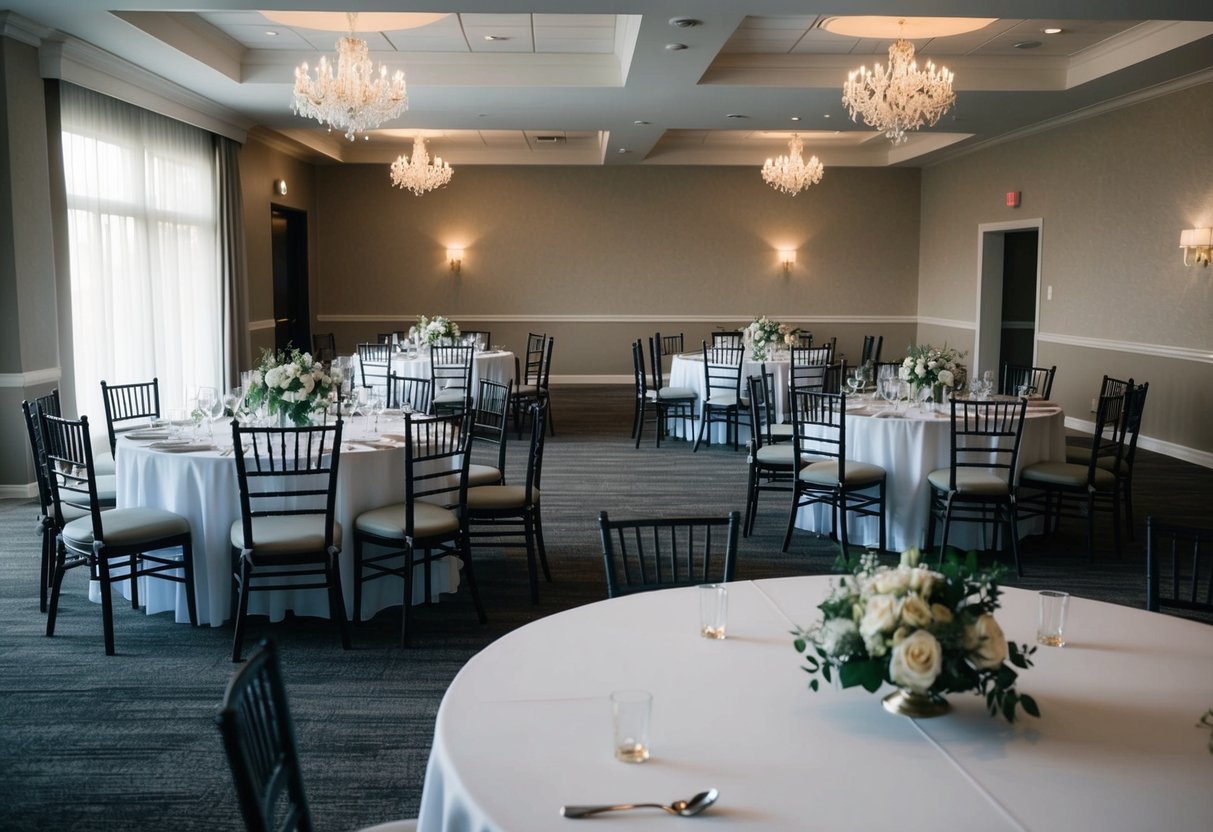
Your presence at a wedding can significantly influence various aspects, from guest count to the dynamics of the ceremony and reception. Understanding these impacts can help you make the right decision.
Guest Count Considerations
The guest count is crucial for event planning. Wedding planners often rely on accurate attendance numbers to create seating arrangements, manage catering, and ensure the venue is suitable. If you choose not to attend, it can affect whether the couple has to adjust the planned guest list.
It’s essential to communicate your RSVP clearly. If you decline the invitation, consider sending a thoughtful wedding gift to show you care. This gesture acknowledges your absence and supports the couple on their special day, even if you can’t be there physically.
Role at the Ceremony and Reception
Every guest plays a role in the wedding experience. Your attendance can contribute to the atmosphere, making the ceremony and reception feel more vibrant. If you are close to the couple, your presence adds emotional support.
If you can’t attend, don’t worry. Couples often understand personal circumstances. They may even appreciate your honesty if you need to decline for financial or scheduling reasons. Just make sure to let the wedding planner know as soon as possible to help with last-minute adjustments.
Gifting Etiquette Without Attendance

If you can’t attend a wedding, sending a gift is a thoughtful way to show your support. Understanding gifting etiquette is key to picking the right present that reflects your relationship with the couple.
Selecting an Appropriate Wedding Gift
Choosing the right wedding gift when you’re not attending can feel tricky. Start by considering your relationship with the couple. Close friends or family members often give more expensive gifts than distant acquaintances.
A typical range for wedding gifts is $50 to $150. Here’s a quick breakdown:
- Acquaintances: $50-$75
- Friends: $75-$100
- Close family: $100-$150
If you want to be extra thoughtful, check if the couple has a gift registry. It helps you pick something they truly want. Sending your gift within three months of the wedding date is generally recommended. This shows your care and respect for their special day.