
Is It OK to Not Have a Rehearsal Dinner? Understanding Your Wedding Planning Options
Planning a wedding comes with many decisions, and one that often sparks debate is the rehearsal dinner. You can skip a rehearsal dinner if it doesn’t fit your plans or budget. Many couples choose to forego this tradition for various reasons, whether it’s due to a busy schedule or a preference for a more low-key celebration.

You might feel pressure to host an elaborate dinner, but remember that your wedding day is about you. A rehearsal dinner can be a fun addition, but it is not a requirement. If you decide to skip it, there are plenty of other ways to connect with your loved ones before the big day.
As you read further, consider the pros and cons of having a rehearsal dinner. You’ll discover some creative alternatives and insights that can help you make the right choice for your wedding.
Unpacking the Rehearsal Dinner Tradition
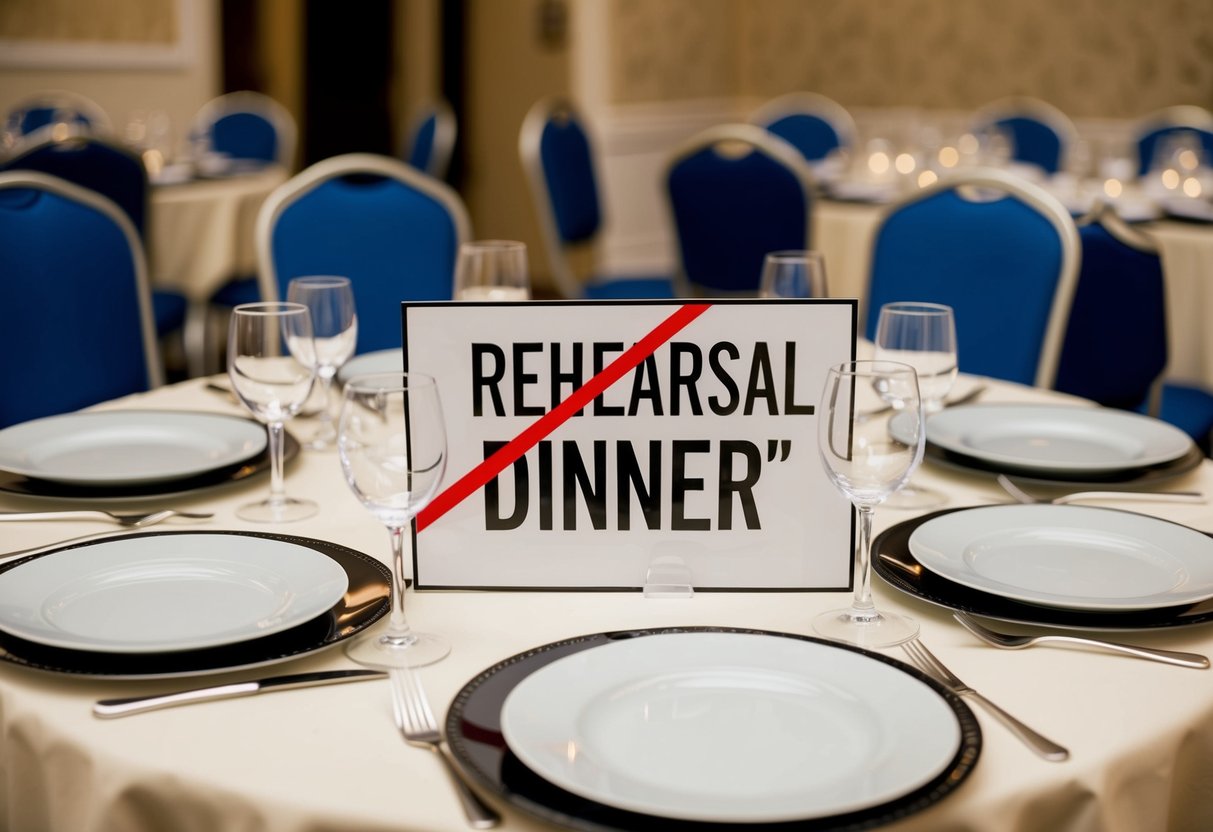
The rehearsal dinner is a time-honored tradition that has evolved over the years. Understanding its origins and purpose can help you decide if it fits into your wedding plans.
Evolution of the Rehearsal Dinner
The rehearsal dinner served as a formal gathering after the wedding rehearsal. It allowed the wedding party and close family to come together before the big day. This tradition began as a way to thank those who helped with the wedding plans and rehearsals.
Over time, the atmosphere became less formal. Many couples now opt for more relaxed settings, such as backyard barbecues or pizza parties. This shift reflects a desire for intimacy and comfort, allowing everyone to bond without the pressure of a formal event.
Purpose and Role in Wedding Celebrations
The primary purpose of a rehearsal dinner is to bring together key people involved in the wedding. This intimate gathering helps everyone feel more connected. It also gives you a chance to practice important parts of the ceremony.
Having a rehearsal dinner can boost your confidence. It allows everyone to run through their roles in a supportive environment. The dinner serves as a reminder of the excitement ahead while providing an opportunity to celebrate with loved ones.
Whether you choose a traditional formal dinner or a laid-back gathering, it’s about creating meaningful moments before your wedding ceremony. You can decide what feels right for you and your partner.
Rethinking the ‘Mandatory’ Status

Many couples wonder if a rehearsal dinner is essential for their wedding planning. It’s important to rethink whether this tradition fits your style and budget. Let’s explore when you might decide to skip it and what fun alternatives you can consider instead.
When to Consider Skipping the Rehearsal Dinner
You might think a rehearsal dinner is mandatory, but that’s not the case. If your wedding party is small or if many guests have already met, you can save yourself the stress. Talk to your close friends and family to see if they feel it’s necessary.
Consider your wedding budget too. If funds are tight, stepping away from this tradition can be budget-friendly. You can focus your resources on other parts of the wedding that matter more to you. Ask yourself what will make your day special.
Alternative Pre-Wedding Gatherings
If you decide to skip the rehearsal dinner, there are plenty of fun alternatives. A welcome party is a great way to greet guests without the formality. You could host a casual pizza party at a local venue or at home, creating a relaxed atmosphere.
Another idea is a bowling night with your wedding party and close friends. It’s a fun, laid-back way to bond before the ceremony. Whatever choice you make, the goal is to enjoy your time together. Keep it simple, and focus on what feels right for you and your guests.
Planning a Rehearsal Dinner on a Budget

A rehearsal dinner can be simple and affordable without sacrificing fun or connection. You can create a memorable experience for your guests by choosing the right venue and menu while keeping costs in check. Here are some ideas to consider.
Creative and Affordable Venues
When choosing a venue, look for places that fit your style but don’t break the bank. Consider hosting the dinner at someone’s home or a backyard. These options provide a cozy atmosphere for an intimate gathering with friends and family.
Local parks or community centers are also great choices. They often have low rental fees and allow for fun outdoor activities. If you have out-of-town guests, think about spaces that are easy for them to access. This way, everyone can join without much hassle.
Budget-Friendly Menu Ideas
Your menu can be delicious without being expensive. For a fun twist, think about hosting a pizza party. You can order a variety of pizzas, allowing guests to enjoy their favorites and share. This is not only casual but also easy to plan.
Another budget-friendly option is a potluck dinner. Ask guests to bring a dish to share. This can lead to a fun mix of foods and everyone feels included. Just make sure to have a variety of options, including vegetarian or gluten-free choices, to accommodate different tastes. Remember, simple and heartfelt meals often create the best memories.
Extending Invitations and Building Excitement
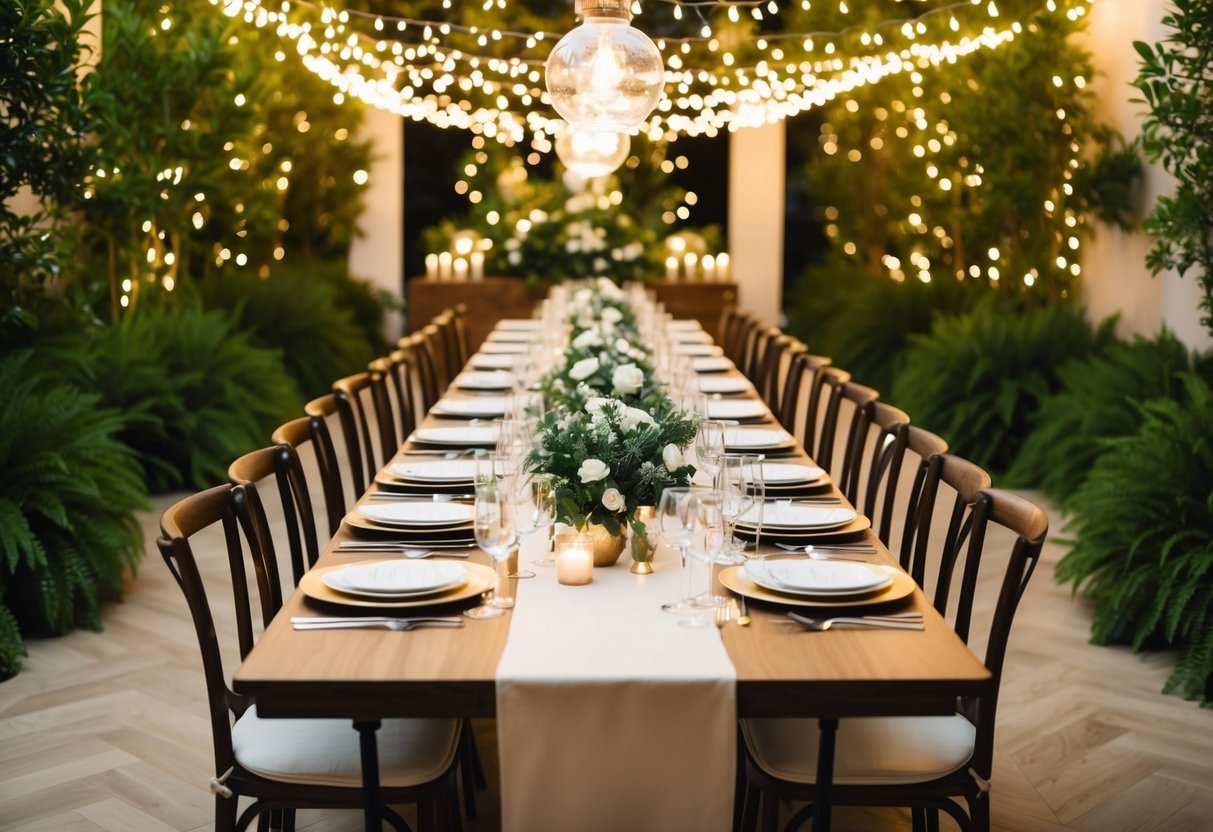
Inviting your loved ones to celebrate your wedding can create a joyful atmosphere. This helps you connect with those closest to you and builds enthusiasm for the big day. Here are some key points to consider when it comes to crafting your guest list and setting the tone for your celebration.
Crafting the Guest List
When creating your guest list, think about who truly matters to you. Include family members, close friends, and wedding party members who will share in your joyous occasion.
Tips for Your Guest List:
- Start with Immediate Family: Include parents, siblings, and anyone else you consider essential.
- Consider Out-of-Town Guests: Think about who might travel far to celebrate with you. This shows appreciation for their effort.
- Limit the Number: Be mindful of how many people you can realistically host, even if it’s just a casual gathering.
This list will guide your invitations, making sure everyone feels special and included.
Setting the Tone for the Wedding Celebration
The invitations you send set the mood for your wedding celebration. Whether you choose a formal or casual style, it should reflect your personality.
Ways to Set the Tone:
- Choose a Theme: Let a specific theme guide your invitation design. Make it match the overall vibe.
- Include Fun Details: Mention activities or special features—like a casual dinner or games. This creates excitement among guests.
- Personal Touches: Handwriting addresses or adding a personal note can make your invitations feel special.
A warm and inviting tone will encourage your guests to join in the festivities, enhancing the spirit of your pre-wedding celebration.