
Is It Okay to Marry Without a Ring? Exploring Modern Engagement Choices
When it comes to love and commitment, many people often wonder about the importance of rings in a marriage. Some couples feel a ring does not represent their bond, or they may prefer to express their love in other ways.
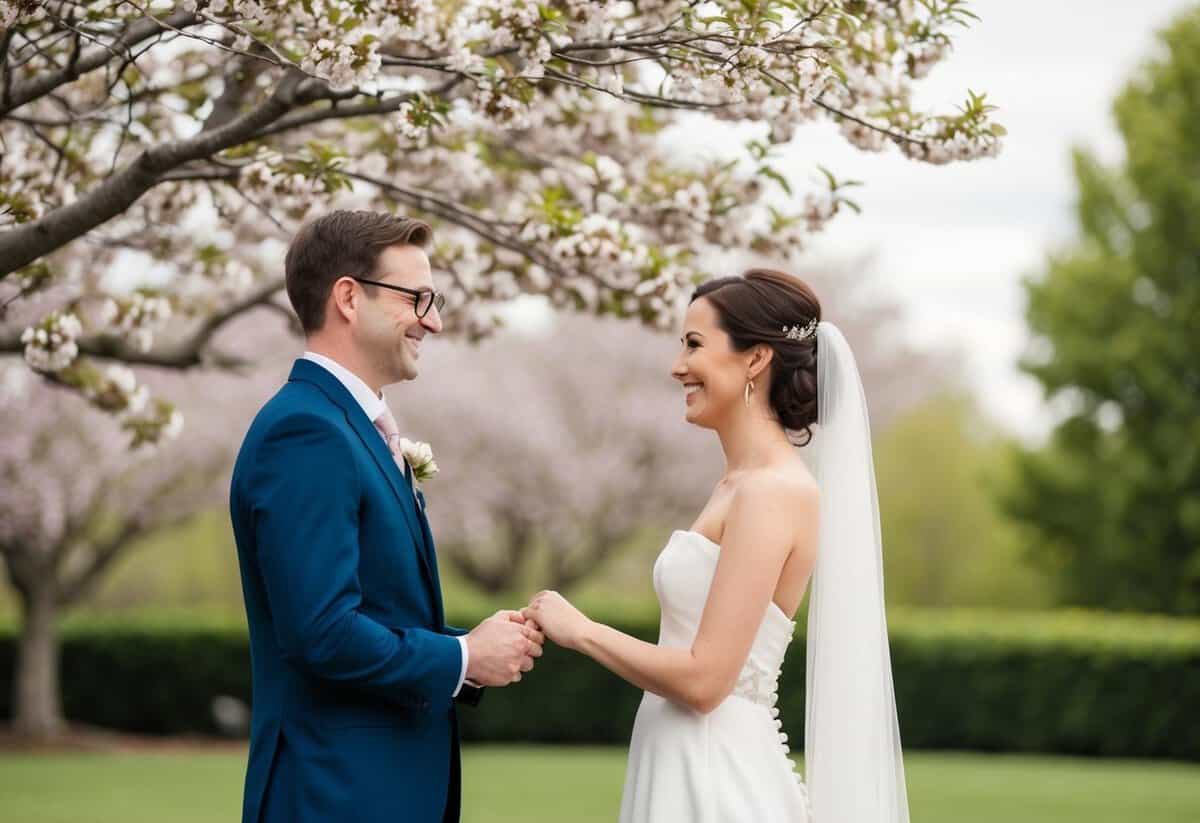
You might find that for some, the decision not to wear a ring is about personal style or comfort. Others believe that the gesture of commitment goes far beyond any piece of jewelry. Whether it’s a shared promise or an understanding between partners, what truly matters is the love you have for each other.
As you navigate your own relationship, it’s essential to discuss what symbols of commitment mean to both of you. There are many ways to celebrate your love without traditional rings, and understanding this can strengthen your bond even further.
Understanding the Role of Rings in Marriage
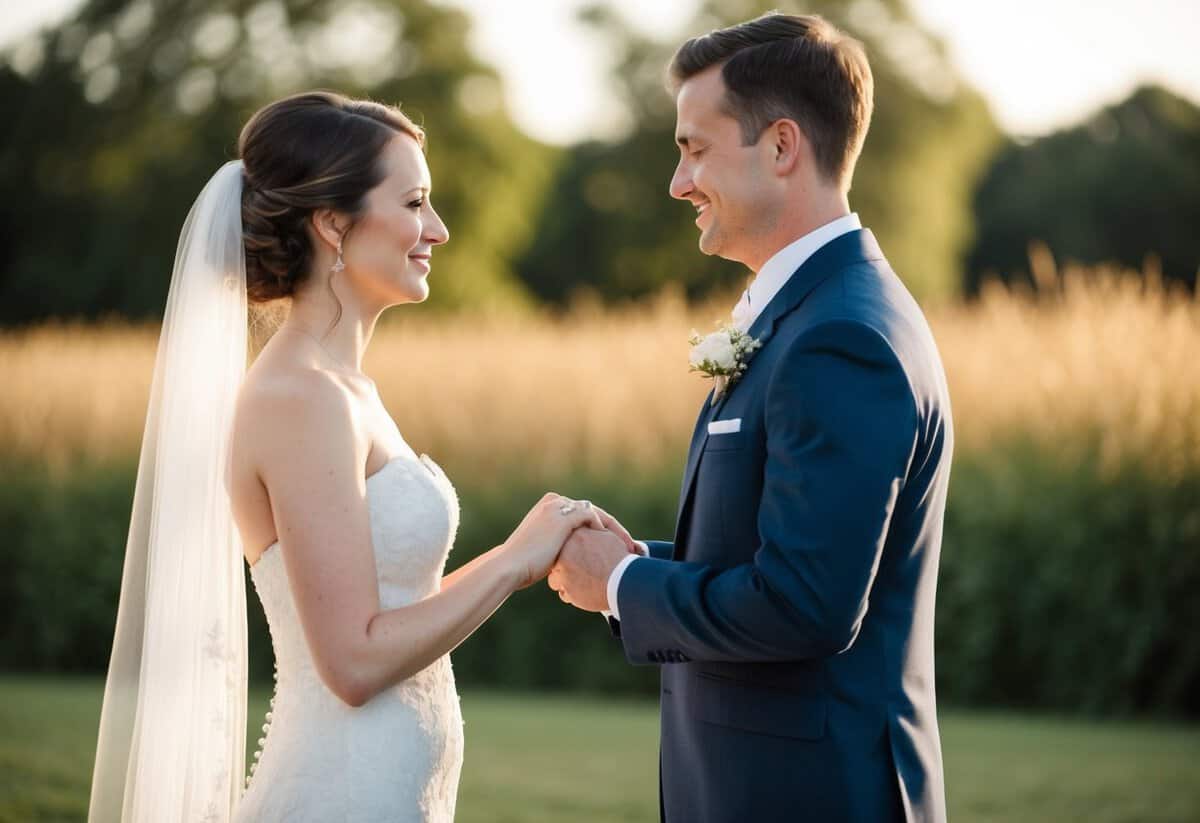
Rings hold special meaning for many couples. They often symbolize commitment and reflect personal values and cultural traditions. Let’s explore how wedding rings and other types of rings play important roles in marriage.
Symbols of Commitment
Wedding rings serve as a strong symbol of commitment between partners. When you exchange rings, it represents an unbreakable bond, showing the world that you are dedicated to each other.
Typically, you wear the ring on your left hand’s fourth finger. This finger is traditionally believed to have a vein that connects directly to the heart, often called the “vena amoris.”
Engagement rings can also be significant. They mark the promise of marriage and showcase your unique style.
Whether ornate or simple, rings can vary widely in design, made from materials like gold, silver, or platinum. Each ring can carry personal meaning beyond its monetary value.
Historical and Cultural Significance of Wedding Traditions
Wedding traditions involving rings date back thousands of years. In ancient Egypt, rings were made from braided reeds. They symbolized eternity and the cycle of life.
In many cultures today, the exchange of rings is a key part of the wedding ceremony. You might see different styles and customs based on your cultural background.
For instance, in some cultures, couples exchange rings during engagement and again at the wedding. This highlights the importance of commitment at different stages of their relationship.
Additionally, the symbolism can extend beyond rings. Some couples may choose alternative symbols like necklaces or other meaningful items to represent their love.
Understanding these traditions can help you decide what feels right for your marriage.
Alternative Forms of Engagement and Marriage
You might wonder if it’s okay to propose or get married without a ring. Many meaningful alternatives can express your love and commitment without sticking to tradition. Let’s explore some of these options.
Proposing Without a Ring
Proposing without a ring is becoming more common. Many people prefer to skip the traditional diamond. Instead, consider personal items that hold special meaning.
For example, you could use a piece of jewelry, like a bracelet or a necklace, that has significance for both of you. This option allows you to express your commitment in a way that feels authentic.
Another popular choice is to use a temporary placeholder until you find the perfect ring together. This keeps the spirit of the proposal while allowing room for personal choice.
Non-Traditional Symbols of Love and Commitment
Alternative symbols can effectively show your love and commitment. Tattoos are one option; a meaningful design can be a permanent reminder of your bond.
You might also think about a handfasting ceremony. This ancient custom symbolizes the tying of two lives together in a unique and personal way.
Some couples choose personalized bracelets or necklaces instead of rings. These can reflect personal style while still embodying your dedication to each other.
Ultimately, the symbol you choose doesn’t matter as much as the love and promise it represents. It’s all about what feels right for you and your partner.
Personalizing Your Commitment
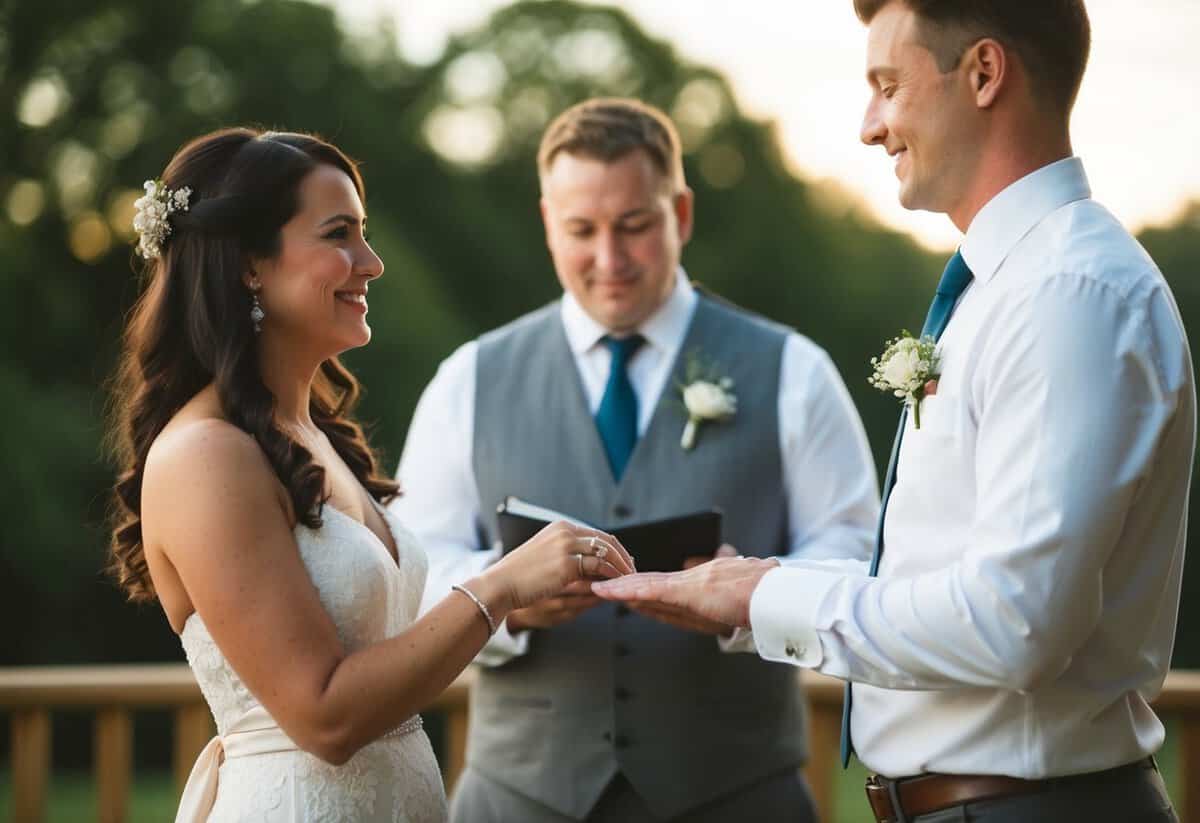
Choosing how to express your commitment can be a deeply personal decision. It’s all about what feels right for you and your partner. Whether that means a traditional ring or something unique, the focus should be on your relationship.
Personal Preference and Choice
Your personal preferences play a significant role in how you define your commitment. Some couples find that a wedding or engagement ring is essential for their marriage proposal, while others may not feel the need for one at all.
Choosing not to wear a ring can be a way to honor what you both value. You might prefer to spend money on a shared experience, like a honeymoon or a home, instead. This is a chance to make a choice that resonates with your values as a couple.
Discussing your preferences openly can help both partners feel good about the decision. It’s important to find a solution that truly reflects your love and aspirations together.
Incorporating Family Heirlooms and Shared Experiences
Using family heirlooms can add a beautiful touch to your commitment. If you have a piece of jewelry, a watch, or another item that has special meaning in your family, consider using it in your proposal or marriage.
These heirlooms hold stories and connections that can enrich your bond. You can also think about creating new memories together to symbolize your commitment. Activities like planting a tree or sharing a special trip can mean just as much, if not more, than traditional symbols.
Personalizing your commitment in this way shows the importance of family and shared experiences. It turns the focus from material items to the love and memories you create together.
Practical Considerations When Getting Married
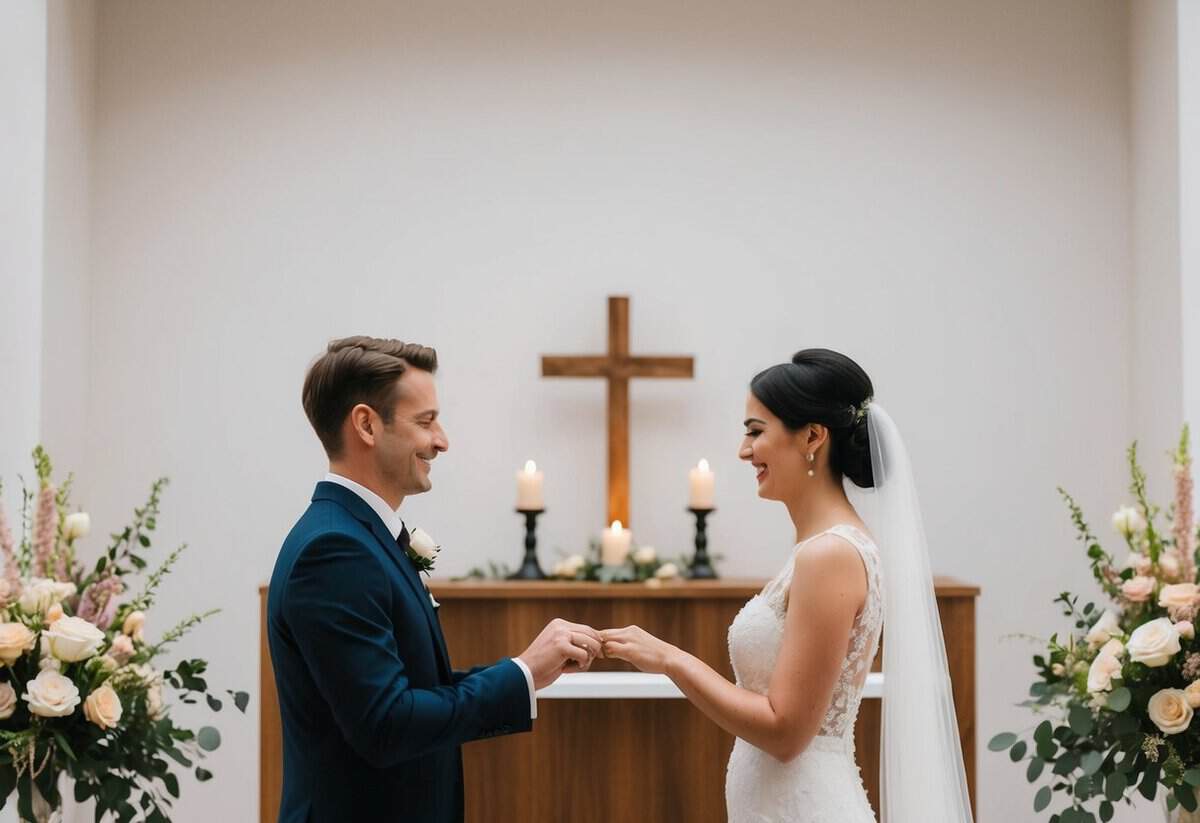
When considering marriage, it’s essential to think about both financial and legal aspects. Understanding these areas can help you plan a meaningful day that suits your needs, whether you choose to include rings or not.
Financial Considerations of a Wedding
Getting married can be costly, so it’s important to set a budget that works for you. Many couples spend money on venue, food, and attire. However, choosing to marry without rings can save you money for other essentials.
Consider allocating your funds towards experiences or items that matter more to you. You could use the savings for a honeymoon, a celebration with friends, or even a wedding consultant.
Making conscious choices helps ensure your wedding reflects your values. Remember, traditions like wedding vows can hold more significance than a physical symbol. Focus on what really counts for you and your partner.
Legal Requirements for Marriage
To get married, you must meet specific legal requirements. The first step is obtaining a marriage license, which you can usually get from your local government office.
Each state has its regulations, so check your area. Typically, you will need identification and may even have to pay a small fee. Some offices may allow you to apply online.
On your wedding day, ensure an authorized officiant is present to sign the license and pronounce you married.
Rings may be a common part of ceremonies, but they’re not legally required. The commitment you make during the ceremony is what truly counts. Focus on how you express your love in a way that’s meaningful to both of you.