
Is It Rude Not to Pay for Bridesmaids Hair and Makeup? Understanding Your Responsibilities as a Bride
When planning your wedding, you may wonder about the expectations surrounding your bridal party. A common question is whether it’s considered rude not to pay for your bridesmaids’ hair and makeup. The answer is that while it’s a kind gesture to cover these costs, it is not a strict requirement. Many bridesmaids are willing to pay for their own beauty services as part of their commitment to being in your wedding.
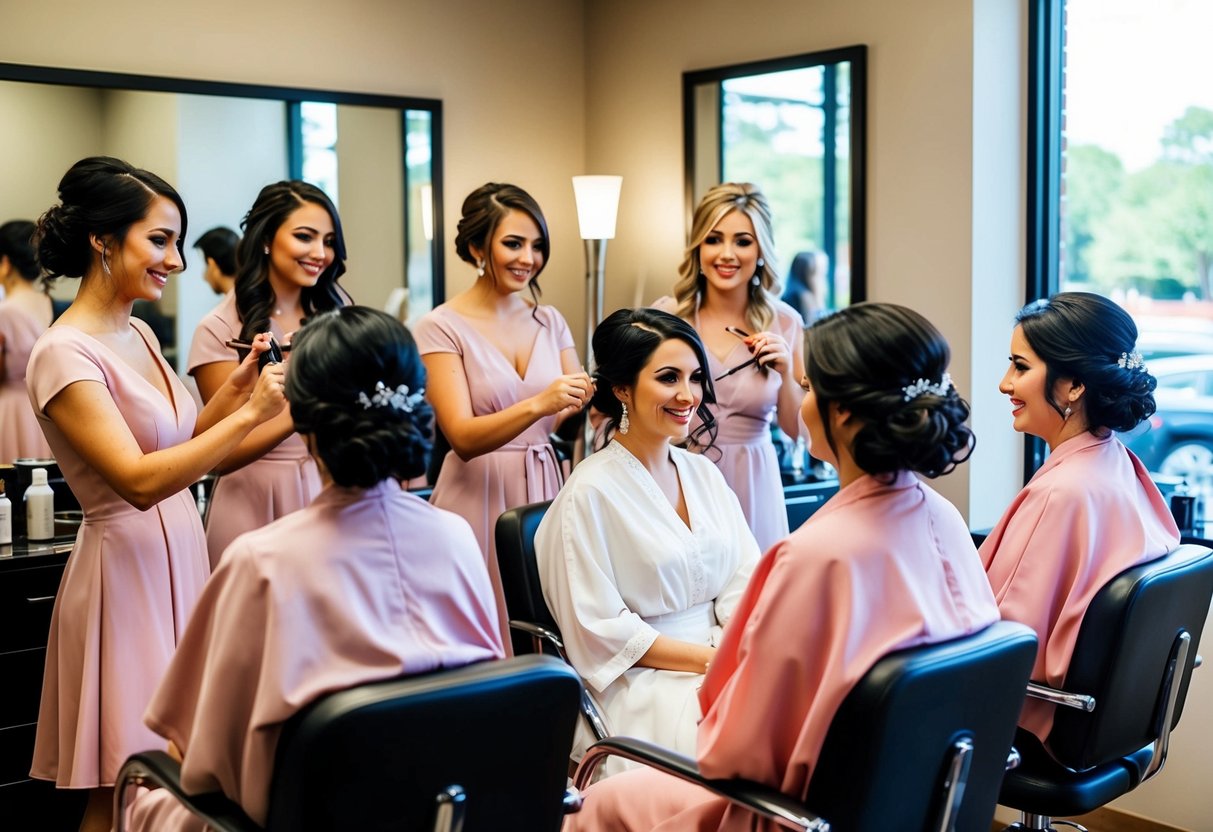
Understanding the dynamics of your bridal party can help ease any concerns. Some bridesmaids may prefer to have their own styles and not rely on a uniform look. This flexibility can be appreciated, especially if you are working within a tighter budget.
Open communication about costs can go a long way in ensuring everyone feels included and valued in the process.
The Role of Bridesmaids in Weddings
Bridesmaids play a significant part in a wedding. Their responsibilities go beyond just wearing lovely dresses. They offer emotional support, help with planning, and contribute to the overall experience of the big day.
Expectations and Responsibilities
As a bridesmaid, you have specific duties that support the bride throughout the wedding process. Your main role is to assist with wedding planning.
This may include attending dress fittings and helping organize bridal showers or bachelorette parties.
You should also lend emotional support, ensuring the bride feels supported and calm. This means being there for her during stressful moments and helping her manage any arising issues.
On the wedding day, you are part of the bridal party, helping to keep everything running smoothly. This includes everything from getting ready on time to managing guest needs. When you contribute positively, it can enhance the whole experience for everyone involved.
Bridal Party Dynamics
The dynamics of the bridal party can significantly impact the wedding experience. As a bridesmaid, you may find yourself in a mixed group of friends and family. It is important to foster teamwork among the bridal party.
Building connections with other bridesmaids can help create a fun and friendly atmosphere. You can share responsibilities, such as coordinating group outings or discussing preparations. This camaraderie can also alleviate stress.
Respecting each other’s differences and opinions is key. If problems arise, communication is critical to resolve them amicably. Remember, the ultimate goal is to support the bride and create lasting memories.
Hair and Makeup for Bridesmaids
When planning wedding hair and makeup, it’s important to consider what styles suit your bridal party best and how to handle the costs involved. These decisions can impact both the look of the day and the feelings of your bridesmaids.
Choosing Styles for the Big Day
Choosing the right hairstyles and makeup for your bridesmaids can enhance the overall wedding theme. Think about colors and styles that complement your dress.
You might want to coordinate with your bridal party to ensure everyone feels comfortable. Consider asking their opinions on styles they like. This can help build excitement for the big day.
A popular option is to choose a professional hair and makeup artist who can create a consistent look. This can include updos, loose waves, or natural makeup that enhances each bridesmaid’s features. Just make sure to communicate clearly about what you envision.
The Costs of Professional Hair and Makeup
Costs for professional hair and makeup services can add up quickly. It can vary based on the salon, location, and the services provided. On average, you might spend anywhere from $100 to $300 per person.
Asking your bridesmaids to pay for their own hair and makeup can sometimes feel rude. Many brides choose to cover these costs to avoid putting financial pressure on their friends.
Alternatively, you can propose a compromise. For instance, you could offer to pay for makeup while your bridesmaids cover their hair. This way, everyone can feel included without overspending. Consider discussing it early on to set clear expectations.
Navigating Wedding Expenses
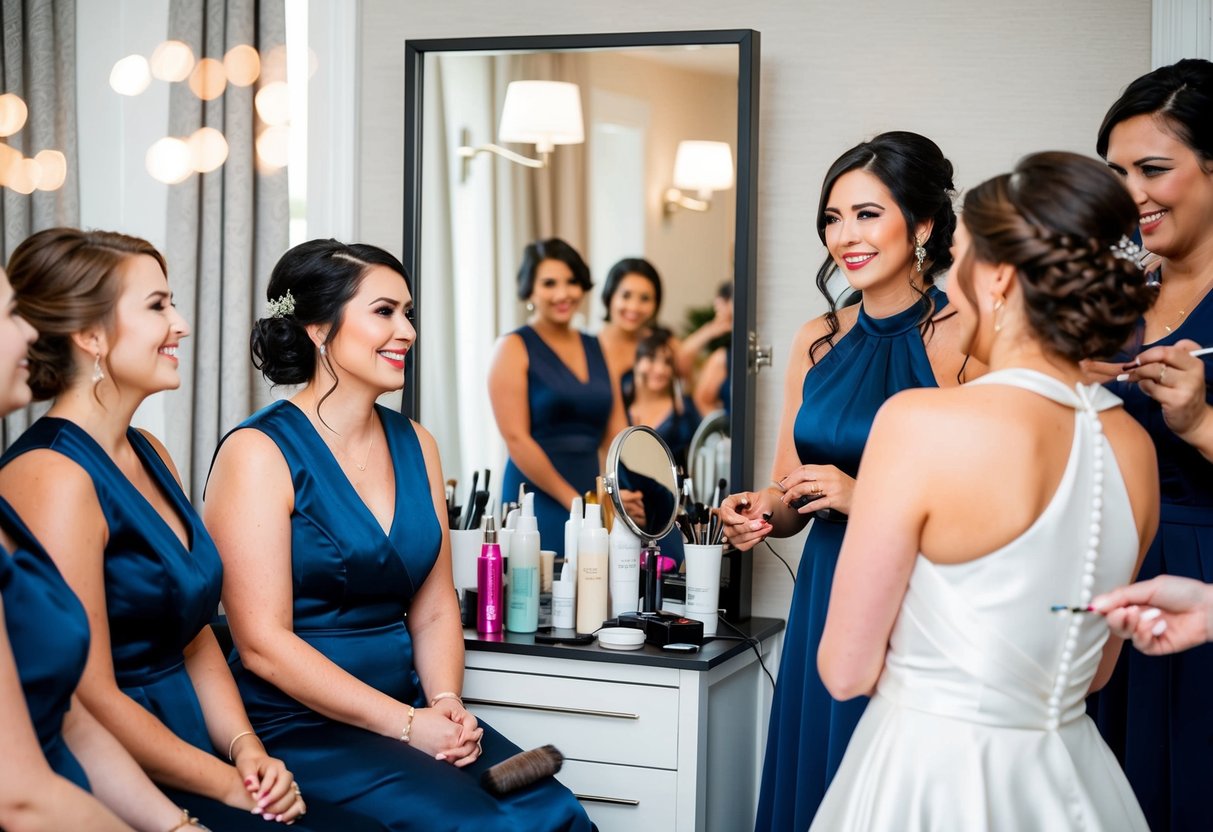
When planning a wedding, it’s important to consider who pays for what, especially for the bridal party. Understanding the financial responsibilities can prevent misunderstandings and help everyone feel comfortable.
Budgeting for the Bridal Party
Creating a clear budget for your wedding is essential. This budget should include all costs related to the bridal party, including attire, hair, and makeup. Bridesmaids often incur expenses for their dresses, which you can discuss beforehand to help them prepare.
To simplify, consider making a list of expected costs:
- Wedding dress
- Bridesmaids’ attire
- Hair and makeup
- Accessories
Also, think about your financial situation. If you can cover some of these costs, it may be a nice gesture. For example, offering to pay for hair and makeup can relieve some of the financial burdens on your bridesmaids.
Discussing Financial Expectations
Open communication with your bridesmaids about financial responsibilities is crucial. Schedule a time to discuss what you expect and what they can realistically afford. This will help everyone feel included in the planning process.
You might want to:
- Ask for their input on costs
- Suggest affordable options for hair and makeup
- Be understanding if some cannot afford certain expenses
By discussing these topics early in the wedding planning process, you can create a supportive environment and avoid last-minute surprises. It’s all about teamwork as you prepare for your big day!
Effective Communication in Wedding Planning
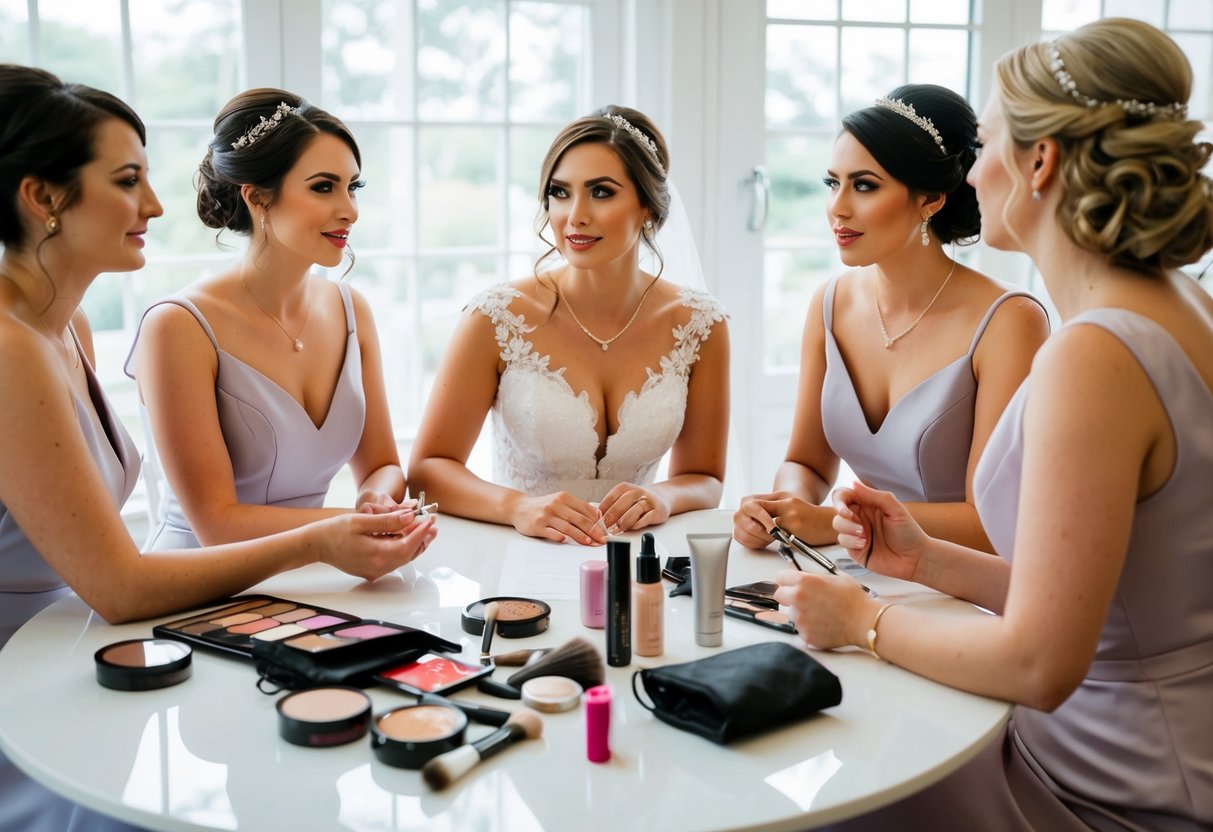
Clear communication is essential during wedding planning. It helps set expectations and prevents misunderstandings. Open conversations can ease tensions and ensure everyone is on the same page.
Setting Clear Expectations
When planning your wedding, it’s important to communicate what you expect from your bridesmaids. Share your vision, including details about hair and makeup. Be upfront about whether you’ll be covering costs or if you expect them to pay. This clarity helps avoid confusion later.
You can create a checklist of roles and responsibilities for your bridal party. Consider sending a group message or organizing a meeting to discuss everything. Encourage your bridesmaids to share their thoughts and feelings. By fostering an open environment, everyone will feel valued and included.
Resolving Potential Conflicts
Conflicts can arise during wedding planning, especially around financial responsibilities.
If a bridesmaid seems uncomfortable with expected costs, address it right away. Have open conversations to understand their viewpoint.
You might find it helpful to discuss alternatives. For example, suggest simpler hairstyles or more affordable options.
It’s also important to stay flexible. If someone has concerns, listen and offer solutions that work for both parties.
Maintaining open communication can transform potential disagreements into positive discussions.