
Is It Rude to Not Go to a Destination Wedding? Navigating Expectations and Feelings
Attending a destination wedding can be a thrilling experience, but it often comes with its own set of challenges. Travel costs, time off work, and personal commitments can all play a role in your decision. You should decline an invitation to a destination wedding if you have valid reasons for not attending.
When faced with the choice of attending or skipping a destination wedding, it’s important to consider your circumstances. You might really want to support the couple, but sometimes it’s just not feasible. It’s always best to respond in a respectful manner, making sure the couple knows your situation.
Your relationship with the couple can also guide your choice. If you are close friends or family, they may understand your reasons for not attending. This can help maintain your relationship while ensuring you take care of your personal needs.
Understanding Destination Weddings
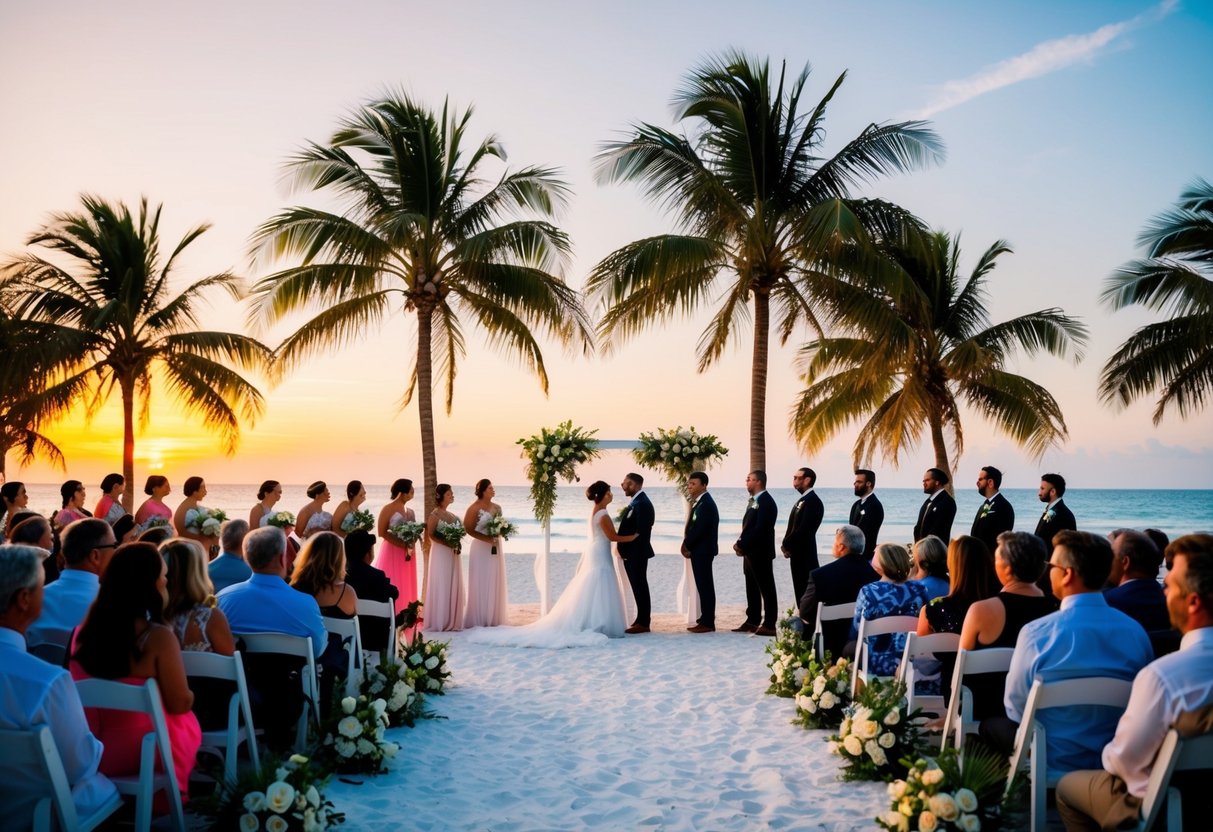
Destination weddings offer a unique blend of celebration and adventure. They take place in locations away from the couple’s home, often in beautiful settings. Here are some key details about what defines a destination wedding, along with the advantages and challenges that come with them.
What Constitutes a Destination Wedding?
A destination wedding occurs when the ceremony is held in a location that isn’t the couple’s hometown. This can be anywhere from a tropical beach to a historic city. The key aspect is that it usually involves travel for both the couple and their guests.
Planning a destination wedding often requires extra organization. Couples must choose venues that showcase their style. The guest list may also change, as not everyone can travel.
Pros and Cons of Destination Weddings
Destination weddings come with both benefits and drawbacks. On the positive side, they create memorable experiences. You and your guests can enjoy a vacation together while celebrating your special day. Locations often offer stunning backdrops for photos, making it even more special.
However, there can be challenges, too. Guests may need to spend more on travel and accommodations. This can limit who can attend. Understanding these pros and cons can help you decide if a destination wedding fits your vision. Planning thoughtfully ensures everyone enjoys your day, whether they are there or not.
Evaluating Your Invitation
When you receive a destination wedding invitation, several factors play a big role in your decision to attend. It’s important to think about your personal commitments, travel expenses, and how much vacation time you have. Let’s break these down.
Assessing Personal Commitments
Before deciding, review your current obligations. Do you have work projects or family events that clash with the wedding date?
Consider the following questions:
- Are you available to take the time off work?
- Is there a major event in your life that requires your presence?
If you find that your commitments are too strong, it might be best to politely decline. Remember, it’s okay to prioritize your responsibilities.
Considering Travel Expenses
Destination weddings often come with higher travel costs. Flights, hotels, food, and activities can add up quickly.
Here are some tips to consider:
- Budget: Create a budget that outlines all expected expenses.
- Cost-Effective Options: Look for affordable flights and accommodations.
- Guest Discounts: Sometimes venues offer group rates for wedding guests.
Make sure you feel comfortable with the total cost before confirming your attendance.
Vacation Time and Financial Constraints
Evaluate your available vacation time. If the wedding falls during a busy season at work, you might struggle to find the time off.
Also, assess any financial constraints you may have:
- Annual Leave: How many vacation days can you take?
- Financial Health: Can you afford the trip without straining your budget?
Be honest with yourself. If attending the wedding impacts your finances or work, it’s okay to decline graciously.
Making Your Decision

Deciding whether to attend a destination wedding involves considering your personal situation and how best to respond. Here are two important aspects to think about when handling your invitation.
Saying Yes to the Invite
If you choose to attend the destination wedding, make sure to plan ahead. Start by booking your travel and accommodation early to avoid high costs. Research the venue and area to get the most out of your trip.
Remember, your presence matters, and couples often value having friends and family close by on their big day. Be ready to celebrate, share in joyful moments, and enjoy the experience. This includes joining in any planned activities, which can deepen your connection with the couple and the other guests.
How to Decline Politely
If you can’t attend the wedding, it’s important to decline in a respectful manner. Start by contacting the couple directly, either by phone or a personal message. Express your regrets and include a brief explanation, like personal reasons that prevent you from attending.
You can still show your love and support by sending a gift or a heartfelt card with your best wishes for their new life together. This small gesture can make the couple feel cherished, even in your absence. Make sure to communicate your feelings honestly while keeping it positive.
Pre-Wedding Etiquette and Actions
When attending a destination wedding, understanding etiquette helps you show respect to the couple and other guests. Key actions include timely RSVPs and thoughtful travel arrangements.
RSVPing to a Destination Wedding
When you receive a wedding invitation, the first step is to check whether you can attend. Look for RSVP details on the wedding website or the invitation. Responding by the deadline is crucial. It helps the couple plan for food, seating, and accommodations.
If you cannot attend, politely inform the couple as soon as possible. This shows respect for their planning efforts. Keep in mind that destination weddings may involve extra costs for guests. Be considerate of how your decision impacts the couple’s arrangements.
Travel Arrangements and Accommodation
If you decide to go, start planning your travel early. Research flights and transportation options. Compare prices and book as soon as you find a good deal. If possible, coordinate with other guests to share rides or accommodations, which can help save costs.
Many couples provide accommodation suggestions on their wedding website. These options may range from budget-friendly to luxury stays. Make sure you book your lodging ahead of time. This way, you will have a comfortable place to relax during the festivities.
Additionally, check local activities to make the most of your trip.