
Is It Rude to Not Invite a Husband to a Wedding? Navigating Wedding Etiquette with Care
Deciding who to invite to your wedding can be tough, especially when it comes to partners. You might wonder if it’s rude to leave out a spouse from the guest list. In most cases, it’s considered impolite not to invite a husband or wife to a wedding, as traditional etiquette emphasizes the importance of including close partners.
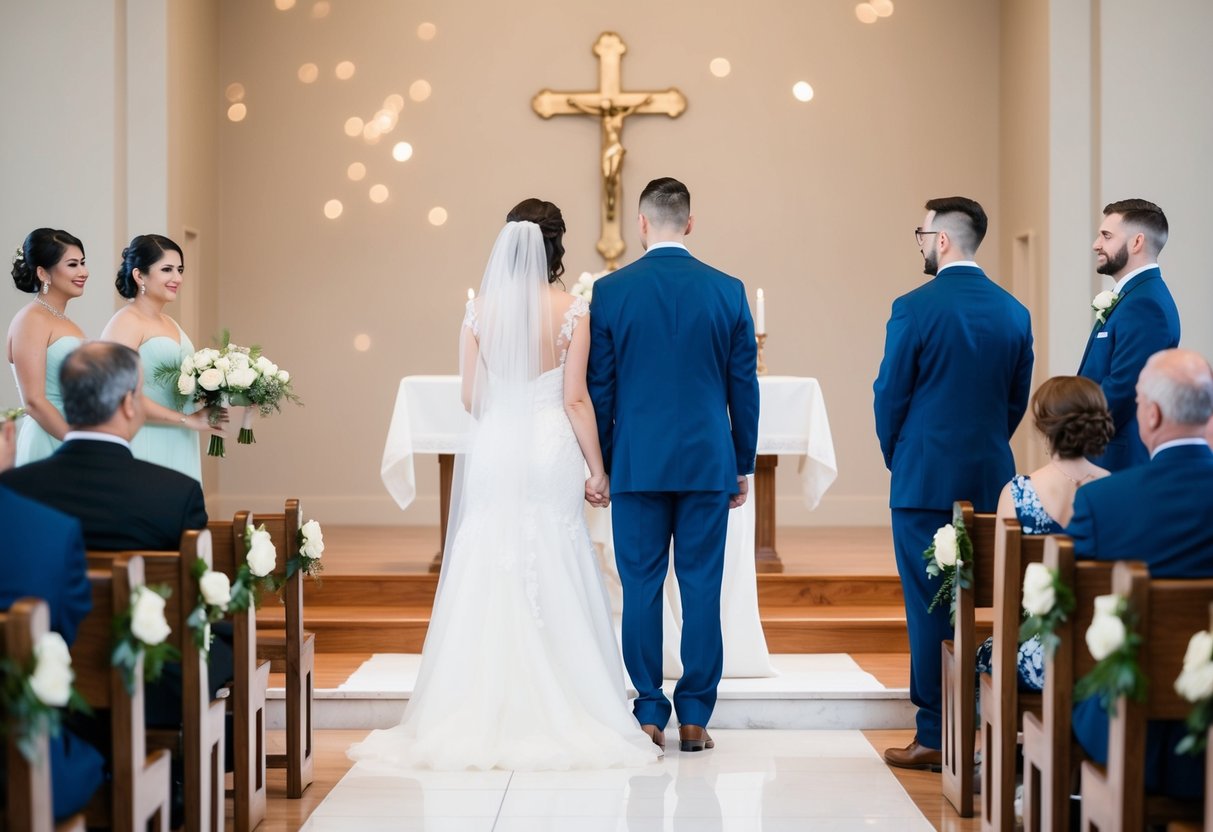
Understanding the feelings of your guests is essential in this situation. Many people expect to attend weddings with their significant others by their side, as this is often part of their relationship. Ignoring this unwritten rule can lead to feelings of hurt or exclusion.
Your wedding is a special day meant to celebrate love and connection. By thoughtfully considering your guest list, you can create a welcoming atmosphere for everyone, ensuring no one feels left out on your big day.
Understanding Wedding Invitation Etiquette
When planning your wedding, it’s important to consider how you invite your guests. This includes understanding the role of couples and spouses in your guest list. Knowing the etiquette can help you avoid misunderstandings and keep everyone happy.
The Basics of Wedding Invites
Creating a guest list for your wedding is a big task. Start by listing family, friends, and important people in your life.
Key points to remember:
- Send Invitations Early: Aim to send your invites at least six to eight weeks before the big day. This gives guests time to respond and make plans.
- Be Clear About Plus-Ones: If you allow guests to bring a date, specify this on the invite. This helps manage your numbers and makes guests feel included.
Finally, keep in mind that every invite should reflect your respect for the people you invite. Each invitation is more than just a piece of paper; it’s a gesture of friendship and love.
Couple and Spouse Invitations
Inviting spouses is usually considered polite, reflecting traditional wedding etiquette. If a guest is married, it’s common to invite their partner to avoid hurt feelings.
Consider these points:
- Communication is Key: If you have a reason not to invite someone’s spouse, it’s best to explain your decision to them directly. Doing so can prevent misunderstandings.
- Modern Trends: Many couples today also consider their relationship dynamics. If a guest is in a long-term relationship, it might be courteous to invite their partner as well.
The goal is to create an enjoyable experience for all your guests, recognizing the significance of their relationships.
Navigating the Guest List
Creating your guest list is one of the most important parts of wedding planning. You’ll need to balance personal preferences with etiquette and budget constraints.
Building a Balanced Wedding Guest List
Start by listing all your family members, friends, and close colleagues. Think about the people who have meant the most to you throughout your life.
Next, categorize your guests into groups. Consider including immediate family, extended family, close friends, and co-workers. This helps you view the whole guest list clearly, so you know who truly matters to you.
Remember, a wedding is a special day. Inviting spouses and partners is generally expected. If you don’t invite a spouse, it may seem rude to guests. You want everyone to feel included and welcome.
Dealing With Guest List Limitations
Your wedding budget and venue can limit how many people you can invite. Set a realistic guest count based on your budget. This ensures you won’t overspend on food, drinks, or seating.
If you’re working with a smaller venue, prioritize inviting key guests first. You may need to make tough choices about who to invite and who not to.
In some cases, you might consider not inviting plus ones for single guests. This is common if space is tight. Just keep in mind that everyone will have a different opinion about who should be included, so keep the lines of communication open with your partner.
Communication and Consideration
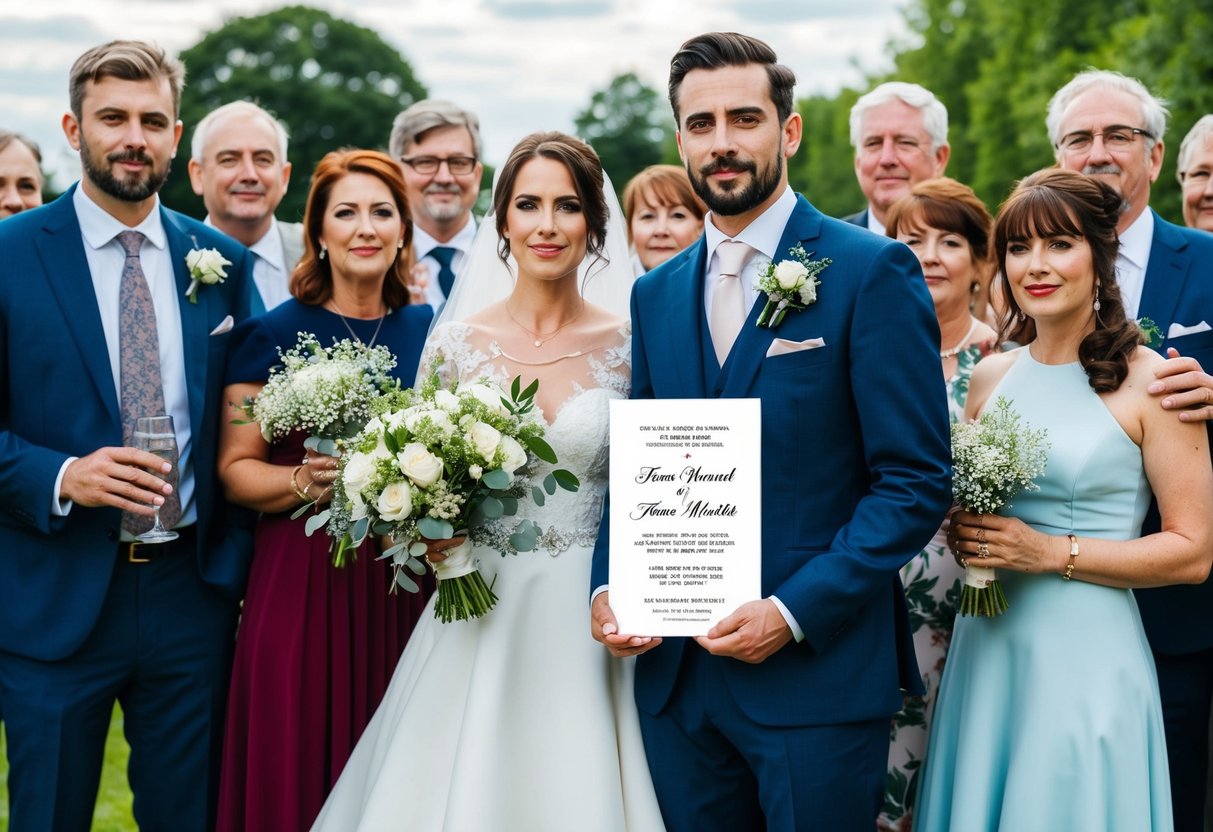
When planning a wedding, clear communication and consideration for feelings are essential. You want to ensure everyone feels included and understood, especially when it comes to inviting partners. This can help prevent misunderstandings and hurt feelings.
The Importance of Clear Communication
Establishing open lines of communication is key when deciding on your wedding guest list. You should openly discuss your choices with family and friends, especially those affected by the decisions. If you choose not to invite a spouse, be honest about your reasons.
Creating a list can help you keep track of who to invite. You can also write down your thoughts on why certain people are included or excluded. This reflection can guide your conversations and help you articulate your choices better.
Addressing Hurt Feelings
Not inviting someone can hurt their feelings, even if you didn’t mean to. If someone asks why their partner isn’t invited, you should prepare to address the situation with care. Approach these conversations with empathy and let them know it’s not a personal rejection.
Acknowledge their feelings. You can say something like, “I understand this might be disappointing.” This shows you care about their emotions. Encourage them to share their feelings, too. An open dialogue can ease tension and foster understanding around your decisions during the planning process.