
Is It Rude to Not Invite Partners to a Wedding? Navigating Feelings and Expectations
Planning a wedding is an exciting journey, but it often comes with tricky questions about who to invite. When deciding on your guest list, you may wonder if it is rude to not invite partners to a wedding. The answer largely depends on your relationship with the guests and their partners, and the norms of wedding etiquette.
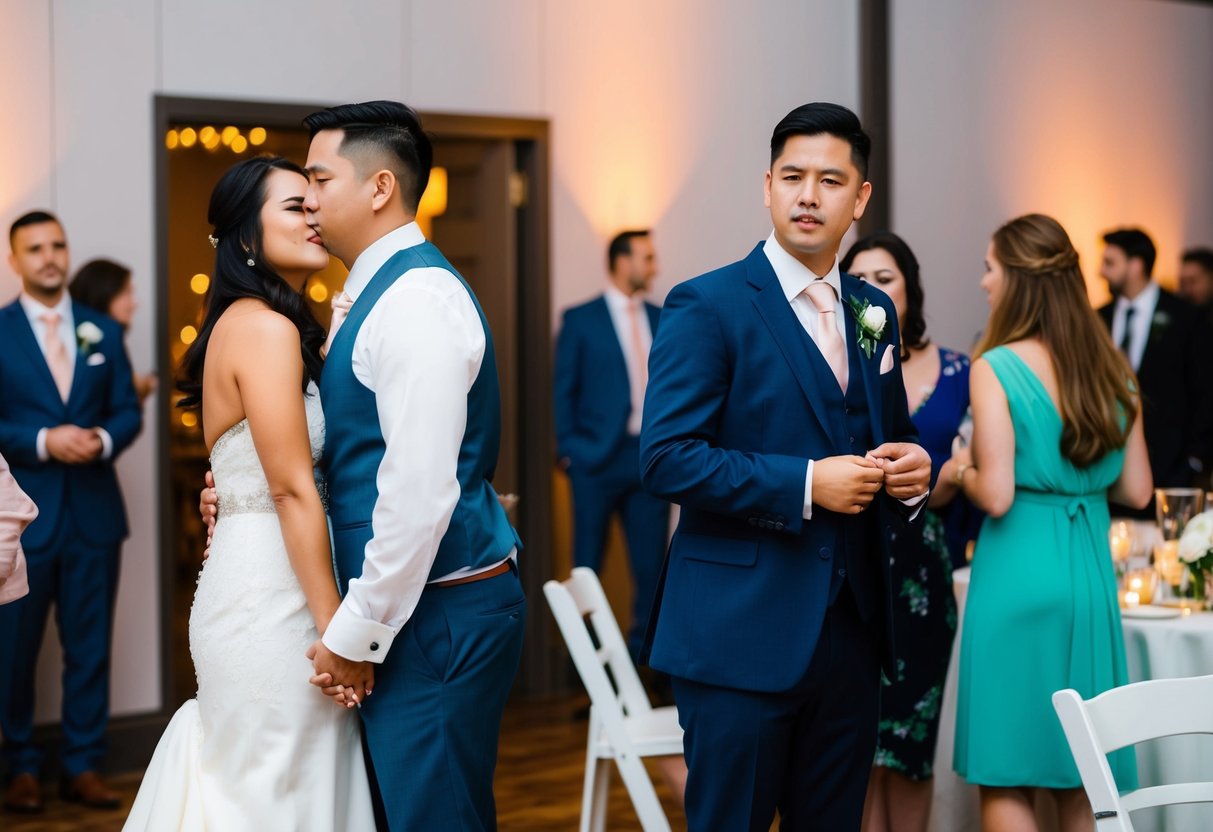
Many believe that long-term partners should be included in wedding invitations, especially if they are married or engaged. This stems from the idea that they form a social unit with your guests. Not inviting a partner can sometimes feel disrespectful and may even lead to a guest declining the invitation.
Every couple has their own priorities and vision for their special day, and that’s perfectly okay. As you navigate the guest list, consider how your choices reflect your feelings and relationships with those close to you.
Understanding Wedding Invitation Etiquette
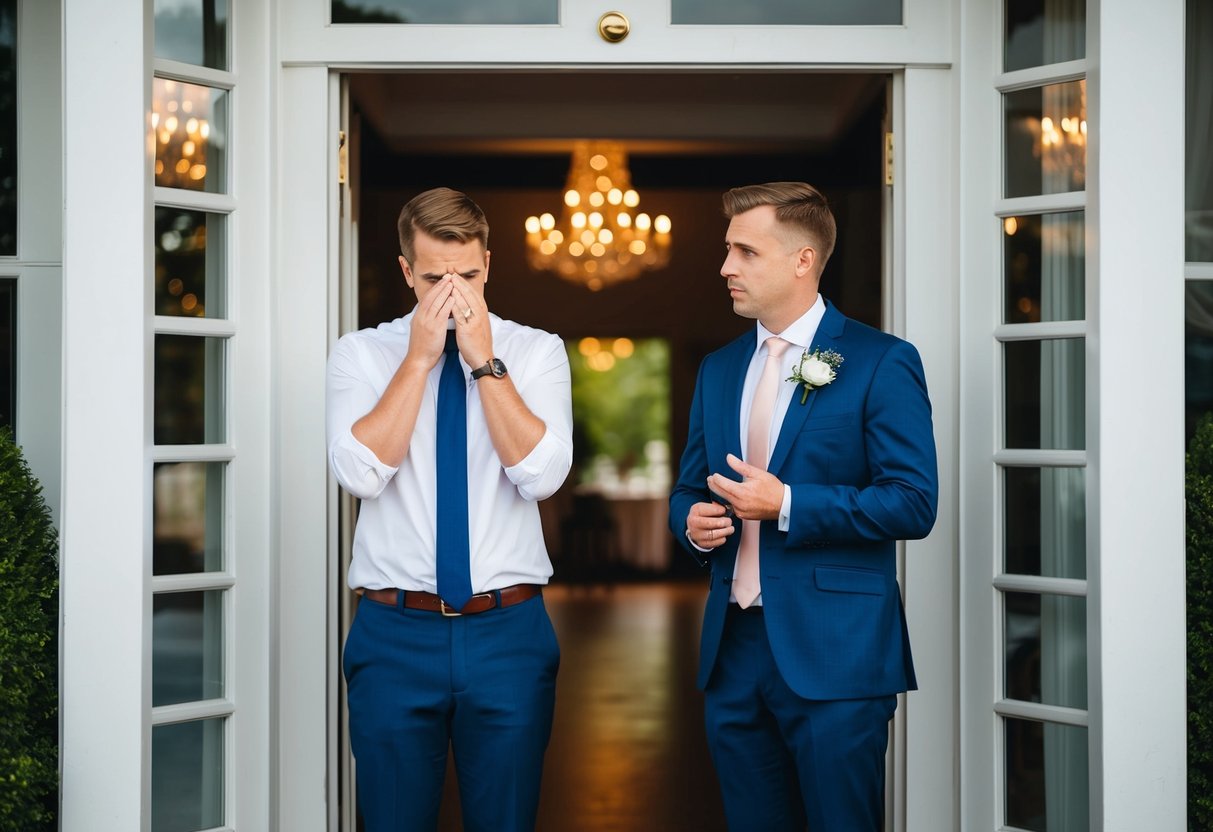
Invitations to weddings come with certain customs and expectations. Knowing the nuances of invitation etiquette can help you navigate who to invite, especially when it comes to partners and significant others.
The Role of Plus-Ones in Weddings
Plus-ones are essential in making your guests feel comfortable. When you invite someone, consider if they should have a plus-one, especially if they are in a serious relationship.
For long-term partners, it’s generally polite to include them. This shows you respect their relationship. Even if a couple is not married, inviting both can avoid feelings of exclusion.
On the other hand, for new relationships, the decision is a bit trickier. If the person has been dating someone for only a few months, you might choose to stick with just inviting the guest instead of their partner. Communication is key here.
Decoding the Relationship Status
Understanding how serious the relationship is can guide your invitation list. For married couples, it’s customary to invite both partners. This is a basic part of wedding etiquette.
For committed relationships, like long-term partners, it’s respectful to include them. You want your guests to feel this day is about love and togetherness.
In contrast, if someone is invited but does not have a significant other, it’s fine to keep the invitation solo, especially for casual acquaintances. Balancing these elements helps create a welcoming atmosphere for everyone.
Navigating Logistics and Limitations

Planning a wedding involves careful consideration of logistics and limitations. You need to balance your vision for the day with practical factors like venue capacity and budget constraints. Here are key points to consider.
Venue Size and Capacity Challenges
When choosing a venue, you must be aware of its capacity. This can limit how many guests you can invite, impacting your guest list significantly. If your venue has a small capacity, inviting partners might not be feasible.
Consider this:
- Guest Capacity: Make a list of everyone you want to invite. Then, check if the venue can accommodate everyone, including plus-ones.
- Space Constraints: Think about the flow of the space. A cramped venue can affect guest comfort and hinder interaction.
You might find that not inviting partners helps you stick to your guest list goals without overcrowding a smaller venue.
Budget Considerations for Your Guest List
Your budget plays a crucial role in deciding who gets invited. Each additional guest adds costs for food, drinks, and seating. This is especially important if you have a limited budget.
Keep these points in mind:
- Per-Head Costs: Calculate the expenses associated with each guest. This can include catering, table settings, and drinks.
- Guest List Management: Prioritize whom to invite based on your budget. Determine if you can afford to invite partners or if you need to keep the list tight.
Balancing your budget with your guest list is vital for a successful wedding. It may require tough choices, but it ensures you stay within your financial limits.
Personal Preferences and Wedding Dynamics

When planning a wedding, personal preferences play a key role in shaping your guest list. How you choose to invite guests can affect relationships and create various dynamics. Understanding these factors helps you make thoughtful decisions.
Choosing Whom to Invite
Your guest list reflects your personal preferences and values. You might decide to invite only close friends and family, which can lead to excluding some partners. This decision often stems from budget, venue capacity, and comfort levels.
Deciding not to invite partners, especially if couples are married or have been together for a long time, can be sensitive. You may feel justified because of costs, but consider how your choices might be perceived.
Make a list of key people who matter most to you. Think about how each guest fits into your wedding vision. You might have to make tough calls, but your happiness is essential too.
The Impact on Personal Relationships
Excluding partners can create tension among your guests. Some might feel left out or hurt, especially if they are close to you. This is important to think about when preparing your wedding.
Relationships can change based on who is invited. Keep in mind that friends or family who feel their partners should be included may discuss it later.
Be aware that your choices can affect the dynamics of your bridal party and other guests.
To ease any discomfort, communicate openly with your guests. Let them know your reasoning if you choose to limit your guest list. Clear communication can help avoid misunderstandings and keep relationships strong.