
Is It Rude to Not Invite Spouses to Rehearsal Dinner? Exploring the Etiquette Behind Wedding Celebrations
When planning a wedding, every detail can spark debate, especially when it comes to the rehearsal dinner guest list. Many couples face the question of whether to invite spouses of the wedding party. Not inviting spouses to the rehearsal dinner can be seen as rude. This is especially true if the event is not local, as it may leave them feeling excluded.
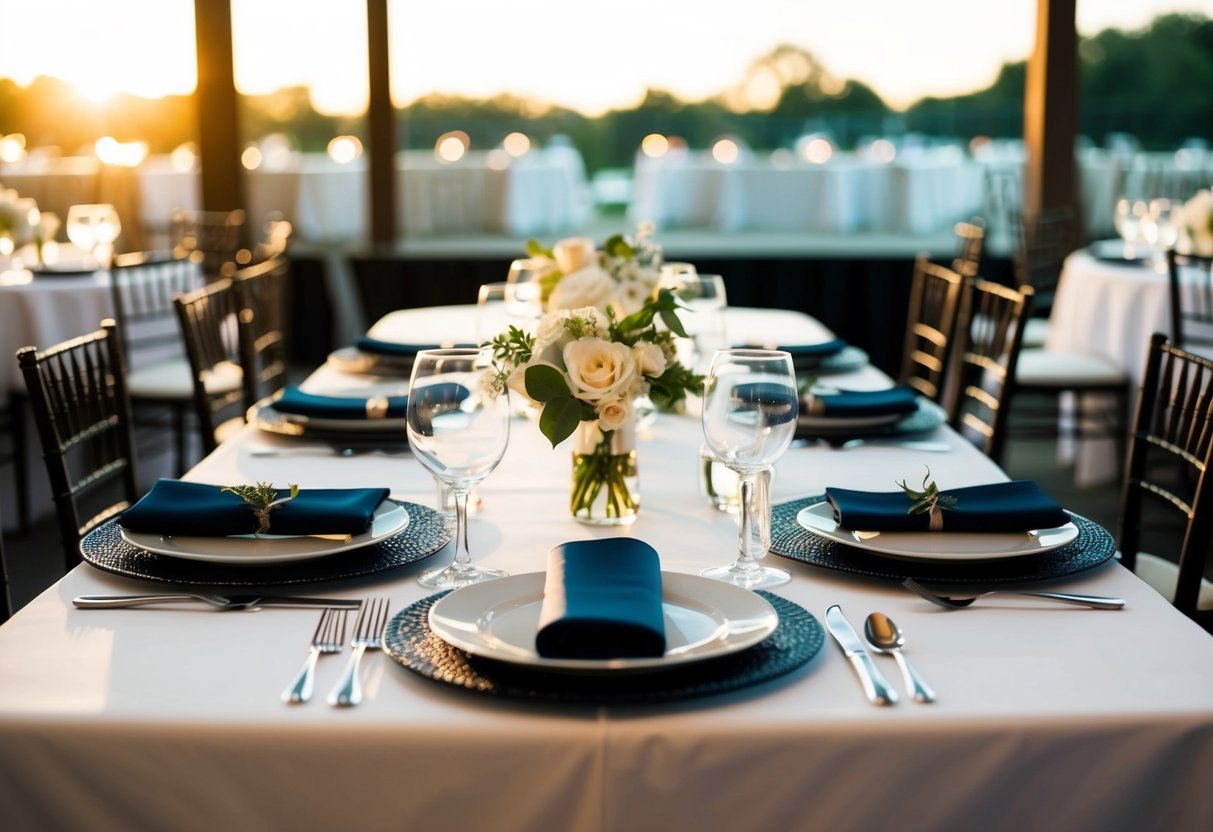
This decision often depends on family traditions or budget considerations. You might find that some families choose to keep the rehearsal dinner intimate, inviting only the wedding party and immediate family. However, including spouses shows appreciation for their support and involvement in the wedding journey.
As you navigate these choices, it’s essential to consider how these decisions affect relationships. Whether you lean towards a more exclusive guest list or opt to include spouses, thinking about the feelings of others is key to fostering goodwill on such a special occasion.
Understanding Rehearsal Dinner Basics

The rehearsal dinner is an important part of wedding planning. It serves a purpose beyond just a meal; it’s a chance for close family and friends to gather. Knowing who typically attends can help you decide who to invite.
Purpose of the Rehearsal Dinner
The main purpose of the rehearsal dinner is to celebrate the upcoming wedding with your closest family and friends. This event usually takes place after the wedding rehearsal. It provides you, your wedding party, and immediate family time to relax and bond before the big day.
It also allows out-of-town guests to connect with others who traveled for the wedding. Sharing a meal helps break the ice among everyone involved. It’s also traditional for the couple or their families to thank participants for their support. This can include the wedding officiant, parents, and friends who have helped organize the wedding.
Typical Guests at a Rehearsal Dinner
Your rehearsal dinner guest list often includes immediate family members, such as parents and siblings. The wedding party is essential, so make sure they are on the list. This usually includes bridesmaids, groomsmen, and their partners if you choose to invite spouses.
Out-of-town guests who may have traveled specifically for the wedding are often welcomed, too. They may appreciate the chance to socialize before the wedding day. While it’s common to keep the guest list smaller than the wedding, it can vary based on your preferences and budget. Always consider the feelings of those invited and the dynamics of your relationships when making your decisions.
Deciding Who to Invite

When planning your rehearsal dinner, thinking carefully about your guest list is key. You may want to consider etiquette as well as who holds importance in your wedding circle. Look closely at immediate family, your wedding party, and the dynamics of inviting others.
The Role of Etiquette
Etiquette plays a big part in deciding your rehearsal dinner guest list. The gathering is typically meant for those directly involved in the ceremony, such as the bride and groom, immediate family members, and the wedding party. Many etiquette experts suggest including spouses and significant others as a courtesy. If you’re unsure, think about whether those individuals would have felt included at the wedding rehearsal. This thought can guide you on inviting or excluding spouses from the rehearsal dinner.
Immediate Family and Wedding Party Considerations
Your immediate family members should be high on your guest list. Parents, siblings, and possibly grandparents are usually invited. This helps to show appreciation for their support.
When it comes to wedding party members, including their significant others or plus-ones adds a welcoming touch. Keep in mind how many people are in your wedding party. If you have a large group, consider the total count when planning.
Balancing who to invite can be tricky, so think about the relationships. Do you want to create a festive mood with all loved ones present? Or would a smaller group feel more intimate?
Guest List Dynamics
Guest list dynamics can really affect the feel of your rehearsal dinner. Knowing who will mingle comfortably together matters. If you invite spouses and plus-ones, you may create a more relaxed atmosphere. This can help everyone enjoy the meal and socialize.
Choosing not to invite significant others may lead to feelings of exclusion. This could alter the group dynamic and even affect your big day. If you want a larger crowd, be prepared for some extra costs.
Navigating Tricky Situations
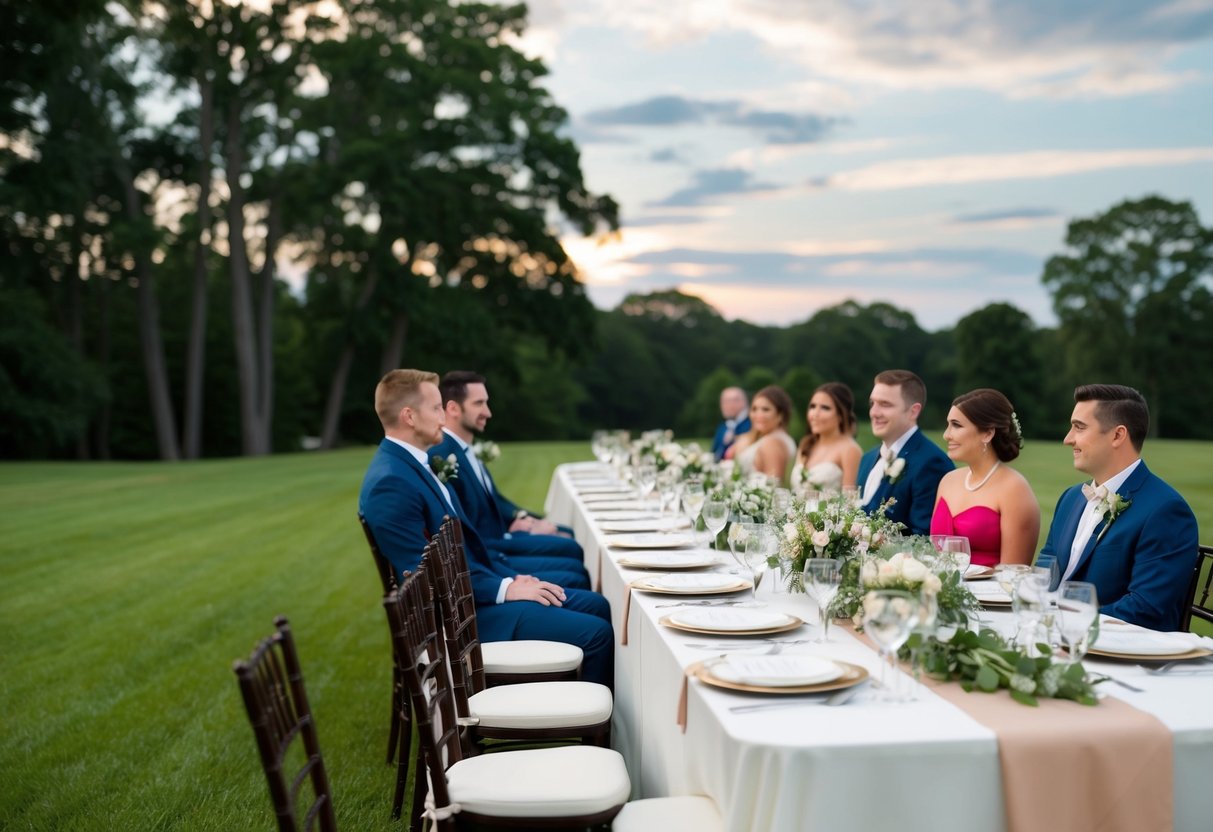
Handling invitations for a rehearsal dinner can be challenging, especially when it comes to including spouses. Understanding the right reasons for not inviting them and how to communicate your decision can make a difference in keeping relationships smooth.
When Not to Invite Spouses
There are specific situations where you might choose not to invite spouses to the rehearsal dinner. If you plan a small gathering for just the wedding party and immediate family, not all partners may be included.
For example, if you have a large family with many aunts, uncles, and cousins, the dinner could become overwhelming if everyone brought their significant other.
In cases where some guests are not actively participating in the wedding, like distant relatives or friends, you might skip inviting their spouses. This can help keep the event more intimate and focused on those essential to the ceremony.
Communicating Your Decision
Clear communication is key when you decide not to invite spouses. Start by being honest and considerate. You might explain that the dinner is intended for specific members involved in the wedding preparations.
When talking to those affected, use friendly language. For instance, you could say, “We’re excited to have our closest family and friends at the rehearsal dinner, while keeping the guest list a bit smaller this time.”
If someone expresses disappointment, listen and acknowledge their feelings. Remind them that the main wedding event will include everyone at the reception, creating a chance for everyone to celebrate together. This approach can help maintain harmony among your guests.
Alternative Events for Non-Invitees
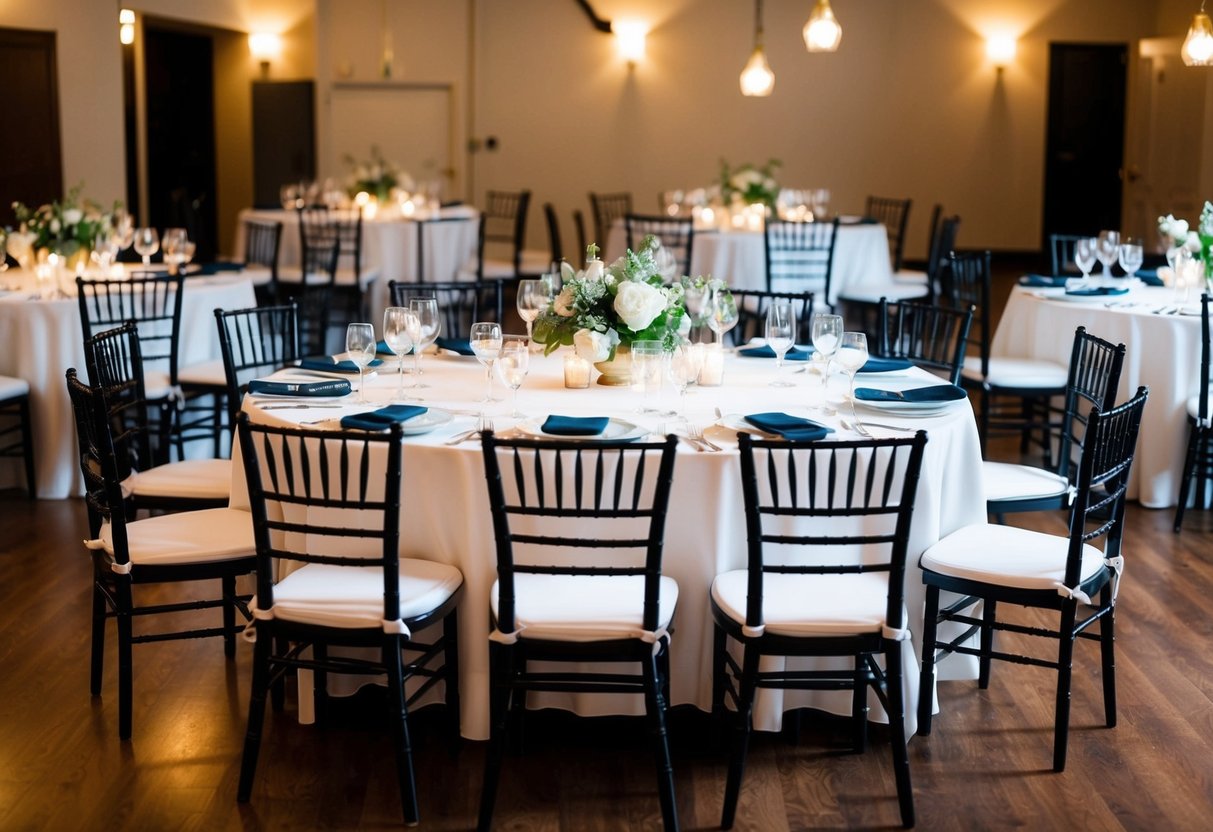
When some guests are not invited to the rehearsal dinner, it’s thoughtful to create alternative events for them. These gatherings can help everyone feel included and valued, especially those who have traveled for your destination wedding.
Hosting a Welcome Party
A warm and inviting welcome party is a great way to kick off your wedding festivities. This event allows all guests, including those excluded from the rehearsal dinner, to mingle and get to know each other.
Consider hosting the welcome party at a local venue or your rental property. Start with light appetizers and drinks to make it informal. You can also incorporate games or icebreakers to encourage conversation. Keeping it casual helps everyone feel at ease and sets a joyful tone for the wedding weekend.
Don’t forget to connect with your bridal party! They can help welcome guests and share fun stories that will enhance the experience. A welcome party fosters a sense of community and ensures everyone is included.
Inclusive Activities for Out-of-Town Guests
Plan inclusive activities to engage out-of-town guests who may feel left out. These activities can vary from casual brunches to local tours, catering to different interests.
Consider hosting a group brunch the morning after your welcome party. This gives everyone a chance to relax and connect. You can share your wedding plans and local highlights. Organizing a guided city tour can also provide guests a chance to explore the area and bond.
Additionally, you might include activity options like beach outings or group hikes. These gatherings make it easy for guests to form friendships outside of the main wedding events. It also shows your appreciation for their presence at your destination wedding.