
Is It Rude to Not Pay for a Rehearsal Dinner? Understanding Social Etiquette and Expectations
When planning a wedding, many details come into play, including the rehearsal dinner. Many people wonder about the expected etiquette, particularly regarding payment. If you are hosting, you should generally pay for the rehearsal dinner. This dinner is a way to show appreciation for your guests, especially those who have traveled from far away to celebrate with you.

As you prepare for this special event, understanding who is responsible for covering the costs can help ease your mind and guide your decisions. Knowing the traditions surrounding rehearsal dinners can ensure you create a warm and welcoming atmosphere for your friends and family. You’ll want to make sure everyone feels included and valued during the festivities.
Understanding Rehearsal Dinner Etiquette
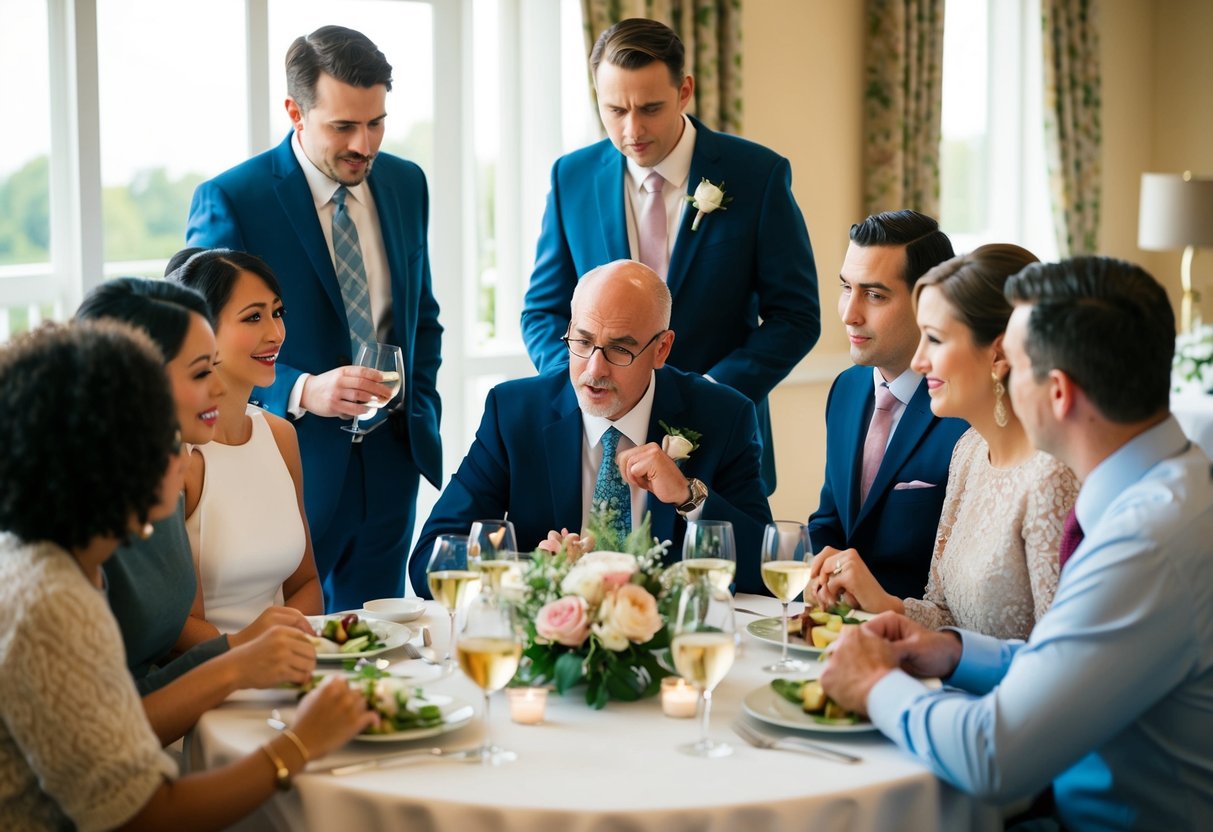
When planning a rehearsal dinner, it’s important to know the traditional expectations. This includes who typically pays and how to handle invitations and the guest list.
Who Traditionally Pays?
Traditionally, the groom’s parents cover the costs of the rehearsal dinner. This custom reflects their role in the wedding process. However, it’s not set in stone. Many couples today choose to pay for their rehearsal dinner themselves or split the cost among family members.
You should discuss this with both families early on. Clear communication can help avoid misunderstandings later. If the groom’s parents wish to host, they should feel honored. If not, you can find alternative solutions that work for everyone involved.
Invitation and Guest List Guidelines
Creating the guest list for your rehearsal dinner can be straightforward. Usually, those invited include the wedding party, close family, and sometimes out-of-town guests. It’s a chance to connect with loved ones before the big day.
When sending invitations, choose a method that fits your style. You can opt for formal invites or more casual digital ones. Make sure to include vital details like the date, time, and location. For the best experience, send invitations about three to four weeks in advance. This gives guests enough time to adjust their plans and attend.
Planning the Rehearsal Dinner
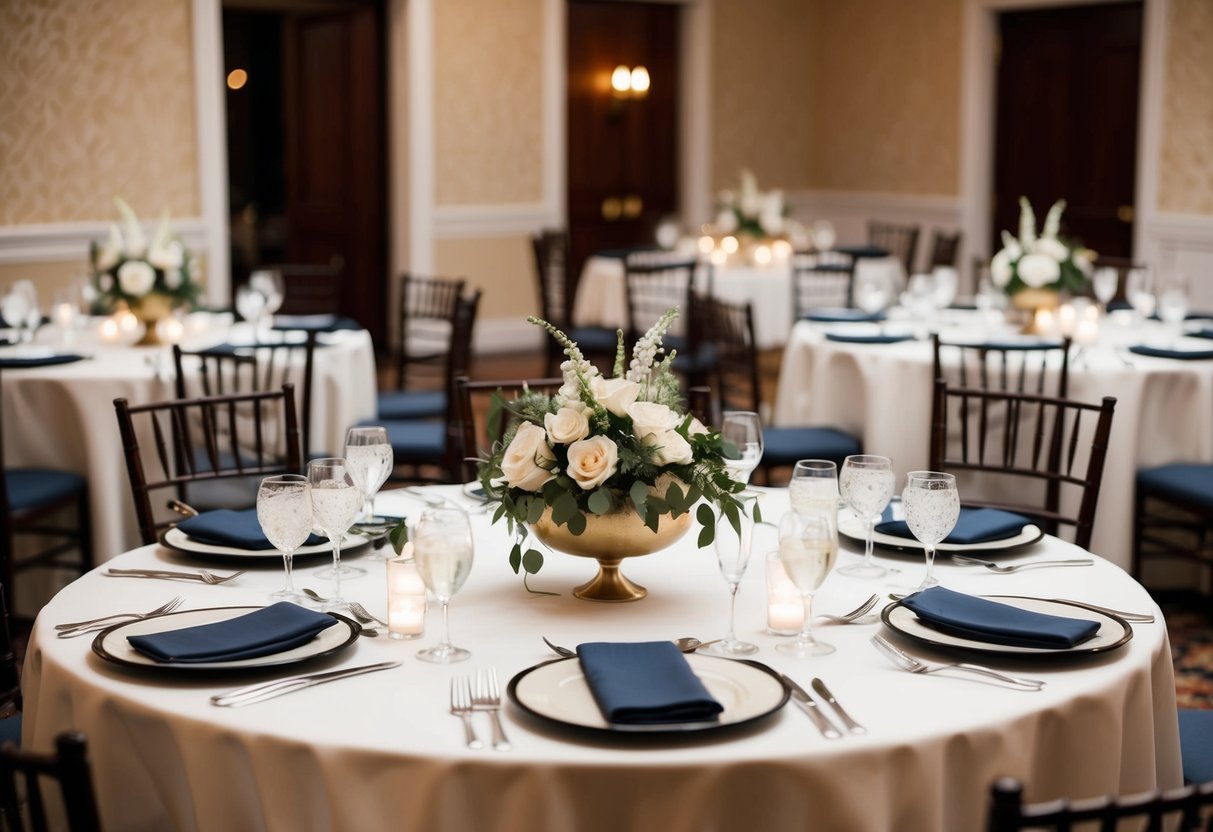
Organizing a rehearsal dinner can be a fun way to kick off the wedding celebrations. It’s important to focus on three main areas: setting the budget, choosing the venue, and planning the menu. Each decision plays a role in making the dinner enjoyable for everyone.
Setting the Budget
Start by determining how much you can spend on the rehearsal dinner. This amount should fit within your overall wedding budget.
Consider factors like the number of guests you expect and any special touches you want to include. Make a list of potential costs, such as venue rental, food, drinks, and decorations. Allocate a specific amount to each category. This will help you track expenses and ensure you don’t overspend.
Communicate with both families to see if they want to contribute, which can help balance costs.
Choosing the Venue
Selecting the right venue is key to creating a welcoming atmosphere. Think about the size of your guest list and the kind of vibe you want to create.
Popular options include restaurants, banquet halls, or even a backyard. Check if the venue offers catering as part of their services, as this can often simplify planning.
Make sure the location is easily accessible for all guests. Visiting potential venues can give you a feel for the space. Choose a spot that fits your budget but also aligns with the wedding theme for a cohesive experience.
Planning the Menu
The menu sets the tone for the rehearsal dinner. Consider the dietary preferences of your guests. Offering a variety of options, such as vegetarian, gluten-free, and meat dishes, ensures everyone feels included.
You can choose a formal sit-down dinner or a more casual buffet style. Factor in the total cost of catering and how it fits into your rehearsal dinner budget. Don’t forget to select beverages that complement the meal. Whether you opt for a full bar or simple drinks, make sure it enhances the overall dining experience.
Etiquette for Rehearsal Dinner Hosts

As a host of a rehearsal dinner, understanding your responsibilities is key to making the event a success. You will play a crucial role in creating a warm atmosphere for the wedding party and immediate family to connect. It’s important to think about details, from the theme to the toasts.
The Role of the Host in Rehearsal Dinners
Your primary role as the host is to ensure that everyone feels welcomed and included. This starts with managing the guest list, which usually includes the wedding party and immediate family. Make sure to extend invitations to those who played a significant part in the wedding preparations.
Also, think about the rehearsal dinner theme. Choose a setting that reflects the couple’s style. Whether it’s a casual gathering or a formal banquet, keep it comfortable and enjoyable.
It’s also your responsibility to plan the meal and cover the costs for all attendees. It is considered rude to ask guests to pay, as they are obligated to attend the rehearsal.
Toasts and Speeches
Toasts are a lovely tradition at rehearsal dinners that celebrate the couple. As a host, be prepared to lead or introduce these toasts.
When inviting guests to speak, remind them to keep it short and heartfelt. You can start with a toast yourself, expressing your support for the couple. This sets a positive tone for others.
Encourage immediate family members and close friends to share their favorite memories. Keep in mind that wedding etiquette suggests being respectful and avoiding embarrassing stories. Aim for a warm and loving atmosphere.
Making the Rehearsal Dinner Special
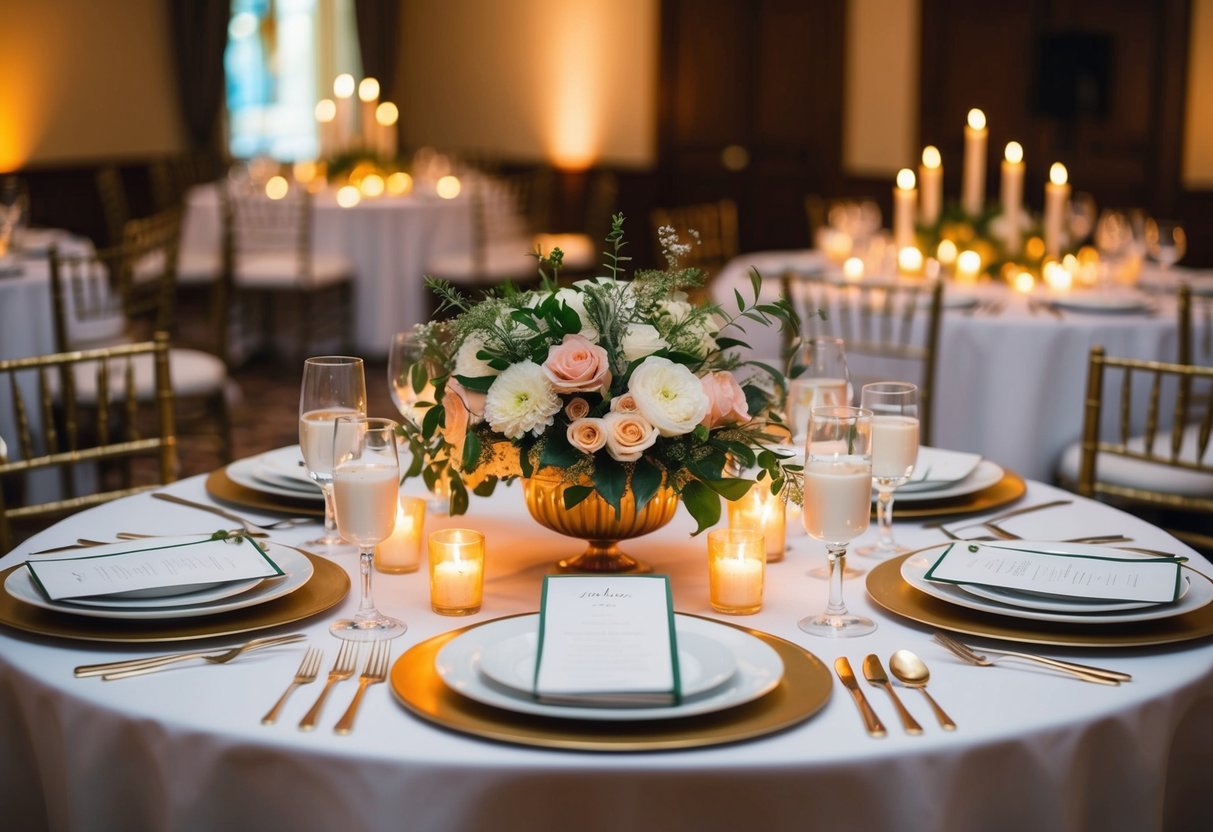
A rehearsal dinner is a wonderful opportunity to set the tone for your wedding weekend. You can make it memorable by choosing a unique theme and ensuring your out-of-town guests feel welcomed.
Creating a Memorable Theme
Choosing a theme for your rehearsal dinner can enhance the experience. Think about the wedding theme or the location.
For a beach wedding, consider a nautical theme with seashell decorations. For a rustic wedding, use wooden elements and wildflowers. You can also create a fun seating chart that highlights the theme.
Use playful names for tables, like “Surf’s Up” or “Countryside Bliss.” Personal touches, such as customized menus or cocktails matching the theme, make the dinner unique.
Involve your wedding party in the planning to share ideas. This helps everyone feel connected and invested in the event. You want this dinner to reflect your style while being enjoyable for all your guests.
Accommodating Out-of-Town Guests
Your out-of-town guests have traveled far to celebrate with you. Show them appreciation by providing a warm welcome.
Consider arranging group transportation to the venue. This makes it easier for everyone to gather without the stress of navigating alone.
You might also create welcome bags with local snacks and a personalized note. Include a small map highlighting nearby attractions. This thoughtful gesture can make their stay more enjoyable and encourages them to explore your wedding destination.
Make sure to communicate any special plans, like activities after the dinner. This way, your guests can plan to spend more quality time with you and others in the wedding party. Doing so enhances the sense of community during the wedding weekend.