
Is It Rude to Not Want to Be a Bridesmaid? Navigating Your Feelings with Grace
When a friend asks you to be a bridesmaid, it can be a thrilling experience, but it may also come with unexpected pressure. You should prioritize your own feelings and circumstances, as friendships can withstand honest conversations about boundaries.
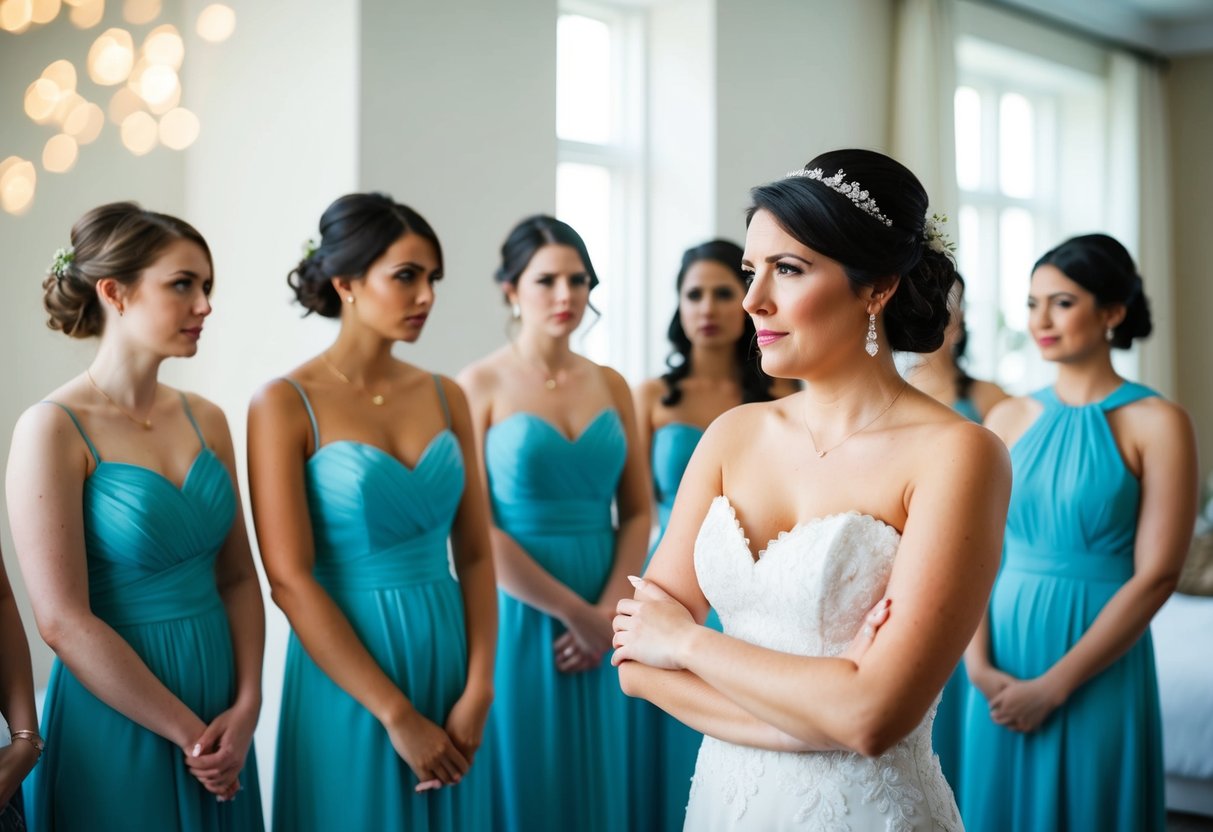
Understanding wedding etiquette is key. You may feel concerned about disappointing your friend, but open communication can strengthen your relationship. Sharing your reasons for saying no can help your friend see where you’re coming from and maintain a healthy friendship.
Navigating these decisions can be tricky, but it’s essential to ensure you feel comfortable in your role. Remember, saying no doesn’t mean you care any less; it means you are respecting yourself and your limits while still supporting your friend on their special journey.
Understanding Bridesmaid Responsibilities

Being a bridesmaid comes with various responsibilities that require both time and effort. Knowing what these duties are can help you decide if you want to take on this role.
Defining the Role of a Bridesmaid
A bridesmaid’s role is to support the bride throughout the wedding planning process and the special day itself. This includes attending dress fittings, helping plan the bridal shower, and participating in the bachelorette party.
You may also assist with tasks like creating a wedding playlist or helping with invitations. It’s essential to be present at key moments and offer your emotional support.
Bridesmaids often form a close bond with the bride, allowing for shared experiences leading up to the wedding. These responsibilities can be rewarding, but they can also be time-consuming, so it’s important to consider your availability.
Financial and Emotional Commitments
Being a bridesmaid can incur significant costs. You often need to buy a dress, shoes, and accessories, which can add up quickly. Additionally, there might be expenses for travel, hair and makeup, and gifts for bridal events.
It’s nice to lend emotional support, as weddings can be stressful. You will be there for the bride during moments of excitement as well as stress.
Understanding these commitments will help you decide whether being a bridesmaid aligns with your situation. You should feel comfortable in taking on both the financial and emotional aspects of the role.
Personal Considerations Before Accepting

Deciding whether to be a bridesmaid involves various personal factors. It’s essential to think about your finances, the time you can dedicate, and any other priorities in your life. Each of these considerations plays a crucial role in your decision.
Assessing Your Financial Constraints
Before you agree to be a bridesmaid, take a good look at your finances. The costs can add up quickly. You may need to purchase a dress, shoes, and accessories. There might also be expenses for hair and makeup or travel.
Make a list of all potential costs, including gifts for the bride and wedding expenses. Consider setting a budget to see if you can comfortably cover these costs. If it feels like too much, it’s okay to express your concerns to the bride.
Evaluating Your Time and Commitment
Being a bridesmaid often requires a significant time commitment. You might need to attend wedding planning meetings, bridal showers, or bachelorette parties. Think about your current schedule and workload.
If you’re starting a new job or have a busy month ahead, assess whether you can balance these obligations with the demands of being a bridesmaid. Set clear priorities to determine if you can dedicate adequate time to this role without feeling overwhelmed or anxious.
Acknowledging Personal and Professional Priorities
Consider how being a bridesmaid aligns with your personal and professional life. If you’re facing a particularly challenging time at work or dealing with anxiety, it’s vital to set boundaries.
Make sure that your decision doesn’t conflict with important personal goals or commitments. Taking on responsibilities that stretch you too thin may impact your well-being and performance in other areas. Be honest with yourself about your ability to contribute positively to the bride’s day while managing your life.
How to Politely Decline

If you need to turn down a request to be a bridesmaid, it’s important to do so with kindness and understanding. There are ways to communicate your decision respectfully while still offering your support in other meaningful ways.
Communicating Your Decision Respectfully
When you decide not to be a bridesmaid, communicate this as soon as possible. Reach out to the bride or groom with a thoughtful message. You can say something like, “I truly appreciate the offer, but I won’t be able to take on the role of bridesmaid.”
Be honest, but also considerate of their feelings. Share your reasons briefly if you feel comfortable. For example, if it’s due to financial reasons, you might say, “My current budget doesn’t allow for that commitment.” This shows transparency without being too detailed.
Listening to their response is important. They might feel disappointed but knowing that you care can ease those feelings. Always emphasize your excitement for their big day.
Alternative Ways to Show Your Support
Even if you’re not a bridesmaid, you can still be part of the wedding journey. Consider other helpful roles that fit your comfort level.
You can assist in planning the bridal shower or help with DIY projects. Offering to organize a bachelorette party is also a fun way to stay involved. These options let you contribute without the full responsibility of being a bridesmaid.
A meaningful wedding gift can also show your support. Think of something personal that reflects your relationship with the couple. This gesture will demonstrate that you value their union, even from a different role.
By finding these alternative ways to connect, you maintain a supportive presence in their lives and let them know you’re on their side.
Contributing Outside the Bridal Party
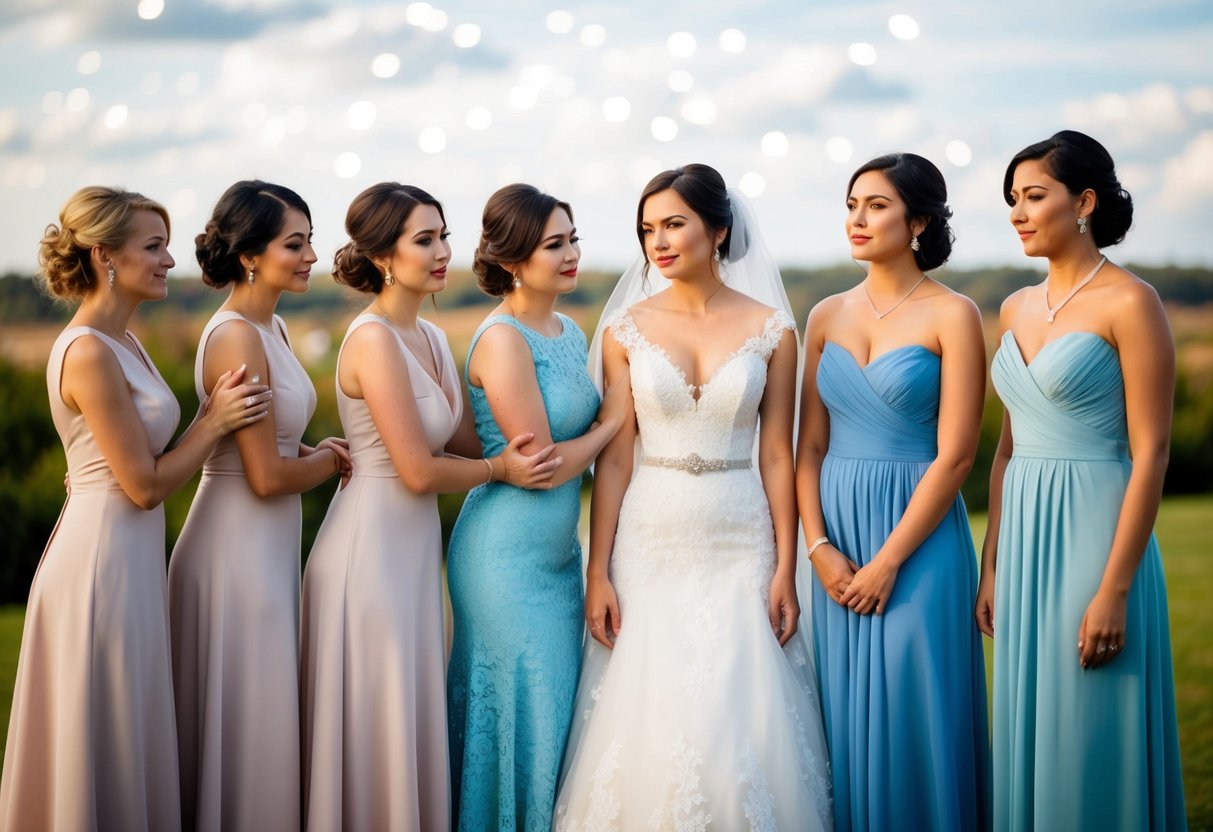
If you choose not to be a bridesmaid, you can still play a significant role in the wedding experience. Your support can shine through in various ways that don’t require you to be part of the bridal party.
Participating in Pre-Wedding Events
Pre-wedding events are great opportunities for you to show your support. You can attend the bridal shower and help the bride enjoy her special day. Bringing a thoughtful gift or helping organize activities can mean a lot.
Consider hosting small gatherings like a bachelorette party. Even if you’re not a bridesmaid, inviting friends for dinner or a fun outing allows you to be involved. You can also help with planning by sharing ideas or providing a venue.
Your participation can make these events memorable for everyone. Simple gestures like sending reminders or helping with decorations can also ease the planning stress.
Offering Help in Wedding Festivities
During the wedding festivities, there are plenty of ways you can contribute. You can help set up decorations or arrange seating.
If the couple has a wedding party, you might offer to manage some tasks that free up the bridesmaids. This could include coordinating with vendors or setting up the gift table.
You can also play a role during the reception. Assisting with guest check-in or ensuring the music is playing on time can make the day run smoothly.
Your presence and support can bring joy to the couple, even if you’re not in the bridal party. Being there in any capacity shows you care and enhances the celebration.