
Is It Rude to Wear the Wedding Colors as a Guest? Understanding the Etiquette
Attending a wedding comes with an unspoken set of rules, especially when it comes to your outfit. You may wonder if wearing the wedding colors as a guest is appropriate. In most cases, wearing the same colors as the wedding party is best avoided. This prevents confusion and maintains a respectful atmosphere.
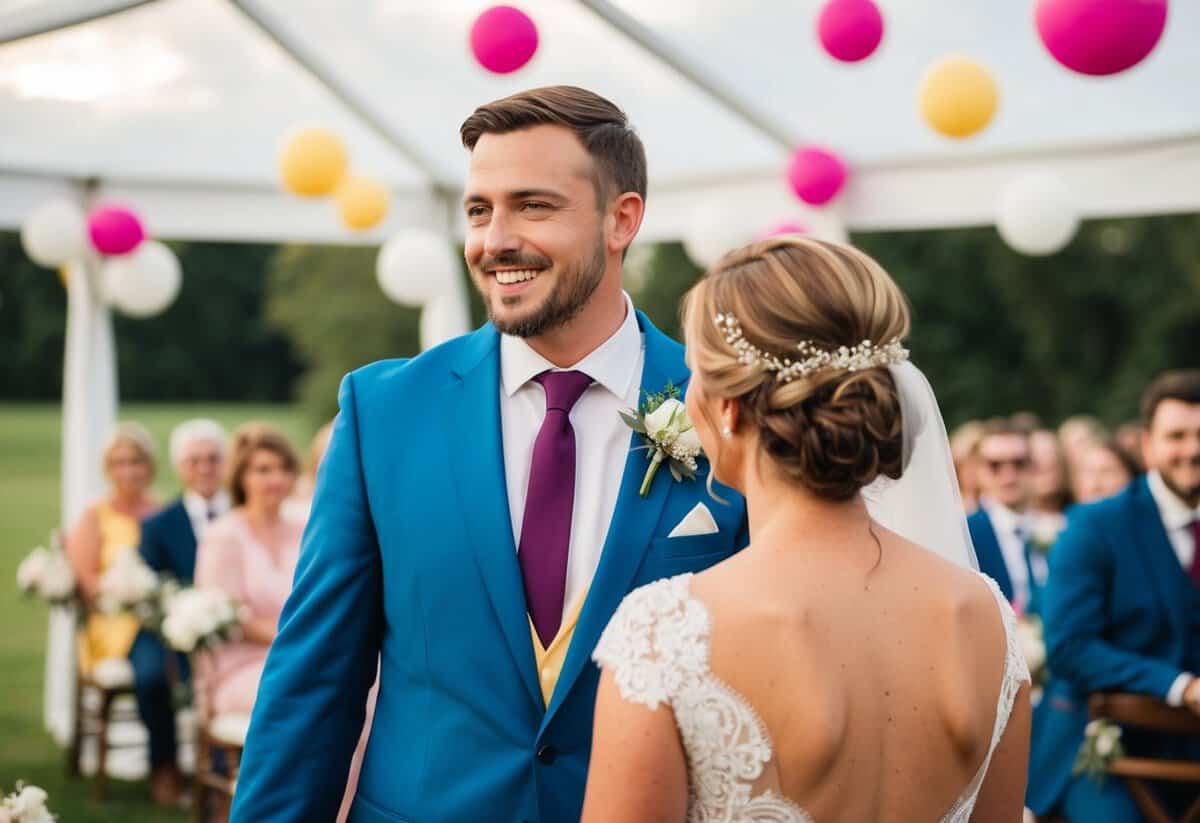
Brides and grooms often choose special colors that reflect their style and theme. By wearing those colors, you might unintentionally take attention away from them. Knowing what to wear can help you navigate wedding guest etiquette and ensure that you feel comfortable and confident.
While it can be tempting to coordinate your outfit with the wedding colors, consider opting for complementary shades instead. This way, you can still look stylish without overshadowing the couple on their big day.
Understanding the Wedding Dress Code
When attending a wedding, it’s important to recognize the dress code. This influences what you wear and helps you avoid any missteps, including wearing similar colors to the wedding party. Different dress codes can reflect the couple’s style and setting.
Formal vs. Casual Attire
Understanding the difference between formal and casual attire is key. Formal weddings might require you to wear a long gown or a tuxedo. This shows respect for the couple’s special day.
Casual attire, on the other hand, is typically more relaxed. You might wear a nice dress or slacks and a polo. No matter the dress code, consider the venue and the couple’s preferences in your choice of outfit.
Interpreting the Invitation
The invitation often provides clues about the dress code. It may clearly state whether the event is formal, semi-formal, or casual. Pay attention to the wording. Phrases like “black tie” signal a need for a tuxedo or an elegant gown.
If the invitation doesn’t specify, you can ask the couple or a member of the wedding party for guidance. This helps ensure you choose the right attire and feel comfortable at the event.
Cultural Considerations
Different cultures have unique expectations for wedding attire. Researching these customs can be important. For example, in some cultures, guests might avoid wearing white as it’s reserved for the bride.
It’s also respectful to consider traditional attire that reflects the couple’s heritage. This shows appreciation for their background and ensures your outfit aligns with their values.
Choosing Appropriate Colors
Selecting the right colors for a wedding can feel challenging, especially when you want to show respect to the couple’s special day. It’s important to understand the significance of color choices, know which colors to avoid, and find shades that complement the wedding theme.
The Significance of Color Choices
Colors can hold deep meanings and reflect personal styles. When choosing what to wear, think about how colors relate to the wedding’s theme. For instance, soft pastels or earthy tones are often safe and stylish options. Neutral shades like beige or light gray can complement various wedding decor without drawing too much attention away from the couple.
Avoid any shades that might upset the couple, particularly if they have chosen specific colors for their day. This consideration shows that you value their celebration and reduces the risk of looking too much like part of the wedding party.
Colors Traditionally Avoided by Guests
Certain colors tend to be off-limits for wedding guests. White is widely accepted as a color to avoid because it traditionally belongs to the bride. Similarly, ivory and champagne are often seen as similar to white, so it’s best to steer clear of these shades too.
Black, while once considered a no-go, is now more acceptable at many weddings, depending on the couple’s style. However, it’s wise to check if there are any specific guidelines from the couple about colors to avoid.
Neon and overly bright colors can be a distraction. You don’t want to compete with the bridal party, so opt for subtler shades when possible.
Selecting Complementary Colors
Finding the right balance is key when selecting colors to wear. Look at the wedding’s theme and the couple’s chosen colors. Jewel tones, like emerald or sapphire, often work well for evening weddings, while bright colors can be playful for daytime celebrations.
Consider choosing colors that fit with the season, too. Earth tones are lovely for fall, while softer pastels shine in spring. When in doubt, keep it simple. Harmonic combinations, such as wearing neutral tones with a pop of color, can be both respectful and stylish.
Unspoken Rules of Wedding Guest Fashion
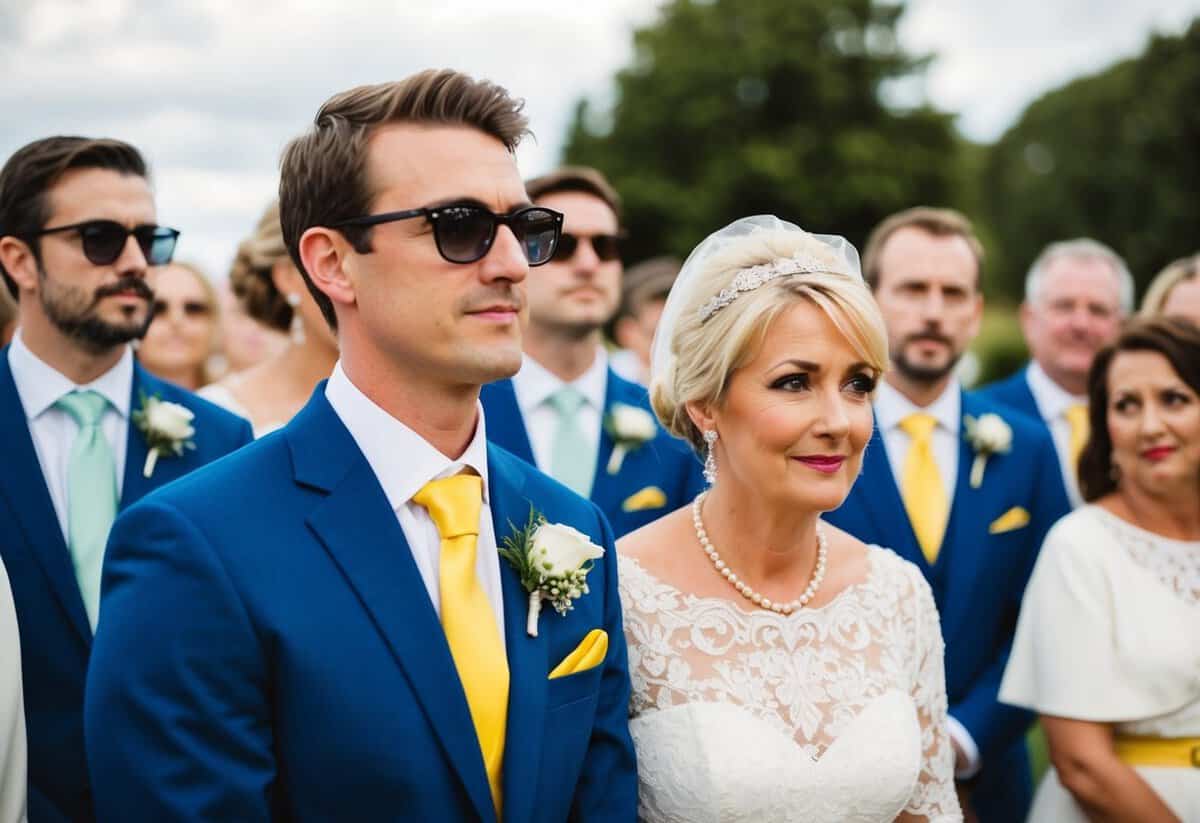
When attending a wedding, understanding the unspoken rules of guest attire is crucial. From color choices to pattern selections, knowing these guidelines helps you respect the couple’s big day while looking your best.
Why White Is Off-Limits
Wearing white to a wedding is universally considered inappropriate. This rule exists to ensure the bride stands out on her special day. You should avoid any outfits that are predominantly white, cream, or ivory.
It’s not just about avoiding a color; it’s about respecting the couple’s wishes. Even if the wedding theme includes white, you should choose another shade. This maintains a clear distinction and avoids any possibility of stealing the spotlight.
The Debate Over Black and Denim
Wearing black to weddings has become more accepted in recent years. Many couples now embrace black attire, especially for evening events. If you decide to go with black, ensure your outfit is elegant and not too casual.
Denim, on the other hand, is often a gray area. It may be suitable for outdoor or casual weddings, particularly if specified in the invitation. For a more formal affair, steer clear of denim altogether. Always consider the wedding’s formality before making your choice.
Guidelines for Patterns and Prints
When it comes to patterns and prints, it’s best to err on the side of caution. Bold and flashy prints can distract from the ceremony and may not be appreciated by the couple. Choose more subtle patterns that won’t draw too much attention.
Additionally, consider the bridal party colors. If you know the bridesmaid dress colors, avoid wearing something similar. This could create confusion about your role at the wedding. It’s all about supporting the couple and celebrating their union in the best way possible.
Accessorizing Your Outfit
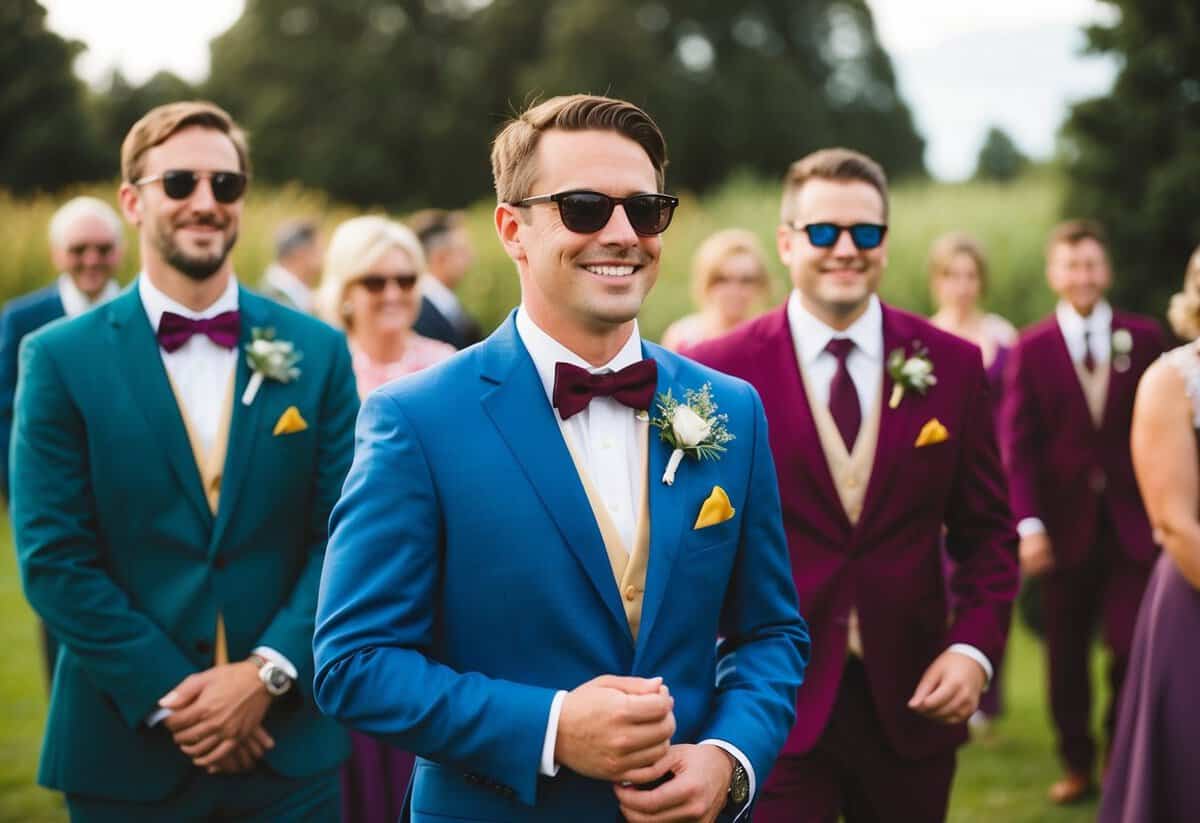
Accessorizing your outfit for a wedding is a great opportunity to show your style while complementing the celebration. Choosing the right jewelry and outerwear can help you look polished without upstaging the wedding party.
Selecting Suitable Jewelry and Accents
When picking jewelry, aim for pieces that enhance your outfit without overwhelming it. If you’re wearing a dress in neutral tones, consider adding pops of color with jewelry in jewel tones. This can help elevate a simpler outfit.
Keep your accessories balanced. For example, if your dress is bold, opt for minimalist jewelry. Conversely, a simple dress can benefit from statement pieces. Don’t forget to think about accents like a clutch or stylish shoes to tie everything together.
Outerwear Considerations
Weather can be unpredictable, so you should consider how outerwear fits into your wedding outfit. A chic denim jacket can add a casual touch to a more formal ensemble. It works well with dresses, especially in more relaxed wedding settings.
If the wedding is more formal, look for wrap or bolero jackets in darker hues. These can keep you warm during the evening without clashing with wedding party attire. Remember, outerwear should enhance your look, so choose styles that align with your overall outfit. This will ensure you’re comfortable throughout the celebration.