
Is It Weird to Not Have Your Dad Walk You Down the Aisle? Exploring Alternative Traditions
As you plan your wedding, you might wonder about the traditional moment of walking down the aisle with your dad. It’s perfectly okay if you don’t want your dad to walk you down the aisle. Many factors can shape this decision, from personal feelings and family dynamics to choosing someone else who plays a significant role in your life.
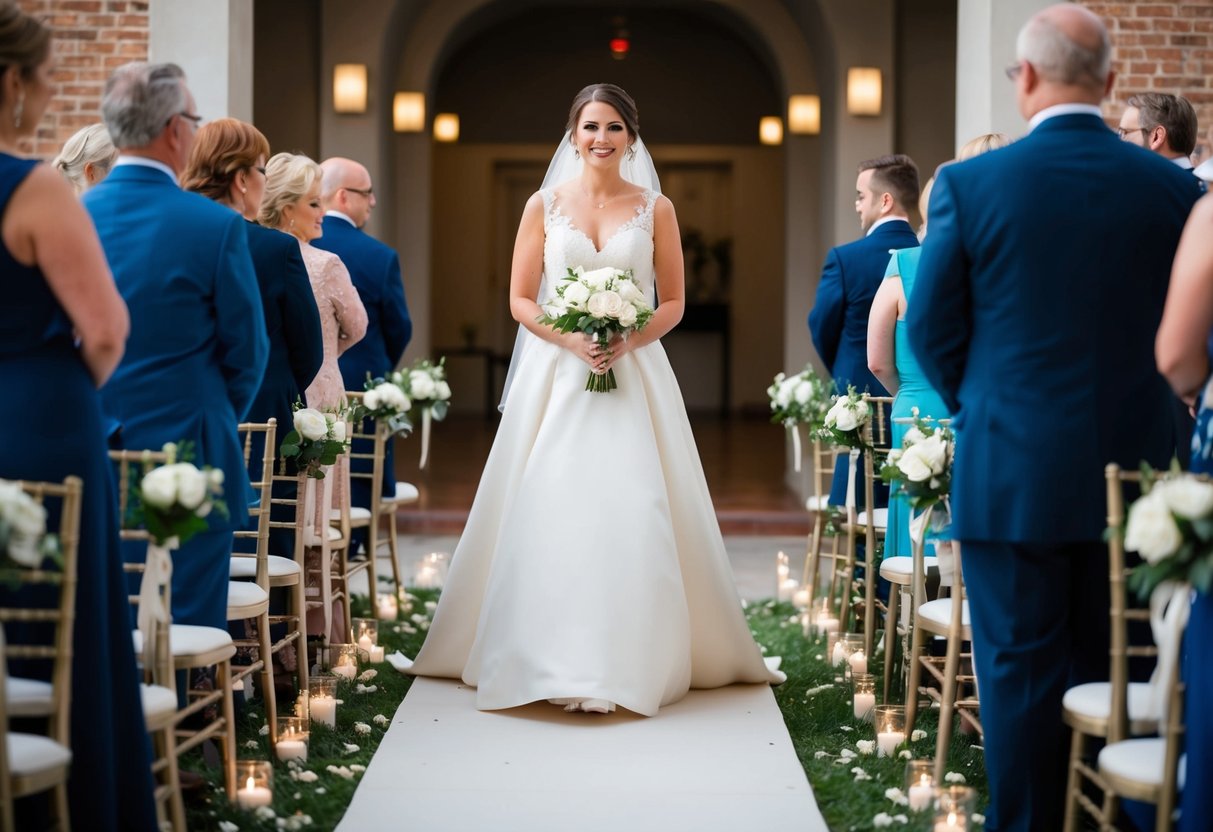
The aisle walk is a cherished tradition, usually signifying a father’s support as you start a new chapter. However, if your relationship with your dad isn’t strong, or if he’s not a part of your life, you have plenty of other options that can make your entrance meaningful.
You can choose another family member, a close friend, or even take the walk solo to reflect your personal journey and choices.
Exploring alternatives can make your wedding day even more special and true to who you are. Embracing the choice that feels right for you is what matters most in wedding planning, ensuring that your big day is a reflection of your unique story and the bonds that mean the most to you.
Redefining Tradition: Choosing Who Walks You Down the Aisle
Choosing who walks you down the aisle is a personal decision that reflects your values and relationships. It’s important to think about what makes you feel supported and loved during this special moment.
Personalizing Your Aisle Experience
Your wedding day should feel true to you. Many people are choosing to personalize their aisle experience. This can mean having someone special walk with you, like a sibling, grandparent, or friend.
If you have two moms, you might consider having both of them escort you. This can symbolize the love and support from both parents. Discuss your options with those you care about. It’s essential that whoever walks you down the aisle is someone who uplifts you and shares in your joy.
Alternatives to the Traditional Father Escort
If the traditional route doesn’t resonate with you, you have many alternatives. For some, it’s about creating a new path. Perhaps you want a close friend or a mentor to accompany you. This choice can add a unique touch to your ceremony.
You can also consider walking down the aisle solo. Some brides find empowerment in making that walk by themselves. This highlights your independence and personal journey. No matter who you choose, what matters most is that it feels right for you.
The Role of the Father of the Bride in Modern Weddings
In today’s weddings, the father of the bride holds an important but evolving role. This role has roots in historical customs but is now shaped by modern values and personal choices.
Historical Context
Traditionally, the father of the bride walked his daughter down the aisle. This act symbolized his approval and support for her marriage. It marked a significant transition, showing that the bride was moving from one family to another.
In many cultures, this moment was also about the father giving away his daughter, often reinforcing social and family ties. While this custom is still practiced, it now reflects more than just tradition; it also celebrates love and partnership.
Contemporary Perspectives
Today, the father’s role in weddings can look quite different. Many brides feel empowered to choose who walks them down the aisle—whether it’s their father, stepfather, or even a close friend.
This flexibility shows a shift in values, emphasizing personal choice over tradition. Aspects like emotional support and guidance remain key responsibilities for fathers.
In modern weddings, the father of the bride may also take part in planning and helping create memorable moments. This involvement highlights a nurturing bond that goes beyond the ceremony, allowing fathers to play a key role in their daughter’s happiness.
Navigating Family Expectations and Emotions
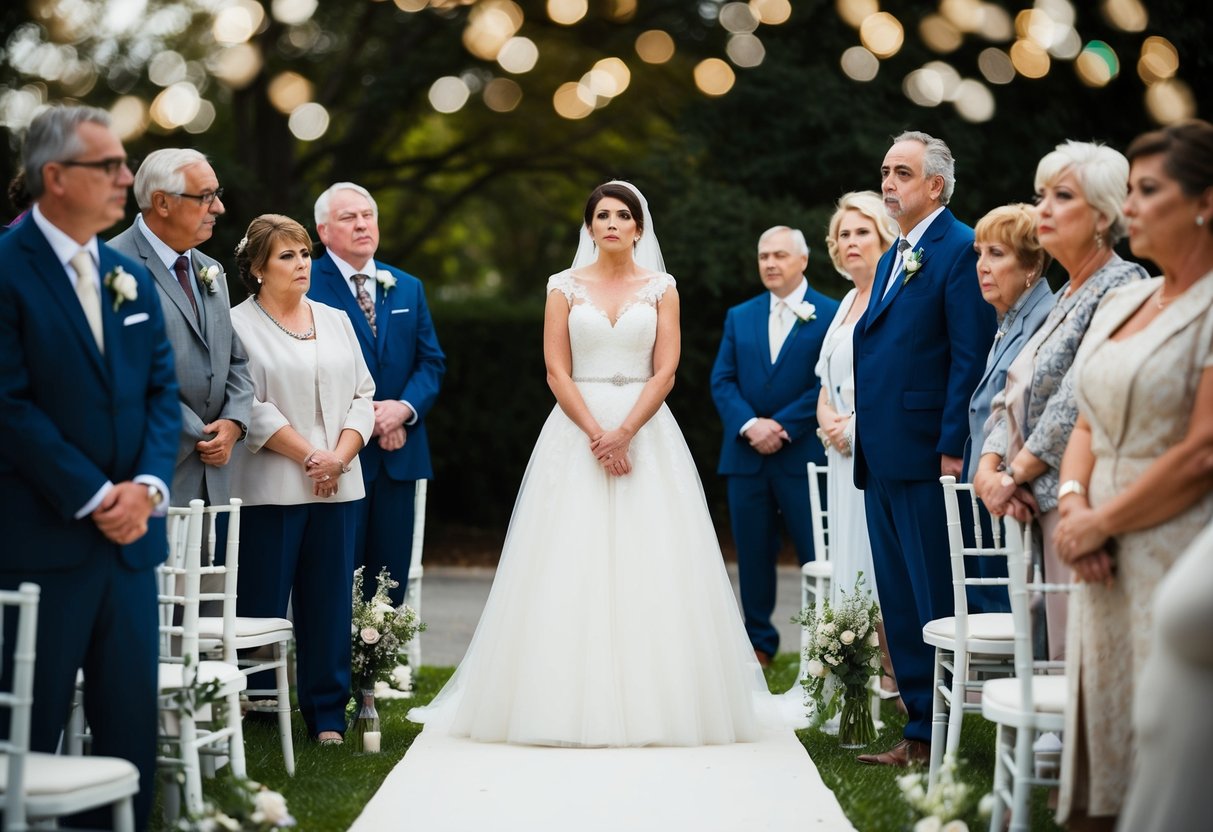
Weddings can bring up many feelings, especially regarding family dynamics. Understanding how to handle these emotions is important for a smooth wedding planning experience.
Handling Potential Family Challenges
Family challenges may arise when you make nontraditional choices for your wedding. If your dad is not walking you down the aisle, be prepared for mixed reactions. Some might feel disappointed while others may support your decision.
Consider what your family values are. If your choice doesn’t align with their beliefs, try to approach the topic gently. Be clear about your feelings and explain why this decision is meaningful to you.
Setting boundaries can also be crucial. If someone challenges your choices, remind them that this is your special day. Focus on building a supportive environment where your wishes are respected.
Communicating Your Decisions
How you communicate your choices is key to navigating family expectations. Start by talking to close family members individually. Share your perspective and the reasons behind your decision.
Using “I” statements can help. For example, saying “I feel that…” makes it personal and less confrontational.
Also, allow space for their feelings. They may need time to process your decision.
Consider writing a letter or email if face-to-face conversations are too complicated. This gives you time to express your thoughts clearly.
Ultimately, keeping an open dialogue helps maintain family relationships while allowing you to stay true to yourself.