
Is It Worth It to DIY Wedding Flowers? A Guide to Saving Money and Adding Personal Touches
When planning your wedding, you may wonder if DIY wedding flowers are the right choice for you. Making your own flowers can save money, but you need to weigh the time and effort you’ll need to invest. Many couples enjoy the personal touch and creativity that comes with DIY projects, but it’s not for everyone.
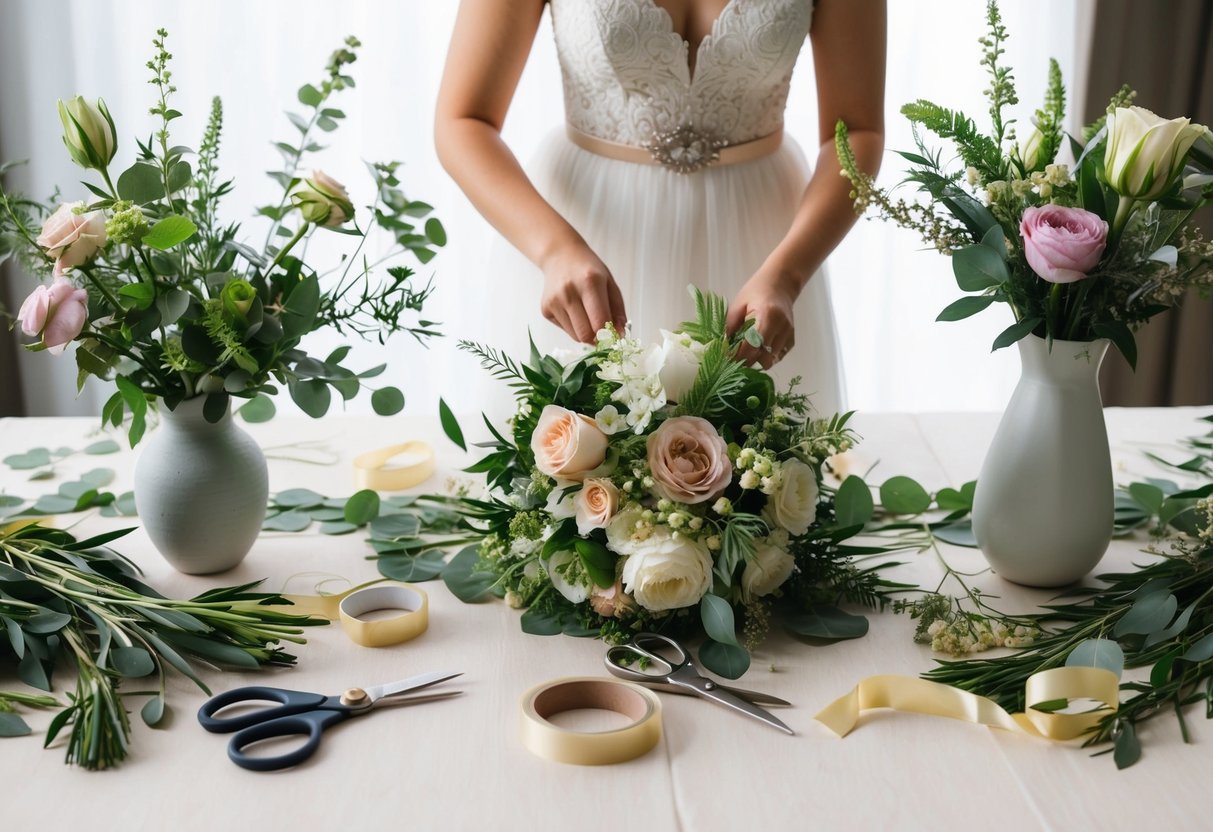
If you’re considering this option, think about your skills and the help you can gather. Many people who have tried DIY flowers report mixed feelings, with some loving the experience and others regretting it as they felt overwhelmed. It’s essential to find what works best for you and your vision.
By exploring the pros and cons of DIY flowers, you’ll gain insight into whether it’s a good fit for your special day. Whether you’re dreaming of lush centerpieces or simple bouquets, knowing what to expect can help you make the right choice.
Assessing Your DIY Skills and Creativity
When planning to create your own wedding flowers, it’s important to evaluate your skills and creativity. Understanding floral arrangements and knowing your craftsmanship level will help you decide if DIY is the right choice for you.
Understanding the Basics of Floral Arrangements
Start by learning the fundamentals of floral design. Familiarize yourself with different types of flowers and their colors. Research how to combine them effectively.
- Color Harmony: Choose colors that complement your wedding theme.
- Flower Types: Consider seasonal flowers for availability and cost.
- Arrangement Styles: Explore bouquets, centerpieces, and corsages.
You can find many online tutorials and videos to guide you. Practice making simple arrangements before the big day. This hands-on experience helps boost your confidence and creativity with DIY wedding flowers.
Evaluating Your Craftsmanship Level
Next, assess your crafting skills. Consider past projects you’ve completed. Have you worked with floral materials before?
- Comfort Level: Are you comfortable handling scissors, wires, and foam?
- Detail Orientation: Do you pay attention to small details and symmetry?
- Time Management: Can you allocate time for practice and final arrangements?
It’s okay if you’re not a professional. Many couples successfully create stunning DIY floral arrangements by following tutorials and investing time in practice. Assessing your skills will guide your choices and help ensure a successful DIY wedding flower experience.
Planning and Purchasing Your Floral Supplies
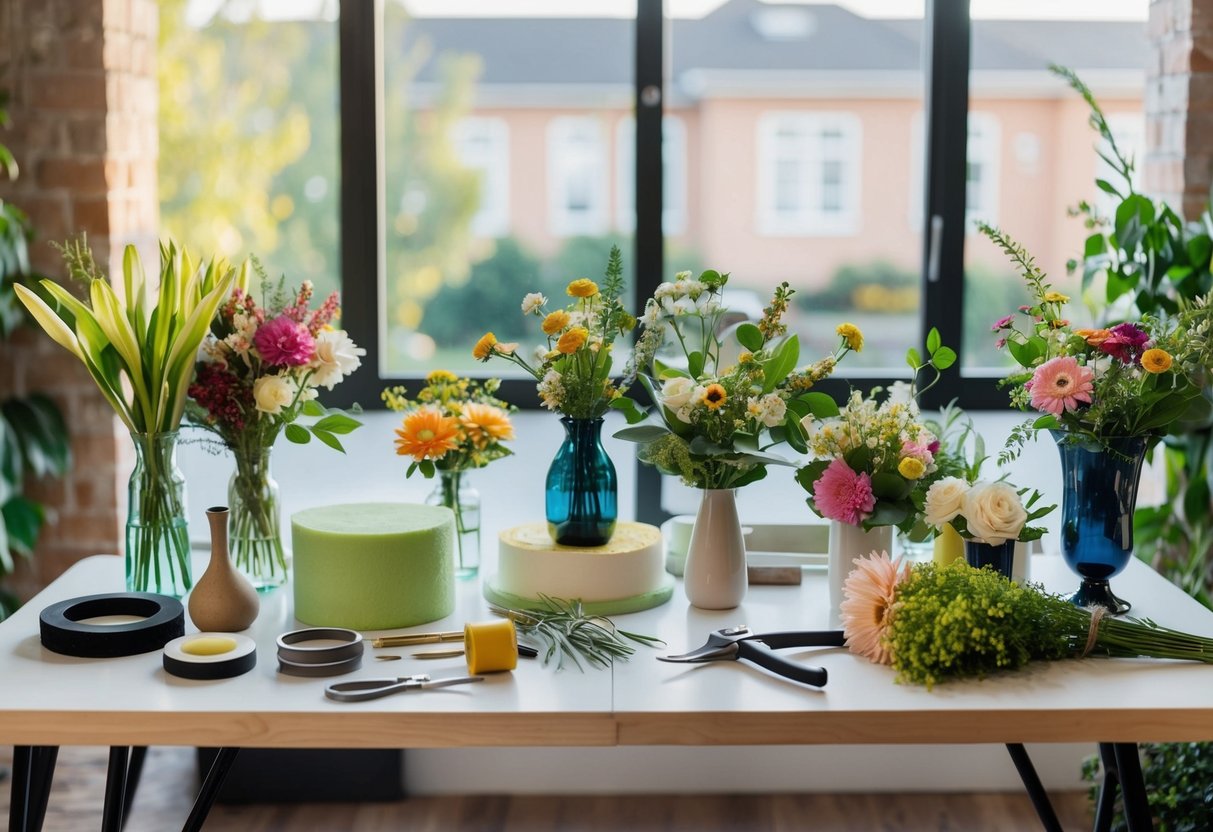
When planning your DIY wedding flowers, it’s important to think carefully about where to buy your supplies and what you will need. Arranging your flowers effectively can save you time and ensure that your wedding blooms are beautiful.
Navigating the Flower Market
Visiting your local flower market can be a fun experience. You can find a wide variety of flowers, often at lower prices than retail stores. Look for seasonal blooms, as they tend to be fresher and more affordable. Don’t hesitate to ask the vendors questions about the flowers’ care and longevity.
Make a list of the types of flowers you want before you go. This can help you stay focused and avoid overspending. You might also find options for bulk buying, which can save you money if you need many flowers. Keep your budget in mind as you shop.
Tools and Materials Needed for Floral Design
To create beautiful arrangements, you’ll need some basic tools and materials. Here is a list of essentials:
- Floral foam: This helps keep your flowers in place and hydrated.
- Floral wire: Useful for securing stems and creating structure in arrangements.
- Floral tape: This helps bind stems together and can give a neat finish.
In addition, consider having floral scissors or snips for cutting stems. A sturdy work surface will make your arranging process smoother. Having these tools ready will make your floral journey easier and more enjoyable.
Selecting Your Wedding Florals
Choosing the right flowers is crucial for your wedding’s theme and colors. Start by thinking about your color palette. Flowers like roses, lilies, and sunflowers can fit different styles and vibes.
Make sure to pick blooms that will last throughout your event. Keep in mind the size and shape of your arrangements, which will dictate how many flowers you’ll need. It’s a good idea to create a mood board for inspiration.
You might also want to consider filler flowers like baby’s breath or greenery to complement your main choices. A mix of types not only adds texture but also helps keep costs down. Enjoy the process of selecting flowers that speak to you!
Designing Your Floral Arrangements
Creating your own wedding floral arrangements can be both fun and rewarding. You can personalize your designs to match your wedding theme while saving money. Here’s how to craft beautiful bridal bouquets, table centerpieces, and additional wedding florals.
Crafting Bridal Bouquets
Your bridal bouquet is a central piece of your wedding. To start, select flowers that reflect your style and color scheme. Popular choices include roses, peonies, and lilies.
Steps to create your bouquet:
- Choose a Base: Start with greenery like eucalyptus for a nice backdrop.
- Layer Your Flowers: Arrange your chosen blooms by layering them. Place larger flowers in the center.
- Secure and Wrap: Use floral tape to hold the arrangement together and wrap the stems with ribbon for a polished look.
Don’t forget to consider the size and weight. You want something easy to hold throughout the day!
Creating Table Centerpieces
Table centerpieces add charm to your reception. For a budget-friendly approach, combine smaller arrangements or use a few larger displays.
Ideas for centerpieces include:
- Mason Jars: Fill them with wildflowers for a rustic touch.
- Candles and Flowers: Place flowers around candles for a romantic glow.
- Height Variation: Use different heights for visual interest. Taller arrangements can sit on stands while smaller ones can rest directly on the table.
Make sure to create centerpieces that don’t obstruct conversation. Keep arrangements low or use a mix of heights.
Additional Wedding Florals
Consider other floral elements to enhance your wedding decor. Flowers can be used in various ways to tie everything together.
Think about these options:
- Ceremony Arches: Decorate with flowers to frame your vows beautifully.
- Boutonnieres and Corsages: Small arrangements for the groom and family members can create a cohesive look.
- Aisle Decorations: Line the aisle with petals or small bouquets for added charm.
With thoughtful planning, these additional florals can elevate your wedding’s aesthetics and make everything feel special.
Comparing DIY to Professional Florists
When deciding between DIY wedding flowers and hiring a professional florist, it’s important to look at the costs and how much time each option requires. Both choices come with advantages and challenges that can impact your wedding day.
Cost-Benefit Analysis
Choosing to DIY your wedding flowers can save you money. You can buy flowers in bulk and create your own arrangements. This option often costs less because you’re avoiding labor costs. However, remember to factor in expenses for tools, vases, and other supplies.
On the other hand, hiring a professional florist may seem pricier but often includes perks like expertise and reliability. A florist can provide the right flowers that suit your vision while also considering seasonality and sourcing. Plus, if you hire a florist, you can avoid potential mistakes that could cost you more in the long run.
Time Investment Versus Hiring a Professional
Creating your own wedding flowers can be fun, but it also takes a lot of time. You’ll need to budget hours for planning, shopping, and assembling arrangements. If you’re busy with wedding planning, finding that time can be tough.
In contrast, professional florists handle everything for you. They know how to execute your vision, saving you time and stress. With a florist, you can enjoy the process and focus on other important details, knowing the flowers will be taken care of. Hiring a florist allows you to relax and fully enjoy your special day.