
Is the Bride Expected to Pay for Bridesmaid Dresses? Understanding Wedding Etiquette
As you prepare for a wedding, you might wonder about the costs associated with being a bridesmaid. Traditionally, bridesmaids are expected to pay for their own dresses, which can range significantly in price. Many brides plan to have their attendants wear specific styles or colors, adding to the financial commitment for those in the wedding party.
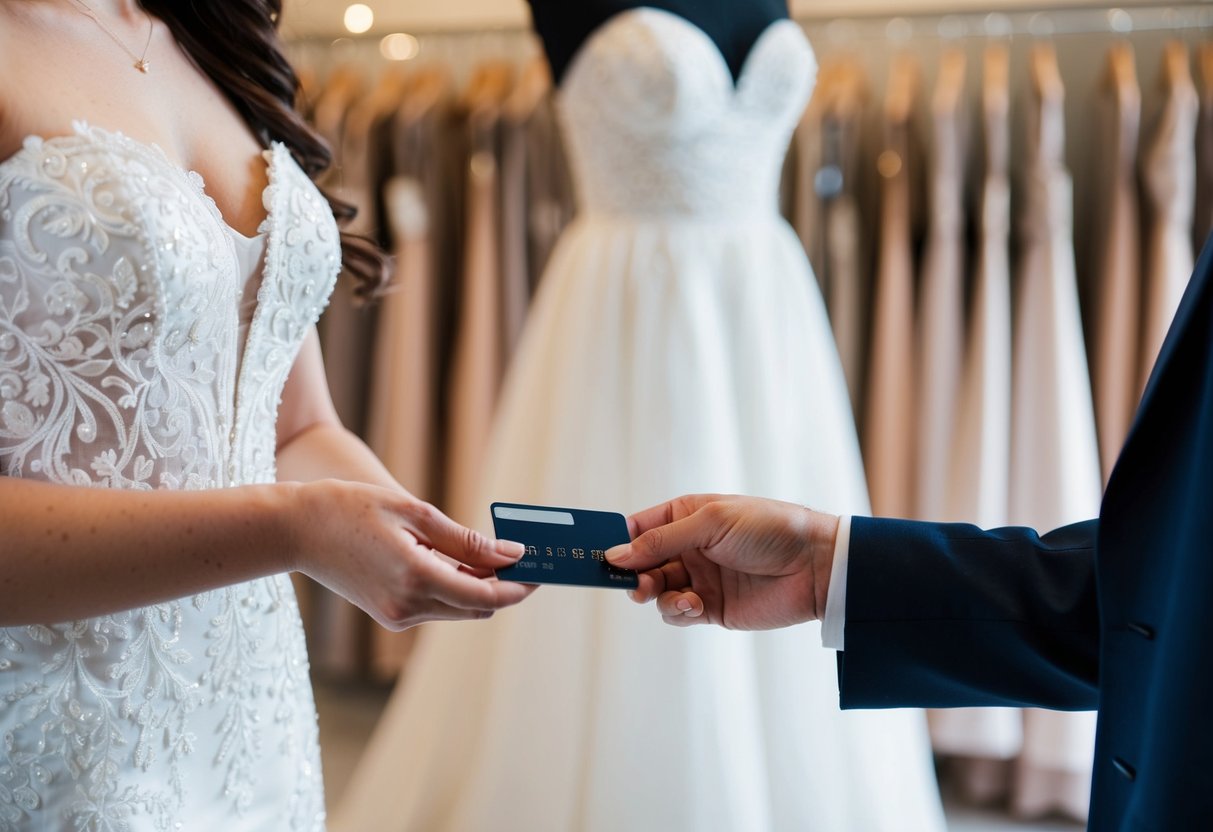
While bridesmaids usually cover their dress costs, some couples choose to break from tradition. In these cases, a bride might decide to pay for her bridesmaids’ dresses, especially if she has specific styles in mind. Understanding the varying expectations around this can help you navigate wedding etiquette with ease.
As you dive into this topic, you’ll find insights on how costs are typically shared in different regions, what factors influence who pays, and tips for having conversations about finances with the bride. This information can help clarify your role and ensure a positive experience for everyone involved.
Understanding Wedding Etiquette
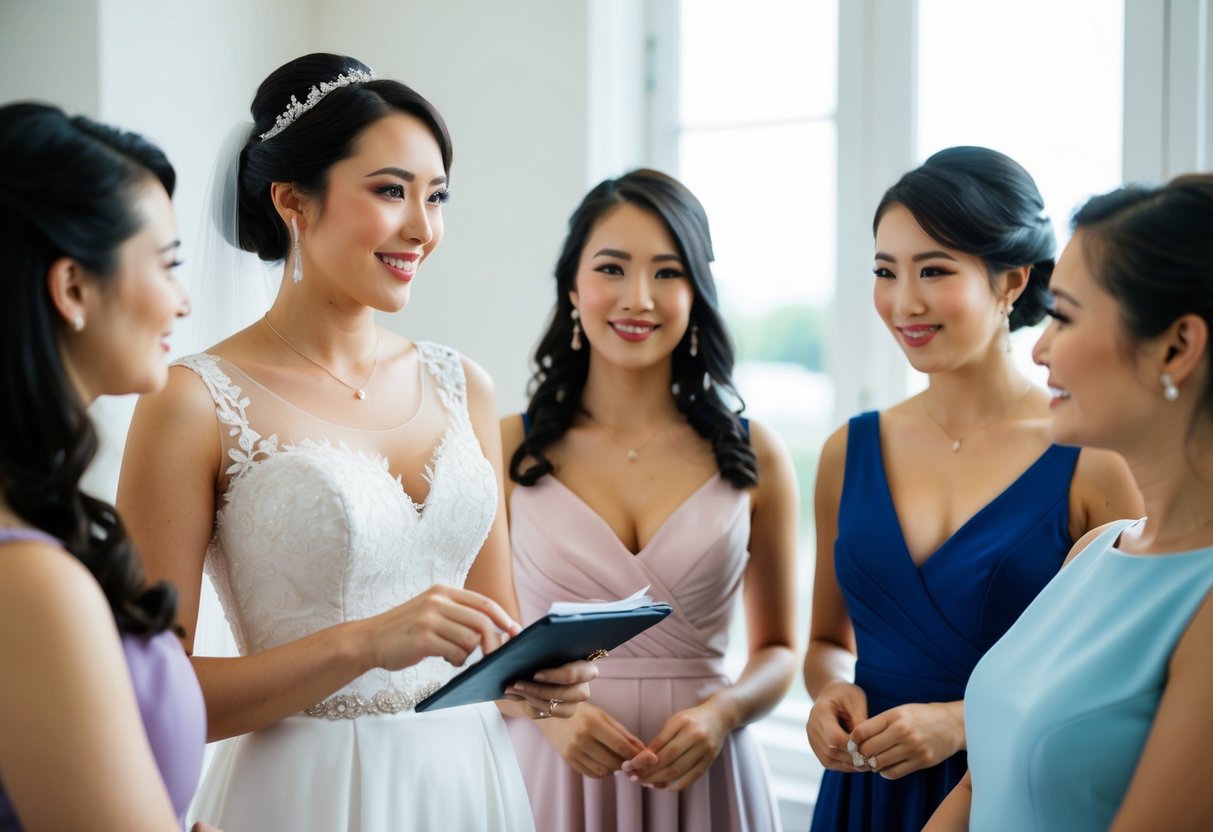
Wedding etiquette helps navigate the sometimes tricky world of wedding responsibilities. Knowing who pays for what can make planning smoother for brides and bridesmaids alike. Understanding traditions and modern trends can help you feel more prepared for the big day.
Who Pays for What?
In many wedding situations, costs are divided among the couple and their families. Traditionally, the bride covers the expenses for bridesmaids’ dresses. This includes selecting and purchasing the dresses. In some cases, bridesmaids might be expected to pay for their own attire.
It’s important to communicate early. Discussing financial responsibilities can help avoid surprises later. How much bridesmaids contribute can vary greatly by culture, location, and personal agreements.
Bridesmaid Dress Traditions
In cultures like the United States and Canada, the bride pays for the bridesmaid dresses. This helps alleviate the financial burden on those who support her. In contrast, in countries like the UK and Ireland, bridesmaids often pay for their own dresses.
The cost of bridesmaid dresses can range significantly, usually falling between $100 to $500. To help manage expenses, many brides choose more budget-friendly options. This could include renting dresses or selecting styles that can be worn again.
Modern Wedding Etiquette Trends
In recent years, the norms around who covers the cost of bridesmaids’ dresses have begun to shift. Open discussions about finances have become more common. Couples may also consider their friends’ financial situations when selecting attire.
Brides today might offer to share costs or provide guidelines for a dress budget. Encouraging bridesmaids to find dresses within the same color scheme can promote unity without breaking the bank. This modern approach allows for creativity and inclusiveness, making the wedding a more enjoyable experience for everyone involved.
The Cost of Being a Bridesmaid
Being a bridesmaid can bring joy, but it also comes with some costs that can add up quickly. From dresses to travel, it’s important to know what to expect.
Breaking Down Bridesmaid Expenses
When you agree to be a bridesmaid, you should prepare for several expenses. The most significant cost is usually the bridesmaid dress. On average, you might spend between $150 and $300 on this attire. Bridesmaids often pay for their own dresses, but some brides might contribute or choose less expensive options to ease the financial burden.
Additionally, you might need to buy shoes, accessories, and sometimes even matching jewelry. These extra items can quickly add another $50 to $150, depending on your choices. Being part of pre-wedding events also incurs costs, such as gifts for the bride or attending bridal showers.
Hair and Makeup Considerations
Another major expense that comes with being a bridesmaid is hair and makeup. Many bridesmaids choose to have their hair styled and makeup done professionally. On average, you might spend around $72 for hair and about $60 for makeup services.
If the bride offers flexibility, you could also do your hair and makeup yourself or coordinate with friends for a DIY approach. This can save money but might require more planning and skill. Remember to account for any products you may need to purchase or bring along.
Travel and Accommodations
If the wedding is out of town, travel and accommodations can be significant expenses. Consider the cost of transportation to the wedding venue, whether by car or plane. You may also need to book a hotel room for a night or two.
These costs can range widely based on distance and location. A weekend trip might cost you anywhere from $100 to $500 or more, including room and board. If you’re driving, budget for gas and any tolls along the way. Make sure to discuss travel plans with other bridesmaids to coordinate and share costs when possible.
Bridesmaid Dress Options and Selection
Choosing the right bridesmaid dress can be a fun yet challenging task. You need to balance style, preferences, and budget. It’s important to consider the various options available and how costs may impact your wedding party.
Dress Styles and Budget
When selecting bridesmaid dresses, there are plenty of styles to choose from. Think about the theme of your wedding. Popular options include:
- A-line: Flattering for all body types, this style is fitted at the top and flows out.
- Fit and Flare: This style hugs the body and flares out at the knee, offering a fun silhouette.
- Maxi Dresses: Ideal for outdoor weddings, these long dresses provide a romantic vibe.
While styles are essential, budget plays a key role. Typical bridesmaid dresses can cost between $100 to $500 or more. Try to select options that reflect both your style and the comfort level of your bridesmaids. Open communication about dress costs is vital to ensure everyone is on the same page.
Bridesmaids Pay For Their Own
Tradition often holds that bridesmaids are responsible for their own dress costs. While this can vary based on the couple and their preferences, it’s a common expectation. This means you should consider affordability.
If you’re choosing more luxurious dresses, discuss the budget openly. Consider ways to ease the financial burden. For instance, you might opt for dresses in the same color but from different stores to save money.
Also, encourage your bridesmaids to look for sales. Many retailers offer seasonal discounts. Allow your friends to feel valued without stressing over finances. Open conversations will help maintain harmony within your wedding party.
Managing Wedding Expenses
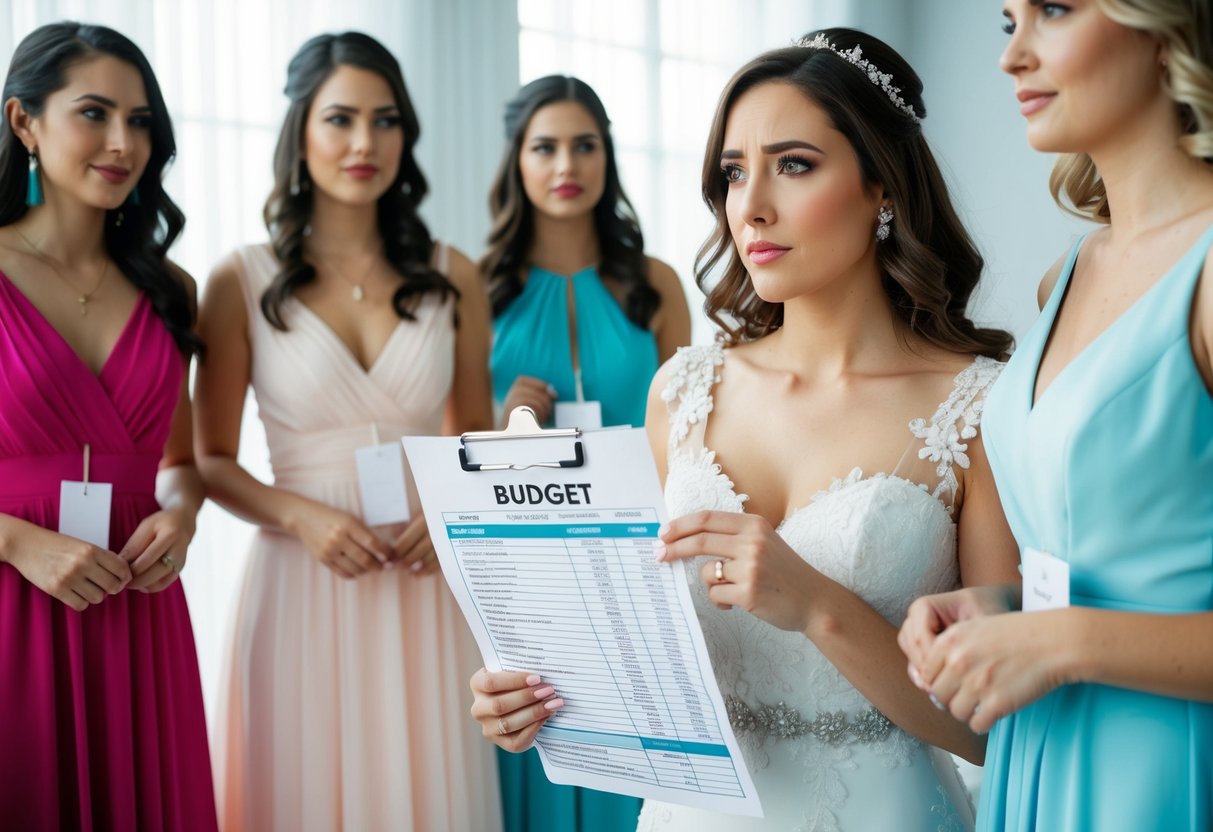
Managing wedding expenses is essential for a smooth planning process. Understanding how to allocate your budget, as well as what financial contributions are typically expected, can help you and your bridal party prepare better.
Allocating the Wedding Budget
Start by deciding how much you can spend on your wedding. Make a detailed list of all expenses like venue, catering, and attire. Don’t forget to include smaller costs like floral arrangements and decorations.
You might consider breaking down your budget into categories. Here’s a simple way to organize:
- Venue costs
- Food and drinks
- Attire (including bridesmaid dresses)
- Decorations and floral arrangements
- Miscellaneous expenses
Once you know your total, you can see how much to allocate for each section. This will also help in discussions with your bridal party about who pays for what.
Wedding Gifts and Financial Contributions
Bridesmaids commonly contribute financially. Make sure to communicate this openly. This includes costs for their dresses and accessories.
Some may choose to give gifts instead of covering costs. A thoughtful gift can still show support without adding financial strain.
Consider creating a group fund where everyone contributes a set amount. This makes it easier to manage costs like floral arrangements and gifts for parents or the couple.
Being open about expenses keeps your wedding planning friendly and stress-free.