
Is the Bride Supposed to Buy the Wedding Band? Understanding Traditions and Expectations
When planning a wedding, questions about traditions can pop up, especially regarding who buys the wedding bands. Traditionally, the bride is expected to purchase the groom’s wedding band. This practice can add a personal touch to this meaningful gesture. This practice has evolved over the years, sparking discussions about roles and responsibilities in modern relationships.
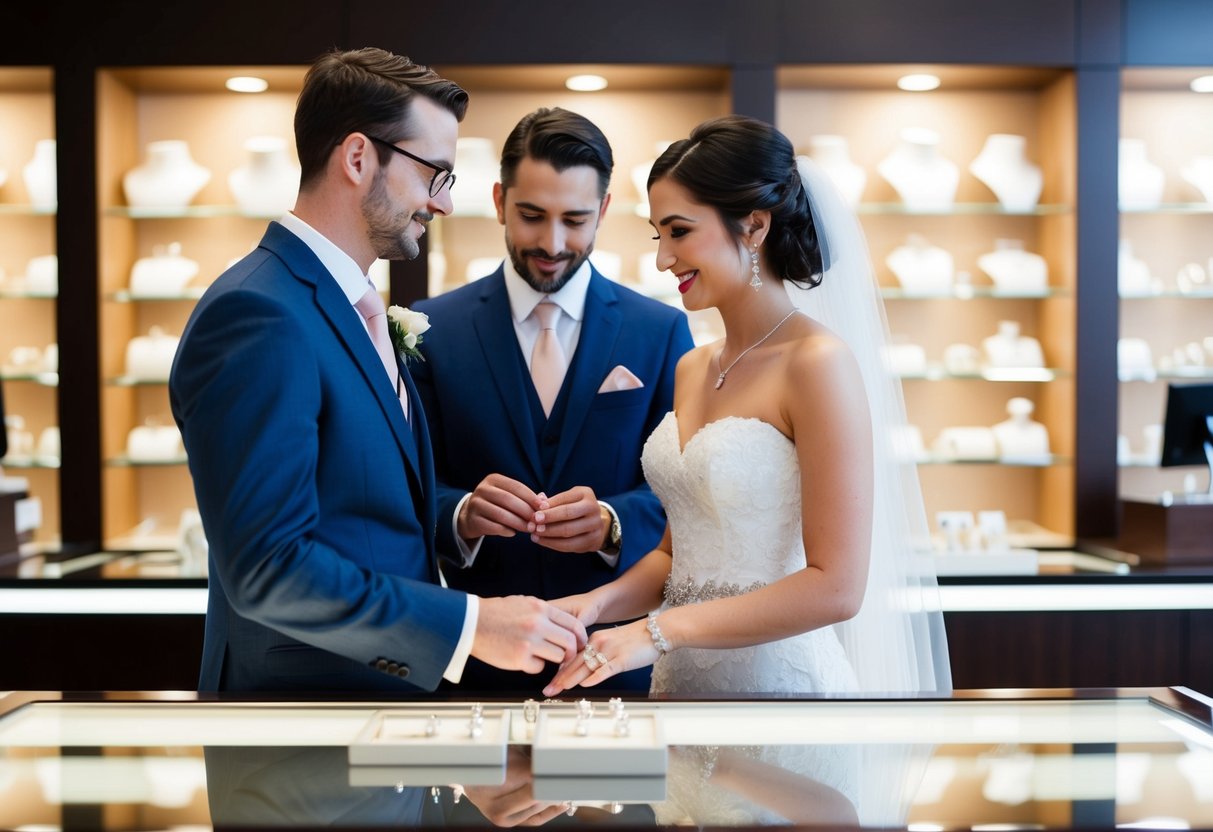
If you’re curious about how this tradition fits into today’s world, you’re not alone. Many couples are exploring ways to balance customs with their personal preferences, making the process both exciting and unique. Understanding the origin of these traditions can help you decide what feels right for you and your partner.
As you dive into this topic, you’ll discover various perspectives on wedding band purchases. Whether you want to stick to tradition or create your own path, knowing the options available can help you make informed choices as you prepare for your special day.
Understanding Wedding Band Traditions
Wedding bands hold a special place in marriage traditions. They symbolize commitment and love between two partners. Understanding how these traditions have evolved helps you appreciate the significance of your own wedding band choices.
Historical Context of Wedding Bands
Historically, wedding bands date back to ancient civilizations. The ancient Egyptians are believed to be the first to use rings as symbols of love and commitment. They wore them made from reeds or leather.
In many cultures, the ring is worn on the fourth finger of the left hand, which was thought to have a vein connected directly to the heart. This idea of a “love vein” added to the ring’s sentimental value.
Traditionally, the groom or his family paid for the bride’s ring, while the bride often purchased the groom’s band. This practice reflected mutual commitment and the act of giving and receiving between partners.
Modern Adaptations in Wedding Traditions
Today, many couples blend traditional and modern practices. It is common for both partners to contribute to the purchase of wedding bands. This shift reflects more equal relationships.
Some couples even choose non-traditional materials for their bands, such as silicone or alternative metals, to fit their unique styles. Engagement rings continue to play a significant role, often being more elaborate than wedding bands.
The choice of wedding bands can also include personalized engraving, making them more meaningful. You can feel free to decide what works best for you, whether sticking with tradition or embracing modern trends.
Deciding Who Buys the Wedding Bands
When it comes to purchasing wedding bands, couples today have various options and traditions to consider. The decision can reflect personal values, financial situations, and even relationships. Let’s explore the traditional expectations, modern approaches, and options for splitting costs.
Traditional Expectations
Traditionally, you may find that it was common for the groom to purchase both wedding bands. This norm comes from the idea that the groom should provide for the bride, signifying commitment and responsibility. Back in the day, these roles were quite defined, and many people still embrace this custom.
However, some families may have different expectations. For instance, cultural influences might dictate who buys the rings. It’s important to discuss any family traditions and see if they resonate with you.
Each couple’s situation is unique, so think about what feels right for you.
Contemporary Approaches by Modern Couples
Modern couples often embrace a more equal approach to buying wedding bands. Many choose to purchase their rings together, reflecting a partnership based on equality. This can create a strong bond as you select rings that represent both of your styles.
Some brides might decide to buy the groom’s ring as a gift, showcasing love and commitment while breaking traditional norms. This act reinforces the idea that partners can share in wedding expenses rather than follow strict guidelines. Ultimately, you should feel empowered to make this decision together, considering what aligns with your modern values.
Discussion of Split Costs and Shared Expenses
In today’s world, discussing finances openly is important. When it comes to wedding bands, many couples opt to split costs, allowing both partners to contribute. This ensures that both parties have a say in the selection process and reinforces shared responsibility.
You might consider creating a budget for wedding band expenses. By setting a price range, you can manage expectations and find rings that suit your styles and finances.
Many couples also explore shared expenses beyond rings, including other wedding costs. Handling financial aspects together can strengthen your relationship and promote teamwork as you prepare for your big day.
Budgeting for Wedding Bands
When planning for wedding bands, you want to keep your budget in mind. Knowing the costs involved and finding ways to save can help make the process smoother. Let’s look at some important considerations and tips to help you stay on track.
Cost Considerations
The cost of wedding bands can vary widely. On average, couples spend about 3-9% of their wedding budget on the rings. If your total wedding budget is $30,000, you might allocate around $900 to $2,700 for the bands.
Factors influencing cost include:
- Material: Gold, platinum, and silver have different price points.
- Design: Simple bands are usually cheaper than those with intricate designs or stones.
- Brand: Designer rings can come with a premium price tag.
Understanding these factors will help you set a realistic budget for wedding bands.
Saving Tips for Wedding Jewelry
Finding ways to save on wedding bands is essential. Here are some practical tips:
- Set a Budget: Decide how much you can spend on wedding bands before you begin shopping.
- Shop Sales: Look for promotions around holidays or seasonal sales to save money.
- Consider Alternatives: Explore options like lab-created gems or unique materials that can be more affordable.
Set a clear budget at the outset, and adjust it if necessary. This will help you make informed choices without getting caught up in the excitement.
Investing in Quality vs. Quantity
When deciding on wedding bands, think about whether to invest in quality or quantity. It often depends on personal values and lifestyle.
If you opt for a high-quality ring, consider:
- Longevity: A well-made ring lasts longer and can hold sentimental value.
- Comfort: Quality materials often feel better against your skin.
On the other hand, if you prefer multiple bands or styles, check out options that offer variety without compromising your budget. Focus on what’s most meaningful for you and your partner.
Finding the right balance between quality and cost can lead to a wedding band you’ll cherish for years.
Selecting Wedding Bands
Choosing the right wedding bands is an important part of your wedding planning. You want to reflect your love and commitment through these rings. Let’s look at how to make the best choices for both the groom’s and bride’s bands.
Matching vs. Individual Styles
When selecting wedding bands, you can choose between matching styles or individual ones. Matching wedding bands show unity. They symbolize your shared journey together. These rings often have similar designs, materials, or colors.
On the other hand, individual styles allow each of you to express your personality. The groom may prefer a simpler, more classic design, while the bride might want something more ornate. Consider what feels right for each of you, as this choice reflects your unique relationship.
Groom’s Wedding Band Choices
For the groom’s wedding band, there are many options. Classic metals like gold and platinum are popular for their durability and timeless appeal. A flat or rounded band can suit different personal styles.
Some grooms prefer wider bands for a bold look, while others might choose slimmer options for comfort. Don’t forget to think about embellishments. Some men opt for designs that include diamonds or unique textures.
Make sure the band fits properly. A well-fitting ring ensures comfort, especially since you will wear it every day.
Bride’s Wedding Ring Selection
Choosing the bride’s wedding ring is equally important. Start by considering the style of the engagement ring. Many brides choose a band that matches or complements their engagement ring.
You can opt for simple bands, or ones adorned with gemstones or intricate designs. Think about the comfort of the ring too. Some styles sit better alongside the engagement ring than others.
Take your time to try on different options. The right ring symbolizes your commitment and love. Choosing one that feels perfect for you is essential. Enjoy the process, and don’t rush your decision!