
Is the Father of the Bride Allowed to See the Wedding Dress? Tips for Including Him in the Wedding Planning
When planning your wedding, you might wonder about who can see the wedding dress before the big day. Traditionally, the father of the bride is allowed to see the dress, while the groom is often kept in the dark until the ceremony. This custom stems from long-standing practices meant to add an element of surprise and luck to the wedding day.
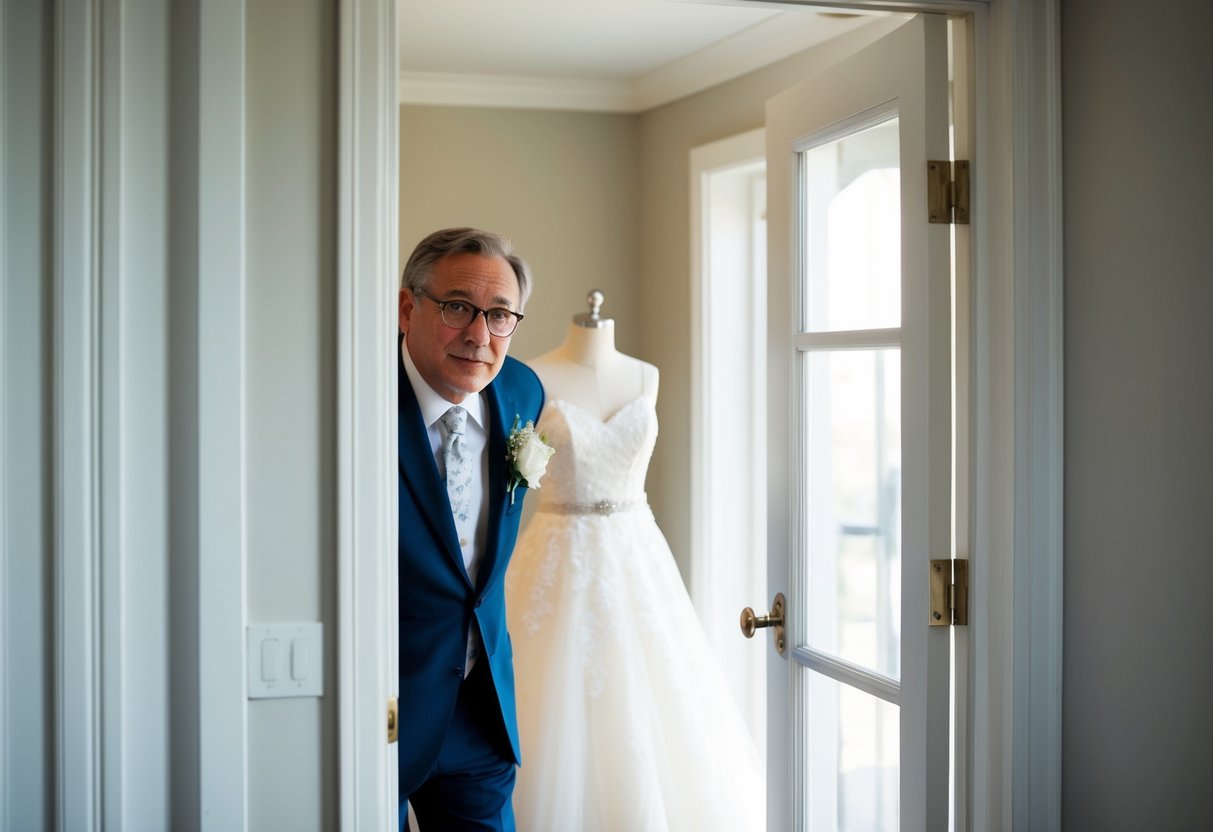
In modern times, many brides choose to share their dress with their closest family members, including their fathers. This can create a special moment between you and your dad, adding to the joy of the occasion.
Ultimately, the choice is personal and can reflect your family’s values and traditions.
Whatever you decide, it’s important to make choices that feel right for you. Discussing the dress with your father can be a meaningful experience, but remember to consider what you want for your wedding day. Your preferences are what truly matter in making the day memorable.
Origins of the Tradition
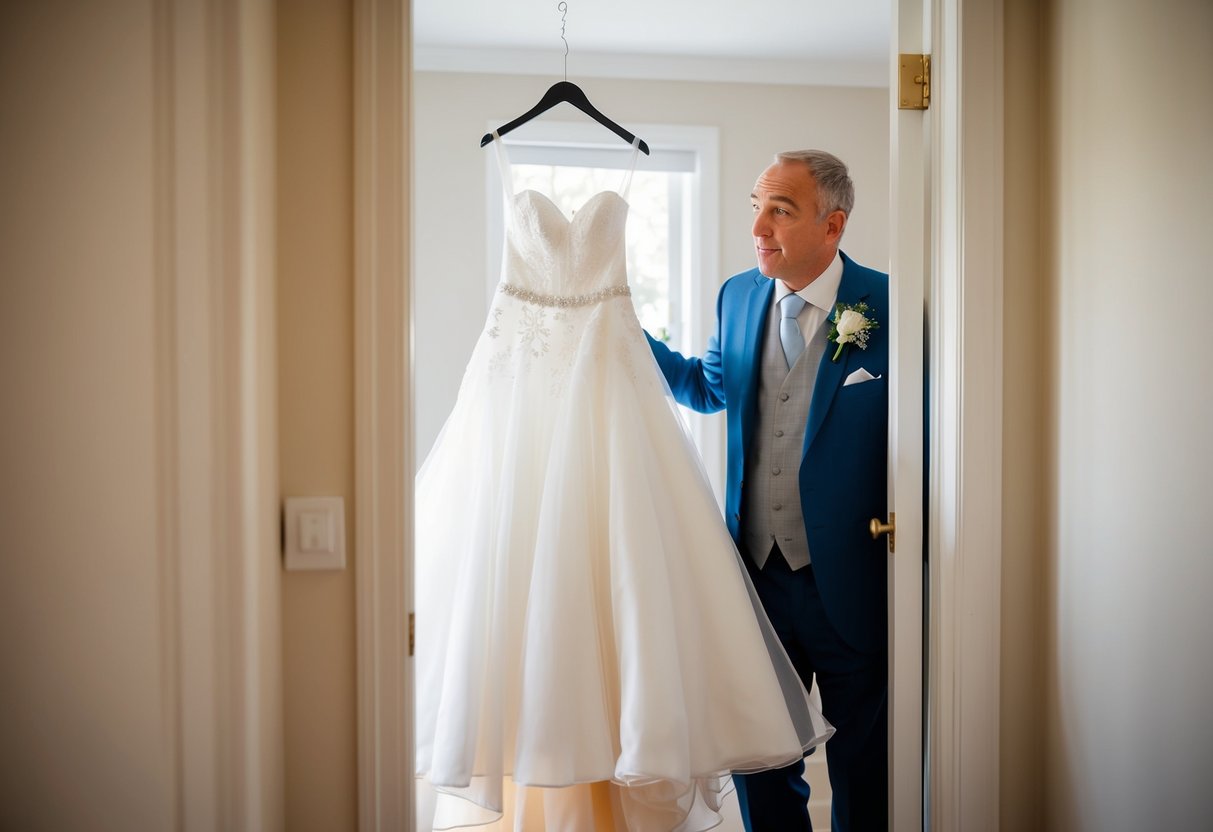
Many wedding traditions come from old customs and beliefs. You might be curious about why specific rules exist regarding who can see the wedding dress before the ceremony. This section explores the superstitions that influenced wedding customs and the historical reasons behind these practices.
Superstitious Beliefs and Their Impact
Superstitions play a huge role in wedding traditions. For instance, many believe it brings bad luck for the groom to see the bride in her dress before the wedding day. This idea likely stems from a fear that if the groom sees the bride beforehand, he might change his mind.
In some cultures, these superstitions extend to other family members as well. Some believe it’s bad luck for the father of the bride to see the dress too. These beliefs continue to affect decisions about dress reveal moments, as couples want to respect traditions and avoid any perceived misfortune.
Historical Context of Wedding Traditions
The origins of these traditions trace back to arranged marriages. In the past, couples did not choose each other freely. Instead, their families decided their fate.
It was crucial that the groom did not see the bride until the ceremony, adding an element of surprise and ensuring the family had a good match.
This tradition helped maintain the secrecy and anticipation of the wedding. Additionally, it became a way to protect the bride’s reputation.
Today, these historical context and superstitions still influence what many couples choose to do regarding the wedding dress reveal.
Planning the Wedding Day
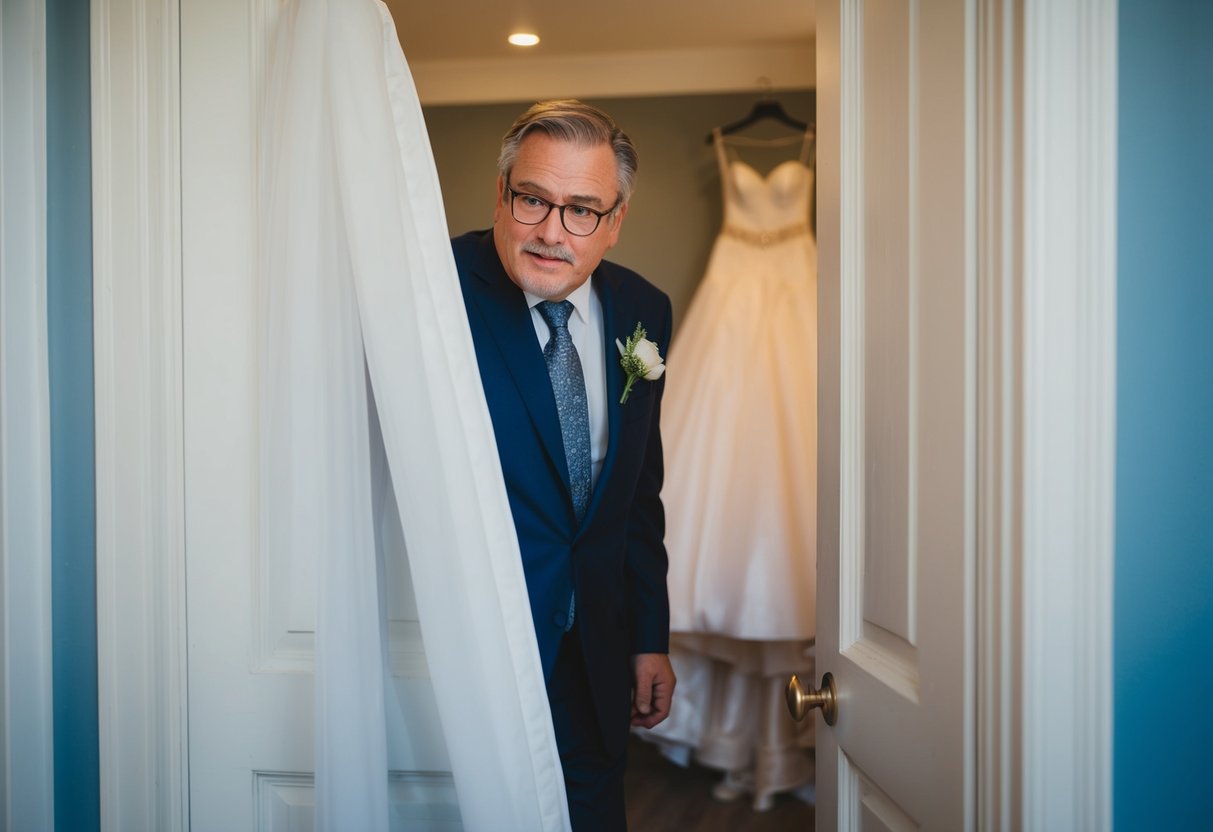
Planning your wedding day involves many important details. From coordinating with your wedding planner to involving family in your dress shopping, each part contributes to making your special day memorable.
The Role of the Wedding Planner
Your wedding planner is a key player in the planning process. They help organize everything from the ceremony to the reception.
You can share your vision and ideas, and they will handle the logistics.
A good planner often manages vendor contracts, coordinates schedules, and ensures everyone is on the same page. This leaves you free to enjoy the moment without worrying about the details.
Regular meetings with your planner can help keep everything on track. Discussing your wedding day timeline allows you to make adjustments as needed.
Incorporating the Family in Dress Shopping
Including family members in your dress shopping can be special. Inviting your mother or bridal party to share the experience deepens these important relationships.
You can set a day for shopping, allowing for bonding time. It’s fun to discuss styles you like while receiving their opinions. You might be surprised by their insights and preferences.
Consider their feelings and preferences when selecting who joins you. This day is about making memories together, so choose those who support you.
Creating a Memorable Wedding Day Schedule
Your wedding day timeline is essential for a smooth experience. Start by mapping out the key events, like the ceremony, reception, and special dances.
Break down your day into segments, including preparation time, travel, and photos. This can help everyone be where they need to be at the right time.
Factor in time for unexpected occurrences. Short breaks between events can ease transitions. Make sure to communicate the timeline with immediate family and the bridal party to keep everyone informed.
Personal Choices and Modern Interpretations
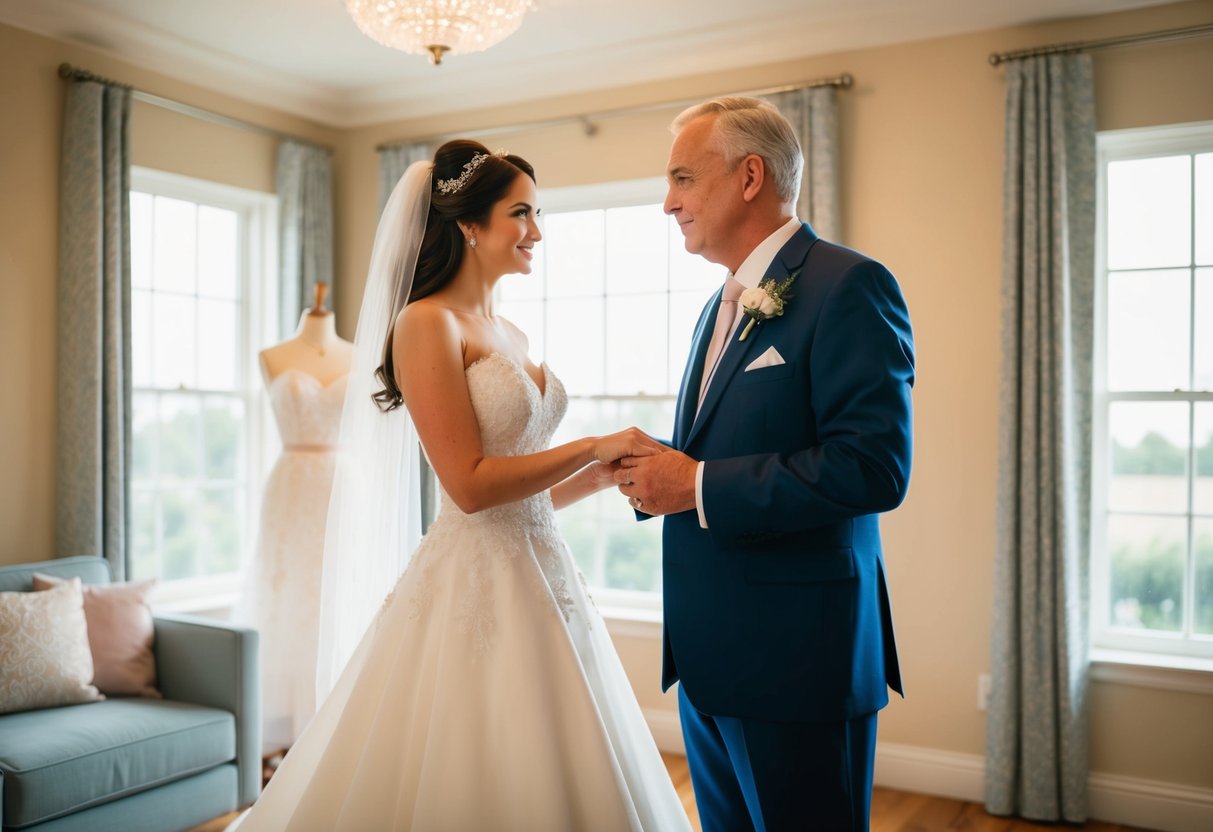
Weddings today often reflect personal choices and modern meanings. As traditions evolve, moments like the “first look” and the father-daughter dance have gained unique significance. These moments can add depth to your celebration, highlighting love and connection between family members.
Deciding on the ‘First Look’ Moment
The “first look” is a special moment when you reveal your wedding dress to someone important before the ceremony. Many brides choose this moment for their fathers.
It can create a cherished memory filled with emotion. Seeing your dad’s reaction can be touching and meaningful.
Some brides appreciate sharing this intimate experience with their fathers rather than sticking strictly to tradition. It allows for personal choice, making the day feel more special.
In addition, some fathers enjoy this moment before walking you down the aisle. The “first look” can set a loving tone for the entire day.
Father-Daughter Dance and Moments
The father-daughter dance is another key moment that emphasizes connection. It’s a time for you to celebrate your relationship with your dad.
This dance often comes right after the ceremony and is a cherished memory for both of you.
Choosing a meaningful song can make this moment even more special. It can be a song that holds personal significance or represents your bond.
Remember, your mother-in-law might also join the celebrations. Making space for these connections can enhance your wedding experience. Sharing these moments reflects love and connection, key themes in any wedding.
Symbolism and Wedding Superstitions
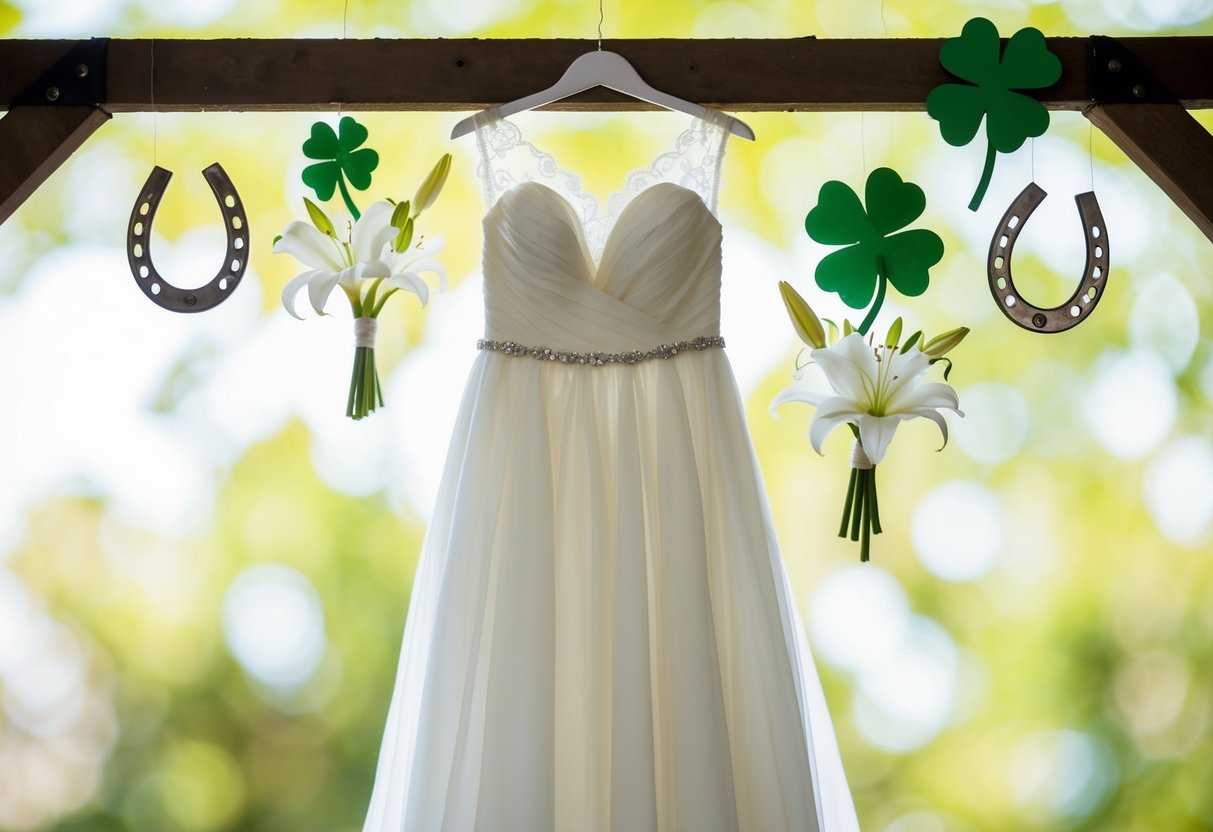
Weddings are full of traditions that carry deep meanings and beliefs. Many customs have roots in superstitions. Understanding these can help you make meaningful choices for your big day.
Understanding Common Wedding Superstitions
Many couples worry about the superstition that the groom should not see the bride in her dress before the ceremony. This belief dates back to arranged marriages, where seeing the bride beforehand could lead to bad luck.
If you choose to break this tradition, it’s important to decide what feels right for you.
Other superstitions include wearing something blue. This is said to bring fidelity and love.
Likewise, some believe that a bride should avoid a wedding in May, as it is viewed as an unlucky month for weddings. Being aware of these traditions can help you honor or adjust them as you see fit.
Choosing the Right Date and Traditions
The date you pick for your wedding can be important too. Many people believe that certain days are luckier than others. For instance, a Saturday is often seen as the best day to get married. You can also research specific dates in your culture.
Also, consider traditions like the wedding garter toss. This fun event has roots in fertility and good fortune. Engaging in these practices can add a joyful sense of connection to your heritage. Remember to focus on what traditions resonate with you.