
Is the Guy Supposed to Buy His Wedding Ring? Understanding the Tradition and Expectations
When it comes to wedding rings, many people wonder who is responsible for buying them. Traditionally, the man is expected to buy his own wedding ring, along with the bride’s engagement ring and wedding band. However, times are changing, and couples now often choose to navigate this decision together.
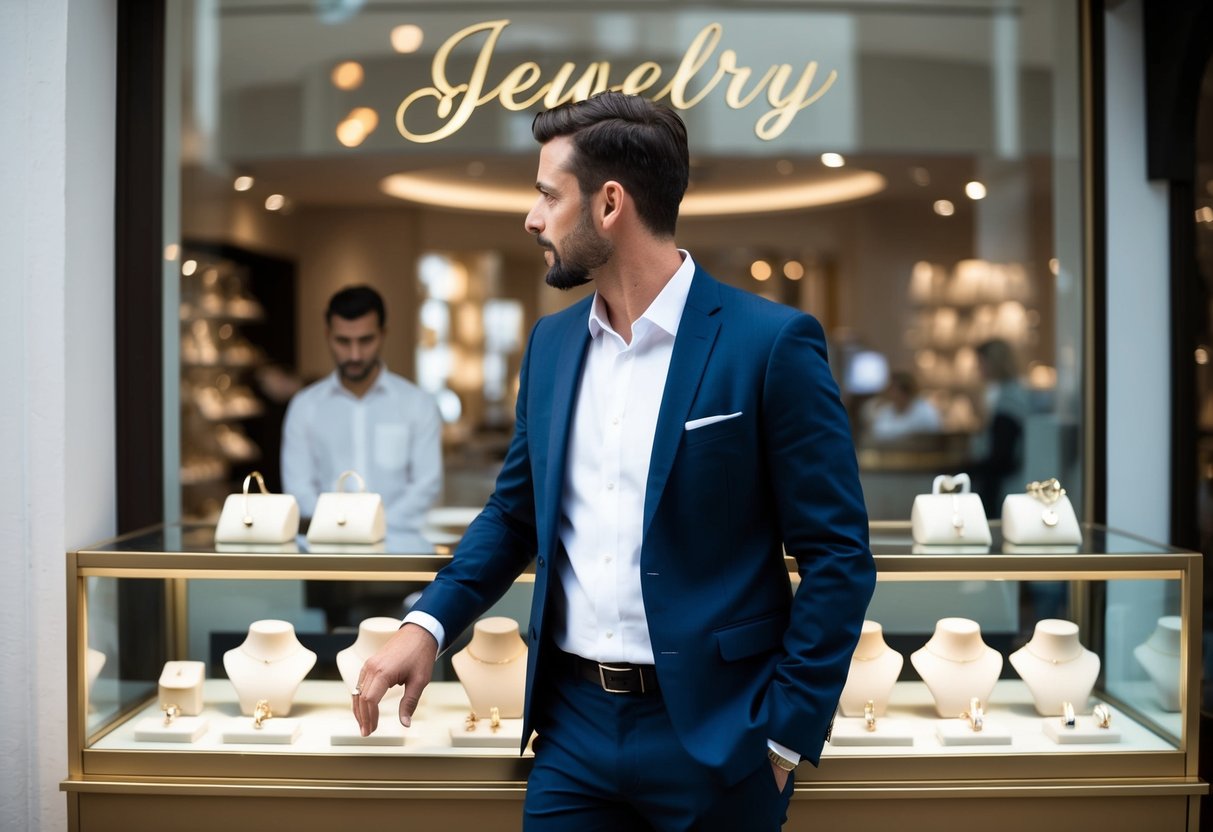
In today’s society, love and commitment are celebrated in diverse ways. You might find that some couples prefer to purchase rings for each other or even share the cost. This modern approach reflects a collaborative spirit that honors the union you’re about to enter during your wedding ceremony.
Whatever route you choose, the important thing is that your wedding ring represents your unique bond. Discussing your preferences and making the decision together can deepen your connection as you prepare for this significant step in your lives.
Exploring Wedding Ring Traditions
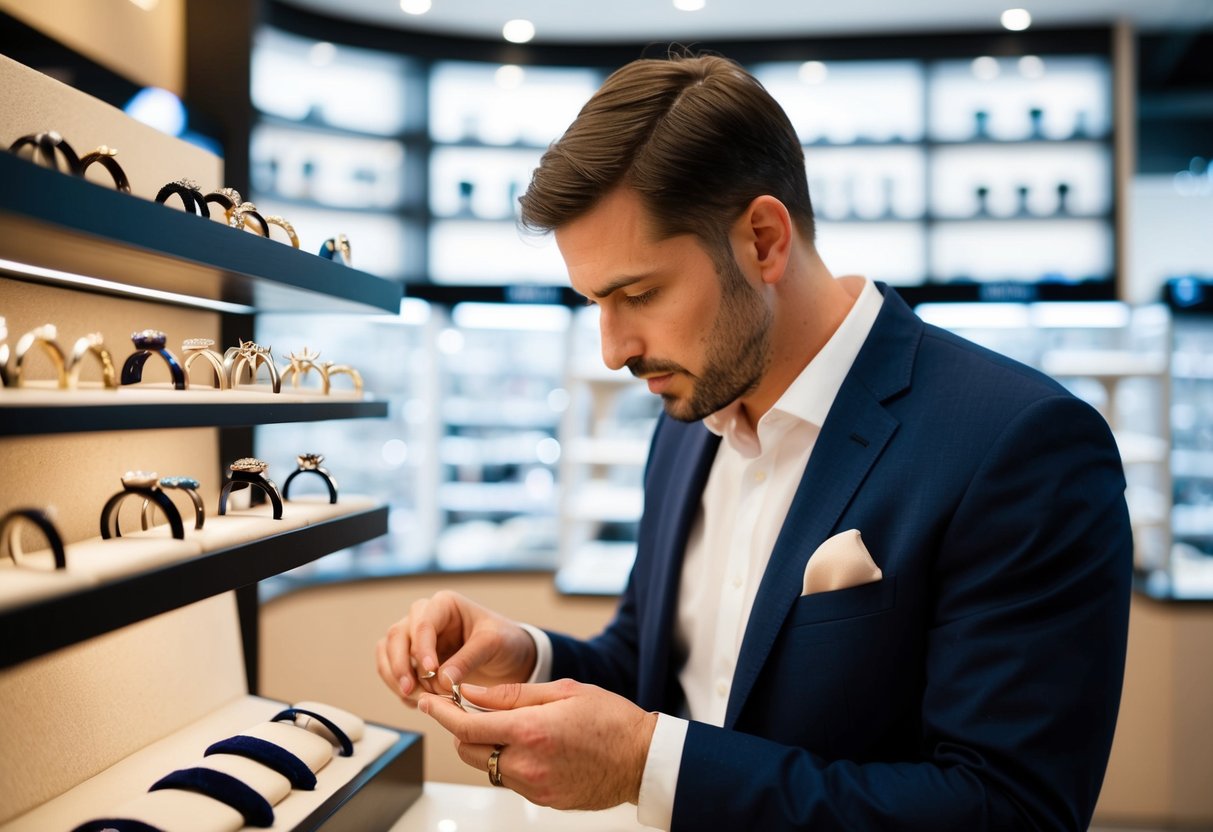
When it comes to wedding rings, traditions and expectations can vary widely. Understanding who typically buys the rings can help you make informed decisions for your big day. This section breaks down the responsibilities and perspectives surrounding wedding ring purchases.
Who Buys the Wedding Bands?
Traditionally, the groom would purchase both the bride’s wedding ring and his own. This custom emphasizes the groom’s role in the engagement and marriage process.
In recent years, many couples have shifted away from this tradition. Today, it’s common for both partners to buy rings for each other. Each person choosing the other’s wedding ring can make the occasion feel even more meaningful.
Some couples decide to buy their own rings, focusing on personal style and preferences. This approach allows you to pick a ring that truly represents your taste. The decision often combines tradition with modern values, showing how wedding customs can evolve.
Cultural and Modern Perspectives
Cultural views on who buys wedding bands can differ significantly by region and community. In some cultures, the bride buying the groom’s wedding ring is a norm. This practice can show equality and shared responsibility in relationships.
Modern couples often choose to break away from traditional norms. Many decide that both partners will contribute to the cost, reflecting a partnership in every aspect of their lives. Factors like financial situation and personal preferences play a big role in this decision.
Financial and Lifestyle Considerations
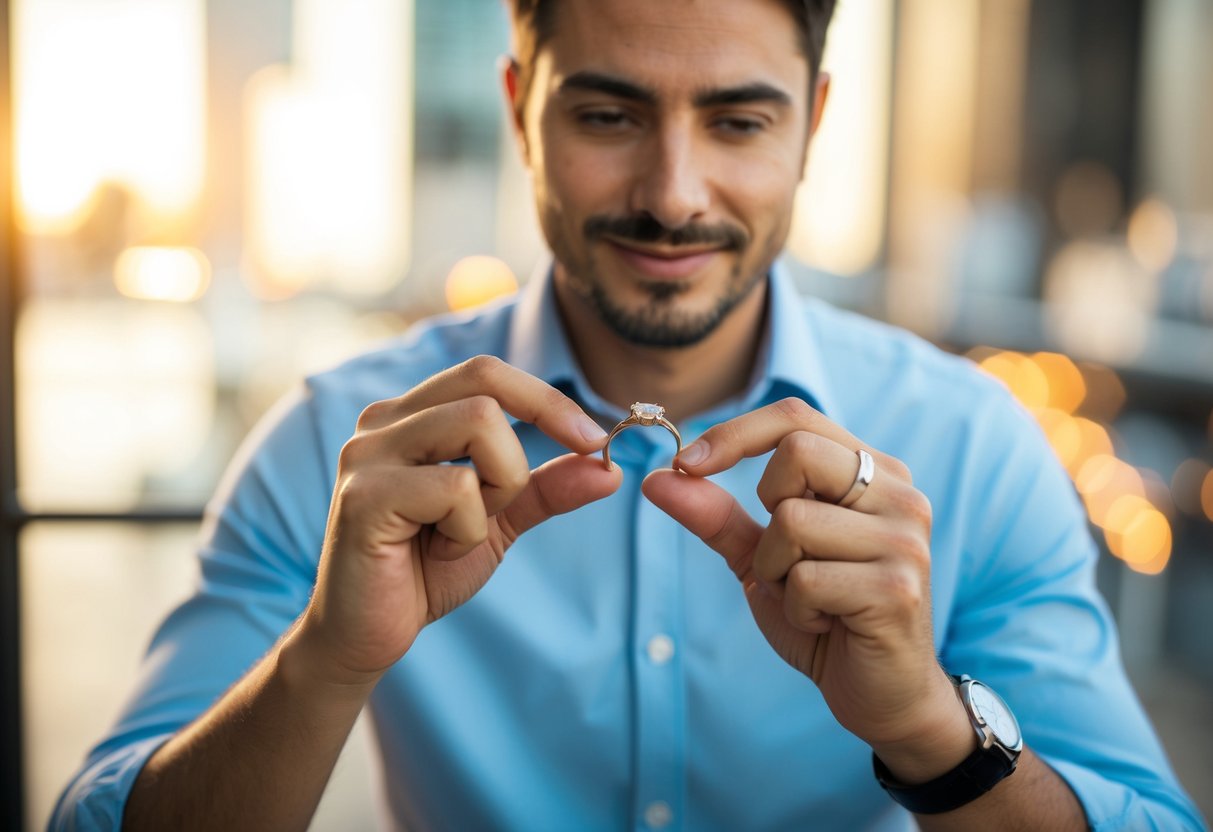
When planning for a wedding ring, it’s important to think about both financial and lifestyle factors. Understanding how much you can spend and how your daily life influences your choice can help guide your decision.
Handling Wedding Expenses
Consider your wedding budget carefully. This includes all wedding expenses, not just the rings. You might want to sit down together and make a list of what’s most important, from the venue to the attire.
When it comes to the ring specifically, think about your financial situation. If one of you has more savings, that partner may take on the cost of the ring. Alternatively, you could split the expenses to keep things balanced and fair.
Creating a detailed budget can greatly help in deciding how much to allocate to the ring while still handling other costs.
Rings and Lifestyle Alignment
Your lifestyle plays a big role in choosing a wedding ring. If you have an active job or hobbies, you might prefer a more durable material like tungsten or titanium. These options can withstand daily wear and tear.
Also, consider your personal preferences. A simpler design might suit someone who values practicality, while someone drawn to unique styles might choose a ring with intricate details. Assessing your daily life can guide your choice, ensuring your wedding ring reflects both your style and how you live. This thoughtful approach helps create a meaningful symbol of your commitment.
Selecting the Right Wedding Bands
Choosing the right wedding band involves considerations about materials, designs, and comfort. A wedding band is not just a ring; it symbolizes your commitment and personal style.
Material and Design Choices
When selecting a wedding band, think about the material that fits your lifestyle and preference. Popular options include:
- Platinum: Known for its durability and timeless appeal, platinum is a strong choice but often comes with a higher price tag.
- Gold: Available in yellow, white, and rose variations, gold offers flexibility in color and style. Yellow gold gives a classic look, white gold offers a modern touch, and rose gold adds a romantic vibe.
- Titanium and Tungsten: These metals are lightweight and extremely durable. They can be great choices for those with an active lifestyle.
Designs can range from simple and classic to more complex styles featuring diamonds or gemstones. Consider whether you’d like a polished finish or something with engraving for a personal touch.
Understanding Sizing and Comfort
Getting the right size is crucial for comfort and wearability. An ill-fitting ring can cause discomfort or may slip off.
Here are tips for ensuring the perfect fit:
- Measure Properly: Visit a jeweler to have your finger measured accurately, especially if your fingers swell during the day.
- Lifestyle Considerations: Think about what activities you do daily. If you work with your hands a lot, you may want a more durable material that withstands wear.
Comfort-fit bands have a rounded interior, making them easier to wear all day.
Ensure that your chosen band allows for airflow and doesn’t feel too tight.