
Is the Officiant Invited to the Wedding? Understanding Wedding Etiquette
When planning your wedding, you might wonder about inviting your officiant. It is generally proper etiquette to invite your officiant to the wedding reception. This person plays a crucial role in your ceremony and deserves recognition for their contribution to your special day.
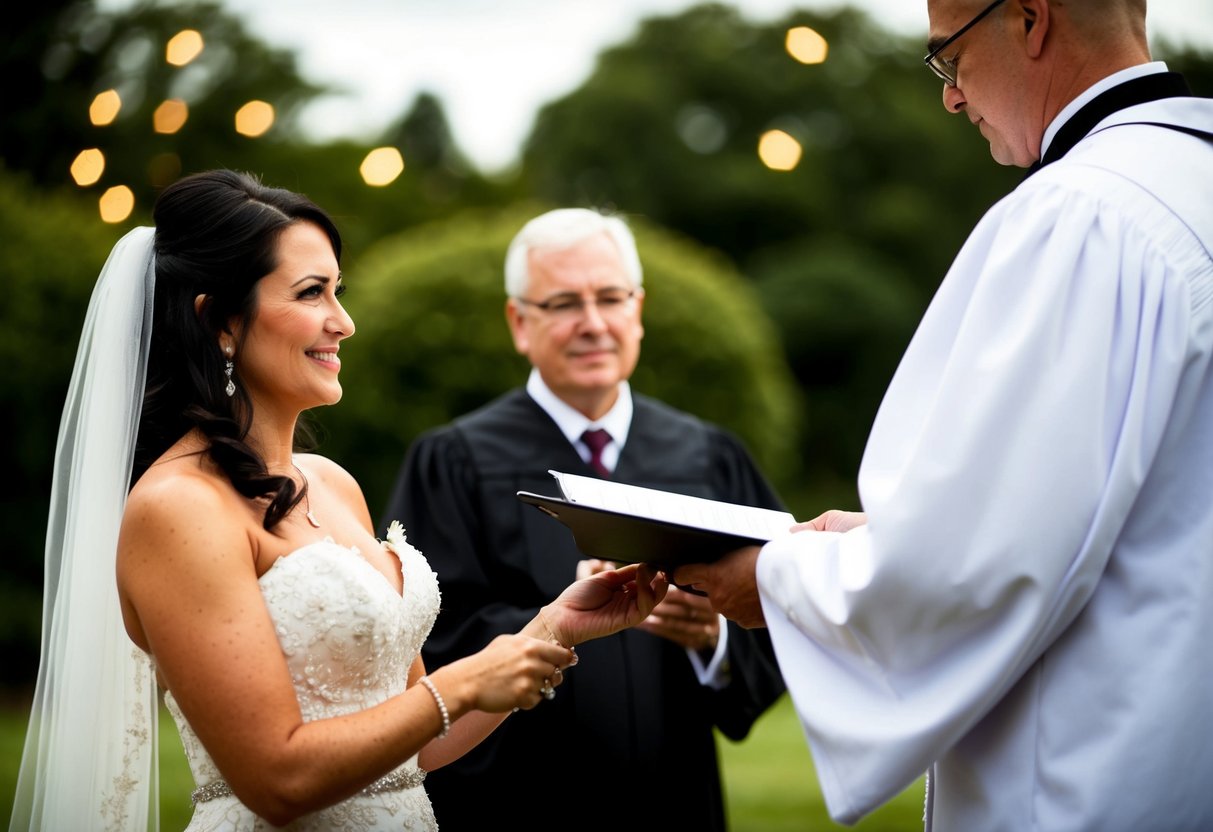
In addition to the ceremony, many couples choose to extend invitations to the officiant for events like the rehearsal dinner. This shows appreciation and strengthens the bond between you and the person helping to unite you in marriage. Keeping these relationships close can add warmth to your wedding experience.
Thinking about the details of your wedding planning can be overwhelming. However, taking the time to include your officiant can lead to a more meaningful celebration, making your day even more memorable.
Role and Importance of the Officiant
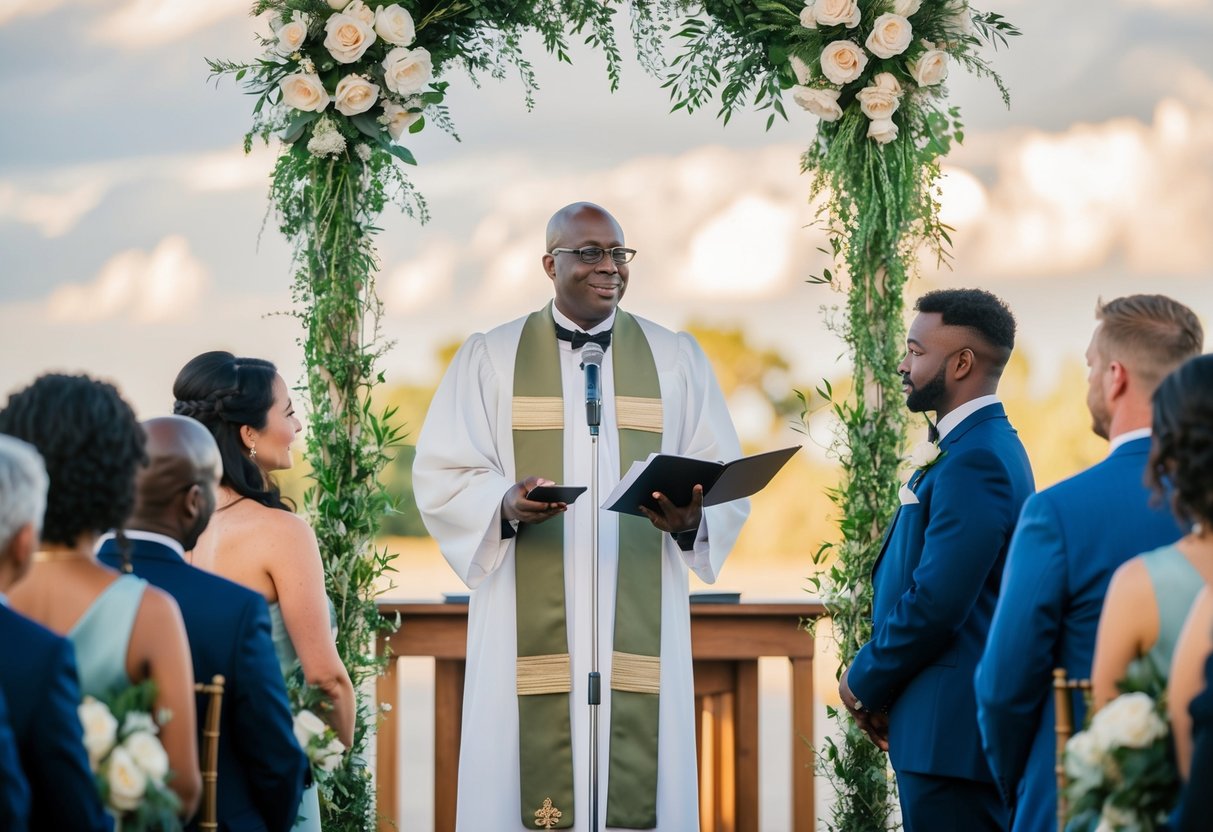
The wedding officiant is a key figure on your special day. Their duties go beyond just standing at the altar. They play a vital role in making your wedding ceremony meaningful and smooth.
Duties of the Wedding Officiant
The wedding officiant has important responsibilities that set the tone for your ceremony. First, they guide you through your vows, making sure everything flows smoothly. They also ensure that the legal aspects are taken care of, like reminding you to have your marriage license ready.
During the ceremony, your officiant manages the proceedings. They introduce speakers, direct participants, and create an atmosphere of joy. Their words help shape the experience and make it personal. This is why choosing the right officiant is key to your event.
The Officiant’s Involvement Beyond the Ceremony
Your relationship with the officiant often starts well before the wedding day. Many officiants meet with you multiple times to discuss your vision. This can include planning the ceremony details and selecting meaningful readings.
After the wedding, they handle the necessary paperwork to make your marriage official. Some officiants even offer support in creating pre-marital workshops.
Having an engaged officiant means you’ll have someone who understands your love story. This involvement enriches the experience and makes your ceremony truly unique.
Etiquette for Inviting the Officiant to the Reception
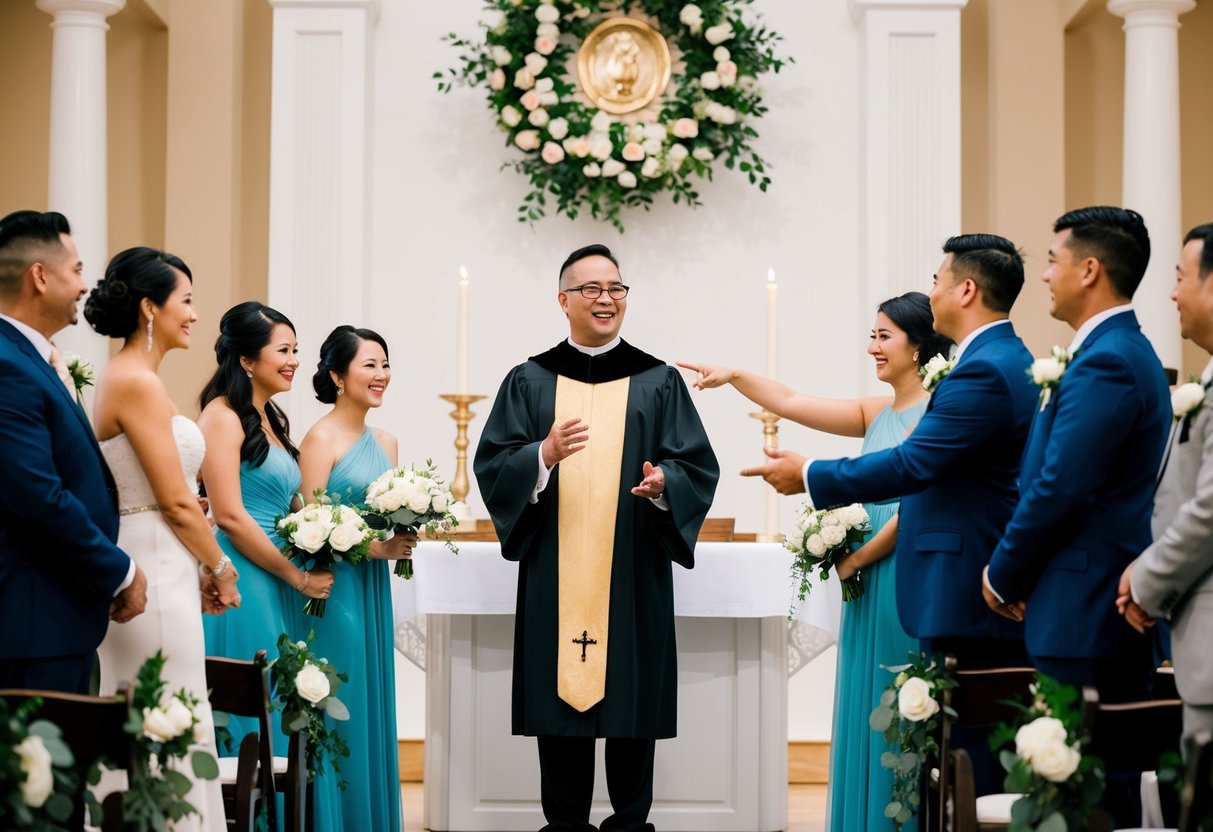
Inviting your officiant to the reception is a thoughtful way to show appreciation for their role in your wedding. It reflects gratitude and respect for their contribution to your special day. Here are essential points to consider.
Invitation Etiquette for the Officiant and Spouse
When sending an invitation to your officiant, it’s important to do so with care. A formal invitation is best, but you can also extend a casual invite during your planning discussions. If your officiant is married, include their spouse in your invitation. This is a gracious gesture that acknowledges their support as well.
Make sure to send the invitation well in advance, ideally about six to eight weeks before the wedding. This allows your officiant to adjust their schedule. Remember, this invitation shows gratitude for their important role. It also serves as a polite reminder that they are part of your celebration.
Seating Arrangements and Considerations at the Reception
Consider how to seat your officiant and their spouse during the reception. It’s thoughtful to place them at a prominent table, perhaps with close friends or family. This acknowledges their importance in your ceremony and gives them a place to feel comfortable.
If you’re having a large wedding, aim to seat them near your families. This action highlights your appreciation and keeps them engaged during the celebration. Remember, good seating arrangements enhance the experience for everyone. Be sure to communicate your seating plan with the venue staff to ensure a smooth setup.
Special Considerations for Different Types of Officiants
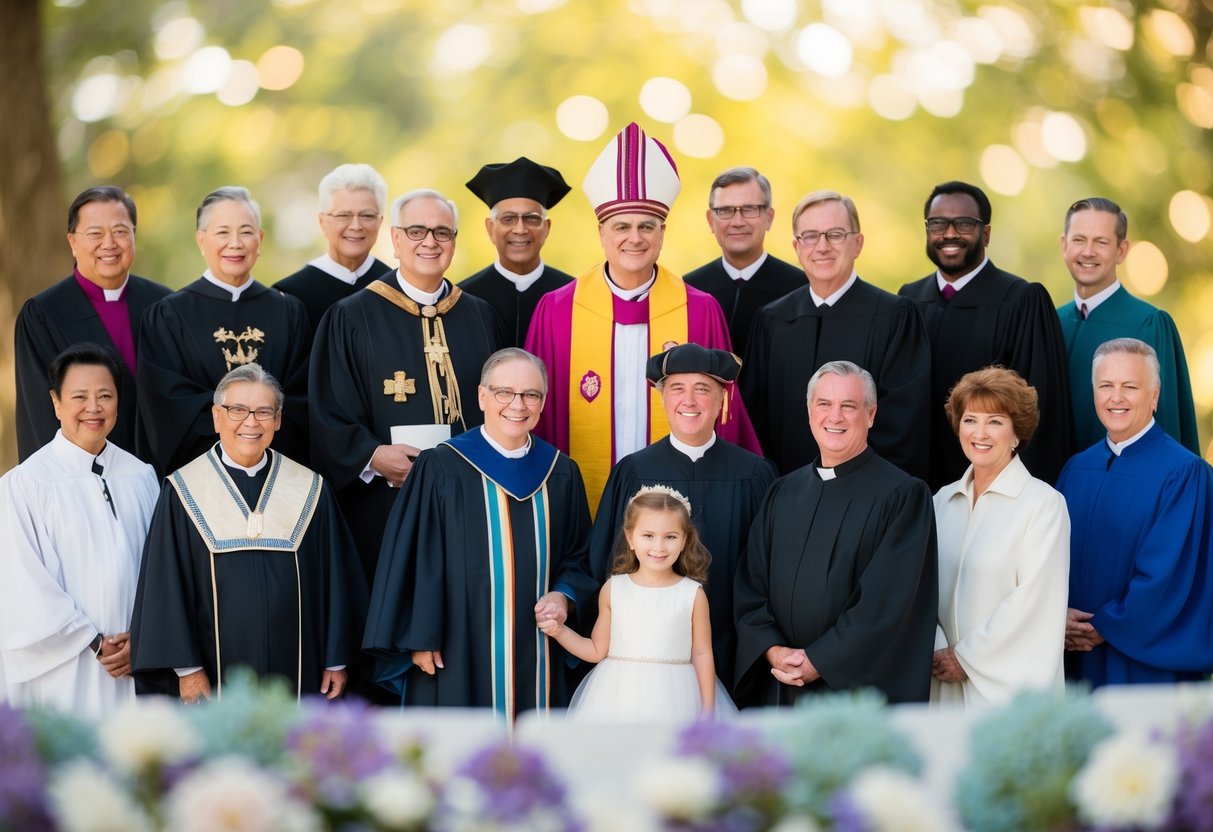
Choosing whether to invite your officiant to the wedding can depend on their relationship to you and the type of service they provide. Understanding the dynamics involved can help you make the best choice for your special day.
Inviting a Religious Figure or Close Friend
If your officiant is a religious figure, consider the nature of their role. Many religious leaders participate fully in the ceremony and may have specific traditions regarding attendance.
For a close friend acting as your officiant, the invitation is often more personal. It can deepen your friendship by making them feel included. You can also discuss their comfort with attending as a guest, since they’ll have a unique perspective during the ceremony.
It’s important to communicate your expectations. You may wish to ask how they feel about attending the reception or other wedding events, as this can shape the experience for everyone involved.
When the Officiant Is a Professional or Wedding Consultant
Professional officiants typically have different guidelines compared to friends or religious figures. Many love their role in the ceremony but appreciate being seen more as service providers rather than guests.
If you hire a wedding consultant as your officiant, they might prefer not to be formally invited. Discuss this upfront. Their focus is usually on keeping everything running smoothly.
Remember, a professional’s involvement does not end at the altar. Communicating clearly about their role during the reception helps build a strong working relationship and ensures everyone knows what to expect.
The Officiant on Your Wedding Day
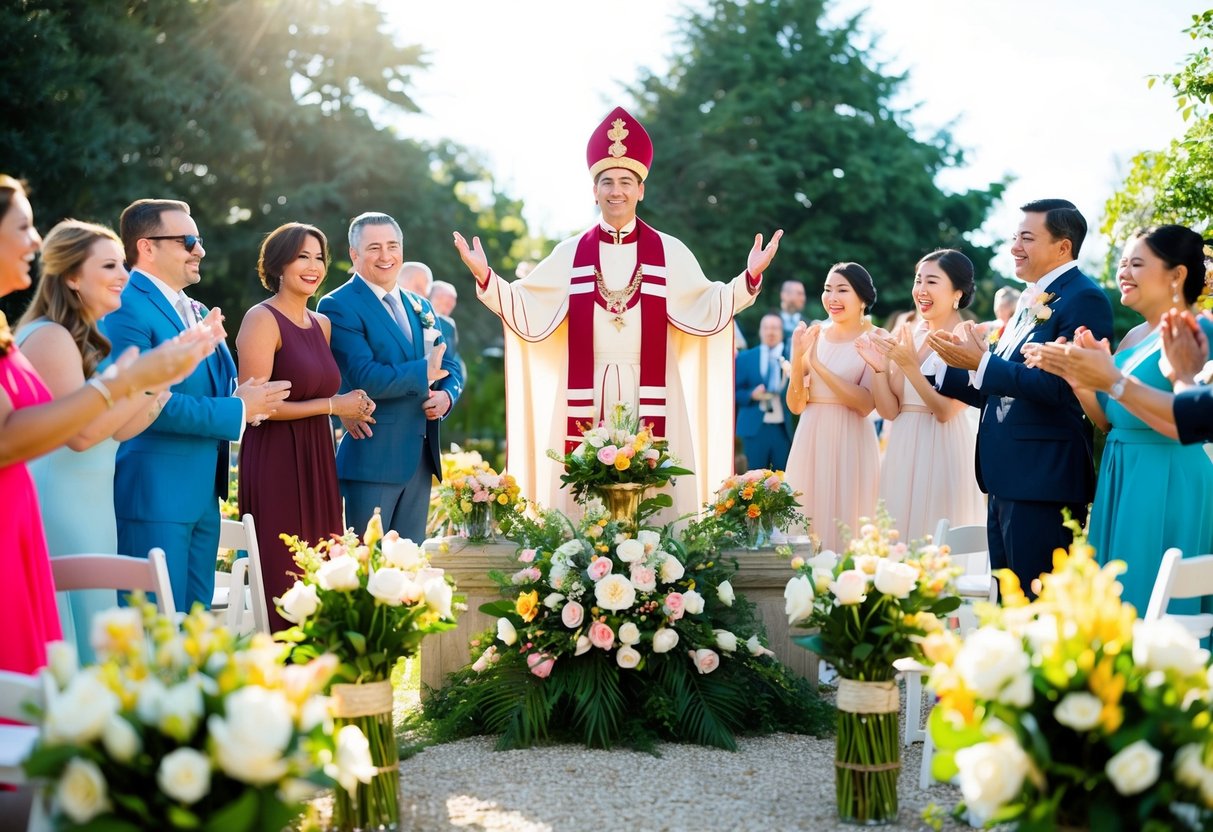
Your officiant plays a crucial role in your wedding day. They guide you through the ceremony, support you during the rehearsal, and are an important part of the celebration.
Pre-Ceremony Rehearsal with the Officiant
The rehearsal is a key time for you and your wedding party. This is when you’ll practice the ceremony steps with your officiant.
During this time, the officiant will explain their role and how the ceremony will flow. It’s a chance to work out any details about music, readings, and special rituals you may want to include.
Be sure to communicate any specific wishes or traditions you’d like to incorporate. This helps ensure everyone feels comfortable and knows what to do on your special day.
The Officiant’s Role During the Ceremony
As you stand before your officiant and your guests, they will guide you through the ceremony. They set the tone, often starting with a warm welcome to everyone in attendance.
Your officiant will lead you in your vows and ring exchange and offer words of wisdom and encouragement. They create a loving atmosphere that celebrates your commitment to each other.
If you have personalized vows or special readings, the officiant will help transition between these moments smoothly. Their presence helps to unify your wedding party and your guests in this special occasion.
Post-Ceremony Appreciation and Acknowledgments
Once you’re officially married, take the time to recognize your officiant’s contribution. They’ve played a vital role in your day, helping to make it meaningful.
You might consider mentioning your officiant during your reception speeches. This small acknowledgment shows your gratitude for their involvement.
If you’re giving gifts, a thoughtful gesture like a thank-you note or a small token of appreciation goes a long way. It’s a nice way to show that you value the time and effort they devoted to your ceremony.