
Is the Woman’s Family Supposed to Pay for the Wedding? Exploring Tradition and Modern Practices
When planning a wedding, understanding financial responsibilities can feel overwhelming. Many people wonder, the bride’s family has traditionally covered most of the wedding costs, but this practice is evolving. While the bride’s family often pays for significant expenses such as the ceremony and reception, modern couples frequently choose to share these costs or pay for it themselves.

You may also consider the role of the groom’s family in this equation. Traditionally, they are expected to cover the rehearsal dinner, but today, more couples are moving away from these rigid customs. It’s all about what works best for you and your partner, ensuring that financial discussions are open and honest.
As you dive into this topic, you’ll discover how wedding etiquette is changing and why many couples prefer a collaborative approach to financing their big day. The conversation around who pays for what can set the tone for a positive wedding planning experience.
Understanding Wedding Etiquette and Traditions
When planning a wedding, it’s important to consider the traditions and etiquette surrounding who pays for what. Understanding these historical and modern perspectives can help clarify expectations and responsibilities.
Historical Perspective on Wedding Expenses
Traditionally, the bride’s family has played a significant role in covering wedding expenses. This practice can be traced back to the concept of a dowry, where the bride’s family provided goods or money to support the marriage.
This was not just a financial gesture, but also a way to show commitment to the union. In many cultures, it was believed that the bride’s family was responsible for hosting and funding the wedding ceremony. Over time, this tradition established the bride’s family as the main financial contributors, making it a part of wedding etiquette.
Modern Views on Financial Responsibility
In today’s society, ideas about who pays for weddings have evolved. Many couples prefer to share costs or have both families contribute. This shift reflects changing views on gender roles and equality.
Couples often establish a budget together and discuss who will cover specific expenses. This can include venues, catering, and decorations. Open communication is vital in this process. By discussing expectations and responsibilities, you can find a solution that works for everyone involved.
Many couples also choose to prioritize what matters most to them, embracing a mix of traditional expectations and modern values.
Breaking Down Wedding Costs
When planning a wedding, understanding who covers specific expenses can help you budget effectively. The financial responsibilities have changed over time, and knowing the traditional roles can guide your planning process.
Overview of Typical Wedding Expenses
A wedding can have many costs, and knowing what to expect is essential. Here’s a typical breakdown:
- Engagement Ring: Often paid by the groom’s family.
- Wedding Rings: Usually, both families contribute.
- Bride’s Attire: The bride’s family traditionally covers this.
- Wedding Reception: Typically the bride’s family sponsors the ceremony and reception.
- Wedding Cake: This cost often falls on the bride’s family.
- Marriage License: Usually, the groom’s family handles this expense.
- Honeymoon: Traditionally, this is paid for by the groom’s family.
Knowing these typical expenses can help you create a solid wedding budget.
Role of the Bride’s Family in Costs
Traditionally, the bride’s family takes on several major expenses. This can include the wedding reception, which is often the largest cost. You might find that they also cover the bride’s attire, including her dress and accessories.
Additionally, the bride’s family usually pays for the engagement party and the wedding cake. They often also contribute to costs like the invitations and décor. This financial involvement can quickly add up, so discussing these details in advance is helpful for everyone involved.
Role of the Groom’s Family in Costs
The groom’s family’s role has changed over time, but they still take on important costs. Traditionally, they cover the rehearsal dinner and often contribute to the honeymoon expenses. This can include travel and lodging costs.
Additionally, the groom’s family typically pays for the marriage license, as well as the groom’s suit and other attire. This part of the planning helps balance the overall financial responsibilities of both families, making the event more manageable for everyone.
Key Components of a Wedding Paid by the Bride’s Family
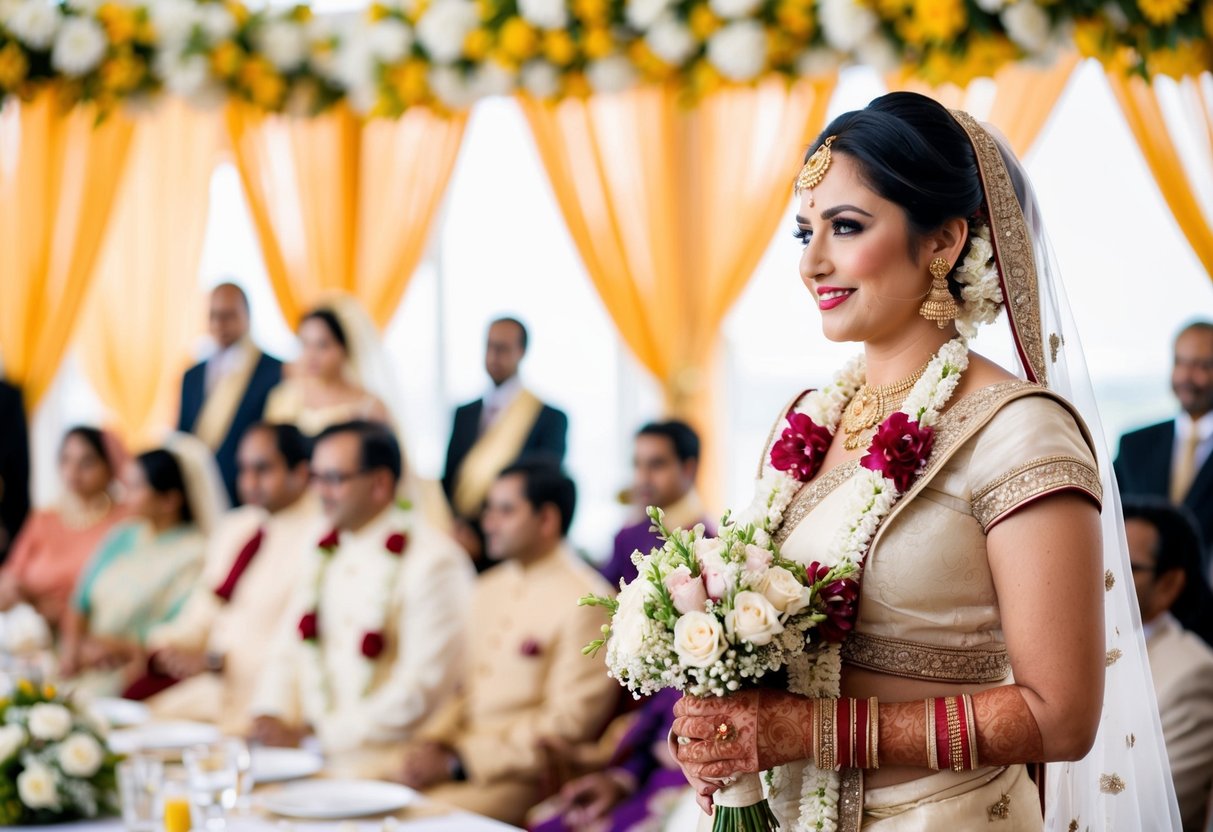
When planning a wedding, the bride’s family often covers significant costs. Understanding these key components can help clarify responsibilities and expectations for the big day.
Ceremony and Reception Costs
Typically, the bride’s family is responsible for the major expenses of the ceremony and reception. This often includes the venue rental, catering services, and decorations.
You should carefully consider your guest list to determine the right size for the venue. Catering costs can vary greatly, so getting a few quotes is wise. Additionally, hiring a wedding planner can help manage these details, ensuring everything runs smoothly.
Don’t forget about important expenses like wedding invitations. These set the tone for your celebration, so budgeting for high-quality designs is essential.
Bridal Attire and Personal Flowers
The bride often wears a beautiful wedding gown, which is typically covered by her family. From the dress itself to tailor fittings, veils, and accessories, these costs can add up quickly.
Personal flowers are also an important part of the bridal look. This includes bouquets, corsages, and boutonnieres. Choosing seasonal flowers may help reduce costs while still looking fantastic.
You might consider setting aside a budget for hair and makeup, ensuring you feel your best on the special day. These personal touches complete your wedding day appearance.
Photography and Videography
Capturing memories is essential, and the bride’s family usually takes care of hiring a photographer and videographer. This includes engagement photos, wedding day highlights, and full event coverage.
Researching different photographers can help you find someone whose style matches your vision. Most couples choose a package that includes both photography and videography for comprehensive coverage of their day.
Additionally, investing in an album or digital copy of your wedding photos is worthwhile. These will be cherished keepsakes for years to come. Prioritizing this aspect of the planning ensures memories are beautifully preserved.
Financial Contributions from the Groom’s Family

When planning a wedding, it’s important to know what the groom’s family traditionally pays for. Their contributions usually include costs for the engagement party, rehearsal dinner, attire, and gifts for the wedding party.
The Engagement Party and Rehearsal Dinner
The groom’s family often hosts the engagement party. This event usually includes close friends and family celebrating the upcoming wedding. They take care of costs such as venue rental, food, and drinks.
For the rehearsal dinner, the groom’s parents typically cover expenses. This dinner happens the night before the wedding for the wedding party and close family. It’s a way to relax and share stories before the big day.
Groom’s Attire
The groom is responsible for his own attire. This includes the suit or tuxedo, shoes, and any accessories.
Make sure to choose something that fits your style and complements the wedding theme.
Wedding Party Gifts
The groom’s family may help with gifts for the wedding party. This could include presents for groomsmen and ushers.
Popular choices are personalized items or thoughtful tokens to show appreciation for their support.