
Is Two Years Too Early to Plan a Wedding? Tips for Getting Started!
Planning your wedding is an exciting journey, and you might wonder if starting two years in advance is too soon. The truth is, planning a wedding two years early is not too early at all! It gives you plenty of time to make thoughtful decisions without rushing through the many details that come with organizing a special day.
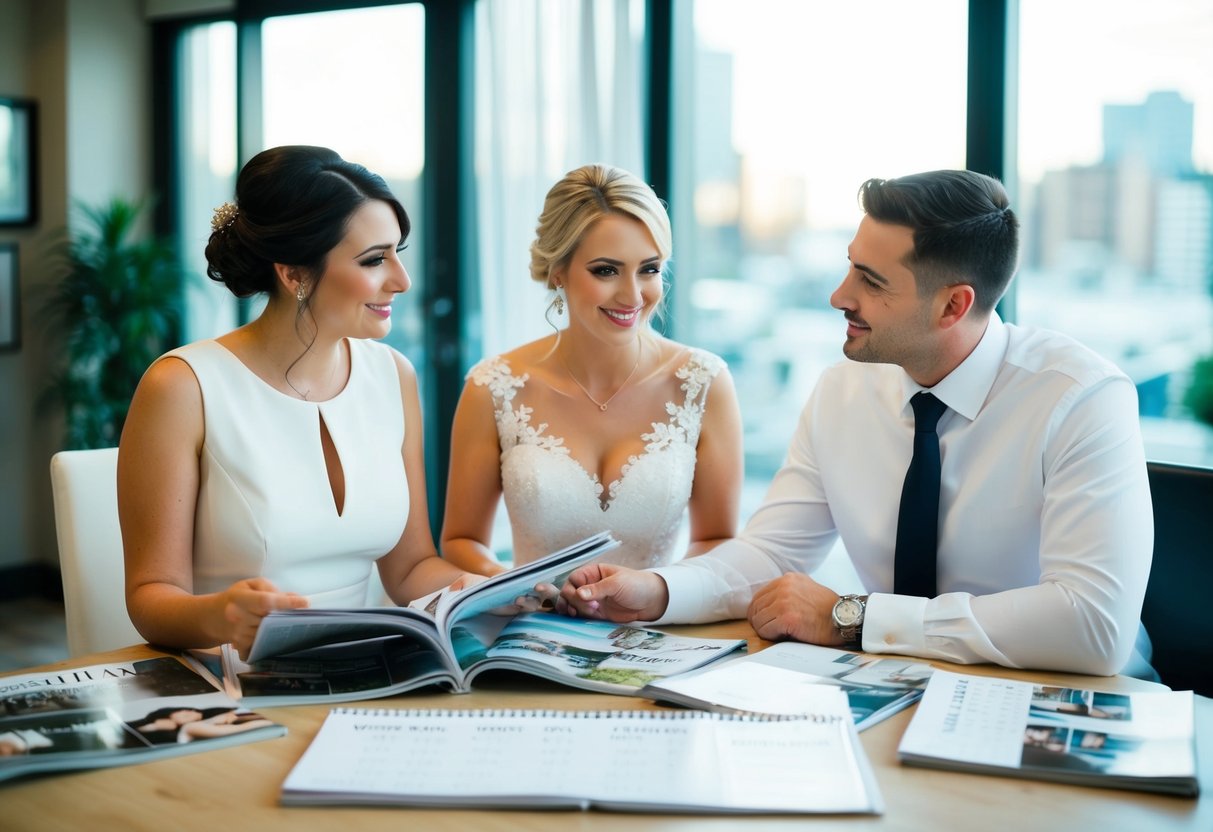
When you’re engaged, the options seem endless. By beginning your planning early, you can secure your dream venue and gather your favorite vendors before they get booked up. This approach reduces stress and allows you to enjoy the planning process rather than feeling overwhelmed.
Many couples find that by taking their time, they can research and explore all available options. Planning early can lead to a more personalized and meaningful wedding that perfectly reflects your vision. Whether it’s choosing the ideal flowers or crafting the perfect menu, starting early sets the stage for a memorable day.
Setting the Date and Initial Considerations
Choosing a wedding date is an exciting first step in your planning journey. A long engagement offers unique advantages. You’ll also want to consider essential early planning steps to ensure everything goes smoothly.
Choosing Your Wedding Date
When selecting your wedding date, think about significant dates and seasons. Do you want a summer wedding or a cozy winter celebration? Check for potential conflicts, like holidays or family events.
Once you have a couple of options, consider the availability of your favorite venues. Some locations book up quickly, especially during peak seasons. Narrowing down a date will get the planning rolling and determine other key choices, like the guest list and vendor bookings.
The Benefits of a Long Engagement
A long engagement can be very beneficial. With more time, you can plan your budget more comfortably and avoid financial stress. You can save money over time and allocate funds for important aspects like venue, catering, and photography.
Having more time also means you can research and choose the best vendors. You may find it easier to negotiate prices and secure preferred dates with photographers or florists. Plus, this easy pace gives you extra time to make thoughtful decisions, creating a wedding day that reflects your style.
Early Planning Steps
Start by setting a realistic budget. Write down your wedding priorities and how much you’re willing to spend on each. This will guide your choices as you move forward.
Next, create a wedding planning timeline. Mark important deadlines for booking your venue and vendors. Planning a wedding typically takes about 12 months, but with a two-year timeline, you can spread out tasks and reduce last-minute stress.
Finally, consider drafting a guest list early on. Think about how many people you want to invite, which will affect your venue choice and catering needs. Starting these steps will lay a solid foundation for your wedding planning adventure.
Budgeting and Financial Planning

Planning your wedding involves a lot of financial decisions. When you create a budget and plan ahead, you can control your spending and possibly save money. Here’s how to get started.
Creating a Wedding Budget
Start by listing all possible expenses. Common costs include:
- Venue
- Food and drinks
- Flowers and decorations
- Photographer
- Music or entertainment
- Attire
Once you have your list, set limits for each category. Try categories like venue costs: $3,000, or catering: $2,500. This helps you visualize your spending.
Don’t forget to include a contingency fund for unexpected costs. A good rule is to set aside 10-15% for surprises. Tracking your expenses with a spreadsheet can also help keep you organized. This way, you’ll know exactly where your money is going.
How Planning Early Can Save Money
Starting your wedding planning two years ahead opens various opportunities for savings. First, you can shop around for the best prices on vendors. Booking early often means better rates and more choices.
Consider flexible dates for your wedding. Off-peak seasons can save you big money. For example, venues often have lower rates in January and February. If you can be flexible, you can take advantage of discounts.
You can also save by having a smaller guest list. This reduces costs for food, seating, and favors. With careful planning, like creating a detailed budget, you have a better chance of staying within your budget and enjoying your special day!
Selecting Vendors and Venues

When planning your wedding, selecting the right venue and vendors is crucial. These choices shape your big day and influence its overall feel. Knowing when and how to book will help keep stress to a minimum.
Booking Your Ideal Venue
Choosing your venue is one of the first steps in wedding planning. Aim to book your ideal venue 12 to 18 months in advance. This timeline allows you to secure the location that matches your vision.
Start by listing your preferences, such as indoor or outdoor options, guest capacity, and location. Research venues online and read reviews from others. Once you narrow down choices, schedule tours to get a feel for the space.
During your visit, ask about packages and pricing. Some venues may offer all-inclusive options, which could save time. Don’t hesitate to ask about availability for your desired dates. This will help you make an informed decision.
Finding the Right Vendors
After booking your venue, it’s time to find the right vendors. Focus on essential services like photographers, caterers, florists, and other wedding vendors. Consider reaching out 10 to 12 months before the wedding date.
Start by researching local vendors. Read reviews and seek recommendations from friends or family. Once you identify potential vendors, contact them to check availability and pricing.
Create a list of questions to ask when you meet with them. Inquire about their experience, style, and approach to wedding day tasks. Discuss what packages they offer and any customization options.
Remember, booking early can provide more choices, helping you secure the best fit for your wedding vision.
Detailed Planning

When planning a wedding two years in advance, you have the luxury of time to focus on details that matter. This allows you to carefully consider your fashion choices, create a great guest experience, and manage the necessary legal and logistical aspects.
Fashion and Attire
Choosing the right fashion and attire is a key part of your wedding planning. Start by selecting your wedding dress. Think about the style that reflects your personality and fits your wedding theme. Research designs that make you feel comfortable and confident.
Don’t forget about accessories like wedding rings and shoes. You may want to try on various styles to find what works best for you. Having two years means you can also look for great deals and sales.
The Guest Experience
Creating a memorable experience for your guests is important. Begin by drafting your guest list early on. This helps you choose the right wedding invitations. Consider how many people you want to invite, and think about those who are essential to your special day.
Plan activities to keep guests entertained and comfortable. Think about seating arrangements and how to accommodate different needs. Involve them in the celebration, making them feel part of your journey.
Legal and Logistical Preparations
Don’t overlook the legal side of your wedding. You need to apply for a marriage license, which can vary by location. Research the requirements for your area.
Also, make a wedding planning checklist to keep track of tasks and deadlines.
Booking your venue early is essential, as popular places fill up quickly. Think about catering and transportation, too.
Planning these details early contributes to a smoother lead-up to your wedding day.