
Poconos Honeymoon Resorts History: From Romance to Reinvention
The Poconos honeymoon resorts history stretches from early boarding houses and postwar honeymoon lodges to today’s mix of couples’ retreats, historic inns, and family attractions. In Eastern Pennsylvania, the Pocono Mountains earned the name “Honeymoon Capital of the World” through a blend of easy access, scenic surroundings, and resorts that knew how to capture the public’s imagination.
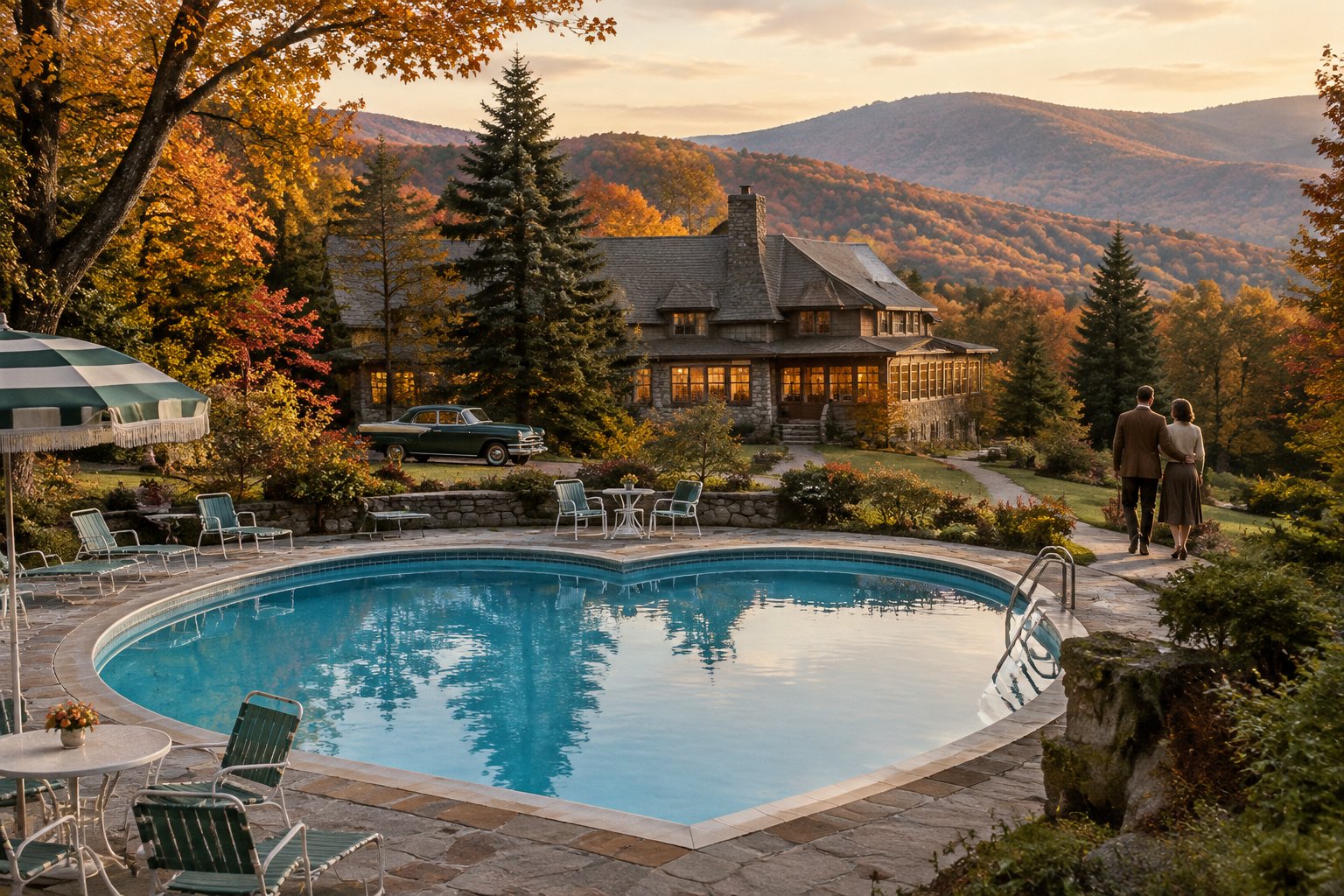
If the romance-era story has you curious, you can explore Pocono honeymoon resorts and see how today’s getaways carry pieces of that legacy forward.
How Did the Poconos Become a Resort Destination?
The Poconos grew into a resort destination through scenic attractions, boarding houses, rail travel, and later road access from major cities. You can follow that change from the Delaware River’s dramatic gap to the lakes and mountain communities that drew vacationers.
Early Communities and the Delaware Water Gap
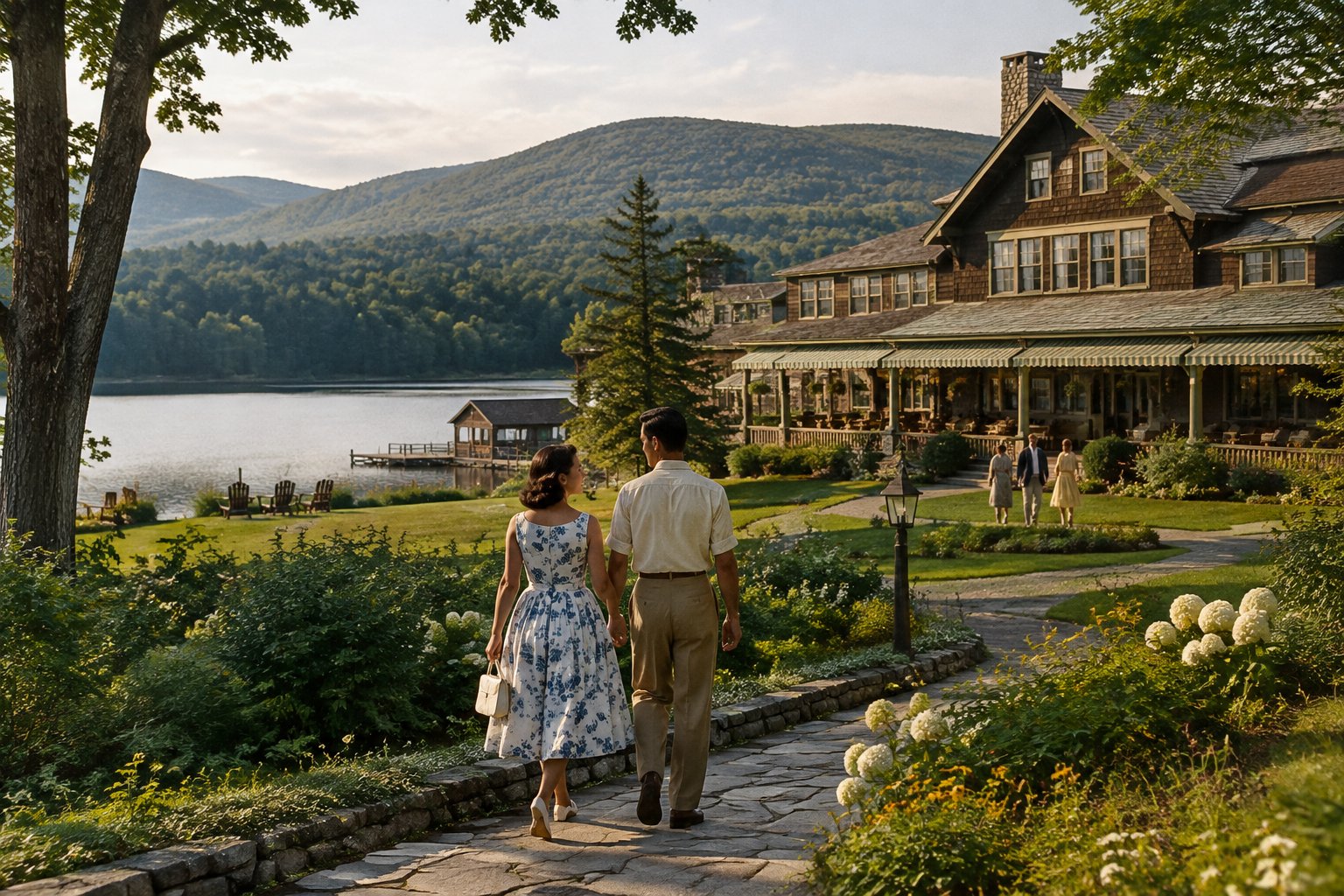
Long before resort tourism, Indigenous communities lived throughout the region. The Delaware Water Gap’s cliffs and river views later drew visitors from Philadelphia and New York, who came for cooler summer air and outdoor recreation.
The Delaware Water Gap became a landmark for travelers and vacationers. Today, you can connect that early draw to protected landscapes such as the Delaware Water Gap National Recreation Area and the Upper Delaware Scenic and Recreational River. These public lands preserve the river corridor and offer hiking, paddling, and scenic drives.
Anthony Dutot and the First Boarding House
In 1829, Anthony Dutot established a boarding house near the Delaware Water Gap, helping launch the area’s visitor economy. As more city residents sought mountain air, local households welcomed summer boarders, and hotels grew to serve guests arriving for longer stays.
Rail travel helped make those visits practical. Honesdale became an important point in early railroad history when the Stourbridge Lion ran on commercial tracks in 1829. With trains connecting the region to urban centers, more travelers could reach the mountains without a long carriage journey.
Coal, Railroads, and Lake Wallenpaupack
Coal and transportation helped shape the region’s growth. Josiah White and the Lehigh Coal & Navigation Company built the coal trade in eastern Pennsylvania, while rail lines moved people and goods across the region. The same transportation links that served industry also helped resorts welcome visitors.
In 1926, PPL Electric Utilities began construction of Lake Wallenpaupack as a power project. The resulting lake became a major recreation destination, drawing visitors for boating, fishing, and lakeside stays. You can still see how industry, infrastructure, and natural scenery combined to shape Pocono tourism.
Why Did the Poconos Become the Honeymoon Capital of the World?
The Poconos earned their romantic reputation after World War II, when resorts marketed private escapes to newlyweds and heart-shaped bathtubs turned that image into a national sensation. The combination of themed rooms, couples-focused activities, and memorable advertising helped define the region’s honeymoon era.
The Farm on the Hill and the Postwar Boom
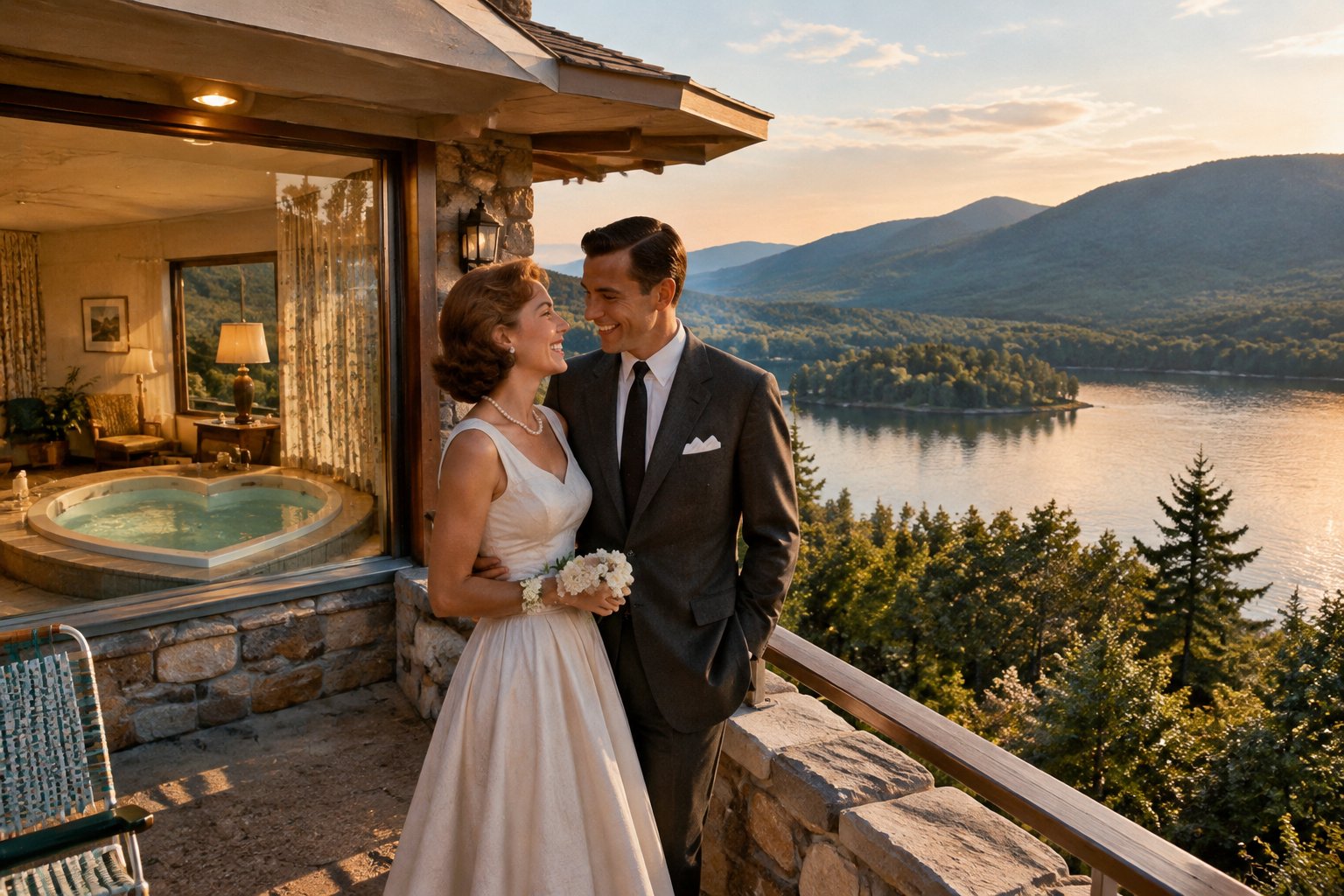
In 1945, Rudolf Von Hoevenberg opened The Farm on the Hill, often described as the first Pocono honeymoon resort. Its cabins, lodge, and organized activities gave newlyweds a dedicated place to celebrate after wartime separations and the rush of postwar weddings.
The idea caught on. Resorts expanded through the 1940s and 1950s, offering couples meals, dancing, and group activities in a mountain setting. Highways later made the area easier to reach by car, widening its appeal to couples from nearby cities.
Heart-Shaped Bathtubs Put the Poconos in the Spotlight
The heart-shaped bathtub helped turn the region’s romantic image into a pop-culture symbol. Morris Wilkins introduced the tub at Cove Haven Resort in 1963, at its Lakeville, Pennsylvania, property. Coverage in Life Magazine in the early 1970s brought the novelty to a broad audience, and other resorts followed with themed suites and distinctive bath features.
The tubs were playful, dramatic, and easy to remember. They helped strengthen the Honeymoon Capital of the World label and gave couples a clear reason to choose a Pocono resort for a special trip. If you’re drawn to that playful side of the era, you can browse Pocono honeymoon packages for current romantic stays.
Lakeville and the Rise of Couples-Only Resorts
Lakeville became closely tied to couples’ tourism through Cove Haven and its themed accommodations. Mount Airy Lodge also became a well-known name in the region’s resort era, with entertainment and activities that helped attract vacationers.
As more properties focused on couples, the experience became a distinct vacation style. Resorts promoted private suites, shared recreation, and romantic touches, creating a recognizable alternative to the family-oriented hotels and boarding houses that came before.
What Defined the Classic Pocono Honeymoon Resorts?
Classic Pocono honeymoon resorts built their appeal around themed suites, on-site recreation, and a full vacation experience for couples. Their scale and style varied, from intimate lodges to large properties with pools, golf, and winter activities.
Signature Amenities and Couples-Only Getaways
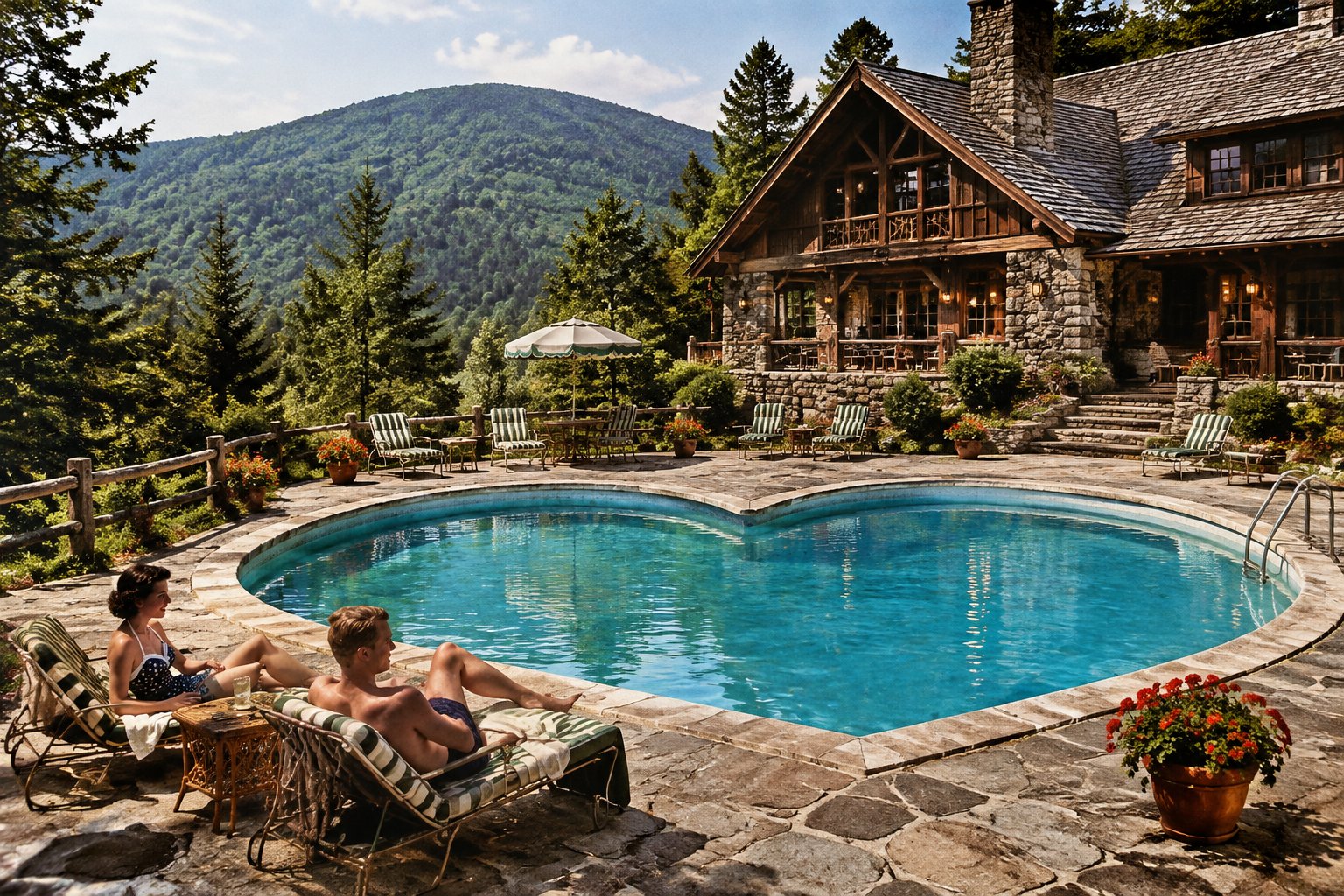
Heart-shaped bathtubs became the best-known feature, joined by mirrored rooms, private pools, and oversized whirlpools. Many resorts paired these touches with dining, dancing, swimming, and seasonal activities, keeping guests on the property for much of their stay.
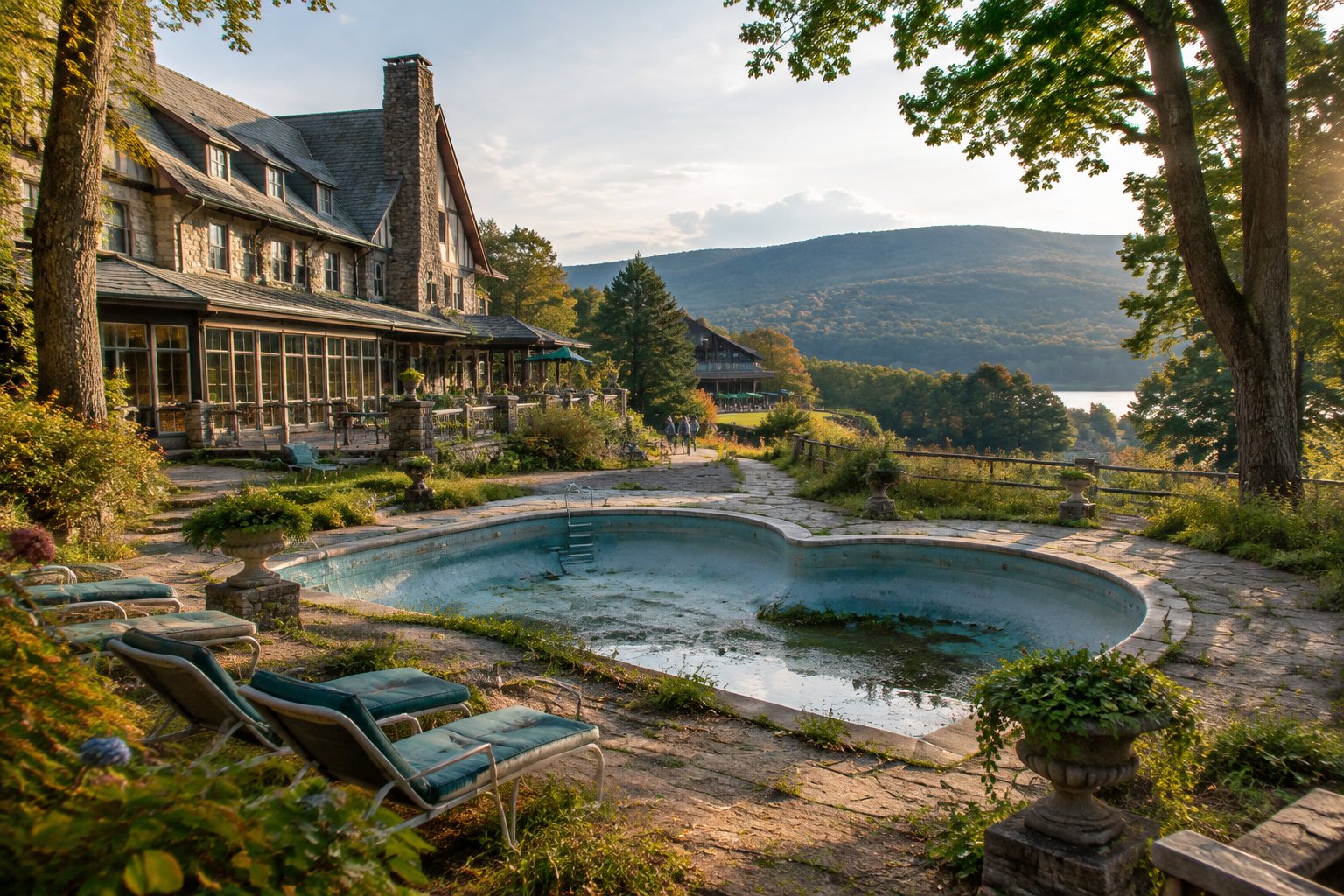
The approach made each resort feel like a self-contained getaway. A couple could book a themed suite, spend the day at the pool or on the slopes, then return for an evening of resort entertainment. You can see how those old properties have changed through this map of abandoned Pocono honeymoon resorts, while keeping in mind that abandoned sites may be private and unsafe to enter.
Resorts Remembered Across Monroe County
Monroe County’s resort landscape included Penn Hills Resort in Analomink, Unity House Resort, White Pines Resort, and Buck Hill Falls Inn. Other names that became part of the region’s history include Pocono Gardens Lodge, Caesars Brookdale Resort on the Lake, and Birchwood Resort.
You may also come across Summit Resort, also called The Summit Resort, in Tannersville, and Fernwood Resort near Bushkill. Their offerings differed, yet each name reflects the variety of places that drew couples to the mountains. Across the Poconos, the resort era also included properties such as Brookdale Treatment Resort, a later chapter in the story associated with Caesars Brookdale.
How Former Resort Sites Have Changed
Former resort properties have followed different paths. Some closed and were demolished, while others were reused or left with buildings that remain on private land. Penn Hills Resort, for example, was demolished in 2021. The property has since become associated with Jinyin Temple of Sino Esoteric Buddhism.
You can find traces of the era in local history, old advertisements, and the changing landscapes around former properties. Site conditions and access vary, so treat abandoned buildings as private places and view the history through public roads, museums, or other authorized locations.
How Did the Resort Era Change After Its Peak?
The honeymoon resort era declined as operating costs rose, vacation tastes shifted, and new attractions broadened the Poconos’ appeal. The region responded by developing family resorts and four-season activities that could draw visitors year-round.
Closures, Rising Costs, and Changing Vacation Tastes
By the 1990s, several well-known honeymoon resorts had closed. Older properties faced the cost of maintaining large buildings and specialized rooms, while couples gained more choices for honeymoons and romantic travel. You can place the Poconos’ shift within a wider market that now includes many honeymoon resort destinations across the United States.
Some resorts invested in renovations or changed their focus. Others could not keep pace with rising expectations for updated rooms, dining, and entertainment. The closures marked a major change in the region’s identity, though romance remained part of its tourism story.
From Romantic Retreats to Family Attractions
Newer resorts built around waterparks and family activities helped reshape the visitor experience. Great Wolf Lodge brought a large indoor waterpark resort to the area in 2005. Kalahari Resorts and Conventions and Camelback Lodge and Aquatopia Indoor Waterpark added more indoor attractions, giving families options in every season.
This newer model offers visitors a broader set of activities under one roof. You can swim, dine, and stay on-site, with attractions designed for children and adults. For couples, that shift means you’ll find romantic retreats alongside larger, family-focused properties.
Skiing, Racing, and Four-Season Tourism
Skiing gave the Poconos a winter draw. Big Boulder Ski Area opened in 1946, and snowmaking helped make skiing more dependable. The region added other outdoor options too, including whitewater rafting in warmer months.
Motorsports expanded the calendar as well. Pocono International Raceway opened in 1971 and later became known as Pocono Raceway, drawing major racing events. Today, the Poconos Mountains combine skiing, racing, waterparks, hiking, and lake recreation, giving you reasons to visit beyond the traditional summer and honeymoon seasons.
Where Can Visitors See the Poconos’ Resort Legacy Today?
You can see the resort legacy in restored historic inns, active couples’ properties, modern destinations, and the stories preserved around former hotels. The best way to experience it is to pair a current stay with a look at the area’s architecture and local history.
Historic Inns and Modern Resort Experiences
Hotel Fauchere in Milford offers a connection to the region’s older hotel tradition, while Mount Airy Casino Resort carries forward the history of Mount Airy Lodge with a modern casino and resort experience. The Lodge at Woodloch represents a newer approach centered on spa stays and wellness.
For a romantic trip, Cove Haven Resort and Pocono Palace Resort keep the couples’ getaway tradition visible. You can compare today’s romantic couples’ vacation destinations and look for stays that fit the style of trip you want. For a more budget-conscious plan, explore affordable honeymoon destinations in the Poconos and check current dates and inclusions before booking.
Remembering Abandoned Resorts Responsibly
Names such as Penn Hills Resort and Pocono Gardens Lodge remain part of the area’s shared memory, alongside Unity House Resort, Buck Hill Falls Inn, Summit Resort, Birchwood Resort, and Caesars Brookdale Resort on the Lake. Their buildings and sites have changed in different ways, so a name in an old postcard does not guarantee that a property is open or safe to visit.
You can honor the history by viewing public historical materials, supporting preservation work, and respecting fences and posted signs. Some former sites are private, repurposed, or no longer standing.
Romantic Getaways in a New Era
The Poconos still welcome couples, though the options now include spa retreats, lake stays, and resorts with a wider range of activities. Cove Haven Resort preserves a direct link to the heart-tub era, while newer properties give you a different kind of escape.
To connect a present-day visit with the past, choose a stay near a historic town or lake and take time to explore local landmarks. Pocono Raceway also offers a reminder that the region’s reinvention reached far beyond romance, adding sports and entertainment to its tourism story.