
Sample Wedding Day Itinerary: A Practical Hour-by-Hour Plan
A practical sample wedding day itinerary for a 5 p.m. ceremony starts with morning preparations, schedules portraits before the vows, and gives your reception a clear flow through the grand exit.

Your wedding day timeline should give you enough structure to keep your plans moving while leaving room to enjoy the day. A 5 p.m. wedding day itinerary timeline is a useful starting point when you want to map out your wedding day itinerary by the hour.
A 5 p.m. Wedding Day, Hour by Hour
A 5 p.m. ceremony gives you time for a full morning of preparation and pre-ceremony photos. This wedding timeline includes a first look, so you can complete most portraits before the vows and join your guests for cocktail hour.
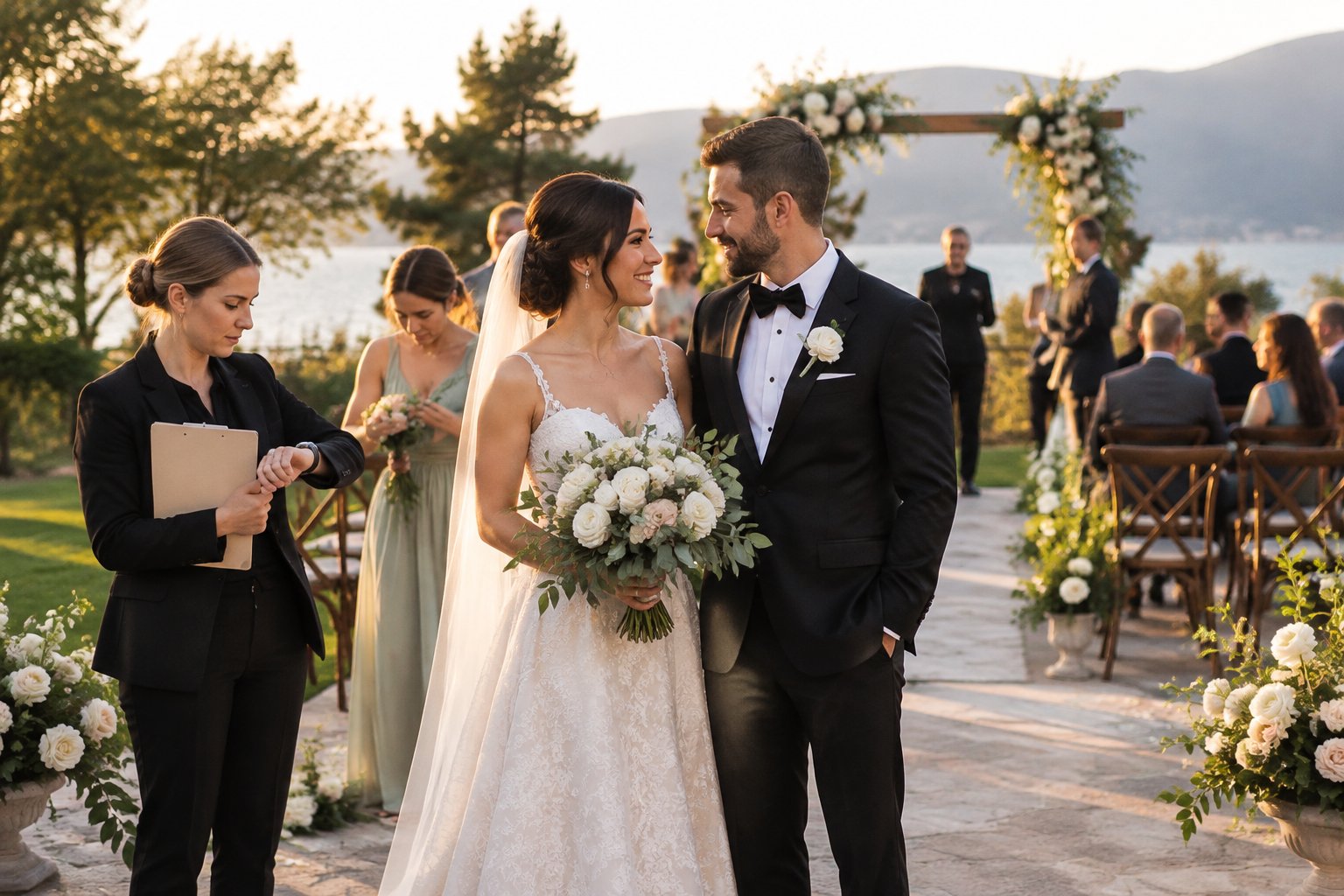
Morning Preparation and Getting Ready
Start hair and makeup early enough for your group size, then leave time to eat, get dressed, and capture details. Share the call times with your wedding party so everyone knows when to arrive and be ready.
- 8:00 a.m.: Hair and makeup begins.
- 11:30 a.m.: Take a meal break and check that everyone is on schedule.
- 12:30 p.m.: Your photographer arrives to photograph outfits, rings, invitations, and other details.
- 1:30 p.m.: Your wedding party gets dressed and finishes personal preparations.
- 2:00 p.m.: You get dressed, with time for a few getting-ready portraits.
First Look Photos and Wedding Party Portraits
A first look lets you take couple portraits before the ceremony, while your wedding party and family are already dressed and ready for photos. Set aside clear blocks of time, then share your photo list and family names with your photographer.
- 2:30 p.m.: First look and couple portraits.
- 3:15 p.m.: Bridal party photos.
- 3:45 p.m.: Family photos, if you want to take some before the ceremony.
- 4:15 p.m.: Finish portraits, freshen up, and prepare for guests to arrive.
A simple plan for making your wedding itinerary can help you organize call times, locations, and photo groupings in one place.
Ceremony, Family Photos, and Cocktail Hour
Your ceremony and photo schedule set the pace for the transition into cocktail hour. Ask a family member to help gather relatives for portraits, and give your guests a place to mingle while photos wrap up.
- 4:30 p.m.: Guests arrive and take their seats.
- 5:00 p.m.: Wedding ceremony begins.
- 5:30 p.m.: Ceremony ends; guests move to cocktail hour.
- 5:30 p.m.: Take any remaining family photos and couple portraits.
- 6:30 p.m.: Guests are invited into the reception space.
Your ceremony length depends on the service you have planned, so confirm the expected end time with your officiant. If you schedule family photos after the ceremony, prepare a short list of groups and ask someone who knows your relatives to help gather them.
How Does the Reception Flow?
Your wedding reception itinerary works best when guests know where to go and your vendors share the same schedule. A one-hour cocktail period followed by dinner, toasts, dancing, and a planned exit gives your wedding reception timeline a clear shape.
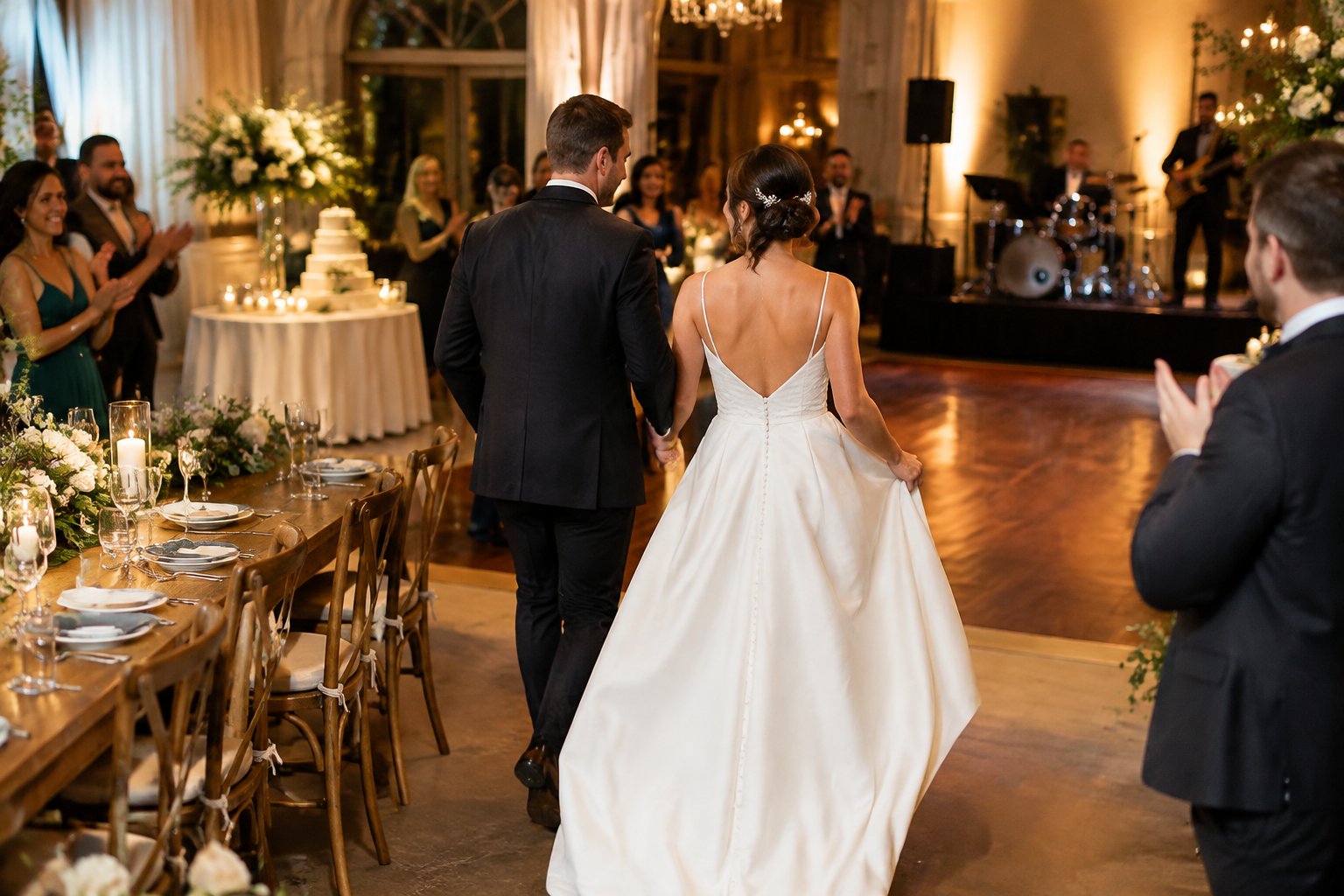
Grand Entrance and First Dance
Move from your grand entrance into your first dance while guests are gathered and the room’s attention is on you. Your DJ or emcee can invite guests to their seats before the entrance and announce the wedding party in the order you choose.
- 6:30 p.m.: Guests enter the reception space and find their seats.
- 6:45 p.m.: Wedding party and couple make their grand entrance.
- 6:55 p.m.: You share your first dance.
For a closer look at the order of events in a wedding reception, decide which formal moments you want before you set the dinner timing.
Dinner, Toasts, and Parent Dances
Ask your caterer to set the meal pace, then place toasts between courses or after dinner. Keep speakers informed of their time limits so you can fit parent dances and dancing into the evening.
- 7:05 p.m.: Dinner begins, with a welcome toast if you have planned one.
- 7:45 p.m.: Wedding party or family toasts.
- 8:15 p.m.: Parent dances.
- 8:30 p.m.: Open the dance floor.
Your dinner service style affects the schedule. A buffet needs time for tables to be called, while plated service depends on your caterer’s pacing.
Cake Cutting, Dancing, and the Grand Exit
Place cake cutting where it fits your plans, then reserve a clear window for dancing and your exit. Tell your venue and DJ the reception end time so the final announcement and music cue are ready.
- 9:15 p.m.: Cake cutting and dessert.
- 9:30 p.m.: Dancing continues.
- 9:50 p.m.: Guests gather for your grand exit.
- 10:00 p.m.: Reception ends with a sparkler send-off, if your venue permits sparklers.
If you prefer a relaxed reception, you can cut the cake without pausing the dance floor. Confirm any send-off rules with your venue before adding sparklers to the wedding reception timeline.
How Can You Adjust the Timing to Fit Your Plans?
Build your wedding timeline around the ceremony start, venue access, photo needs, and reception end time. Your wedding planner can help you fit each event into the day while coordinating vendor arrival and transitions.
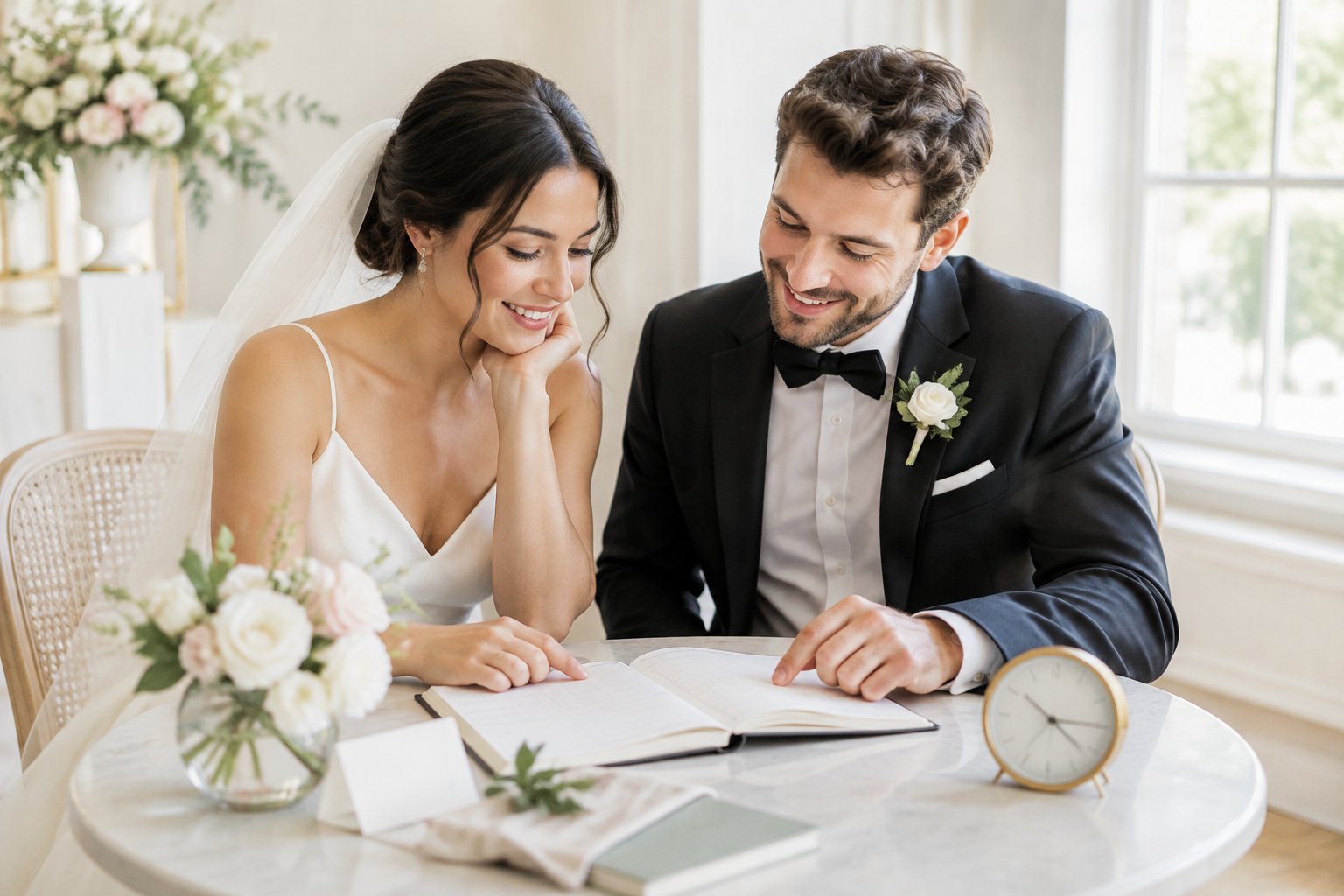
Set Ceremony and Reception Time Anchors
Choose the ceremony start and reception end first, then work backward to set preparation and photo times. Check venue access hours and vendor arrival windows before finalizing the schedule.
Your wedding planning timeline can help you keep early planning deadlines separate from the schedule for the day itself.
If your ceremony and reception are at different locations, include travel time for your wedding party and guests. Add time for parking, walking between spaces, and getting seated.
Build in Photo, Travel, and Transition Buffers
Add small breaks around major transitions so a late start in one part of the day does not affect every event that follows. Allow time for touch-ups after portraits, travel between venues, and moving guests from the ceremony to cocktail hour.
For sunset portraits, check the sunset time for your date and location, then agree on a short photo window with your photographer. If you want to make more time for guests, complete your first look photos before the ceremony.
Coordinate Timing With Your Wedding Planner and Vendors
Give your wedding planner, photographer, caterer, DJ, and venue team the same event times and location details. Confirm who will cue each transition, such as opening the reception doors or inviting guests to the dance floor.
A destination wedding adds travel details to your planning. Include arrival times, transportation, and event locations in your destination wedding itinerary for guests, and give your vendors the more detailed schedule they need to do their jobs.
What Details Belong in Each Version of the Itinerary?
Create separate versions for the people who need to run the day and the guests who need to follow it. Your wedding itinerary template can hold the full schedule, while your wedding website shares the key times and travel details.
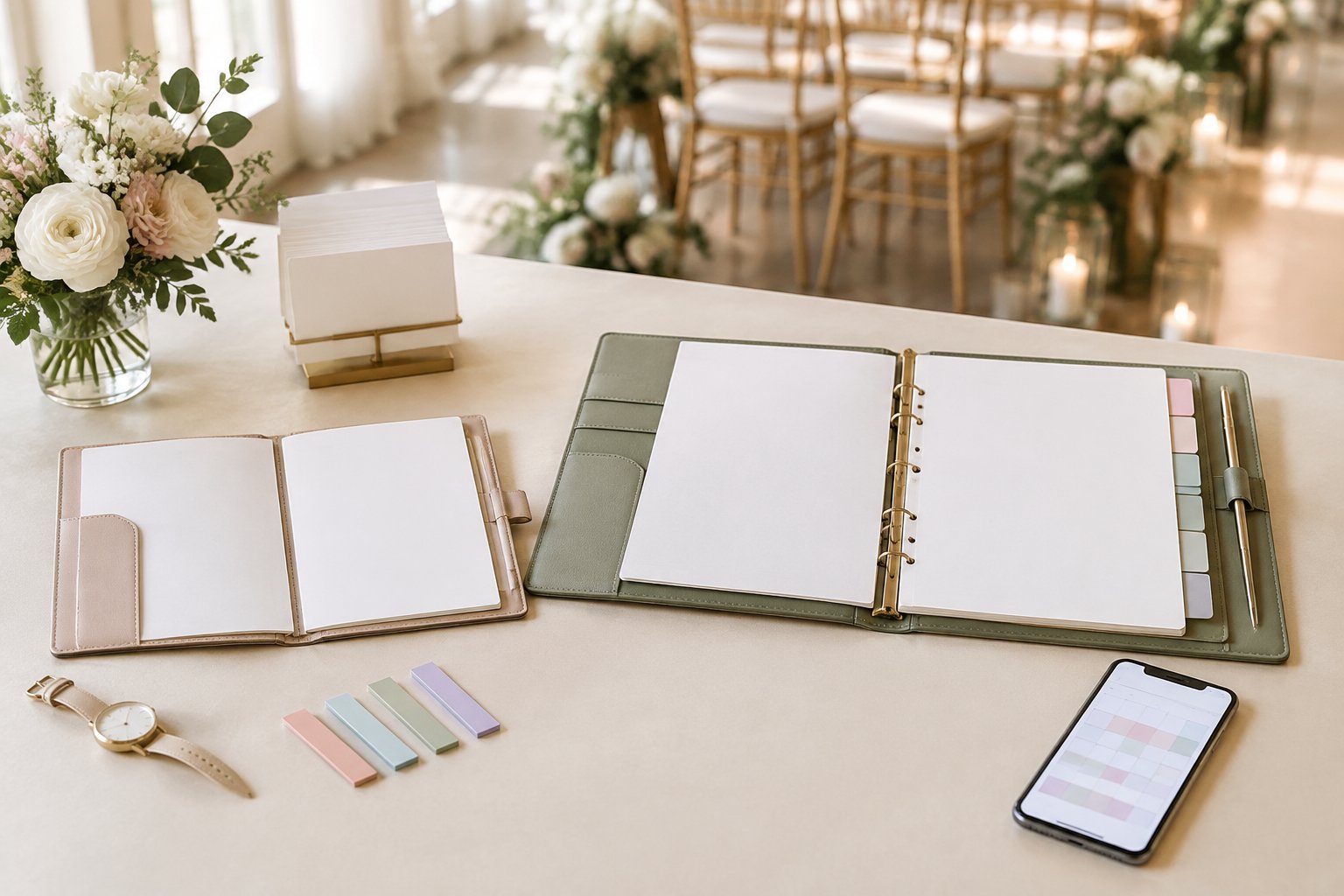
Share a Detailed Schedule With Vendors and the Wedding Party
Your vendor schedule should include exact times, locations, contact details, and responsibility for each handoff. Give your wedding party call times and instructions for where to gather, where to leave personal items, and who to contact with questions.
Include setup and breakdown windows for vendors, plus any venue access limits. Your planner or day-of coordinator can keep the schedule handy and cue the next event.
Give Guests a Simple Schedule and Key Logistics
Guests need the ceremony time, arrival guidance, venue addresses, transportation details, and reception end time. Share these details on your wedding website and include any information guests need to plan ahead, such as parking or shuttle service.
For a multi-day celebration, a wedding weekend itinerary helps guests see which events are part of the main celebration and which are optional.
Use a Template to Keep Everyone on the Same Page
A wedding itinerary template gives you one place to update event times and share the current version. Use clear labels for each event, identify the person responsible for a cue, and mark any timing that still needs confirmation.
Keep your detailed vendor schedule separate from the guest-facing schedule. Before sharing either version, check that the ceremony time, addresses, and transportation details match across your documents.
What Should You Schedule Before the Wedding Day?
Schedule your ceremony rehearsal and rehearsal dinner before the wedding day, then add optional events if they suit your celebration. These plans help your wedding party understand where to be and give guests a clear schedule for the days around the ceremony.
Plan the Ceremony Rehearsal
Set a rehearsal time with your officiant and wedding party, then confirm the ceremony location and arrival instructions. Walk through the processional, where each person stands, and how the ceremony ends.
Ask someone to bring the ceremony items you will need for practice, such as a copy of the readings or any items used in the vows. Share the rehearsal time with the people who have a role in the ceremony.
Make Time for the Rehearsal Dinner
Choose a rehearsal dinner time that gives your wedding party and close family time to eat and talk before the wedding. Share the address, start time, and transportation details with everyone invited.
If you plan to give toasts or gifts, include those moments in the dinner schedule. Keep the end time clear so your wedding party can return to their lodging and get enough rest.
Add Optional Events to a Multi-Day Celebration
A welcome gathering or farewell brunch gives guests more time to connect, especially when they travel for your wedding. Add each event’s time, location, dress guidance, and attendance details to your wedding planning materials.
For a full weekend, keep optional activities easy to identify and include transportation details for each venue. Your wedding party and guests can then follow the schedule that fits their plans.