
Should a Bride Cover Her Face? Exploring Traditions and Modern Choices
Deciding whether to cover your face with a veil on your wedding day is a personal choice that can spark a lot of questions. Traditionally, a veil symbolizes purity and modesty, while adding a timeless elegance to your bridal look. Many brides find that this classic element brings a special touch to their overall wedding theme.
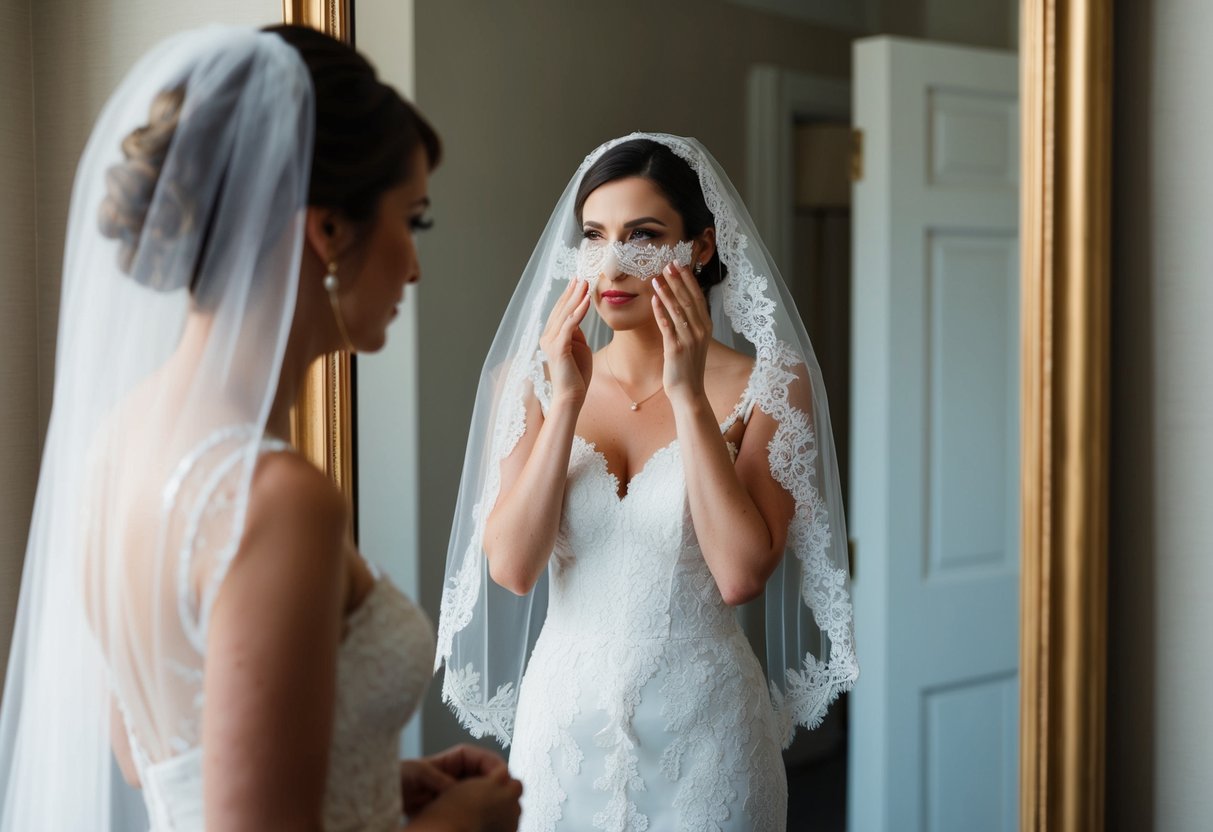
As you plan your special day, consider what the veil means to you. It can be a statement of tradition or simply a beautiful accessory that complements your dress. Ultimately, it’s about what feels right for you in this moment.
Whether you choose to cover your face or not, the key is to embrace your style and make sure it reflects who you are. Your wedding day is a celebration of love, and every detail should resonate with your personal journey.
Historical Significance of Veiling
The tradition of wearing a veil has deep historical roots and a rich variety of styles. Understanding the evolution of veiling can offer insight into its symbolic meanings in wedding ceremonies.
Veil Styles Through the Ages
Throughout history, bridal veils have taken on many forms. In ancient Rome, brides wore veils to protect themselves from evil spirits, covering their faces completely as they walked down the aisle. This practice aimed to ward off bad luck during the ceremony.
As time progressed, different cultures adapted their veiling traditions. During the Middle Ages, veils became more about modesty and were often worn to signify a woman’s purity. The styles varied, with some brides wearing full-length veils, while others opted for shorter styles that adorned their hair.
Today, you can find many types of veils, including the classic blusher veil, which covers the face, and the mantilla veil made from lace. Each style carries its own charm and significance, allowing you to choose one that resonates with your vision for your wedding day.
Symbolism in Bridal Veils
Bridal veils carry multiple layers of symbolism. Traditionally, they represent purity, modesty, and the transition into a new life. When you wear a veil, you may connect with a long-standing belief that it shields you from negative energies as you embark on this significant journey.
In many cultures, the act of lifting the veil also holds importance. It signifies the groom’s unveiling of the bride, symbolizing trust and the start of their shared life.
The specific style of veil you choose can also express your personality and values. For example, a longer veil may evoke classic elegance, while a shorter, modern style can reflect contemporary trends.
Contemporary Bridal Fashion
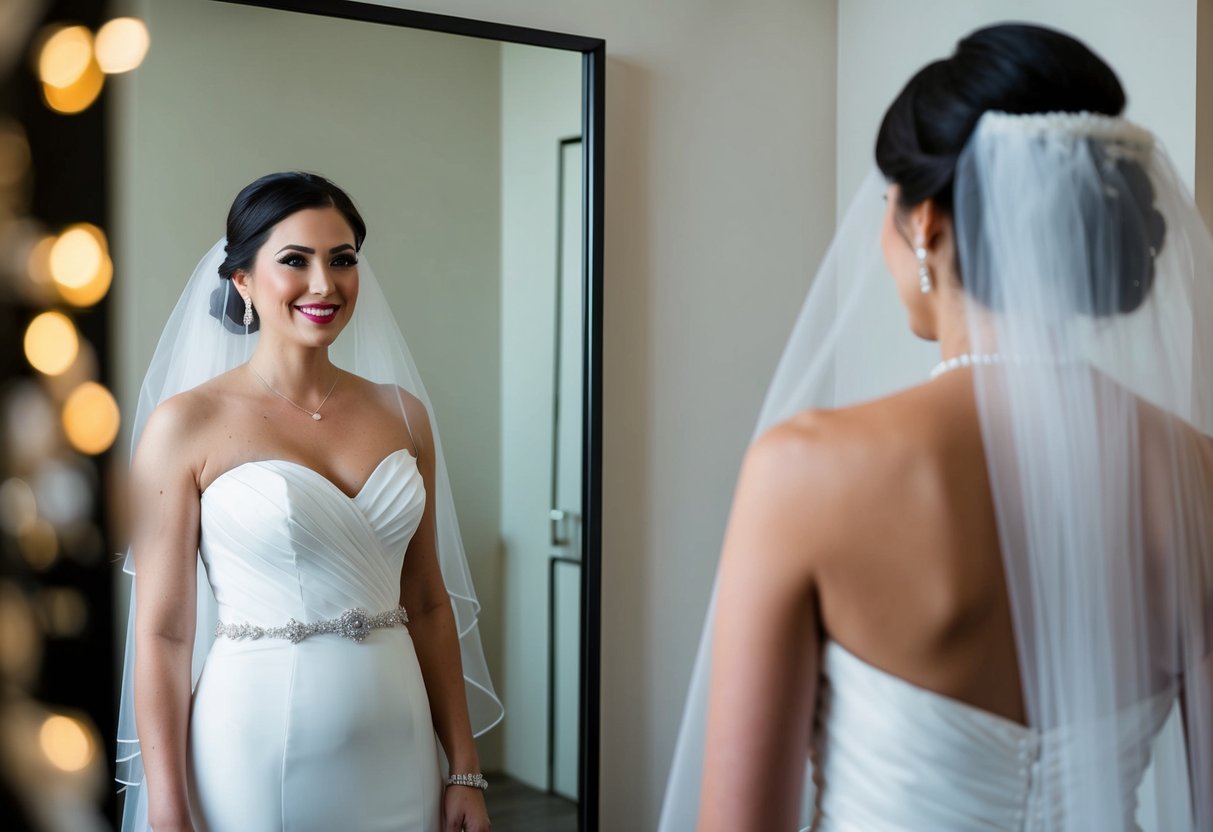
Choosing how to wear your veil or whether to wear one at all is a personal decision. Today, brides incorporate their unique style into these choices, making each bridal look special.
Wedding Dress and Veil Coordination
Your wedding dress sets the tone for your entire look. When selecting a veil, consider how it complements your dress.
For example, if your dress is intricate with lace details, choose a simple veil to maintain balance. On the other hand, if your gown is sleek and modern, a dramatic, embellished veil may add that extra flair.
Pay attention to the color and fabric as well. A veil in the same shade as your dress enhances harmony.
Think about the length too. Long veils can lend a romantic feel, while shorter ones offer a chic and contemporary vibe.
Choosing the Right Veil for Your Bridal Look
Selecting the right veil involves understanding your personal style. If you prefer classic elegance, a cathedral veil may speak to you.
For a boho look, consider a veil adorned with floral details or in a flowy fabric. Simple, sheer veils are great for a minimalist approach.
Also, think about the veil’s placement. A veil worn at the back of the head can provide a soft and romantic aura, while a front placement can create a striking detail.
Unique Veil Alternatives
If a traditional veil isn’t your style, there are plenty of unique alternatives. Many brides now choose bridal caps or headbands that add a touch of whimsy.
Floral crowns provide a fresh and natural look, perfect for outdoor weddings.
Another option is a fascinator, which can be both playful and elegant.
You might also consider using a scarf or piece of fabric that captures your personal style while adding a layer of sophistication.
These alternatives allow you to express your individuality without following conventional norms.
Ceremonial Aspects of Wearing a Veil
Wearing a veil on your wedding day adds a rich layer of tradition and meaning. Many brides choose to cover their face to heighten the moment of unveiling during the ceremony and to honor age-old customs.
Unveiling of the Bride
The unveiling of the bride is a significant moment in the ceremony. This act often occurs during the exchange of vows or right before the first kiss.
As you walk down the aisle, the veil covering your face can create a sense of anticipation. Your loved ones await this special reveal. The veil adds a touch of elegance and mystery to the event.
When the time comes, it’s typically your groom who lifts the veil. This gesture symbolizes not just the unveiling of your beauty but also the joining of two lives.
It marks the transition from the individual to the couple, enhancing the emotional weight of the moment.
Roles in The Traditional Veiling
In many ceremonies, the maid of honor plays a special role in your unveiling. She helps ensure the veil is correctly positioned before you walk down the aisle.
Traditionally, a bride’s parents or her family may also be involved. They might place the veil on you as a sign of blessings and protection.
Each role adds to the personal touch of your ceremony. This highlights the bond you share with your loved ones on this important day.
Making the Personal Choice
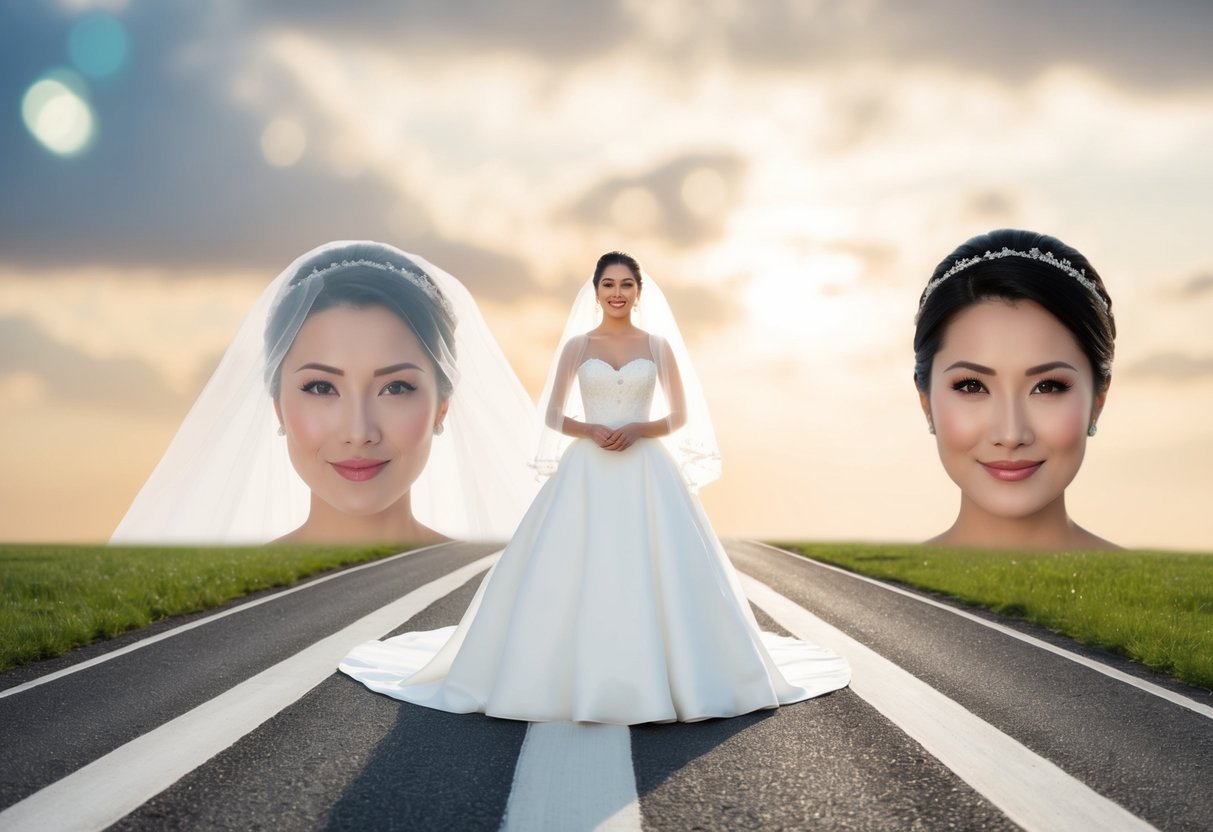
Deciding whether to cover your face with a veil is a deeply personal choice. This decision often blends elements like personal beliefs, modesty, and your unique style. Let’s explore what factors may influence your choice.
To Veil or Not to Veil?
When considering if you should wear a veil that covers your face, think about the message you want to convey.
For some, a face-covering veil is a symbol of modesty and tradition, reflecting values that are important to them. Others view it as an opportunity for an element of surprise during the ceremony. Imagine the moment your partner pulls the veil back, revealing you as a highlight of your big day.
You can also choose styles like the birdcage veil, which can offer a modern twist while still maintaining some traditional aspects. Ultimately, this choice is about what makes you feel comfortable and beautiful.
Incorporating Personal Beliefs and Style
Your beliefs and personal style should guide your decision. If modesty is a priority for you, a traditional veil might feel right. Many brides incorporate this element to honor cultural or familial traditions.
On the other hand, you might feel that not covering your face aligns more with your personality. Veils come in various styles, from long flowing options to chic birdcage veils, allowing you to express your individuality.
Keep in mind, brands like Tessa Kim Bridal offer a range of styles that cater to different preferences. Whatever you choose, make sure it represents you in the best way possible.