
Should All Parents Sit Together at a Wedding? Navigating Family Dynamics on Your Special Day
Weddings are full of joy, love, and often a few dilemmas, especially when it comes to seating arrangements. The decision on whether all parents should sit together at a wedding can depend on family dynamics and personal preferences. It’s important to consider how comfortable everyone feels, as a harmonious atmosphere can enhance the celebration.
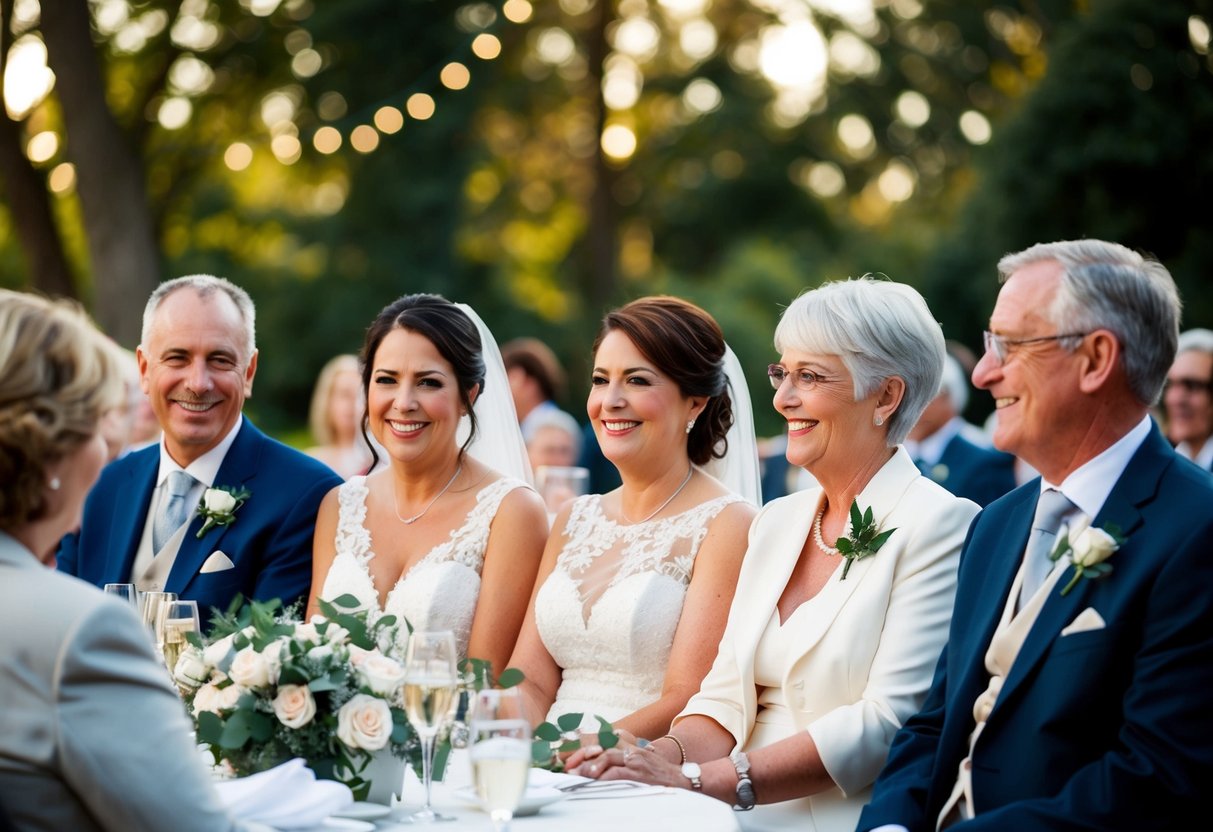
You might wonder how to balance traditions with modern family structures. Some couples prefer to have both sets of parents at the same table, promoting unity. Others might opt for different arrangements to ensure everyone feels comfortable and included.
Your wedding day is about celebrating love, and that includes your families coming together. As you plan your seating, think about what makes the most sense for your unique situation. Finding the right arrangement can lead to a more enjoyable experience for everyone involved.
Understanding Wedding Seating Arrangements
Seating arrangements at a wedding can greatly influence the experience of your guests. Choosing the right seating chart and table types ensures everyone feels comfortable and included. Let’s dive into the essentials.
The Basics of Seating Charts
A seating chart is your blueprint for where guests will sit during the wedding reception. It helps manage who sits where, which is especially important for blended families or groups that may not get along.
When creating a chart, start by listing your guests. Consider relationships and dynamics to avoid awkward situations. A simple diagram can work wonders.
Label tables with numbers or names. You can use a big display board at the entrance for guests to locate their seats easily. Don’t forget to account for guests who may arrive late or change plans.
Types of Seating Tables
There are various table setups to choose from for your reception. Here are the most common types:
-
Head Table: The main table for the couple and their bridal party. It’s often larger and more elegantly decorated.
-
Sweetheart Table: A small table just for the couple, offering intimacy during the reception.
-
Top Table: This includes the couple, parents, and special guests, positioned prominently for all to see.
-
Round Tables: These promote conversation and can seat groups of 6-10 people.
-
Long Tables: Great for larger groups, fostering a communal feel while still allowing for intimate conversations.
Seating Etiquette Overview
Wedding etiquette plays a crucial role in your seating arrangements. Ideally, parents should sit near the couple to show their support. This can be at the head table or a separate table nearby.
For divorced or remarried parents, consider seating them at different tables to reduce tension. Also, it’s thoughtful to consider guests with special needs. Ensure they are seated comfortably where they can easily access food and drinks.
You might also include a mix of family and friends at tables to promote lively conversations. Be clear about your choices with your guests, so they understand their assigned spots. This intentional planning makes the day smoother for everyone.
Navigating Family Dynamics at Weddings
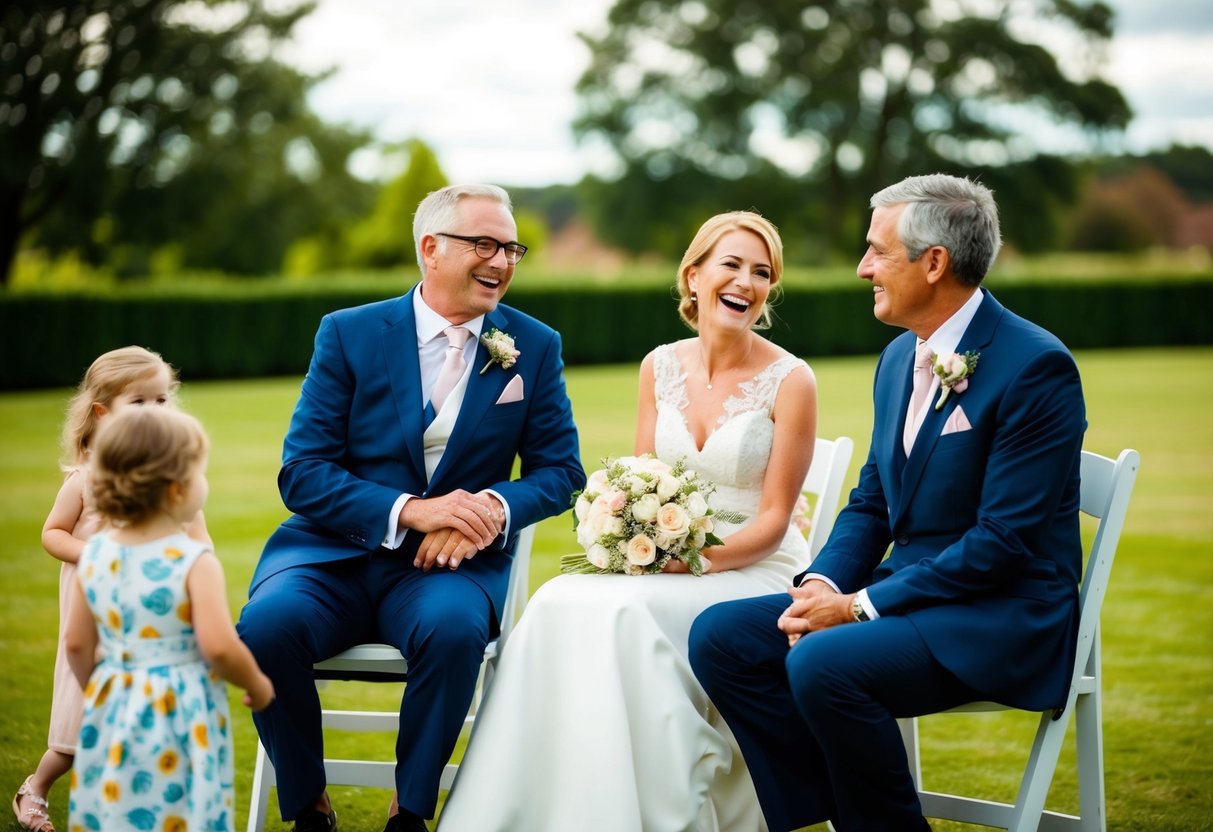
Weddings can bring together family members from different backgrounds. Understanding how to navigate family dynamics is key, especially when it comes to seating arrangements. This section covers some common scenarios, like seating divorced parents, including the bridal party, and accommodating grandparents.
Seating Divorced Parents
Seating divorced parents can be tricky. You want to avoid any tension while still making everyone feel included. One option is to seat them at separate tables, each with supportive friends or family.
Consider designating specific family tables. You can arrange them with other relatives to create a comfortable environment. Be open with your parents about your seating plan. This can help them understand your choices and minimize any hurt feelings.
Including the Bridal Party
Your bridal party plays a special role in your wedding. It’s nice to make sure they have their own space while still feeling part of the family celebration.
You can seat members of the bridal party near you but also designate some seats for family. Mixing them can help foster a friendly atmosphere. This way, both groups can engage with each other, creating a warm gathering.
Remember to check if the bridal party has any requests. Their comfort matters too, as they have likely supported you through the planning.
Accommodating Grandparents
Your grandparents are essential guests who often appreciate being included in every family gathering. Create a special spot for them at the wedding.
Seat them at a table that is easily accessible. Consider their mobility needs. It’s best to keep their table close to the action but away from noisy areas.
Including them with family members they know will make their experience better. You can also provide extra attention during toasts and special moments so they feel celebrated and included throughout the day.
Creating a Comfortable Experience for Guests
Planning your seating arrangements with guest comfort in mind can help create a relaxing atmosphere at your wedding. Thoughtful organization can ease any tension and make sure everyone feels welcome.
Assigning Seats with Guest Comfort in Mind
Consider your guests’ relationships and preferences when assigning seats. It’s essential to group people who know each other or share common interests. This helps spark conversations and keeps everyone comfortable.
Use place cards to guide guests to their seats. This not only helps with flow but also removes confusion. Additionally, escort cards can indicate table numbers, making navigation easier.
Pay attention to the seating arrangement of parents, especially if there are stepparents involved. If they get along, seating them together may enhance everyone’s experience.
Managing RSVPs and Reserved Seating
Collecting RSVPs early allows you to make informed decisions on seating. Be clear with guests about how to respond.
Knowing who is coming can help avoid last-minute surprises and extra chairs.
Designate reserved seats for special guests like parents of the couple. This honors their role and provides them with a comfortable spot.
It’s smart to have a plan in case of no-shows or unexpected guests. Create a flexible seating map to ensure a smooth flow throughout the event. Keeping track of everything will help make your guests feel valued on your special day.
Tips and Tricks for a Perfect Seating Plan
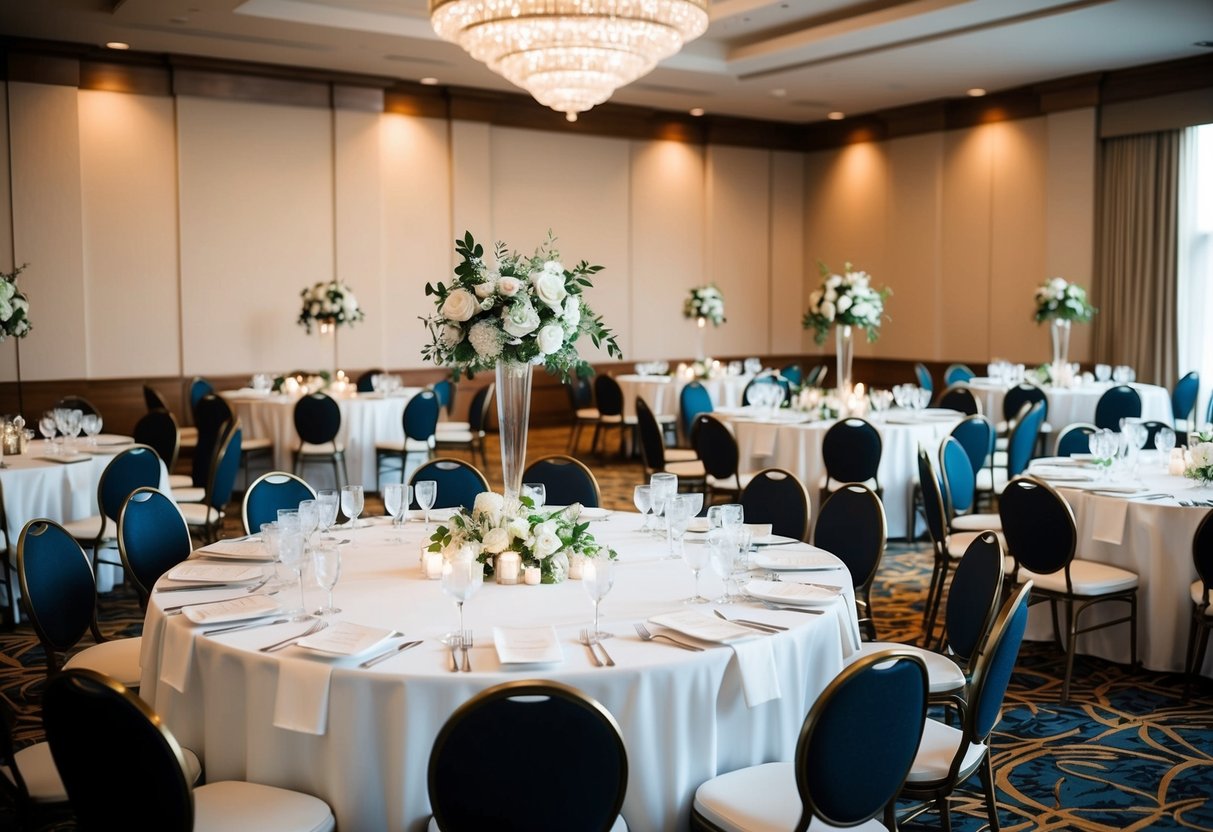
Creating the ideal seating arrangement for your wedding can make guests feel comfortable and included. Consider strategies that involve careful planning and thoughtfulness to ensure everything flows smoothly during your celebration.
Involving Wedding Planners
Engaging a wedding planner can simplify your seating chart process. They have experience with various family dynamics and can help you navigate any tricky situations, like when parents might not get along.
Your planner can provide insights on traditional seating arrangements, like which tables to use for honoring parents. They often create a clear layout of your wedding reception seating chart, making it easy for you to visualize your guests’ placements.
Ask your wedding planner to craft a detailed wedding reception seating plan that includes a head table for you and your partner, plus special tables for family. Their expertise can also help in adjusting arrangements if last-minute changes arise.
Arranging Separate Tables Effectively
When dealing with separate tables for parents, you need to arrange them thoughtfully. Start by placing married parents together at their own table. This promotes a comfortable atmosphere. Consider grouping other close family members with them to avoid feelings of isolation.
Create a table of honor for the bride and groom’s immediate family nearby. This keeps families connected while allowing you to manage dynamics effectively. Keeping the flow of conversation lively is key.
Use place cards to identify seating clearly. This helps guide guests without confusion, ensuring everyone feels welcome. Be sure to avoid seating parents together if they have a history of conflict, which could disrupt the celebratory mood.