
Should an Ex-Wife Keep a Wedding Ring? Exploring Sentimental Value and Legal Considerations
When a marriage ends, many questions arise about what to do with wedding rings. In most cases, an ex-wife can keep the wedding ring as it is often considered a gift rather than marital property. This can vary depending on your state’s laws, the circumstances of the divorce, and the specific agreement you made during the separation process.
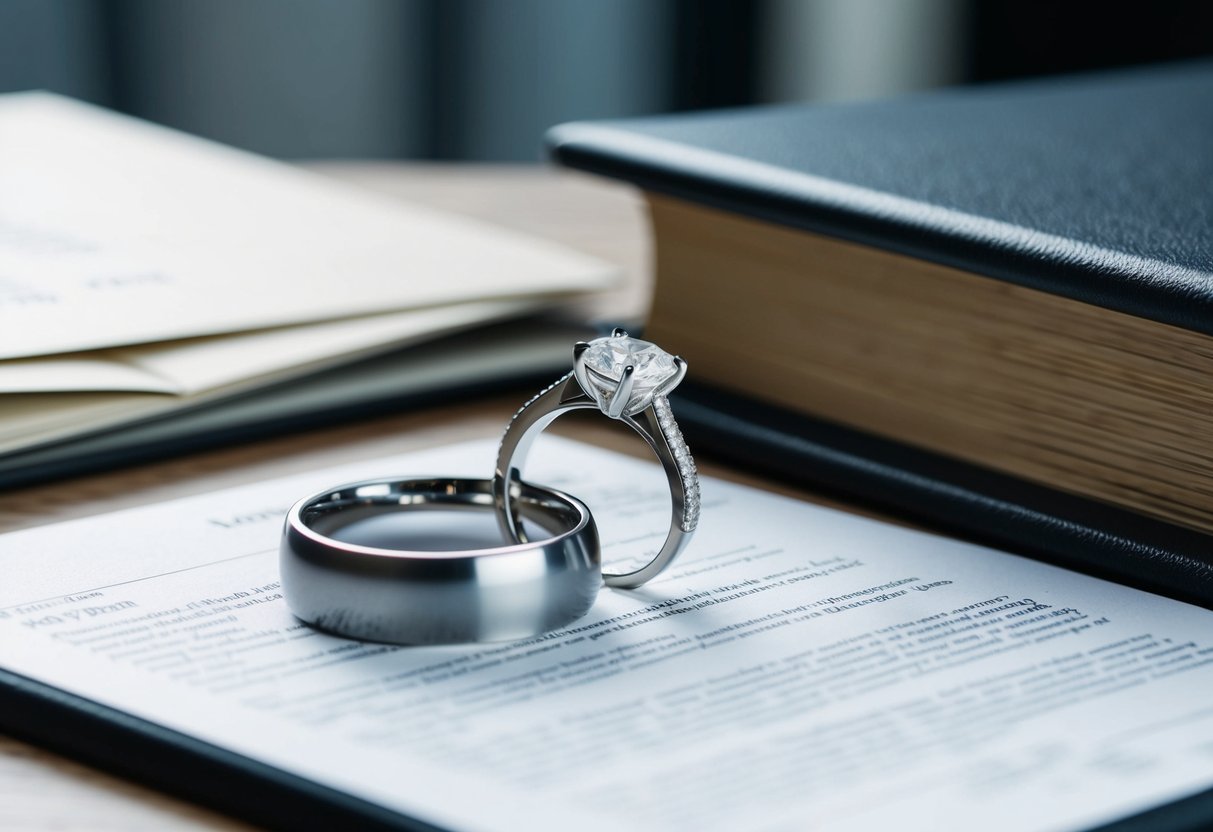
Some might feel conflicted about holding onto such a symbol from their past. If the ring has personal significance or comes from a family heirloom, returning it may feel right. On the other hand, if it’s just a piece of jewelry without emotional ties, keeping it might be the better choice for closure.
Deciding what to do with your wedding ring is ultimately a personal choice. Exploring the reasons behind your decision can help you find clarity in this new chapter of your life.
Understanding Wedding Rings as Marital Property
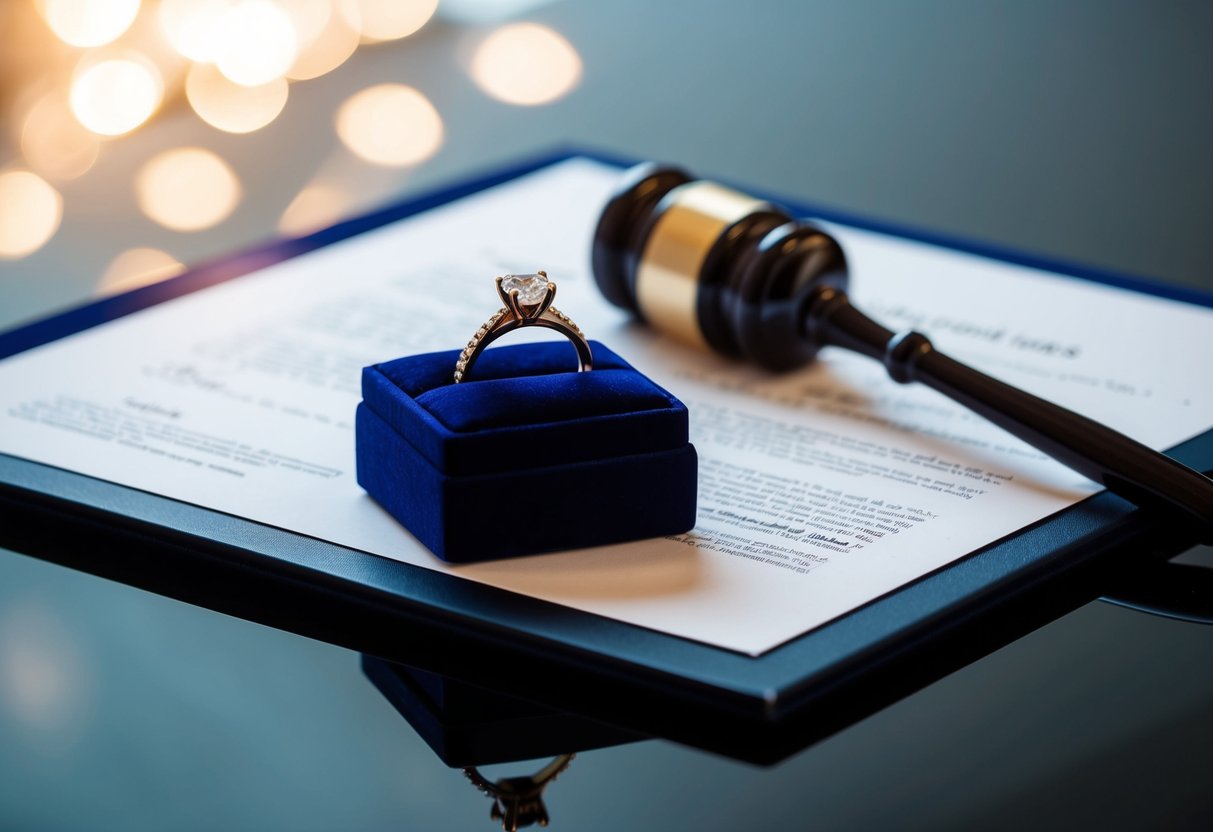
When it comes to wedding rings in the context of divorce, it’s important to understand how they are classified. This classification affects whether you, as an ex-wife, may keep the ring. There are specific distinctions between marital and separate property that can impact the outcome.
Definition of Marital vs. Separate Property
Marital property includes assets acquired during the marriage, regardless of whose name is on the title. This means that if both spouses contributed to the purchase of wedding rings, they may be classified as marital property.
In contrast, separate property refers to assets owned by one spouse before marriage or received as a gift or inheritance. In many cases, wedding rings are given as gifts during the marriage, which complicates their classification.
Knowing whether your wedding ring is considered marital or separate property can help you understand your legal rights. If the ring is classified as separate property, it will likely belong solely to you.
How Divorce Law Treats Wedding Jewelry
Divorce laws vary by state, but many treat wedding rings as gifts given to the recipient. Once received, the ring often becomes the recipient’s separate property.
Laws may dictate that since the ring was a gift linked to the marriage, it remains yours after a divorce.
If the rings were acquired together, or if both spouses contributed to their purchase, the situation can be different. Courts might consider them as marital property and divide them accordingly. In some cases, you may keep your ring while your ex keeps theirs, showing that the outcome can vary based on circumstances.
The Significance of Wedding and Engagement Rings Post-Divorce
After a divorce, the fate of your wedding and engagement rings can be a complex emotional journey. You may find yourself considering their sentimental value, the possibility of repurposing them, and how they fit into your healing process.
Sentimental Value and Emotional Considerations
Wedding rings often carry deep sentimental value. They represent not only your vows but also the love and experiences shared during the marriage. You might feel nostalgic looking at them, recalling joyful moments or significant milestones. This emotional attachment can make it difficult to decide whether to keep or sell the rings.
Deciding to keep your wedding band or engagement ring can be a personal choice. Some choose to hold on to these pieces as reminders of the journey they took, while others might feel that parting with them promotes healing. Reflect on what the rings mean to you in your current life situation before making a decision.
Repurposing or Redesigning Your Wedding Ring
If you decide to keep your ring, consider repurposing it into something new. A wedding ring can be transformed into a beautiful piece of jewelry that reflects your personal style, such as a necklace or a different design for a ring. This can symbolize your journey and fresh start.
Redesigning your engagement ring can add a personal touch. It might involve changing the stone, adjusting the band, or incorporating other meaningful elements. The new piece can become a representation of your individuality and resilience, helping you embrace your future.
Finding Closure and Moving Forward
Letting go of your wedding ring can be a significant step towards healing. Taking this action might feel liberating, allowing you to close that chapter and focus on your new beginnings. Whether you sell, donate, or craft new jewelry, each option can mark a transition.
Donating your rings could also provide a sense of purpose, as it offers help to someone else. Moving forward often requires acknowledgment of your past, but it does not have to anchor you. By understanding the significance of your rings, you can make choices that facilitate your healing and promote a positive path ahead.
Deciding Whether to Keep or Part With Your Wedding Ring
You may find yourself wrestling with different feelings about your wedding ring after a divorce. Your decision to keep, give back, sell, or donate it can be influenced by personal emotions and practical considerations.
Should You Keep the Ring?
Keeping the ring can be a comforting reminder of your past. If the ring holds significant sentimental value, you might choose to keep it. Before you decide, ask yourself how you feel about the memories it brings.
Sometimes, repurposing the ring into new jewelry is an option. Many jewelry designers can help create a new piece that resonates more with your current life. This allows you to cherish the ring while moving forward.
When Giving It Back Makes Sense
Returning the ring can feel like a fresh start. If your ex expresses a clear desire to have it back, it might be best to give it to them. This gesture can help both of you find closure.
Sometimes, the ring represents more than just the wedding. If it has family significance, such as being a heirloom, returning it may honor its history. Keeping these considerations in mind can guide your choice.
Options for Selling Your Wedding Ring
If you decide to part with the ring, selling it is a practical choice. Many places can help you evaluate its worth, from professionals to online platforms.
To get started, research jewelry appraisers or look for trusted jewelry shops. Online marketplaces for the sale of wedding jewelry are also available. This can be a straightforward way to earn some money while letting go of the past.
Donating Your Ring to Charity
Donating your wedding ring is a generous option. Many charities accept jewelry donations that can help support good causes.
Before donating, research organizations that align with your values. Some charities even turn donated jewelry into funds for their programs. This way, your ring can have a new purpose that contributes positively to others’ lives.
Legal Considerations for Interspousal Gifts and Conditional Gifts

Understanding how gifts between spouses are treated legally can help you navigate issues surrounding wedding rings during a divorce. It’s important to recognize the distinction between conditional and unconditional gifts, especially when it comes to divorce settlements.
Conditional vs. Unconditional Gifts Explained
A conditional gift is one that is given under certain conditions. In many cases, this applies to engagement rings, which are often seen as conditional gifts. If the marriage does not occur, the person who gifted the ring may have the right to reclaim it.
On the other hand, an unconditional gift is given without expectations. Wedding rings, typically given during the ceremony, are usually considered unconditional gifts or interspousal gifts. This means they are generally regarded as belonging to the recipient once the marriage takes place. Knowing this difference is crucial in discussions about property division in a divorce.
Implications for Wedding Rings in Divorce Settlements
In a divorce settlement, states may treat wedding rings differently. Some states view wedding rings as marital property. This means they could be subject to division.
In contrast, states that classify rings as conditional gifts may allow the giver to reclaim the engagement ring if the marriage doesn’t happen. A family heirloom or a ring that has significant emotional value may also influence decisions about who gets to keep the ring after a divorce.
You should consult local laws and possibly a legal expert to understand how these gift classifications can impact your situation.