
Should Guests Pay for Drinks at a Wedding? Exploring the Pros and Cons
Weddings are joyful occasions that often bring up many questions about etiquette and costs. One common debate among couples is whether guests should pay for their own drinks at the wedding reception. The typical expectation is that hosts cover the cost of drinks for their guests, ensuring everyone can celebrate without worrying about spending money.

When planning your wedding budget, it’s crucial to consider how drink services will affect overall costs. A cash bar is an option, but it may lead to mixed feelings among your guests. They may appreciate the chance to choose their own drinks but might also feel uncomfortable paying for what’s usually seen as a host’s responsibility.
Deciding on drink arrangements can set the tone for your wedding reception. By understanding the norms and expectations, you can create an enjoyable experience that keeps everyone in good spirits while respecting your budget.
As you dive into the details, think about what will make both you and your guests happiest.
Understanding Wedding Bar Options
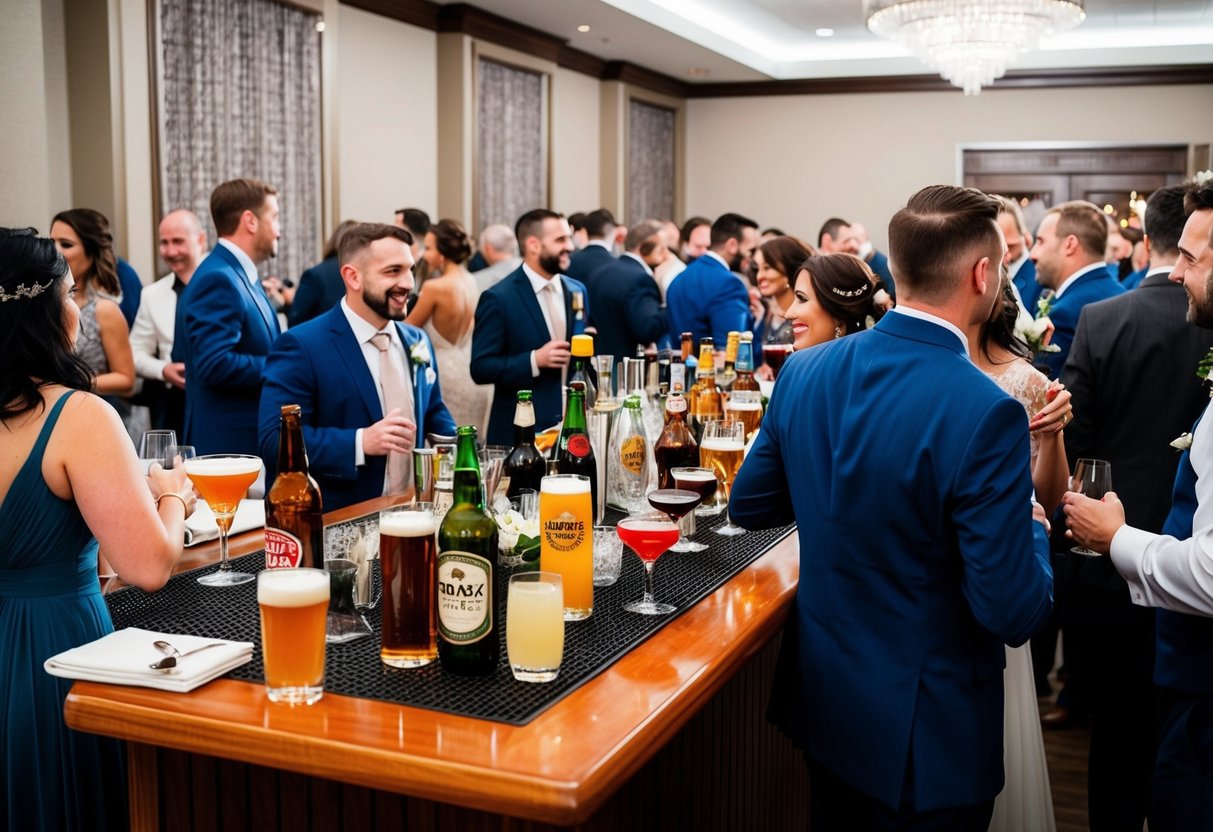
Choosing the right wedding bar option can greatly affect your event. It influences your budget, guest experience, and the overall atmosphere. Here are some details on popular choices for wedding bar service.
Open Bar vs. Cash Bar
An open bar allows your guests to enjoy drinks at no cost to them. This option is appealing and creates a festive atmosphere. You, the host, cover all costs, which can add up quickly depending on your guest list size.
In contrast, a cash bar requires guests to pay for their own drinks. This option is often more budget-friendly and can help control overall wedding costs. While it may save you money, some guests might find it less enjoyable to pay for drinks.
Limited Bar and Drink Tickets
An option between open and cash bars is a limited bar. Here, you select specific drink options, such as beer, wine, and perhaps a signature cocktail. This approach keeps costs down while still providing a variety of choices for your guests.
Drink tickets can also be a fun compromise. You give each guest a certain number of tickets, allowing them to redeem them for free drinks. After using these, they may choose to purchase additional drinks. This balances costs with guest enjoyment, making everyone feel included.
Pros and Cons of Each Bar Type
Open Bar
- Pros: Guests feel pampered; no need for them to pay
- Cons: Can be expensive; may lead to higher consumption
Cash Bar
- Pros: Lower costs for you; guests can opt to limit their drinking
- Cons: Might disappoint guests; creates a less festive feel
Limited Bar/Drink Tickets
- Pros: Controlled beverage options; guests still enjoy some complimentary drinks
- Cons: Requires planning; some guests may want more drink variety
Consider these factors when deciding on your wedding bar. Each option has unique benefits and drawbacks that can shape the overall experience for you and your guests.
Budgeting for Wedding Drinks

When planning your wedding, budgeting for drinks can be tricky. You want to ensure your guests have fun while keeping your costs in check. Consider various factors like the type of drinks you want to serve and ways to cut costs without sacrificing quality.
Estimating Alcohol Costs
To estimate your alcohol costs, start by determining how many guests you’ll have. A common guideline suggests allocating about half a bottle of wine per person. For beer, plan on 1-2 drinks per guest, especially during the first hour.
If you opt for champagne for toasts, budget about $10-$20 per bottle. Don’t forget to include signature cocktails, which can add a personal touch. A wedding alcohol calculator can help provide guesses based on these guidelines.
Options for Cutting Costs
There are smart ways to cut costs on drinks. One option is to have a cash bar where guests pay for their own drinks after a certain point. This approach helps minimize your expenses while keeping guests happy.
You can also choose house wine and beer instead of premium brands. Additionally, limiting the drink options to a few signature cocktails or a select beer and wine can significantly reduce costs. Hosting the reception during off-peak times may also lead to discounts from venues and caterers.
Incorporating Non-Alcoholic Drinks
Don’t overlook non-alcoholic drink options—they’re essential. Planning for varieties like soda, iced tea, lemonade, and water can cater to all guests. Aim for about 1-2 non-alcoholic drinks per guest for a four-hour reception.
Include some fun options like mocktails to make non-drinkers feel special. This way, everyone can enjoy a festive atmosphere without feeling left out. Plus, having a good selection of non-alcoholic drinks helps you stay within the budget while ensuring all guests are hydrated and happy.
Wedding Etiquette and Guest Experience
When planning a wedding, it’s essential to think about how your decisions affect the guests. Your choices about hospitality, communication, and responsibility create the overall experience for everyone involved.
Responsibilities of the Wedding Party
The wedding party plays a key role in setting the tone for the day. They should be aware of their responsibilities, including being supportive and approachable. Make sure they greet guests and help them feel welcome.
Encourage your party to assist with any issues that may arise. Guests may have questions about the schedule or amenities. If the wedding party is informed and available, it enhances the overall atmosphere.
Their attitude and actions greatly affect how guests enjoy the event. A friendly wedding party can make everyone feel at ease.
Communication Through Wedding Invitations
Clear communication is crucial for a positive guest experience. Information should be included in the wedding invitation. This includes important details such as the venue, dress code, and whether guests should pay for their drinks.
Consider creating a wedding website to provide extra information. This can include FAQs and any specific instructions you have for your guests. It’s a great way to make sure everyone has what they need for a smooth experience.
By providing this information early, you set expectations and help guests prepare for the day ahead.
Transportation and Hospitality Concerns
Making arrangements for transportation and hospitality is vital for your guests’ comfort.
If your venue is far from hotels, consider providing shuttle services. This ensures everyone can enjoy the celebration without worrying about getting home.
Additionally, offering accommodations for guests can enhance their experience.
If you have out-of-town guests, booking a block of rooms at a nearby hotel can be beneficial.
Show your appreciation for their presence by thinking about their journey. Taking these steps can leave a lasting impression and create a warm atmosphere at your wedding.