
Should My Husband Pay for My Wedding Dress? Understanding Expectations and Traditions
Planning your wedding can be both exciting and stressful, especially when it comes to budgeting. Many couples wonder about the financial responsibilities surrounding their big day, including the question of who should pay for the wedding dress. In today’s modern world, both partners commonly contribute to the cost of the wedding attire, including the wedding dress.
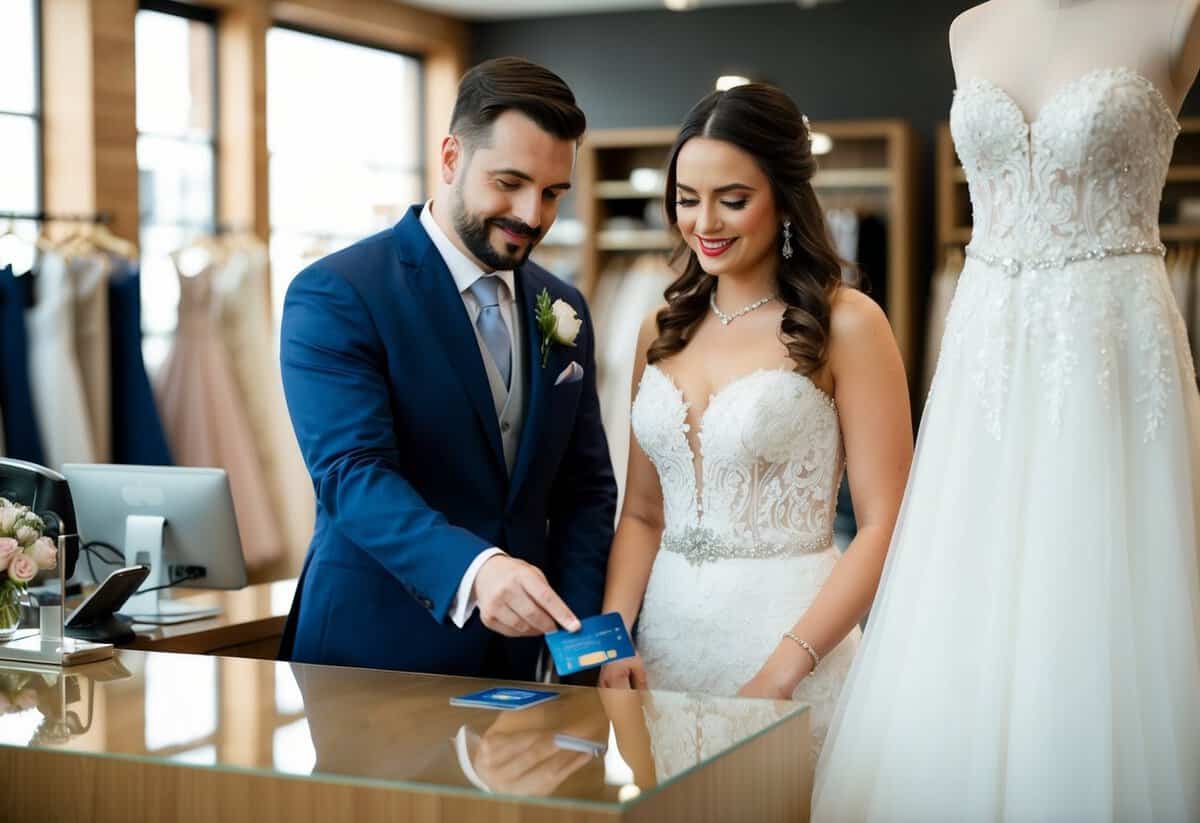
Traditionally, some families have taken on these expenses, often leading to confusion about who’s really responsible. You might find that discussing your wedding budget together can lead to a clearer understanding of each person’s role.
It allows you to align your expectations and set priorities on what matters most to both of you.
Every couple has their unique situation and preferences. By communicating openly about your desires and financial capacities, you can find a solution that feels right for you both.
Understanding Wedding Finances

Navigating wedding finances can feel overwhelming. Knowing who typically pays for what can help you make informed decisions and ease any financial burdens.
Who Traditionally Pays for What
Traditionally, the bride’s family covers the majority of wedding expenses. This includes the wedding dress, venue, and catering. The groom’s family usually pays for the rehearsal dinner and some other smaller costs.
Here is a simple breakdown:
- Bride’s Family: Wedding dress, venue, catering, invitations.
- Groom’s Family: Rehearsal dinner, groom’s attire, and some smaller expenses.
This pattern has evolved over time. Many couples now share costs, depending on their financial situations. It’s essential to communicate with your partner and families about how expenses will be split.
Modern Approaches to Wedding Expenses
Nowadays, couples often take a more balanced approach to wedding costs. Many find that sharing expenses brings a sense of teamwork and partnership to the planning process.
For example, you might split the costs for:
- Attire: Both partners pay for their outfits.
- Venue and Catering: Costs may be shared based on budgets.
Having open discussions about finances is important. Some may find it helpful to use budgeting apps to track expenses. This can lead to clear agreements and reduced stress about money. It’s all about what works best for you and your partner while respecting both families’ contributions.
Planning Your Wedding Budget

Creating a wedding budget is an important step for any couple. You need to consider how much to spend on various wedding expenses, including your wedding attire. This process involves discussing financial contributions and setting priorities together.
Allocating Funds for Wedding Apparel
When thinking about your wedding attire, set aside a specific portion of your budget. Consider the average cost of wedding dresses, which can range from $1,000 to $3,000 or more. This price often excludes additional costs like alterations, accessories, and shoes.
Talk with your family about who will cover these costs. It’s common for the bride’s family to help with wedding expenses, but make sure to clarify expectations. If your groom’s parents are contributing, it’s wise to include their input in your planning.
Make a detailed list of all apparel needs. Break these down into categories like the dress, veil, shoes, and other accessories. This gives you a clear view of where your money is going.
Calculating Overall Wedding Expenses
To get a better idea of your total wedding costs, consider every significant category. Start with the major expenses: venue, catering, and attire. Include other items like flowers, invitations, and the wedding planner’s fees.
Use a table or spreadsheet to track each category. This helps you visualize your budget and stay on track. Remember to account for hidden costs, like taxes and tips for vendors.
Engage with your partner and parents to finalize how much each party will contribute. Open communication is key. Understanding everyone’s role in the budget-making will help ease some financial stress as you plan your special day.
Wedding Etiquette and Attire Costs
When planning for a wedding, understanding who pays for the dress can be tricky. It’s important to consider traditional etiquette alongside personal preferences when making decisions about attire costs.
Guidelines for Who Pays for the Dress
Traditionally, the bride’s family has covered the costs of the wedding dress. This can include everything from a stunning ball gown to a chic designer wedding dress. However, as marriage customs evolve, many couples now choose to split costs or pay for the dress themselves.
If your husband is contributing, have a conversation about your preferences and budget. This not only respects etiquette but also allows both of you to feel involved in the process. Remember, regardless of who pays, it’s crucial that you both agree on the style and cost of the dress to avoid any misunderstandings.
Choosing the Right Wedding Dress
Selecting the right wedding dress is an exciting part of your planning. Consider your personal style, the wedding theme, and how much you want to spend.
Popular styles include elegant ball gowns and sleek, modern designs. Make a list of what you love about each style and what fits your budget.
If you’re considering a designer wedding dress, explore any additional costs like alterations or accessories. Try on different styles to see what makes you feel most beautiful.
Ultimately, the right dress should reflect your personality and make you feel confident on your special day.