
Should Officiant Walk Down the Aisle? Exploring the Role in Your Ceremony
Deciding whether the officiant should walk down the aisle is a common question for many couples planning their wedding ceremony. The officiant often walks down the aisle, but it ultimately comes down to personal preference. This little detail can set the tone for the entire event, so it’s worth considering what feels right for you.
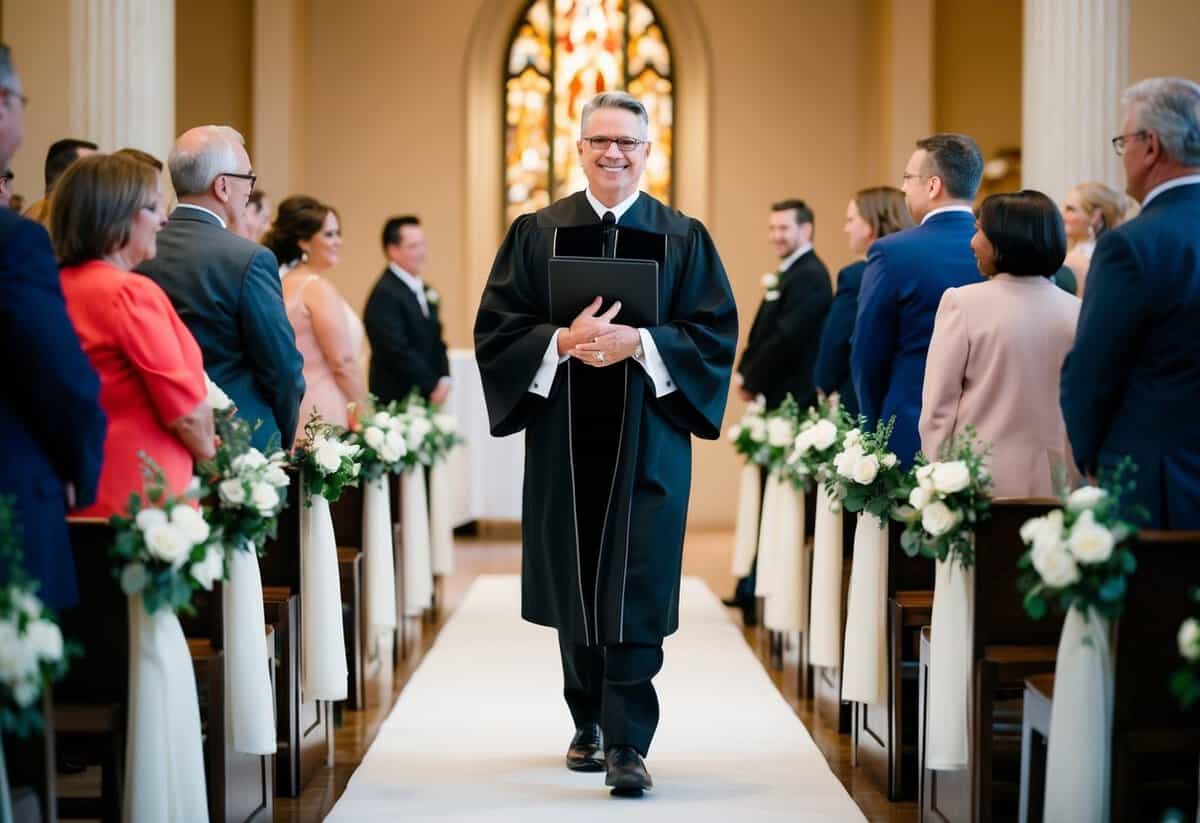
Some couples choose to have the officiant enter from the side or already be at the altar when the ceremony starts. This approach can create a different vibe, sometimes making the moment feel more intimate. If you’re looking for traditional elements, having the officiant walk down the aisle adds to the processional and can enhance the overall experience of the day.
Think about your vision for the ceremony and what reflects your style as a couple. Discuss this decision with your officiant, as their comfort and role in the ceremony are also important. In the end, there’s no right or wrong answer—just what feels best for you on your special day.
Understanding the Role of the Officiant
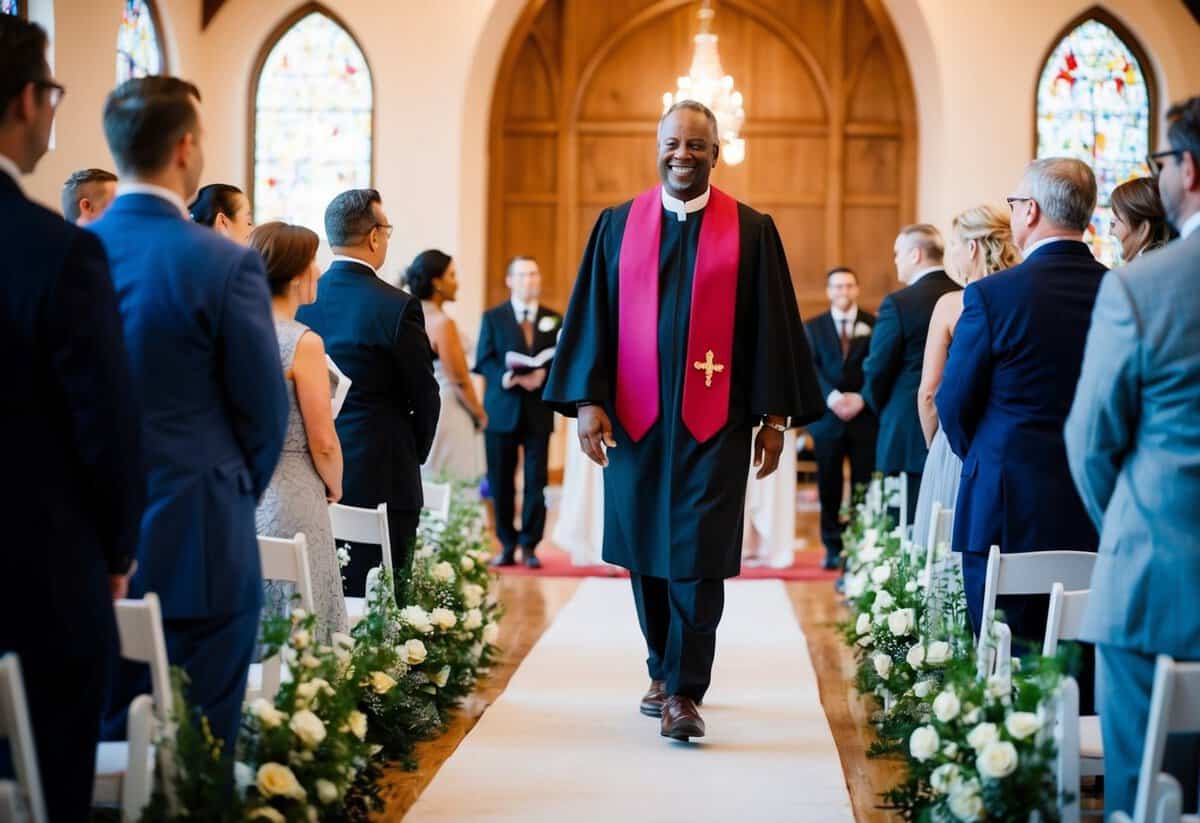
The officiant plays a crucial role in the wedding ceremony. This person sets the tone, guides the couple through their vows, and ensures all legal requirements are met. Understanding their duties and how these may vary across different types of ceremonies is important for you as a couple.
Officiant Duties at the Ceremony
As the person who leads the ceremony, your officiant has several key responsibilities. They welcome guests and introduce the ceremony, creating a comfortable atmosphere. They also oversee the processional, ensuring everyone walks in the correct order.
In a typical wedding ceremony, the officiant may ask guests to stand for your entrance. During the vows, they guide you through this meaningful moment. After the vows, they pronounce you married and may lead a kiss to celebrate.
Each officiant may add personal touches to the ceremony, depending on their style. Some might include readings or rituals that reflect your beliefs. This helps in making the ceremony unique and special.
Variations in Different Types of Ceremonies
Different types of weddings come with unique officiant roles. For instance, in a religious ceremony, the officiant might be a pastor, priest, or rabbi. They often follow specific traditions and texts relevant to their faith.
In a nondenominational wedding processional, the officiant may focus on personal vows and unity ceremonies without a religious context. This allows you to customize the script to fit your relationship.
Cultural ceremonies like a Hindu wedding processional or Jewish wedding processional incorporate specific customs and rituals that the officiant will facilitate, such as the circling ritual in Hindu weddings or the breaking of the glass in Jewish ceremonies. Each has its own meaning that can add significance to your day.
Regardless of the type, selecting an officiant who understands your preferences is essential. They help make your wedding ceremony reflect your love and values.
The Traditional Wedding Processional Order
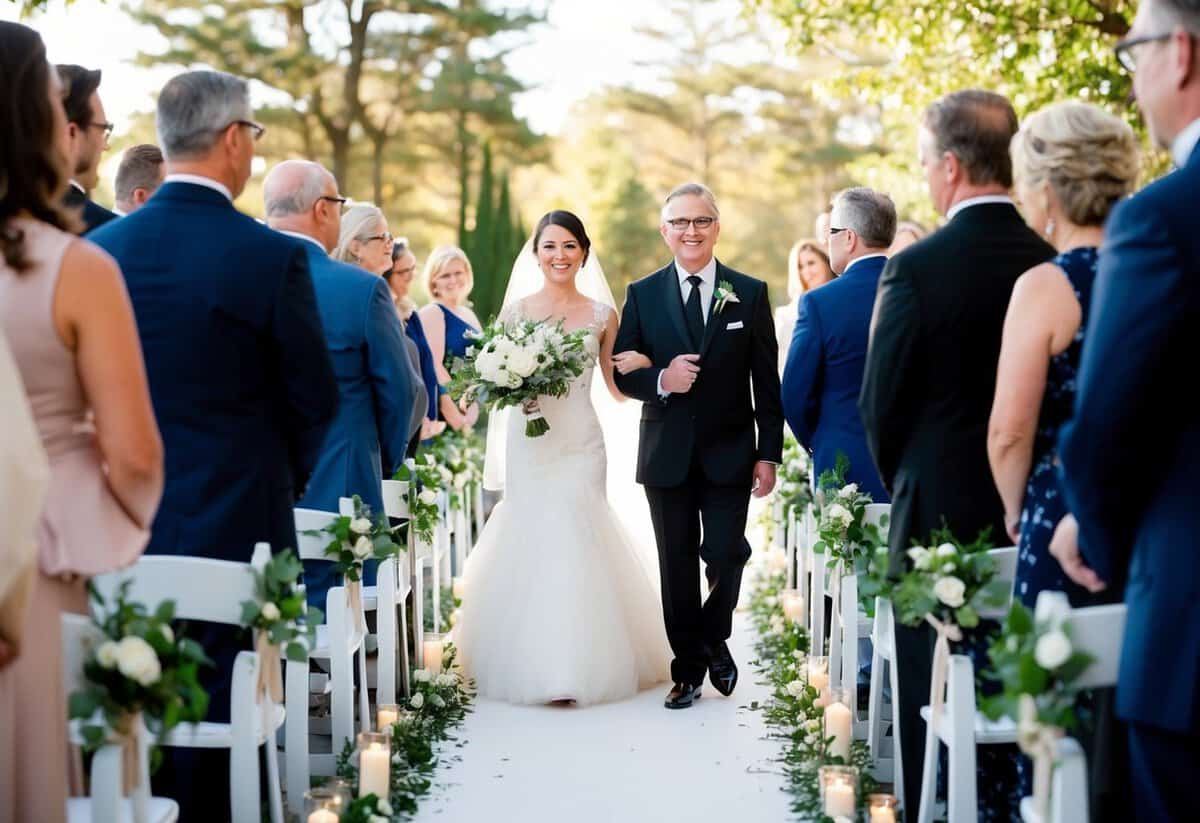
The traditional wedding processional is an important aspect of the ceremony. It sets the tone and highlights the significance of each role within the wedding party.
Participants in a Typical Processional
In a typical wedding processional, several key participants take part, each with an important role.
-
Officiant: The ceremony begins with the officiant entering first, signifying their central role in the wedding.
-
Groom: Following the officiant, the groom walks down the aisle. This marks the beginning of the groom’s commitment.
-
Parents of the Bride: Next, the parents of the bride, often the father and mother, walk down as a symbol of giving their daughter away.
-
Bridesmaids and Maid of Honor: Usually, the bridesmaids follow, and the maid of honor walks last among them, showing her special status.
-
Groomsmen and Best Man: The groomsmen enter next, with the best man typically walking in right before the bride.
-
Flower Girls and Ring Bearer: The ring bearer and flower girls bring charm and innocence to the procession as they enter right before the bride.
Order of Entry and Symbolism
The order of entry in a wedding processional holds deep meaning.
- The officiant leads, representing the authority and spiritual guide of the ceremony.
- The groom coming in next signifies his readiness to take on this new role.
- The inclusion of the bride’s parents serves as a gesture of love and support from her family.
The flow continues with the wedding party, allowing each member to shine.
This structure creates an atmosphere of respect, celebration, and unity. Traditional processions often honor family ties, reflecting cultural values. For example, in a Catholic wedding processional order, the emphasis on family and community is key.
Understanding this order can help you plan a meaningful ceremony that captures the essence of your journey together.
Cultural and Personal Considerations
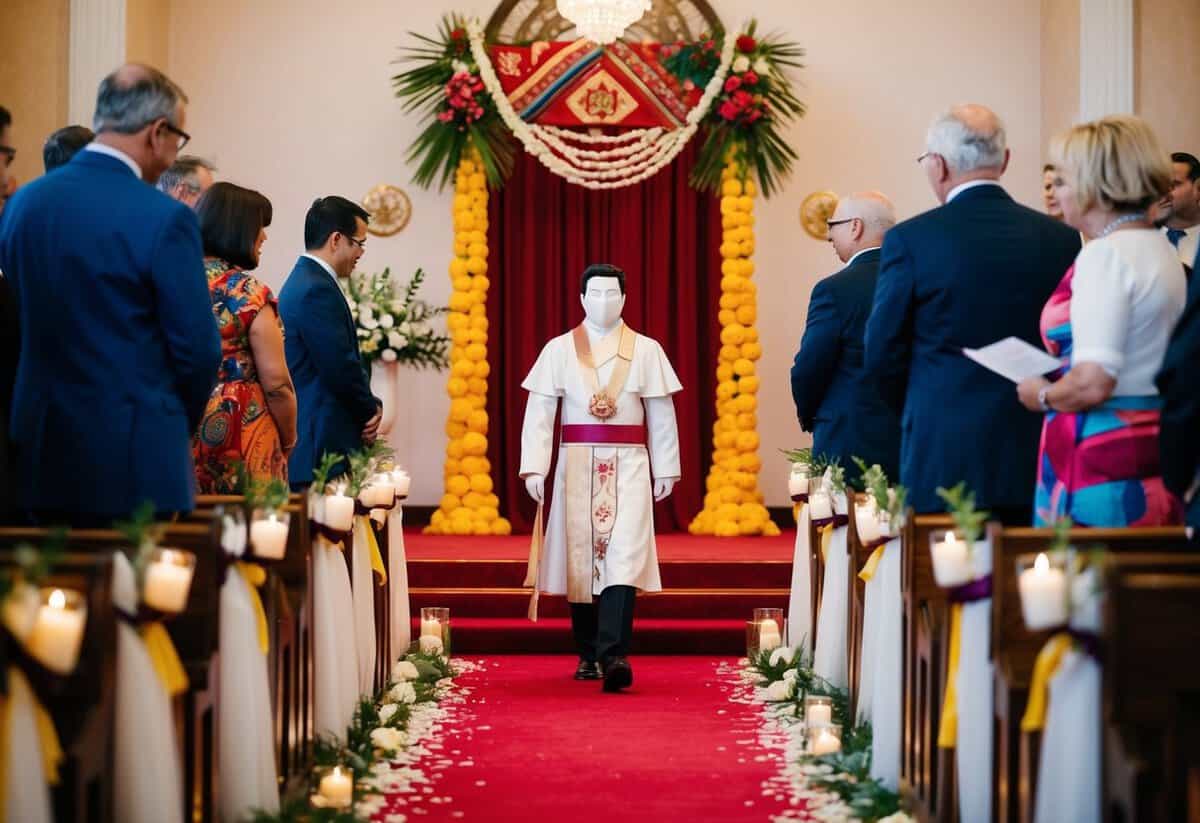
When planning your wedding, cultural and personal factors will guide your decisions about the officiant’s role. Understanding these elements can help you create a ceremony that feels right for you.
Cultural Variations Across Weddings
Different cultures have unique wedding traditions that affect how the officiant walks down the aisle. In a Jewish wedding, the officiant typically stands under a chuppah alongside the couple. This symbolizes a sacred space. In contrast, during Hindu weddings, the officiant might be part of the baraat, a joyful procession to the mandap.
Each tradition shapes the officiant’s role. For example, in many arranged marriages, families may influence how ceremonies unfold. Consulting with a wedding planner familiar with your culture can ensure that your wishes and traditions are honored.
Personalizing the Ceremony
Your personal preferences play a vital role in deciding if the officiant should walk down the aisle. Some couples prefer a traditional approach, while others want a more modern feel. You might want a close friend to officiate, making the ceremony more intimate.
Think about what feels comfortable for you. If you envision a more casual vibe, having the officiant enter with the wedding party can create a sense of unity.
Discussing these details with your partner helps ensure that your ceremony reflects both of your personalities.