
Should the Bride and Groom Have Equal Guests? Exploring Fairness in Wedding Invitations
When planning your wedding, you might wonder if the bride and groom should have equal guests on their lists. The answer is no; it’s perfectly fine for the guest list to be uneven. Many couples find themselves with differing numbers of guests due to family sizes and relationships, and that’s completely normal.
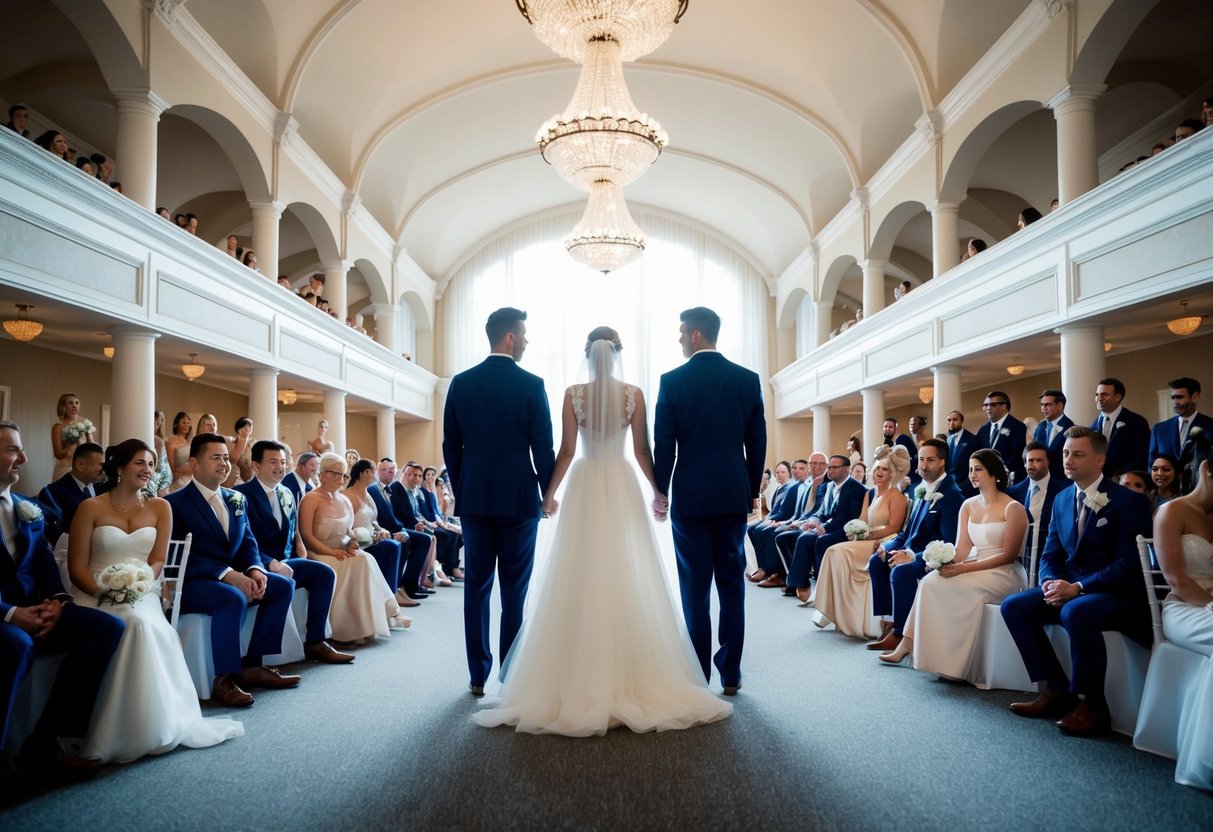
As you navigate your wedding planning, focus on what feels right for you and your partner. Open communication with each other and your families can help you create a guest list that reflects who you are and the people you want to celebrate with. Remember, it’s about making your special day enjoyable for everyone, not simply balancing numbers.
Don’t stress if one of you has more guests than the other. Every couple’s situation is different, and what matters most is that you’re both happy with the final list. By prioritizing your preferences and enjoying the planning process, you’ll create a day that truly represents your love story.
Balancing the Guest List
Creating a balanced guest list is important for your wedding. It helps ensure both you and your partner feel included.
Guest List Etiquette
When building your guest list, consider the feelings of both partners. It’s best to talk about who is important to each of you. Make a list and share it with your partner. Discuss any concerns openly.
Tips for Balancing:
- Talk to Family: Involve family members in the conversation. They might have suggestions and preferences.
- Set Priorities: Each of you should mark your must-invite guests. This helps identify where adjustments can be made.
- Consider Relationships: Think about how long you’ve known someone. Close friends or family members may take precedence.
Wedding Guest List Rules
There are some common rules to follow when planning your guest list. These can help you make final decisions with ease.
General Guidelines:
- Count the Bride and Groom: Include yourselves in the final headcount. Many couples forget to do this.
- Share the Count: A typical split is to have each family invite a quarter, while you invite the remaining half. If you can host 200 guests, you might have 100 from you, 50 from the bride’s family, and 50 from the groom’s family.
Keep these rules in mind, and you can create a guest list that feels right for both of you.
Budget and Scale of the Wedding
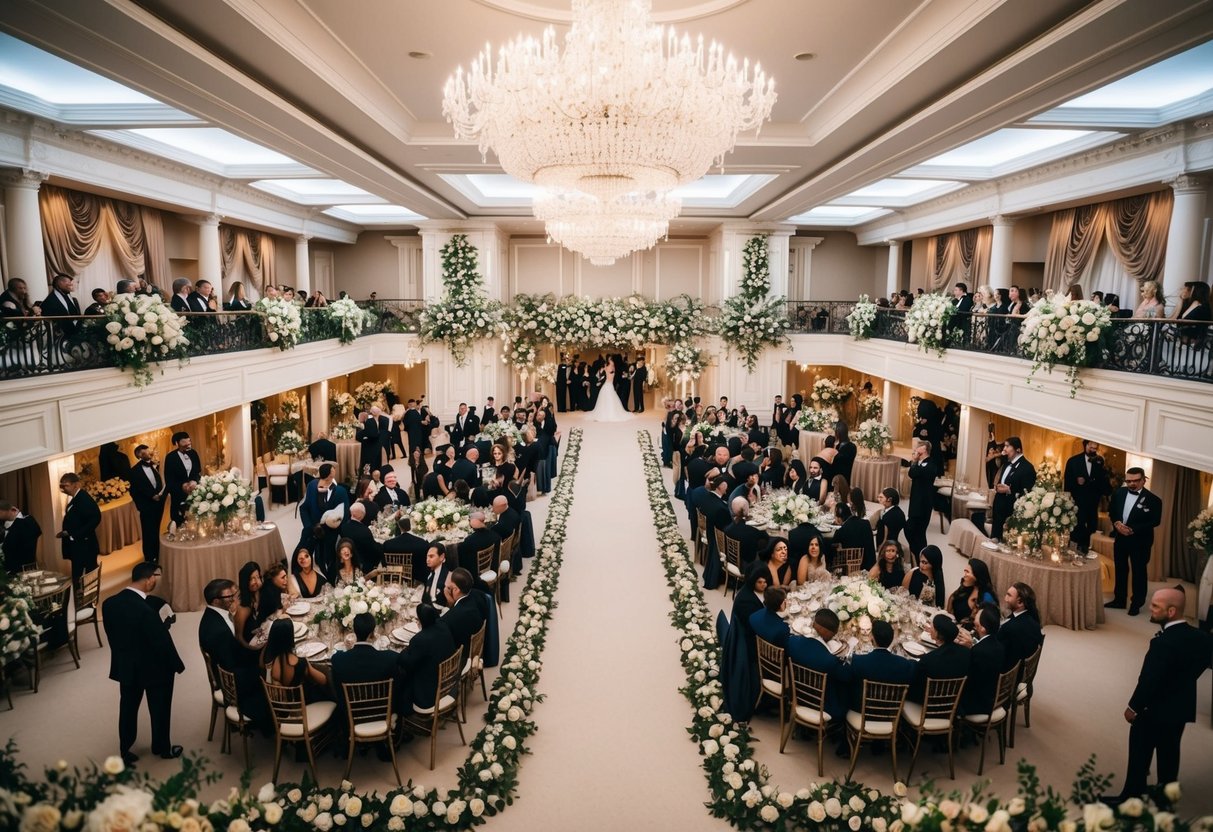
Planning your wedding involves balancing your dreams with your financial realities. The size of your wedding and your budget can greatly influence how many guests you can invite and how you decide to split the guest list.
Wedding Budget Considerations
Your wedding budget is one of the most important factors in planning your special day. Start by setting a clear budget that includes all major expenses.
- Venue costs: This typically takes up a large part of your budget. A bigger venue may allow for more guests, but it will also increase costs.
- Catering: The more guests you invite, the higher the catering costs. Decide on a per-plate rate to help estimate total expenses.
- Extras: Don’t forget about flowers, photography, and entertainment. Each can add significantly to your budget based on guest numbers.
Consider creating a detailed list of expected costs to identify areas where you can save.
Choosing Between a Big Wedding and a Small Wedding
Deciding on the scale of your wedding can shape your experience. A big wedding often includes a larger guest list, more decorations, and additional activities. This option can create a festive atmosphere but comes with higher costs and more logistics.
On the other hand, a small wedding can feel more intimate. You can spend more on each guest, creating a higher-quality experience.
- Big Wedding Pros: More guests mean more celebration; wider social circles can be included.
- Small Wedding Pros: Focused attention on close family and friends; often less stressful planning.
Think about what matters most to you and your partner when making your decision.
Planning and Sending Invitations
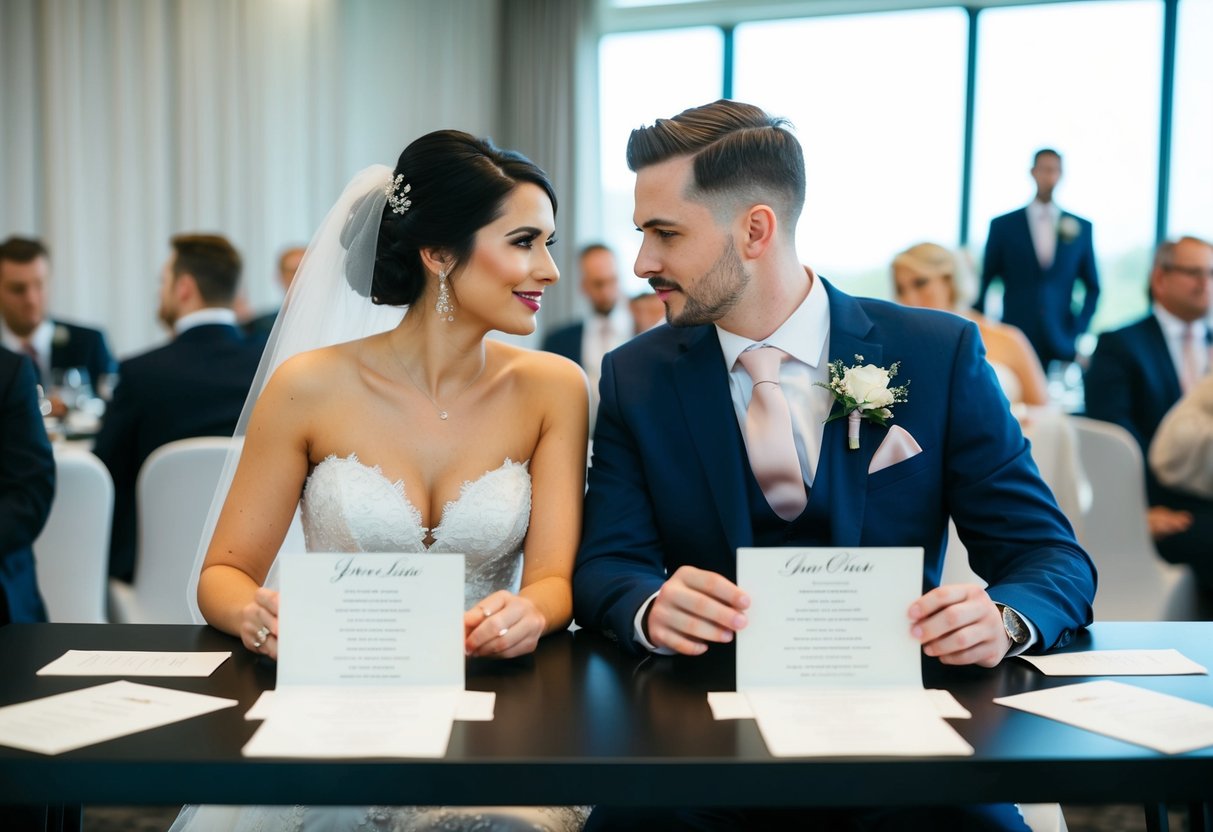
When it comes to planning your wedding, getting the invitations just right is key. This includes setting a timeline for sending out your “save the date” notices and final invitations. Additionally, calculating your final headcount ensures that you can accommodate all your guests comfortably.
Timeline for Sending ‘Save the Date’ and Invitations
Start by sending out your “save the date” cards about 6 to 12 months before the wedding. This gives your guests enough time to plan, especially if they need to travel. Your invitations should go out 8 to 12 weeks prior to the big day.
Tips:
- Save the Date: Send early for destination weddings.
- Invitations: Include RSVP details.
This timeline helps both you and your guests stay organized. It will also reduce the stress of last-minute planning.
Determining the Final Headcount
Gathering the final headcount is a crucial part of wedding planning. This number affects everything from catering to seating arrangements.
Use your RSVP responses to track who is coming.
Give guests a deadline for their replies, ideally two to three weeks before the wedding.
Steps to Consider:
- Create a guest list.
- Send reminders as the RSVP date approaches.
- Confirm numbers with your venue and caterers.
Having an accurate count helps ensure that your day goes smoothly and that everyone feels welcomed.
Creating Cherished Memories
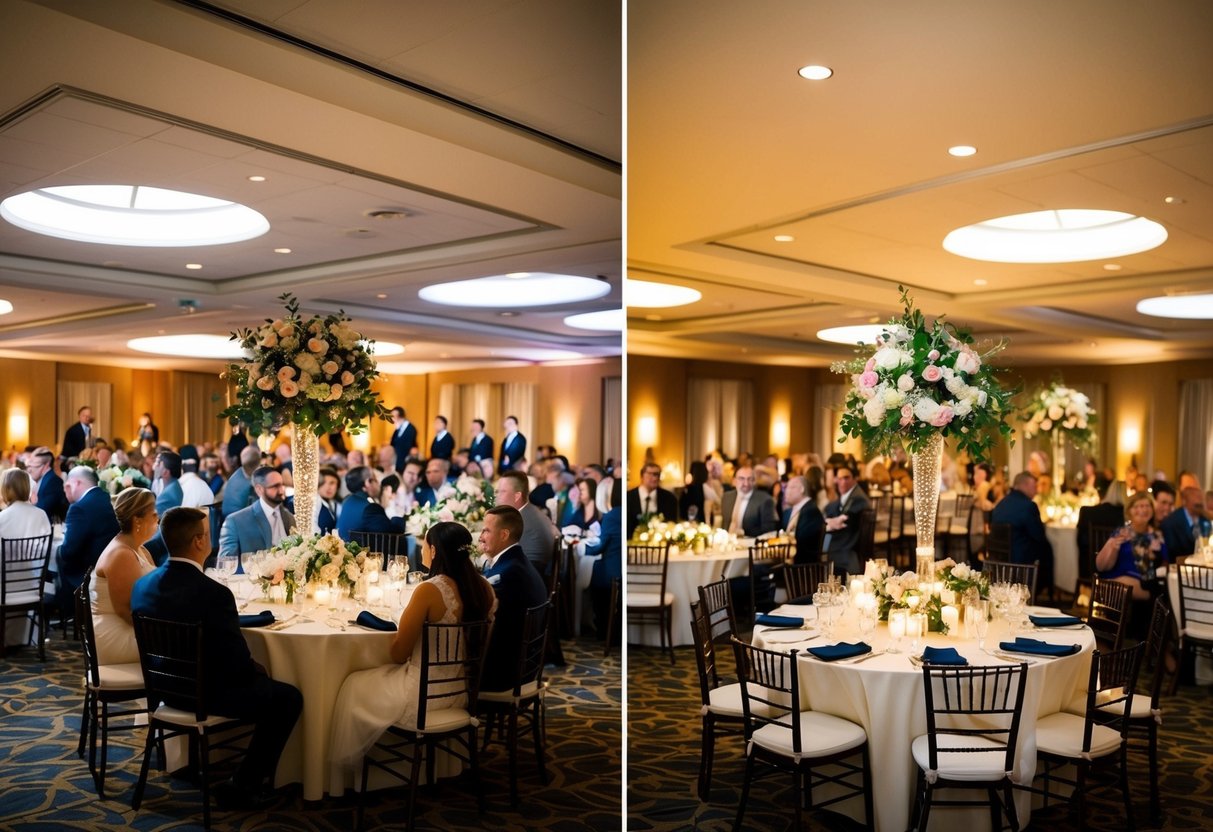
Your wedding day is all about celebrating love and making memories. Finding ways to include both sides of the family in the festivities is essential for creating lasting moments that everyone will treasure. Here are two key areas to focus on.
Inclusive Wedding Festivities
Making your wedding festivities inclusive helps everyone feel important. Consider incorporating traditions from both families. This could be special songs, dances, or toasts that represent each side.
You can also create mixed seating arrangements at tables. This encourages guests to mingle, allowing families to unite. Thoughtful activities like games or a photo booth can also break the ice. Guests enjoy fun activities, and these moments create smiles that last a lifetime.
Adding personalized wedding favors can prompt cherished memories. Select items that reflect both your personalities and appreciate your guests. This way, everyone leaves with a piece of your special day to remember.
Seating Chart Strategy
Crafting the perfect seating chart can enhance the experience for all attendees. Aim for a seating plan that represents both the bride and groom’s families evenly. This will create a balanced atmosphere and help guests feel included.
Using a mix of tables for families and friends can encourage mingling. You can use color-coded cards for each side, guiding guests to their seats while making it visually appealing.
Be mindful of group dynamics. Seating friends together and family groups close by will spark conversations and laughter, adding warmth to the event. The goal is to make every guest feel welcome and ensure their experience is enjoyable, leading to shared memories.