
Should the Bride Pay for Her Own Wedding? Exploring Modern Wedding Traditions
Planning a wedding can be both exciting and overwhelming, especially when it comes to figuring out who pays for what. Traditionally, the bride’s family has taken on a significant part of the financial responsibility. As you navigate these expectations, keep in mind that many modern couples are choosing to take charge of their own wedding costs together.
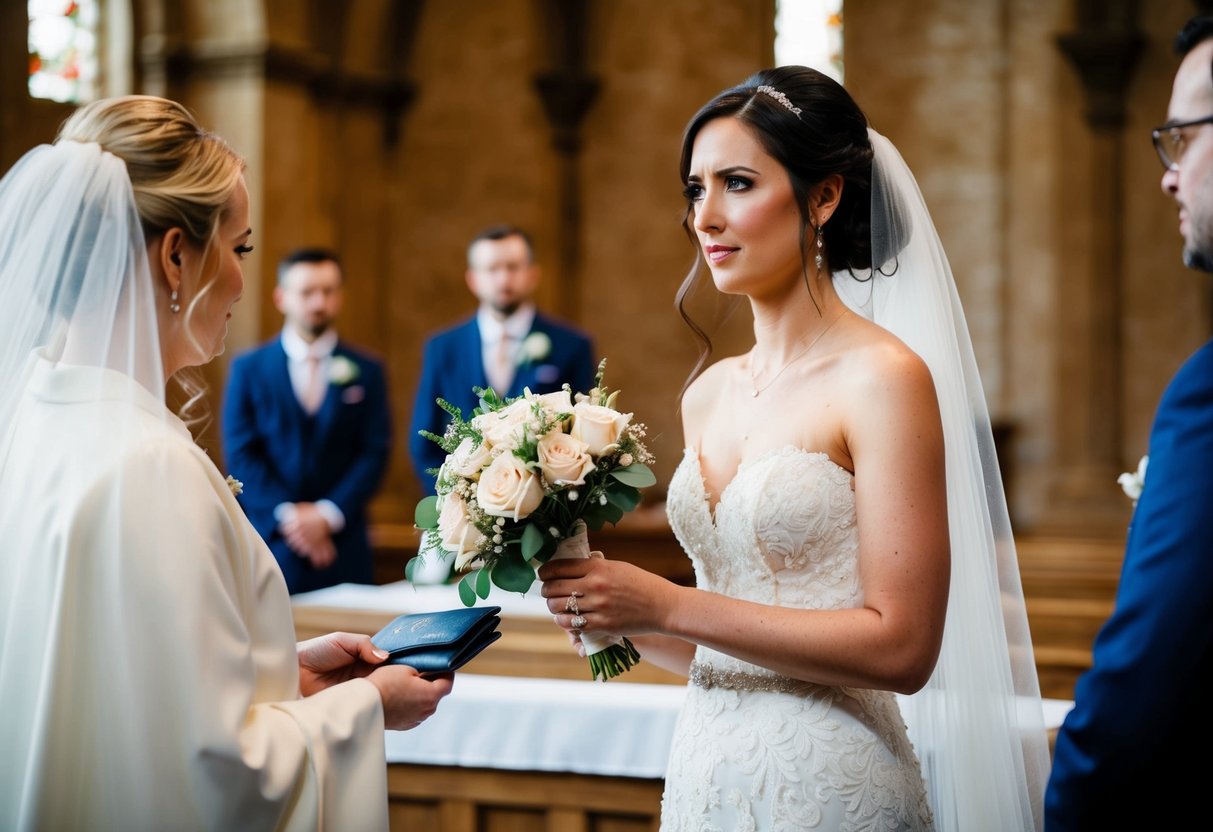
Ultimately, it is perfectly acceptable for the bride to pay for her own wedding if that aligns with her values and circumstances. This shift reflects changing traditions and a desire for couples to create a celebration that truly represents them. You may find that discussing costs openly with your family and the groom’s parents can lead to a fair and enjoyable planning experience.
Remember, every wedding is unique, and there isn’t a one-size-fits-all answer. By focusing on what works best for you and your partner, you can craft a beautiful day without being weighed down by tradition or expectations.
Exploring Wedding Financial Traditions

Wedding financial traditions vary widely, often reflecting cultural norms and historical contexts. Understanding these roles can help clarify who pays for what in a wedding.
Role of Bride’s Family
Traditionally, the bride’s family often handles most of the wedding expenses. This includes costs such as the wedding dress, bridesmaids’ gifts, and venue fees.
In some cultures, the father of the bride plays a significant role in planning and financing the event. This tradition symbolizes the family’s support for the couple starting their new life together.
The bride’s parents also cover the reception and photography, making their contributions essential to a memorable wedding day. Some families choose to set a budget, ensuring everyone is comfortable with the financial obligations.
Role of Groom’s Family
The groom’s family typically covers the rehearsal dinner and other related costs. This is a time for families to bond before the big day, allowing everyone to connect and celebrate.
In many cases, the groom’s parents might also contribute to specific expenses. They may help with costs like the groom’s attire, flowers, or even transportation.
These contributions reflect the family’s support as well and can help ease some financial burdens for the bride’s family.
Dowry and Historical Context
The concept of a dowry has its roots in various cultures. It often involves the bride’s family providing gifts, money, or property to the groom’s family. This practice was common in history and served various purposes, such as securing a marriage alliance.
Today, the dowry is less common in many regions, but its historical significance still influences some wedding traditions. Understanding its background can shed light on why certain families may feel pressured to cover specific costs during weddings.
Breaking Down Wedding Expenses

When planning a wedding, it can be helpful to understand what expenses to expect. Knowing who typically pays for these costs can make budgeting easier and clearer for you.
Wedding Attire and Beauty
Your wedding attire is one of the most personal choices in the planning process. This includes the wedding dress, which can range from a few hundred to several thousand dollars. You may also want to consider alterations and accessories like veils and shoes.
Hair and makeup are other key expenses. Many brides choose to hire professionals to ensure they look their best. Costs for hair and makeup can vary, but you can expect to spend anywhere from $100 to $500. Don’t forget about bridesmaid dresses and groomsmen suits, too, as these can add up quickly.
Venue and Reception Details
Selecting the right venue is crucial since it sets the tone for your entire day. Venue costs can vary widely based on location and size. You’ll need to budget for the reception, which typically includes food, drinks, and seating arrangements.
Most couples spend a significant portion of their budget here. On average, reception costs can represent 40-50% of the total wedding budget. This includes items like catering, which can range from $30 to $150 per guest, depending on the meal choices. Don’t forget about wedding flowers for centerpieces and decorations.
Ceremony Specifics
The wedding ceremony usually has its own set of costs. You’ll need to budget for the officiant, who can charge anywhere from $200 to $800, depending on their experience and location.
If you’re having a church wedding, there may be fees for the venue. Additionally, you might want to consider costs for photography. Hiring a professional photographer can help capture the special moments of your day. Prices for photography services can start at $1,000 and go up from there, based on experience and packages.
Pre-Wedding and Post-Wedding Events
Before the big day, you may host an engagement party. This event can range from casual gatherings to more formal celebrations. Friends or family may help fund these events, but you should still consider the costs involved.
The rehearsal dinner is another important expense, typically costing around $1,000 depending on the location and number of guests. This dinner is a great way to spend time with those closest to you before the wedding.
Lastly, think about the honeymoon. This can be one of the more enjoyable yet significant expenses. Depending on your destination and activities, honeymoon costs can range from $1,500 to $10,000 or more.
Modern Considerations in Wedding Budgeting

Weddings today involve a mix of traditions and modern ideas. As couples navigate their budgets, they often face questions about financial independence, cost-sharing, and the roles of their wedding party. Understanding these aspects can help you plan a memorable day while keeping finances in check.
Financial Independence and Splitting Costs
With rising financial independence, it’s common for brides to cover some of their own expenses. This includes costs like the wedding dress or beauty services.
Splitting costs is another popular choice. Many couples choose to share expenses with their families or even include contributions from both sides. This can involve having the bride’s family pay for specific items such as the ceremony venue, while the groom’s family covers the reception costs. This way, you balance financial burdens and can tailor the wedding to reflect both families’ styles.
Creative Approaches to Wedding Planning
You don’t have to stick to traditional wedding norms when budgeting. Innovative ideas can help lower costs and add personal touches. Consider using a wedding planner who can guide you in creating a budget that fits your vision.
For example, opt for local, seasonal flowers for your bouquet and table arrangements. Doing your own decorations can save money too. Resources like DIY tutorials can inspire your creativity. You might also think about hosting the ceremony at a family member’s home to cut venue costs.
With creative planning, you customize your day while keeping spending in check.
Expected Contributions from Bridal Party
Bridal party contributions can also shape your budget. Traditionally, bridesmaids and groomsmen often help cover their attire, but you might consider extending this idea to other costs. For instance, letting them know early on about gifts, such as personal items or wedding party gifts, can ease financial pressures.
Some couples ask their wedding party to contribute by hosting pre-wedding events like bridal showers or bachelor parties. Clear communication is key, so everyone knows what to expect.
This way, your friends can participate in making your wedding special while keeping costs manageable for everyone involved.
Navigating Shared Costs and Etiquette
Understanding how to share wedding costs can help you make decisions that feel fair and respectful for everyone involved. It’s important to consider traditional roles, evolving norms, and unique situations.
Who Should Pay for What
Traditionally, wedding costs fell heavily on the bride’s family. They often covered major expenses like the venue, catering, and decorations. However, these customs have changed.
Today, many couples choose to split costs. The groom’s family may also take on parts of the expenses, like the rehearsal dinner or flowers. According to experts, the key is communication.
Create a list of expenses and who will pay for each. A budget can help avoid misunderstandings. If you’re unsure, consulting a wedding consultant can provide clarity and ease.
Destination Weddings and Unique Scenarios
Cost-sharing can be more complex with destination weddings. Typically, the couple and their families cover the bulk of the special day expenses. Guests often pay for their travel and lodging bills.
In unique scenarios, like when one partner has children from a previous marriage, you should consider splitting costs based on who benefits most.
When planning, make sure everyone understands their role. Clear communication will alleviate stress and help maintain harmony. Adjustments and flexibility can lead to a joyful celebration for everyone.