
Should the Bride Pay for Her Wedding Band? Exploring Traditional and Modern Views
When planning a wedding, many details need to be decided, including who pays for various items. Traditionally, the groom or his family pays for the bride’s wedding band, but modern couples are increasingly challenging this norm.
As you consider your wedding budget, it’s important to think about what feels right for you and your partner.
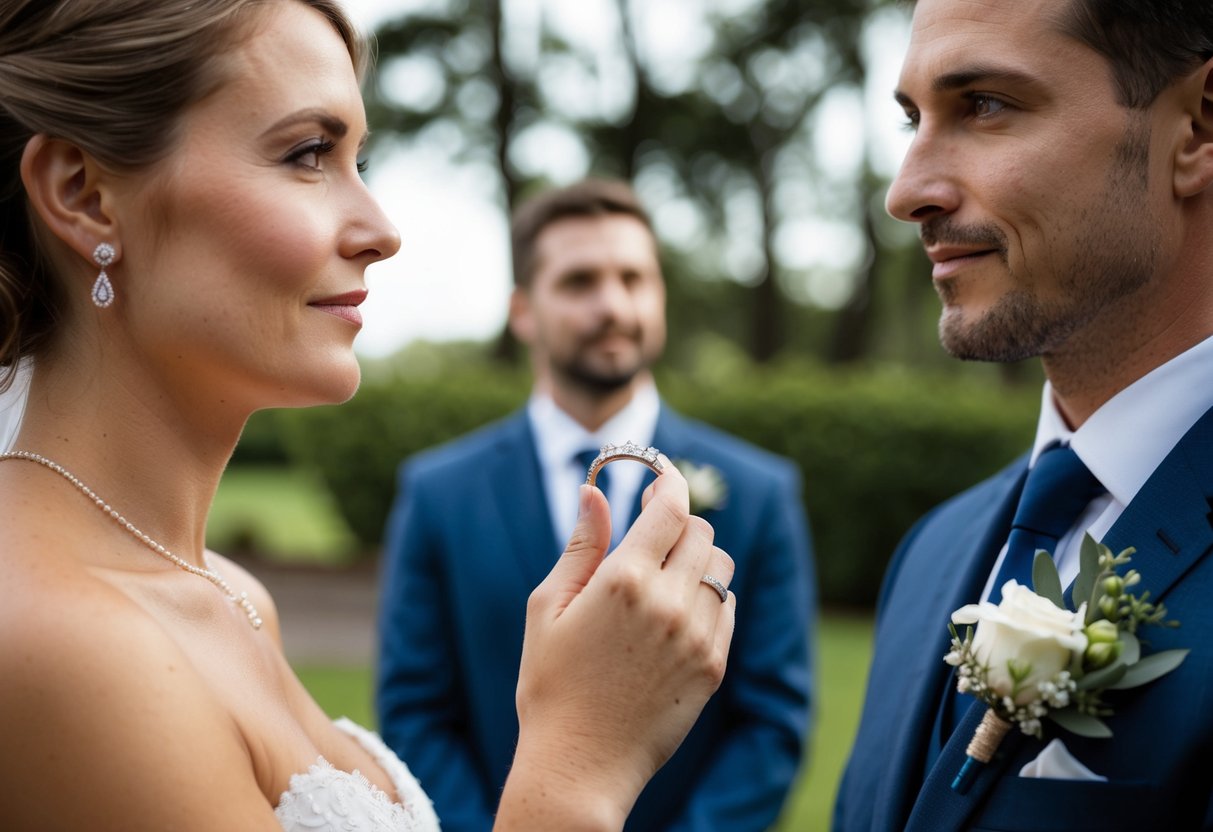
You might wonder whether you should shoulder the cost of your own wedding band. While some brides choose to cover this expense as part of their personal investment in the ceremony, others prefer to follow traditional etiquette.
Understanding the dynamics of wedding costs and deciding together can help create a clearer picture of how you want to approach your wedding.
With so many modern couples opting for a more collaborative approach to wedding planning, discussing who pays for what can ease financial stress and foster teamwork.
As you navigate these decisions, keep in mind that your preferences and values should guide your choices, leaving room for both tradition and your unique vision for the day.
Understanding Wedding Finances

When planning your wedding, figuring out who pays for what can be a big part of the process. It’s helpful to understand the traditional expectations and how they’ve changed for modern couples.
Wedding Budget Breakdown
Creating a wedding budget is essential. Start by listing all potential expenses. Common costs include the venue, catering, decorations, and attire.
You should also consider costs for bridesmaids’ dresses, groom’s suit, and the wedding bands.
Depending on your financial situation, some couples split costs, while others go the traditional route.
A simple budget table could look like this:
| Expense | Estimated Cost |
|---|---|
| Venue | $5,000 |
| Catering | $3,000 |
| Wedding Dress | $2,000 |
| Groom’s Wedding Ring | $500 |
| Bride’s Wedding Band | $500 |
Tracking your expenses helps prevent overspending and ensures you stay within your planned budget.
Traditional vs. Modern Responsibilities
Traditionally, the bride’s family covered most wedding expenses. This includes the wedding dress, flowers, and even the bride’s wedding band. On the other hand, the groom usually took care of his wedding ring, the ceremony, and the honeymoon costs.
In modern weddings, many couples choose a more equal approach, splitting costs based on financial circumstances.
You might decide together who pays for which items based on your preferences and what feels right for you.
This flexibility allows for non-traditional weddings where both partners can contribute financially. Ultimately, what matters most is finding an arrangement that suits both of you and feels comfortable for your families.
Wedding Bands and Rings

When it comes to purchasing wedding bands, it’s important to understand both the traditional roles and the modern changes surrounding who pays and how much they cost. Your preferences and budget will play a big role in this decision.
Deciding Who Buys the Wedding Bands
Traditionally, the bride pays for the groom’s wedding band, while the groom buys the bride’s engagement ring and wedding band. Many couples today see this differently. They often choose to make the purchase a joint investment, reflecting their partnership.
You might discuss preferences with your partner first. It’s essential to communicate openly about your budget and desires.
Consider factors like personal style and the type of material. Options range from classic gold to modern lab-grown diamonds or even a Nexus diamond.
No matter which way you decide, ensure you both feel comfortable and satisfied with the arrangement.
Evaluating the Cost of Wedding Bands
The cost of wedding bands can vary widely. On average, a wedding band might cost between $200 and $2,500, depending on factors like design and metal type. For example, a simple gold band generally costs less than a diamond-encrusted one.
Before making a decision, set a wedding ring budget. This will help you manage your expenses effectively.
Research prices and compare different jewelers for the best deals.
Consider your options wisely; if you lean towards lab-grown diamonds, you might find quality without the high price tag.
Remember, it’s about finding the right ring that fits your style and financial plan.
Wedding Planning and Consultants

Planning a wedding can feel overwhelming, but effective communication and the right help can make it easier. Engaging with a wedding consultant can help you align your vision with practical details, ensuring your day is exactly how you want it.
Communication and Decision-Making
Open communication is key when planning your wedding. You should express your personal preferences clearly.
Discuss what you envision for your big day, including the style, budget, and specific details.
Tips for effective communication:
- Set regular check-ins: Schedule updates with your partner or planner.
- Be honest and direct: Share your ideas and concerns without hesitation.
- Create a vision board: Use images and examples to illustrate your vision.
This back-and-forth helps ensure everyone is on the same page, making decision-making smoother. Being open about your thoughts can prevent misunderstandings later on.
Hiring a Wedding Planner
Deciding whether to hire a wedding planner can significantly impact your planning experience. A wedding consultant can provide valuable insights and relieve stress.
Consider the following:
- Experience: Look for planners with a solid track record in coordinating weddings.
- Services offered: Determine if they provide full planning, day-of coordination, or specific services only.
- Budget: Understand their pricing structure and what fits within your budget.
Working with a planner who respects your vision encourages collaboration. They can help with vendor recommendations, budget management, and timelines. This support allows you to focus on enjoying the process while achieving your dream wedding.
Additional Wedding Details
When planning your wedding, several important details need attention. These can enhance your celebration and make the day truly special.
Pre-Wedding Events
Pre-wedding events, like bridal showers and rehearsal dinners, set the tone for your big day.
A bridal shower is a chance for friends and family to celebrate you, often featuring games, gifts, and a lovely cake. It usually takes place a few weeks before the wedding.
The rehearsal dinner is held the night before the ceremony. This is when you and your wedding party practice for the big day. It’s a more intimate gathering where you can thank those who have helped along the way.
Don’t forget about planning your honeymoon! This trip is a great way to unwind and celebrate your marriage after the busy wedding season. Discuss destinations and budgets together to ensure it’s special for both of you.
Wedding Day Extras
On your wedding day, small details can make a big difference. Arrange wedding day transportation to ensure you and your guests arrive on time. You can consider options like classic cars or a sleek limousine for a touch of elegance.
Make sure to hire a good wedding photographer too. They will capture the memories you’ll cherish forever, from candid moments to formal portraits. Discuss style and must-have shots ahead of time.
Think about how you’ll wear your rings during the wedding ceremony as well. You might choose to have both bands as a joint investment. This can symbolize commitment, making your rings extra special. Prioritize these extras to ensure your day runs smoothly!