
Should the First Dance Be Before or After the Evening Guests? Exploring Timing for a Memorable Celebration
Deciding whether your first dance should happen before or after dinner can feel overwhelming. The best time for your first dance often depends on your personal preference and the flow of your wedding reception.
Some couples prefer to celebrate right after their grand entrance, while others wait until after dinner when guests are more relaxed and ready to dance.
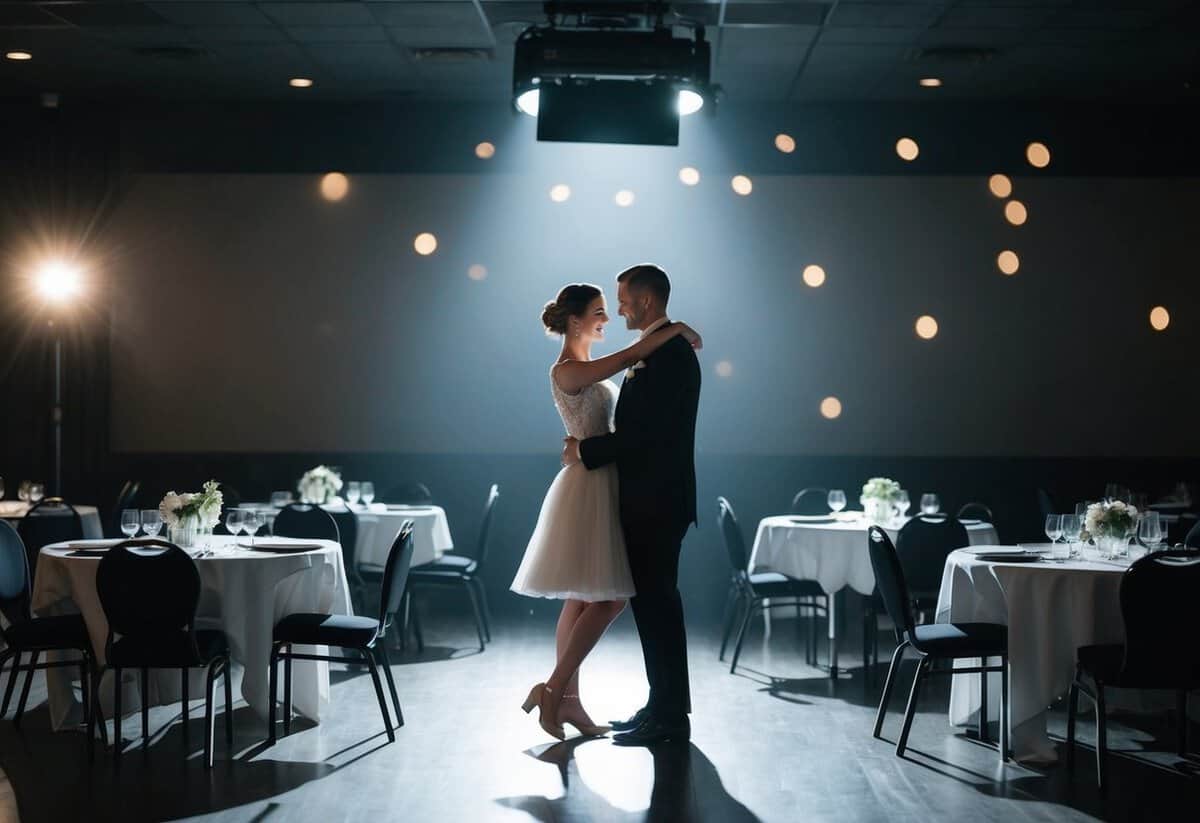
If you choose to have your first dance after the meal, it creates a natural transition into the dancing portion of the evening. This moment can be especially memorable since it encourages everyone to join you on the dance floor right after your performance.
Ultimately, your choice should reflect what feels right for you and your partner, ensuring that your special moment gets the attention it deserves.
Remember, wedding planning is all about creating a day that is uniquely yours. Whether you opt for a pre-dinner dance or an after-dinner celebration, make sure it aligns with the vibe you want to set for the evening.
With the right timing, your first dance can set the tone for an unforgettable night filled with love and laughter.
Setting the Scene for Your First Dance
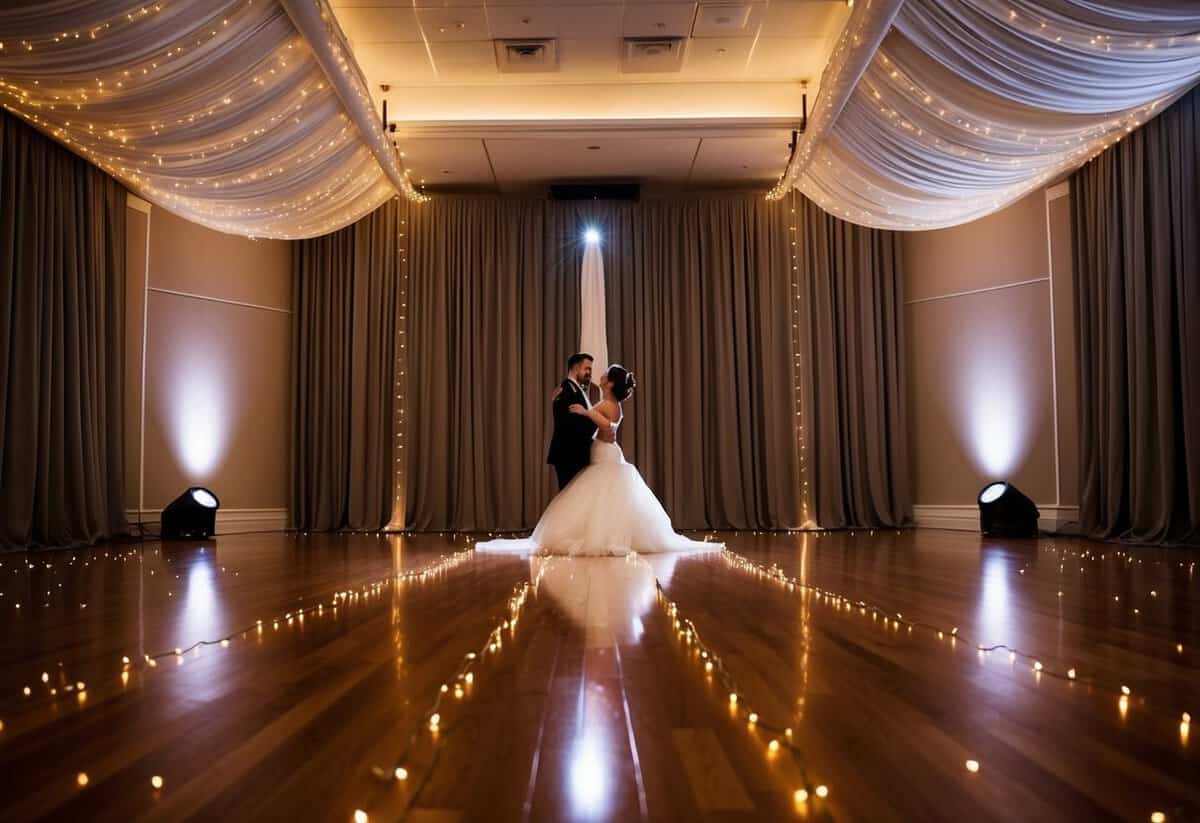
Creating the right atmosphere for your first dance is key to making it memorable. The timing and elements you choose can greatly influence the mood and energy of your wedding reception.
Choosing the Perfect Timing
Deciding when to have your first dance can set the tone for the entire evening. Many couples opt for the first dance right after the grand entrance. This helps to kick off the festivities with excitement. Guests are fresh and eager to celebrate with you.
On the other hand, some prefer waiting until after dinner. This allows everyone to relax and enjoy their meal before the dance. The transition can also help shift the mood back to celebration as guests finish eating.
Consider how you want the evening to flow and what fits best with your wedding day timeline.
Integrating Traditional and Non-Traditional Elements
Your first dance can reflect your style, whether you lean towards traditional or non-traditional elements. For a classic feel, choose a romantic song that resonates with your love story. This will enhance the sentimental atmosphere.
If you want to be more unique, think about including surprises like fun choreography or inviting guests to join you mid-dance. This can create an interactive and lively environment.
Be sure to plan how these elements fit into your reception timeline so that everything flows smoothly. Remember, this moment is about you and your partner, so make it special!
The Order of Events at a Wedding Reception
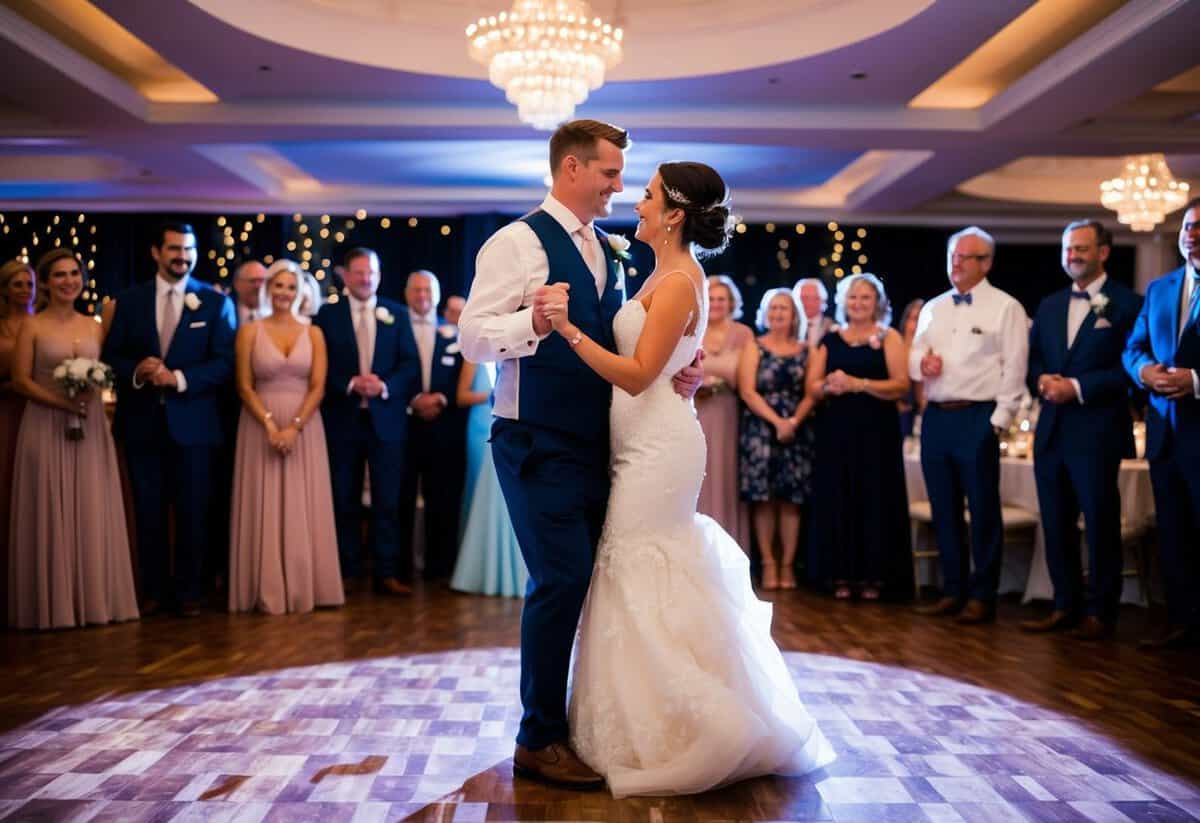
Planning the order of events at your wedding reception is key to ensuring a smooth flow of activities. You’ll want to think about when specific moments take place to keep your guests engaged and enjoying the celebration.
The Significance of Reception Timelines
Creating a timeline for your wedding reception helps everyone understand what to expect. It includes memorable moments like the grand entrance, first dance, and cake cutting.
Typically, you might have guests arrive during cocktail hour. This is a great time for mingling before the main events begin. After cocktail hour, the wedding party is introduced, leading into your first dance.
Other traditional events often follow, like the parent dances, bouquet toss, and garter toss. Each part plays a role in celebrating your new marriage. By planning these activities, you enhance the experience for you and your guests.
Proper Placement of the First Dance
Deciding when to have your first dance is essential. Common choices are just after your grand entrance or following dinner.
Starting the reception with your first dance can draw everyone’s attention. If you wait until after dinner, it allows your guests to settle in more comfortably. This can help create a relaxed atmosphere.
Think about how the first dance fits into the overall timeline. It often precedes special moments like parent dances and cake cutting. Including the first dance in a timely way adds to its significance and keeps the energy high for all the guests.
Entertainment Aspects Surrounding the First Dance
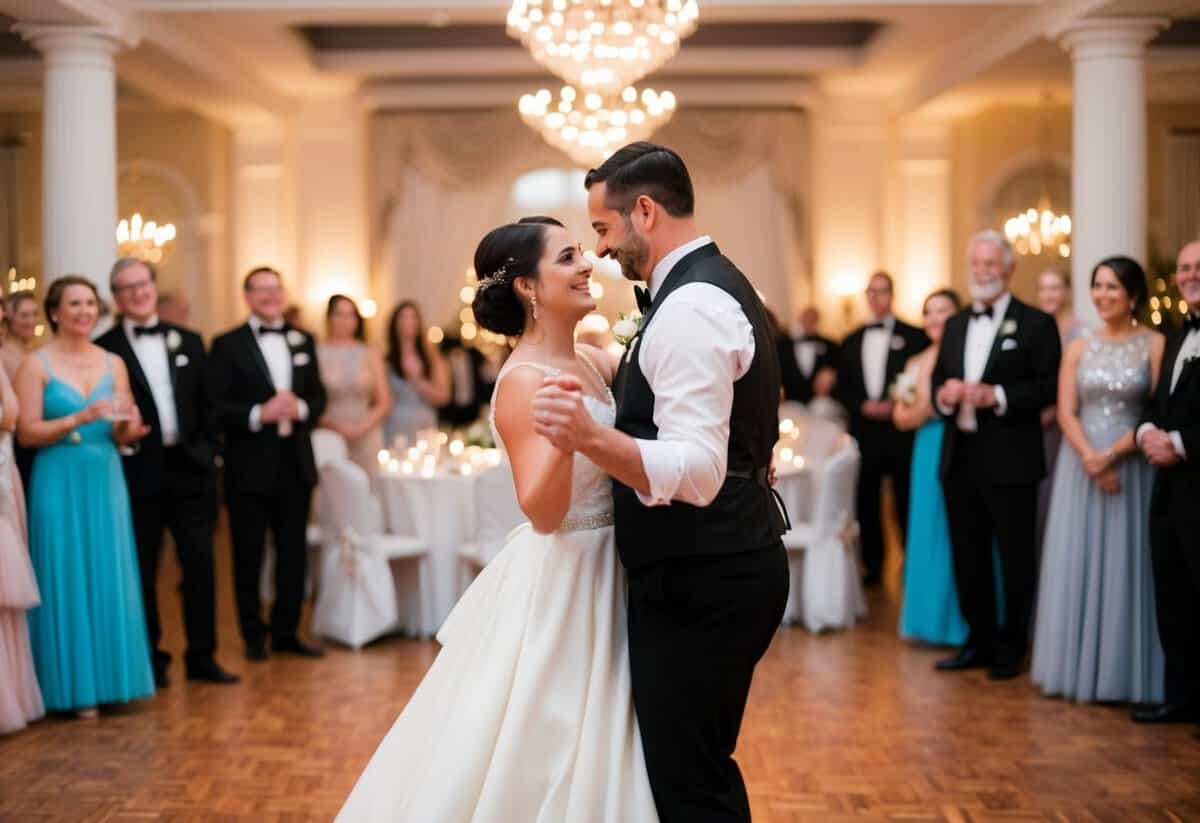
The first dance is a special moment that sets the tone for your wedding reception. It’s not just about the couple; it’s also an opportunity to consider music, performers, and involving your guests in the celebration.
Choosing Your Music and Performers
Selecting the right music for your first dance is crucial. Think about a song that holds special meaning for you and your partner. This could be a romantic ballad or a fun upbeat song that reflects your relationship.
You can opt for a live band or a DJ. A band might offer a more personal touch, playing a heartfelt version of your chosen song. On the other hand, a DJ can provide a wide range of music, including popular dance tracks after your first dance.
Also, consider the flow of the evening. It’s common to have parent dances, like the father-daughter and mother-son dances, lead into the first dance to keep the focus on the dance floor.
Involving Guests in the Dance Experience
You want your guests to feel included, too.
One way to do this is by inviting them to join the dance floor after your first dance. You could also plan for a fun anniversary dance, where married couples are invited to join you.
Another option is the money dance, where guests pay to dance with you. This often adds a playful element and encourages everyone to participate.
Think about incorporating wedding games that get guests engaged, making the night memorable. Creating a lively atmosphere will help everyone feel excited to take part in the fun.
Consulting with Your Wedding Planner and Venue Manager
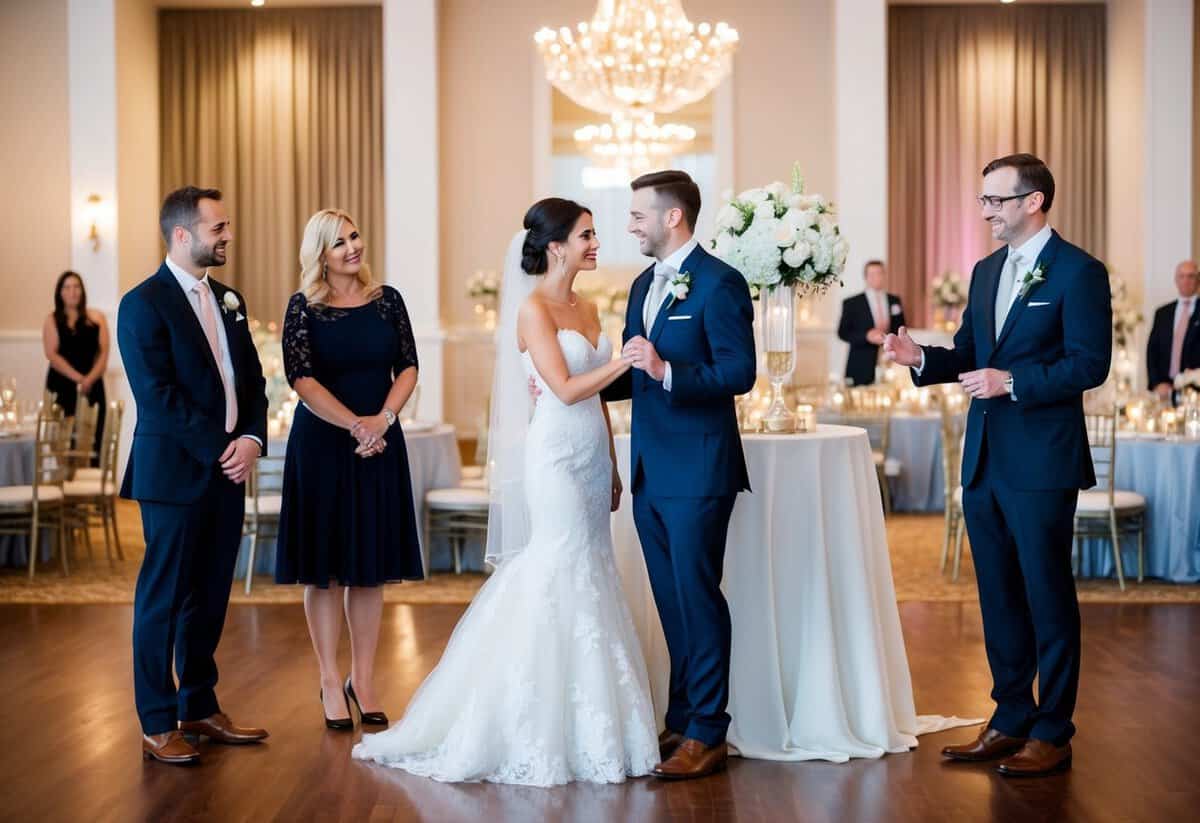
When planning your first dance, make sure to have clear communication with your wedding planner and venue manager. They are key to creating a smooth timeline for your special day.
Start by discussing the wedding timeline. Your planner can help you decide whether the first dance fits better before or after the wedding meal. This will help create a flow that keeps your guests engaged.
Next, talk about the role of your officiant. They often play a part in transitioning between the ceremony and the reception. This can help signal when it’s time for your first dance.
Your DJ or bandleader also needs to be involved. They will know how to set the mood and get your guests ready to celebrate. Make sure to share your vision with them.
Don’t forget to ask your venue manager about layout options. They can suggest the best setup for the dance floor that will enhance your first dance.
Here are a few questions to guide your discussions:
- When is the best time for our first dance?
- How can we make the transitions smooth?
- What feedback do you have about our timeline?
By actively consulting with your wedding planner and venue manager, you can ensure your first dance is memorable for both you and your guests.