
Should We Spend Much Money on Wedding? Exploring Budget-Friendly Options for Your Big Day
Planning your wedding can be exciting but also overwhelming, especially when it comes to budgeting. You don’t have to spend a fortune to have a beautiful and memorable wedding. Many couples find that setting a budget helps them focus on what truly matters: celebrating your love with family and friends.
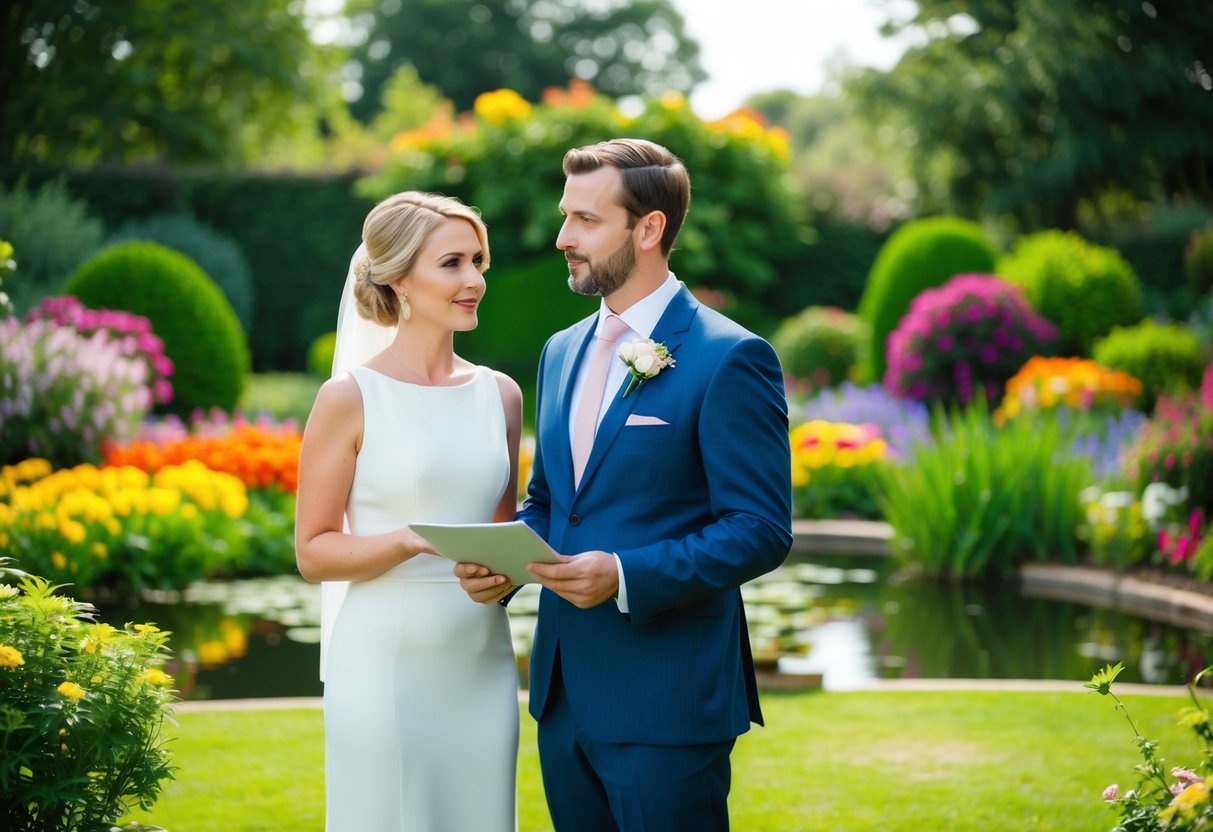
It’s easy to get caught up in the idea that an expensive wedding equals a perfect day. However, the most important part of your wedding is the commitment you make to each other. By understanding where to save and where to splurge, you can create a day that reflects your personality and values without breaking the bank.
As you consider your wedding budget, remember that it’s about quality, not quantity. Finding ways to spend wisely can lead to a joyful experience, allowing you to invest in what makes your day special while avoiding unnecessary stress about finances.
Exploring the Concept of Wedding Budgets

Understanding how to manage wedding costs is important for creating a memorable day without breaking the bank. From knowing the average expenses to effectively planning your budget and choosing the best date, each aspect plays a vital role in your wedding planning.
Understanding Wedding Costs
Wedding costs can vary significantly based on several factors. On average, couples spend around $29,000 on their wedding, while some may spend much less or more depending on their choices. Key expenses include the venue, catering, and photography.
Here’s a simple cost breakdown for an average wedding budget:
- Venue and Catering: 40%
- Photography: 15%
- Music: 10%
- Flowers: 10%
- Décor: 10%
Additionally, it’s wise to set aside an emergency fund for unexpected expenses that may arise during planning. This can help you stay on track without unexpected stress.
Creating a Wedding Budget Breakdown
Creating a wedding budget breakdown is crucial for controlling your spending. Start by listing all potential expenses and grouping them into categories. This structured approach helps you visualize where your money is going.
Consider using a spreadsheet to track your costs. Include estimated costs and actual spending. Set clear priorities for your budget so you know where to allocate more or hold back. For example:
- High Priority: Venue, Catering
- Medium Priority: Photography, Music
- Low Priority: Favors, Extra Décor
Adjust your budget as needed and remember that sticking to it is key to avoiding financial stress.
Choosing the Right Wedding Date
The wedding date you choose can greatly affect your budget. Seasonal peaks, such as summer and fall, often lead to higher costs due to demand. You can save money by opting for an off-peak season or choosing a weekday.
When selecting your date, consider local events or holidays that may affect availability and pricing. Also, think ahead about weather conditions, as they can influence vendor choices. By being flexible and planning strategically, you can maximize your budget and enjoy your special day without financial strain.
The Significance of Venue and Catering
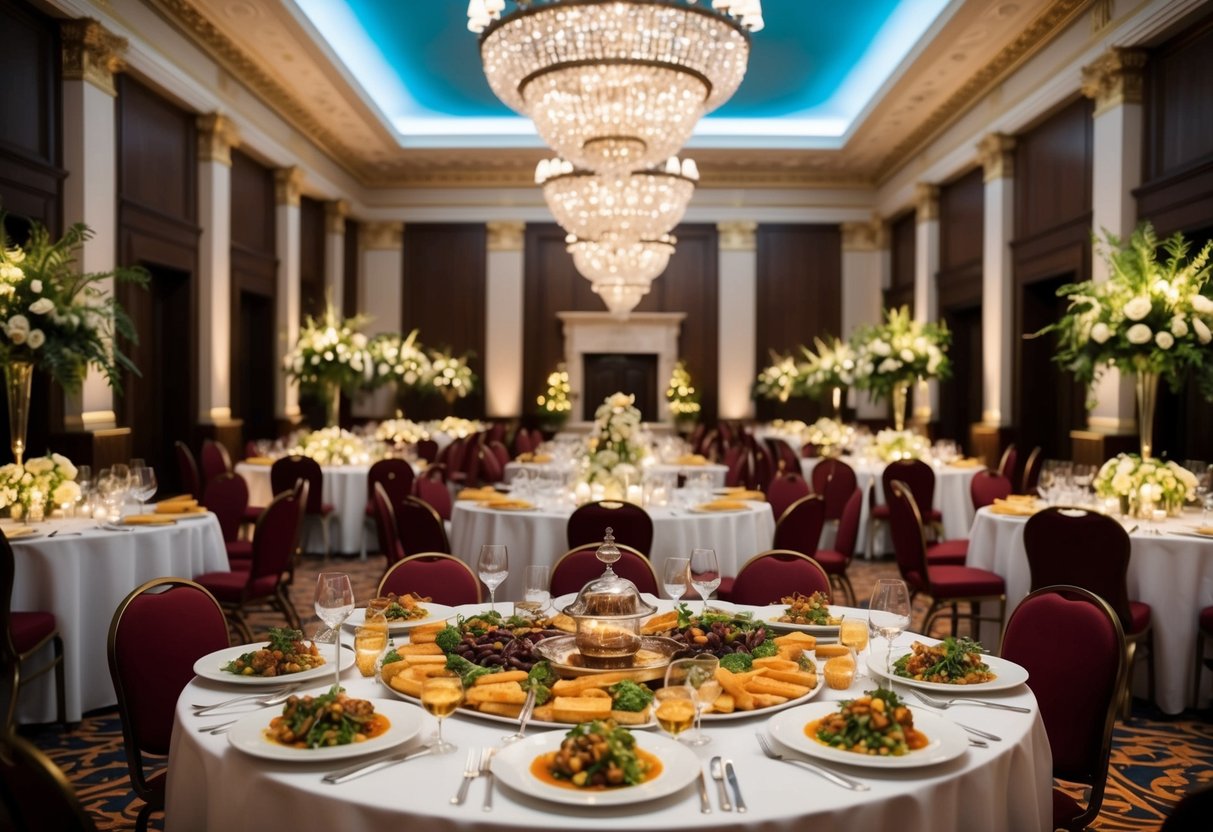
Choosing the right venue and catering options plays a crucial role in your wedding day. These decisions affect not just the look of your event, but also the overall experience for you and your guests.
Selecting the Perfect Venue
When selecting your wedding venue, think about its location and style. Consider how many guests you’ll invite. This will help guide you to a space that feels comfortable. Popular choices include banquet halls, gardens, or even beach locations. Each venue type has its vibe, so choose one that reflects your personality as a couple.
Pay attention to the venue’s capacity, accessibility, and available amenities. Some venues offer in-house catering, while others require you to bring in external services. Viewing the venue in person will help you visualize how your day will unfold. Don’t forget to check for any restrictions that may affect your plans, like noise limits or decor rules.
Planning Your Wedding Menu
Your wedding menu is more than just a meal; it reflects your personal taste and sets the mood. Begin by choosing the type of food you want to serve. Common options include plated dinners, buffet-style, or family-style meals.
Think about your guests’ dietary needs, including vegetarian, vegan, and gluten-free choices. This ensures everyone feels included. You can also add personal touches, like signature dishes or favorite family recipes. Working with a caterer can help you balance creativity with practicality.
Finally, don’t forget to schedule a tasting session. This will help confirm you’re satisfied with your food choices and can make changes if needed.
Beverage and Bar Considerations
Beverages are another key part of your wedding. Think about what you want to offer—wine, beer, cocktails, or non-alcoholic options. Decide if you want an open bar, cash bar, or a limited selection of drinks.
If you’re including alcohol, plan for the quantity based on your guest count. A good rule of thumb is ½ to 1 drink per person per hour. Many venues offer beverage packages that can simplify your planning. Check what’s included, such as mixers and glassware.
Also, think about how drinks will be served. A signature cocktail can add a fun element and reflect your style. Make sure everything aligns with the overall feel of your wedding, creating a memorable experience for your guests.
Detailing Essential Wedding Elements

Your wedding day is about love and celebration, and the details matter. Key elements like fashion, décor, and capturing memories are essential in creating a special atmosphere.
Fashion: Finding Your Dream Dress and Attire
Finding the perfect wedding dress can feel overwhelming. Start by researching styles that appeal to you, like A-line, ball gown, or mermaid cuts. Keep in mind the fabric, such as lace, silk, or tulle, as it will affect the look and feel.
Don’t forget about your wedding party’s attire. Coordinate colors and styles with your dress. Set a budget for dresses and suits, but remember that your comfort and happiness are most important.
Consider shopping at local bridal salons and online retailers for both new and pre-owned options. With some patience, you can find the dress that makes you feel magical on your big day.
Décor and Florals: Setting the Scene
The right décor can transform your venue. Start by choosing a color palette that reflects your personality. Consider elements like table settings, centerpieces, and lighting.
Flowers play a crucial role in creating the right mood. Think about your favorite blooms and how they can match your theme. Options like roses, peonies, and eucalyptus can add beauty and fragrance.
Work with a florist to create stunning arrangements that enhance the setting. Don’t overlook details like signage and keepsakes to personalize the experience for you and your guests.
Capturing Memories with Photography and Videography
Your wedding day will pass quickly, but great photography and videography can capture those cherished moments. Look for photographers who can tell a story through their work. Review their portfolios to ensure their style matches your vision.
Discuss your must-have shots, like family portraits or candid moments during the ceremony. Consider a videographer who can create a highlight reel or a full-length video to relive the day later.
Investing in professionals for these services is invaluable, as they preserve your memories for years to come. Creating a timeline for photo sessions can also help manage your day smoothly.
Managing Guest Experience and Additional Details
Creating a memorable experience for your wedding guests involves careful planning. You want them to feel valued and comfortable throughout the celebration. Let’s break down key elements that will enhance their experience.
Finalizing the Guest List and Count
Start by making a detailed guest list. Write down everyone important to you and your partner. This helps you understand how many people will attend, which is crucial for budgeting.
Keep in mind that the guest count affects many aspects of your wedding. More guests mean a larger venue, extra seating, and additional food expenses. Consider sending out save-the-date cards early. This allows guests to plan and helps you finalize your list sooner.
Use a spreadsheet to keep track of RSVPs. This tool can help you manage responses easily. It ensures you won’t miss anyone. Remember, each guest contributes to the atmosphere of your special day.
Musical Entertainment and Ambient Music
Music sets the mood for your wedding. Think about what atmosphere you want to create. Will it be lively and fun, or calm and romantic?
Hiring a live band or a DJ can enhance the energy of the event. They can personalize the music selection to fit your theme. Also, consider playing ambient music during dinner. This keeps the atmosphere warm and inviting.
It’s important to discuss playlists with your entertainers. Share your favorite songs and ask for their expert advice on timing. The right music can turn moments into lasting memories. Don’t forget to communicate any specific requests to make the experience special for you and your guests.
Personal Touches with Favors and Stationery
Wedding favors are a lovely way to thank your guests. Choose something meaningful that reflects your personality as a couple.
Popular options include personalized tokens, small plants, or homemade treats.
Stationery also plays a crucial role. Your invitations set the tone from the start. Make sure they match your wedding’s overall theme.
Include RSVP cards to help manage your guest count.
Consider adding a personal note on each favor, expressing your gratitude. This small touch can make your guests feel appreciated.
When they see the extra effort you’ve put in, it enhances their overall experience and connection to your celebration.