
Should Wedding Guests Be 50/50? Exploring Fairness in Guest Invitations
When planning your wedding, deciding how to divide the guest list can feel tricky. Many couples wonder if they should split the guest count evenly between both families. A 50/50 split can be a great starting point, but it doesn’t always reflect the true dynamics of your relationships with family and friends.
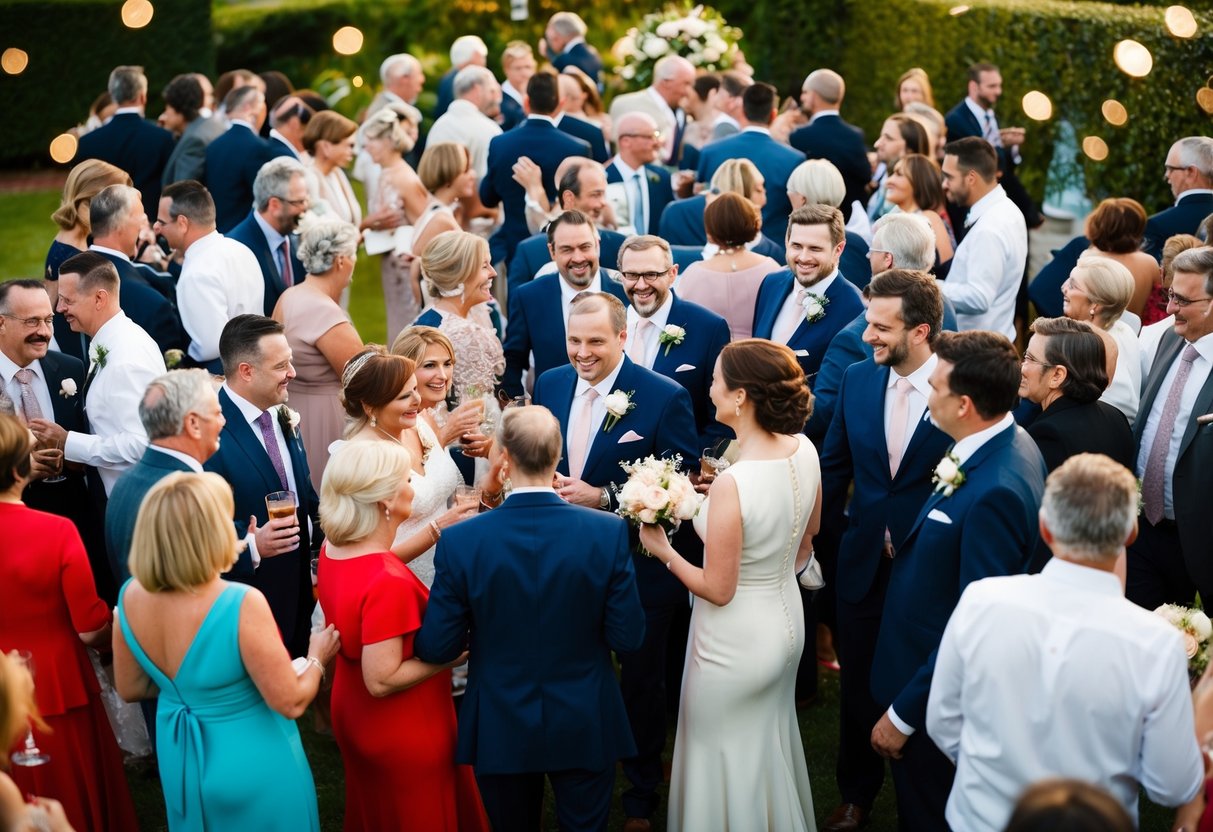
It’s important to consider the size of each family and the closeness of your friendships. You might find that one partner has a larger circle of friends while the other values family connections more. By discussing your priorities together, you can create a wedding guest list that feels balanced and makes everyone happy.
As you navigate wedding planning, think about who you truly want to share your special day with. This approach can lead to a guest list that feels right for both of you, bringing joy to the celebration and minimizing future tensions with family.
Crafting Your Wedding Guest List
Creating your wedding guest list is an important step in planning your big day. It sets the tone for your celebration and helps with budget decisions.
Determining Size and Scale
Start by deciding on the size of your wedding. Are you aiming for a big wedding with 150 or more guests, or a small wedding with 50 or fewer? Your choice will impact venue selection, budget, and the overall vibe of the event.
Make a rough list of immediate family, close friends, and important figures in your life. Consider setting a limit for the number of guests per side if you want a more balanced invite list. Aim to keep the guest count consistent with your wedding vision.
Guest List Rules and Etiquette
When crafting your guest list, there are some important rules to remember. First, set a budget that includes costs per guest. This will help you avoid overspending.
Next, think about plus-ones for your guests. While it can add more people, it creates a more inclusive atmosphere. However, be mindful of your overall count.
You should also be clear with your VIPs, like parents or siblings. Discuss which guests are must-haves and those who could be left off the list. This will help keep things fair and manageable.
Involving the Wedding Party
Don’t forget to involve your wedding party when creating the guest list. Speak with your bridesmaids and groomsmen and ask for their input. They might have suggestions for close friends or relatives that you might have overlooked.
Involving them can also lighten the load of communication with guests. This can be especially helpful for destination weddings. Be sure to consult your wedding planner, if you have one. They can provide invaluable insights into common practices and help keep everything organized.
Balancing the Scales
Finding the right balance for your wedding guest list can be tricky. You might wonder whether a 50/50 split between you and your partner is crucial, or if it’s okay for the numbers to be lopsided. Let’s explore this topic to help you make informed decisions.
The 50/50 Debate
Many couples aim for an equal number of guests from both sides. This idea promotes fairness and helps avoid feelings of favoritism.
If you have a large family and your partner has a smaller one, achieving a perfect 50/50 can be challenging. You may end up with an uneven guest list. It’s vital to discuss the feelings of both sides openly.
You can agree to prioritize key family members and friends. Creating a formula, like dividing guests by total invites, can help present a fair division.
Handling Lopsided Lists
A lopsided wedding guest list is common, especially if one of you comes from a bustling family while the other prefers a more intimate gathering.
If you find yourselves with too many guests on one side, consider options to even things out. You might suggest inviting fewer work friends or extended family.
Another strategy is to set a limit for each side. For example, if one side has 20 more guests, trim down the invites to ensure a stronger balance. Also, keep communication open. This helps to understand each other’s perspectives and feelings regarding guests.
Fairness and Family Dynamics
Family dynamics play a massive role in creating your guest list. You each may have expectations based on family history or relationships.
When navigating these feelings, make sure to communicate openly with your partner. Decide together which family members hold the most significance in your lives.
You may find that certain friends or relatives are vital to one partner but not the other. Discuss these factors as you create your seating chart, ensuring everyone feels included.
Practical Considerations for Guest Counts
When planning your wedding guest list, several practical factors come into play. Your budget, venue size, and managing RSVPs are key areas to consider. Balancing these aspects can make or break your big day.
Budgeting for Your Big Day
Your wedding budget is a primary factor in determining how many guests to invite. Each guest adds to overall costs, including catering, drinks, and favors.
Here’s a quick breakdown of common costs per guest:
- Catering: $50-$150 per person
- Drinks: $20-$80 per person
- Favors: $2-$10 per person
With a limited budget, you might prioritize inviting close family and friends. If you have a bigger budget, you can expand your list to include more guests. Understanding your costs will help you create a realistic wedding budget.
Venue and Seating Chart Arrangements
Choosing the right venue impacts your final guest count. Venues have specific capacities that you must consider. An intimate space may only hold 50-100 guests, while larger venues can accommodate over 200.
Create a rough seating chart to visualize arrangements. Consider a mix of table sizes to fit your guest list. Round tables promote conversation, while long banquet tables create a more formal setting. Your venue should enhance the atmosphere, so think carefully about how it supports your vision.
Managing RSVPs and Final Headcount
RSVPs are crucial for managing your guest count effectively. Send out invitations well in advance, allowing guests plenty of time to respond. Set a clear deadline for RSVPs to finalize your headcount.
Once you receive replies, keep track of the numbers. Adjust your catering and seating arrangements based on the final headcount. If some guests cancel, consider asking others to fill those spots. This approach is especially helpful when planning for a destination wedding or a budget wedding, ensuring you make the most of your resources.
Creating Happy Memories With Your Guests
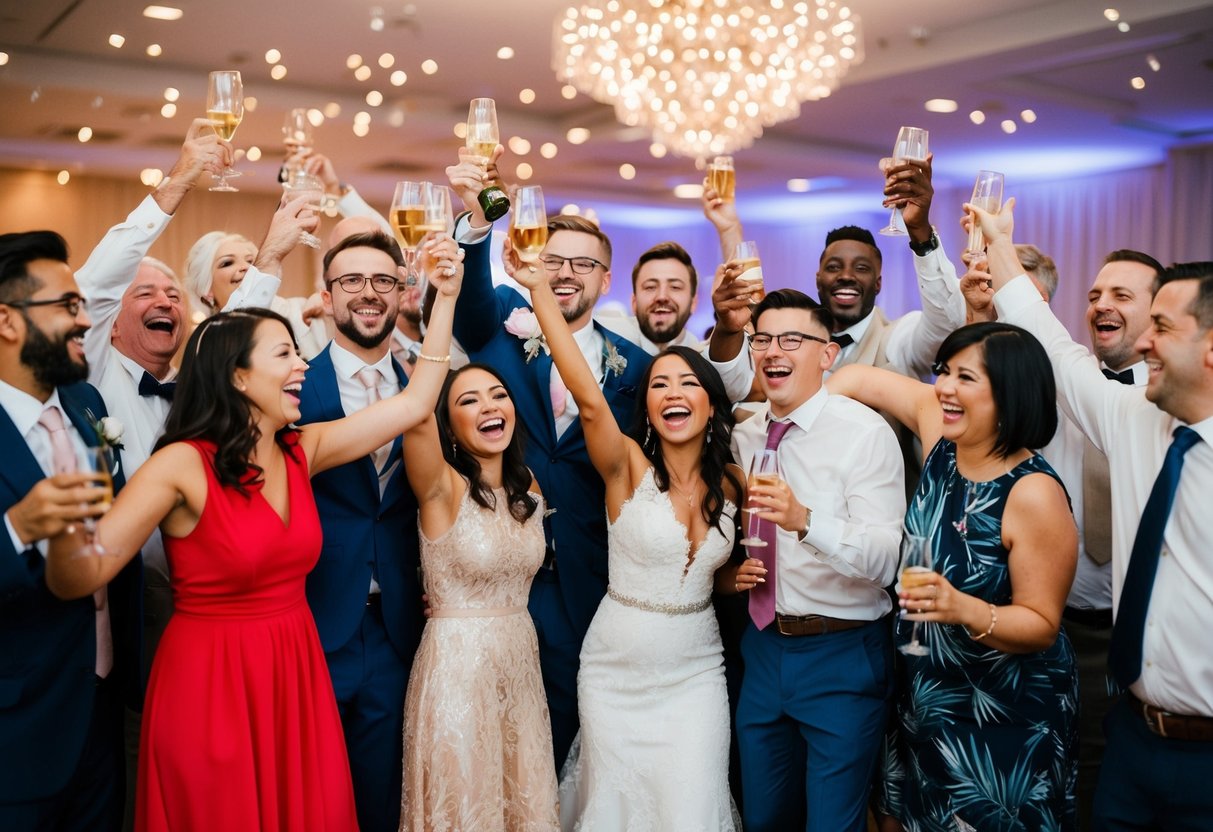
Making memories that last a lifetime is important for any wedding. A small guest list allows for deeper connections and more meaningful interactions. You can create a warm atmosphere that helps all attendees feel appreciated and included.
Crafting Intimate Weddings
An intimate wedding with a small guest list creates a cozy setting. This approach allows you to connect with each guest personally. You can spend quality time together, exchange stories, and share laughs, making the day truly special.
Think about your venue choice. A smaller location can enhance the feeling of closeness. You might use soft lighting or personal touches like handmade decor. Including interactive elements, such as a photo booth, lets guests engage and create their own memories.
Surprise your guests with welcome bags, filled with local treats or personal notes. This thoughtful gesture makes them feel valued from the start. Remember, every little detail counts when creating happy memories.
Fostering Connections During Wedding Festivities
Wedding festivities are a perfect time to foster connections. You can arrange activities that encourage interaction when you have fewer guests. Think about hosting fun games or group activities that help everyone mingle.
A shared meal can also strengthen bonds. You might consider a seated dinner where guests can engage in conversation. Arrange the seating to pair those who may not know each other well. This can spark new friendships and create joyful experiences for everyone.
Incorporate storytelling during your speeches. Sharing personal anecdotes can lighten the mood and connect your guests on a deeper level. When people feel connected, they leave with happy memories that they will cherish for years to come.