
Should You Do Assigned Seating at a Wedding? Tips for a Smooth Celebration
Planning your wedding can be exciting yet overwhelming, especially when it comes to deciding on your seating arrangements. The choice between assigned seating and open seating can greatly impact your guests’ experience. Assigned seating helps guests feel more at ease, as they don’t have to worry about finding a spot at a crowded table.
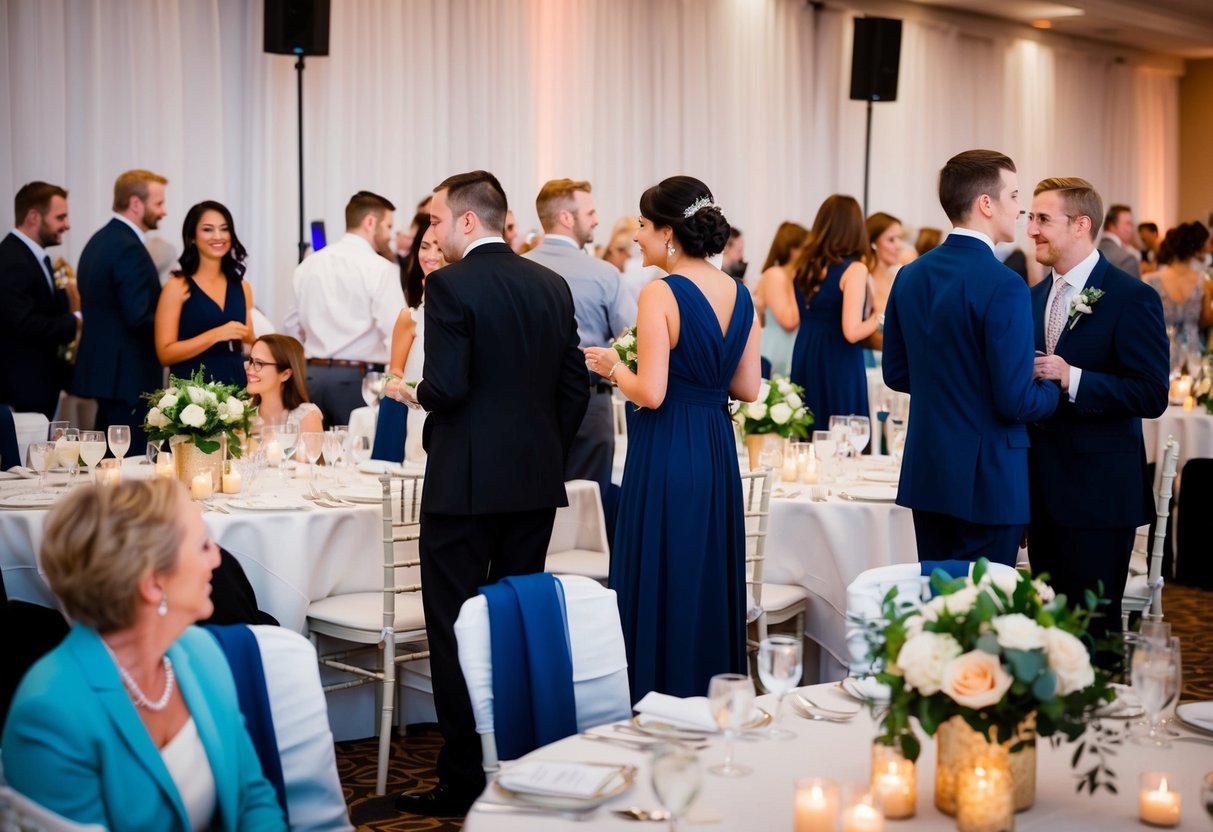
With assigned seating, you have the chance to curate interactions among guests, ensuring that friends and family members are seated together. This can create a more enjoyable atmosphere at your wedding reception. On the other hand, open seating allows guests to choose where they sit, which can also foster a laid-back vibe, but it might lead to confusion or awkwardness if people don’t know each other well.
You can weigh your options and consider how each approach might affect your guests’ comfort and enjoyment.
Understanding Assigned Seating at Weddings
Assigned seating can greatly impact your wedding’s atmosphere and guest experience. By deciding how to arrange your guests, you can foster connections and ease any awkwardness during the event. Here’s a closer look at what assigned seating entails and the options available.
The Basics of Assigned Seating
Assigned seating means you indicate where each guest will sit. This can be done through a seating chart that lists names and assigned tables.
You can enhance this with place cards or escort cards, which guide guests to their specific seats. Place cards are usually set at each table, whereas escort cards are handed out at the entrance.
An organized plan helps avoid confusion, especially at larger weddings. Guests may appreciate having their spots designated, reducing the stress of finding a place to sit, particularly if they don’t know many people.
Various Seating Options
You have several options when it comes to seating arrangements. The most common choices include:
- Assigned Seating: Each guest has a specific table and seat.
- Open Seating: Guests choose where to sit, which can feel more relaxed.
- Table Assignments: Guests have assigned tables but can choose their seats at those tables.
Each arrangement has its pros and cons. Assigned seating promotes organization and mingling, while open seating can create a casual vibe. Consider your guest list and what will suit your wedding best when deciding on a seating plan.
Planning Your Seating Arrangement
Planning your seating arrangement is a key part of wedding preparation. It involves making sure all guests are placed comfortably while keeping the flow of the event in mind. This section breaks down the main steps to ensure you have a well-thought-out seating plan.
Counting Your Guests
Start by compiling a clear guest list. Knowing your total guest count is essential for creating a seating chart. Use your RSVP responses to finalize this number. This will also help you manage table sizes and the overall layout.
Tip: Keep track of who is attending by using a simple spreadsheet. You can list names, plus ones, and dietary restrictions. This makes it easier to plan your seating arrangements.
Consider the size of each table. Most tables comfortably seat 8-10 guests. Knowing how many tables you have will help avoid overcrowding.
Designing a Seating Chart
Creating a seating chart can feel daunting, but it helps everyone know where to go on the big day. Start by sketching out the layout of your venue. This can help visualize the arrangement.
Step-by-Step:
- Choose a central spot to place your seating chart.
- Assign tables based on the relationships among guests. Place close friends and family members together for comfort.
- Consider guest dynamics. Avoid seating people together who may not get along.
Use table numbers or names to identify each table clearly. You can create a simple visual or printable chart that guests can check when they arrive.
Coordinating with Your Venue
Your venue layout plays a big role in how you arrange your seating. Make sure to discuss your plans with the venue coordinator. They can offer valuable tips on traffic flow, table placement, and how to maximize space.
Venue details to consider:
- Entry and exit points to ensure guests can flow easily.
- Location of the bar and dance floor for easy access.
- Space for other activities, like speeches or toasts.
Be open to adjustments based on what the venue suggests. They know how to make the most of the space you have.
Incorporating the Wedding Party
Make your wedding party feel special in the seating arrangement. Plan a dedicated table for them to honor their role in your big day. This helps create a festive atmosphere.
Things to keep in mind:
- Position the wedding party near you, but consider their comfort too.
- Keep arrangements balanced. Avoid placing guests with potential conflicts next to each other.
In addition, you might want to assign them roles in the seating chart, like giving each member a specific table to assist in welcoming guests.
This approach ensures a smooth and memorable experience for everyone involved.
Pros and Cons of Assigned Seating
When planning your wedding reception, considering assigned seating comes with both benefits and obstacles. It’s essential to weigh these points to decide what best suits your style and guests.
Advantages of Assigned Seating
Assigned seating can greatly improve the organization of your dinner service. With clear seating assignments, guests know exactly where to go, reducing confusion at the start of the reception. This helps everyone find their spot and settle down quicker.
Another advantage is that it encourages social interaction. By arranging guests thoughtfully, you can sit friends or family together, creating a more lively atmosphere. If you have a few guests who might not know many others, sitting them with friendly faces can help them feel more comfortable.
Additionally, this arrangement lets you manage any potential conflicts between certain guests. You can avoid tricky situations by placing individuals who may not get along apart from each other.
Challenges of Assigned Seating
While assigned seating has its perks, there are some challenges to consider. Creating seating assignments takes time and effort. You’ll need to know your guests well to ensure everyone is comfortable in their assigned spots.
Logistically, figuring out how to arrange tables can be tricky. You might need to adjust based on the layout of your venue. This can make the process of planning more complicated.
Moreover, some guests prefer the freedom of choosing their seats. An assigned setup might feel less relaxed to them. Keep in mind that if someone is unhappy with their seat or table, it could impact their enjoyment of your special day.
Special Considerations for a Seamless Reception
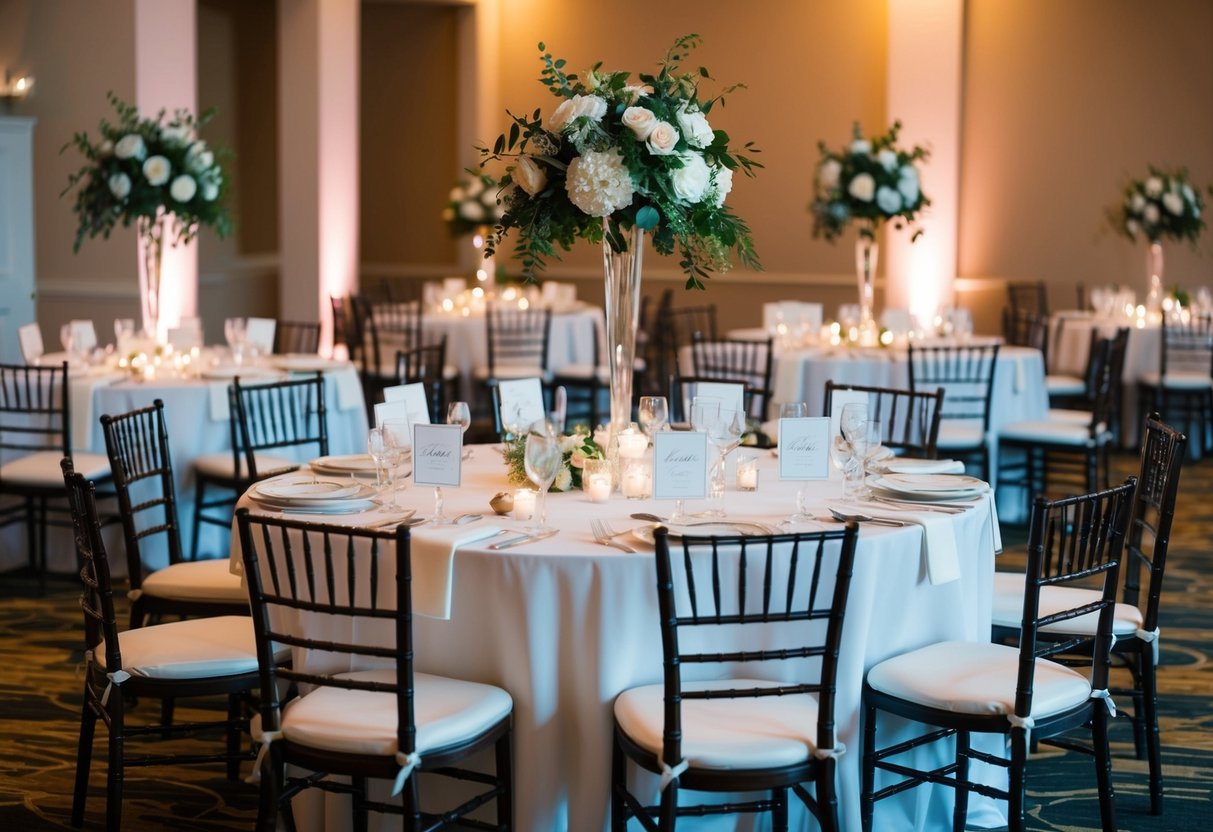
When planning your wedding reception, there are a few important details to keep in mind. Paying attention to dietary needs, managing guest dynamics, and customizing seating can help create a pleasant experience for everyone.
Accommodating Dietary Needs
It’s essential to consider dietary restrictions and food allergies when planning your menu. Start by gathering information from your guest list. You can include a section on the RSVP card to ask about these needs.
Your catering team plays a crucial role here. By informing them of any restrictions, they can prepare special meals. This ensures that everyone, including guests with dietary needs, can enjoy their meal without worry.
During the reception, place any special meals in an easily identifiable manner. This helps both your guests and catering staff locate them quickly.
Managing Guest Dynamics
Understanding how your guests interact is key for a smooth reception. Think about who gets along well and may enjoy sitting together. This can avoid any awkward moments during the event.
Consider mixed seating arrangements. By placing friends at the same table, you create a lively atmosphere. On the other hand, you may want to separate guests who might not get along.
If you’re using banquet tables or a cocktail-style reception, think strategically about seating placement. This setup can enhance socializing, so aim for a mix of familiar faces and new connections at each table.
Customizing Seating for Different Reception Styles
Your reception style can greatly influence seating arrangements. For banquet tables, plan a layout that encourages conversation. Long tables can bring guests together, fostering a sense of community.
For a cocktail-style reception, it’s often best to keep seating flexible. You could use small tables or lounge areas that allow guests to mingle freely. Make sure to have a few assigned seats for guests who prefer more stability.
No matter the style, customizing your seating will enhance the experience. Communicate the layout clearly to your catering staff, so they know where guests will be seated.