
Should You Pay for Drinks at a Wedding? Understanding the Etiquette
When planning your wedding, one question that often arises is whether you should pay for drinks. As the couple, you should typically cover the cost of alcohol for your guests, as this enhances their overall experience. Understanding this expectation can help you make important decisions about your budget and how you want your celebration to feel.
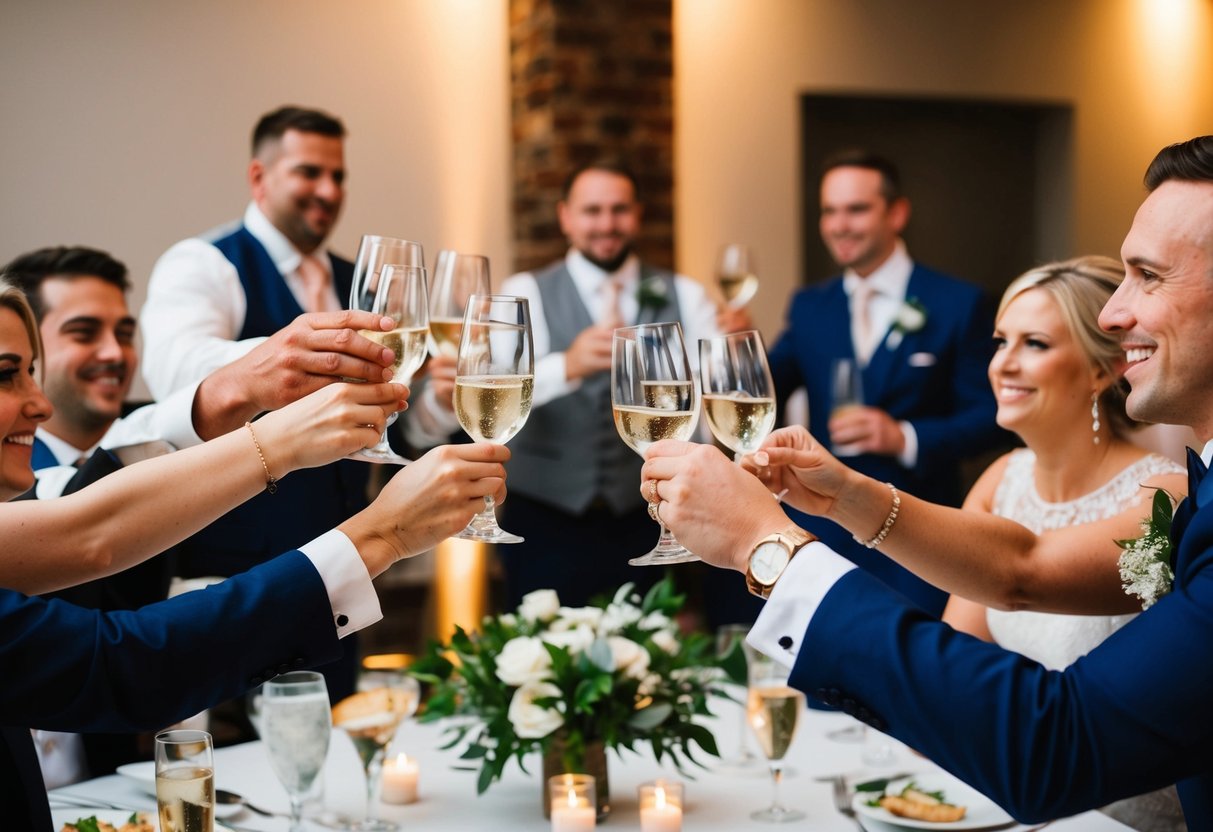
You might be wondering how much you should budget for drinks. Many couples opt for an open bar, where you take care of everything, allowing guests to enjoy freely. However, a cash bar or a consumption bar can also work if you’re concerned about costs while still providing options for your guests.
Deciding how to manage drinks is a big part of your wedding planning. It’s important to consider factors like your number of guests and the kind of atmosphere you want to create. Making thoughtful choices can ensure everyone has a great time without breaking the bank.
Understanding Different Bar Options
Choosing how to handle drinks at your wedding can shape the experience for you and your guests. Understanding the various bar options can help you find a balance between your budget and ensuring everyone has a good time.
Open Bar and Its Appeal
An open bar is when you, as the host, pay for all drinks consumed. This option allows guests to enjoy a wide range of beverages without worrying about the cost.
Benefits include creating a festive atmosphere and offering a variety of choices such as beer, wine, or signature cocktails. However, it can also be pricey. To manage costs, you might consider a limited time for the open bar or specific drink selections.
Cash Bar Considerations
With a cash bar, guests pay for their own drinks. This option can be more budget-friendly for you as a couple.
While cash bars are cost-effective, they may make some guests feel uncomfortable. Only about 6% of weddings use this option, as many couples want to treat their guests. Clear signage about the cash bar can help set expectations.
Limited Bar: A Middle Ground
A limited bar is a compromise between an open and cash bar. Here, you can offer a selection of drinks for free, but guests pay for others.
You might provide beer and wine while charging for cocktails. This option gives guests choices without breaking the bank. It can help create a relaxed vibe while managing costs.
Specialty Bars: Beer, Wine, and Signature Cocktails
Specialty bars focus on specific types of drinks, like a beer and wine bar or a station for signature cocktails.
This option allows you to highlight favorites while keeping things simple. Guests might enjoy sampling local brews or unique cocktails created just for your big day. Specialty bars can also reduce your expenses compared to a full open bar.
Dry Weddings: An Alcohol-Free Approach
A dry wedding means no alcohol is served at all. This choice can make your event more inclusive for guests who do not drink or may have dietary restrictions.
You can still offer a fun selection of non-alcoholic beverages, like flavored sparkling water or mocktails. While some guests may miss the drinks, many will appreciate the thoughtfulness. This choice can also save you money on catering and help with planning.
Budgeting for the Wedding Bar
When planning your wedding, budgeting for the bar is crucial. You want to offer a great experience for your guests while keeping your costs in check. Understanding how to calculate your alcohol needs, apply cost-saving strategies, and identify hidden fees will help you manage your spending effectively.
Calculating Alcohol Needs
To determine how much alcohol to buy, you can use an alcohol calculator. It considers the number of guests, the duration of the event, and your preferences.
A key guideline is to plan for about 1 drink per person per hour. For a typical 4-hour reception, that means 4 drinks per guest.
You’ll need a variety of options:
- Beer: 50% of total drinks
- Wine: 25% of total drinks
- Liquor: 25% of total drinks
Use this breakdown to help create your alcohol budget. Adjust the amounts based on your guests’ preferences and the type of celebration you’re hosting.
Cost Saving Tips and Tricks
To stay within your wedding budget, consider these tips:
- Opt for a cash bar: Guests pay for drinks, which can save you a lot.
- Limit choices: Offer only one or two beer, wine, and liquor options to cut costs.
- Host a partial open bar: Provide drinks for the first hour or two, then switch to a cash bar.
- DIY cocktails: Create a signature drink to serve in place of a full bar.
Don’t forget to account for gratuity for bartenders—usually 15-20% of the total bill.
Hidden Fees to Watch Out For
Be mindful of additional costs that may not be included in your initial estimate.
- Corkage fees: If you bring your alcohol, venues may charge a corkage fee, which can vary widely.
- Setup fees: Some venues charge for bar setup, especially if they provide bartenders.
- Taxes: Always factor in sales tax on alcohol purchases, which can add up.
- Service charges: Some venues tack on extra service charges beyond gratuity.
Review your venue contract closely to avoid surprises. These fees can impact your overall alcohol budget, so plan accordingly!
Navigating the Logistics
Planning how to handle drinks at your wedding involves several key factors. Focusing on coordination, shopping lists, and understanding your guest preferences can make the process smoother.
Coordinating with Your Venue and Caterer
Start by coordinating with your wedding venue. They might have guidelines or restrictions on the types of alcohol you can serve. Some venues require you to use their approved caterers, while others allow you to bring your own drinks.
Talk to your caterer about the options they provide. They can help you decide if you want a full bar, a selection of craft beer, or a more casual setup. Be clear about whether you want to offer premium liquor, soft drinks, or mocktails as an alternative.
Discuss the logistics for serving drinks during the wedding reception. For example, consider if you want a welcome drink for guests upon arrival. This can set the tone for your celebration.
Creating an Alcohol Shopping List
Once you have the details from your venue and caterer, create an alcohol shopping list. Start with the beverages that match your wedding theme and guests’ preferences. Include items like beer, wine, and spirits.
Think about adding a mix of craft beers for variety. Don’t forget about non-alcoholic options like sodas and mocktails. Make sure your list includes enough for every guest. A good rule of thumb is to plan for two drinks per person during the first hour and one drink per person for each additional hour.
Consider seasonal drinks or signature cocktails that reflect your unique style. This could add a personal touch for your guests to enjoy.
Addressing Guest Count and Preferences
Understanding your guest count is crucial for planning. Reach out to guests with your invitations and track RSVPs to get an accurate number. This helps in estimating how much alcohol you should purchase.
Consider your guests’ preferences. If you know many of them enjoy wine, be sure to stock enough varieties. If you’re inviting a cocktail-loving crowd, provide ingredients for popular choices. Discuss any dietary restrictions, like gluten-free options or non-alcoholic selections for designated drivers.
Plan for a DIY bar if you want a fun, interactive element. This allows guests to mix their own drinks. Provide clear guidance on the available ingredients for an enjoyable experience.
Complementing Wedding Moments with Beverages
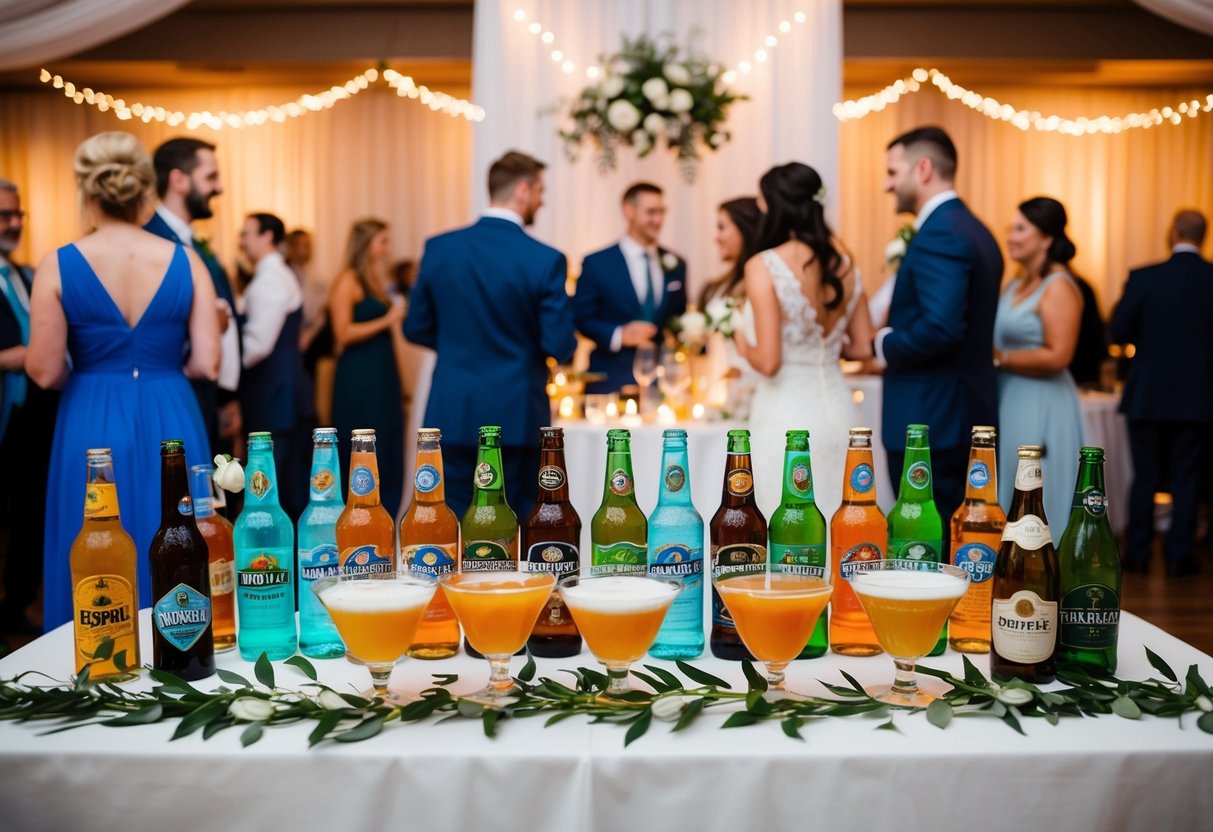
Choosing the right beverages can enhance your wedding experience. Drinks not only quench thirst but also add to the festive atmosphere, especially during key moments like toasts and speeches.
Toasting with Champagne and Alternatives
Champagne is a classic choice for toasts at weddings. It brings a sense of elegance and celebration. Many couples opt for a traditional champagne toast during speeches. This creates a special moment as guests raise their glasses to honor your union.
If you want something different, consider alternatives like prosecco or sparkling wine. These can be more budget-friendly while still offering that bubbly touch. Always be sure to have a few options available for your guests to suit various tastes.
Choosing Drinks for Key Wedding Events
Select drinks that fit your wedding events. During the wedding breakfast, wine could complement the meal beautifully. A good guideline is to serve half a bottle of wine per guest.
For a welcome drink, consider something refreshing like a signature cocktail or a fruity mocktail. This sets a warm tone as guests arrive.
Plan your drink menu around the time of year and venue. For summer weddings, lighter drinks work well, while in winter, warm options like mulled wine can create a cozy atmosphere. Planning these moments thoughtfully ensures your drinks enhance the overall wedding experience.