
Small Wedding Reception Venues: Intimate Ideas and Planning Tips
A small celebration gives you room to spend more time with each guest, and the right setting helps that closeness feel natural. Small wedding reception venues work best when their capacity, layout, and services fit your guest count and the kind of celebration you want.
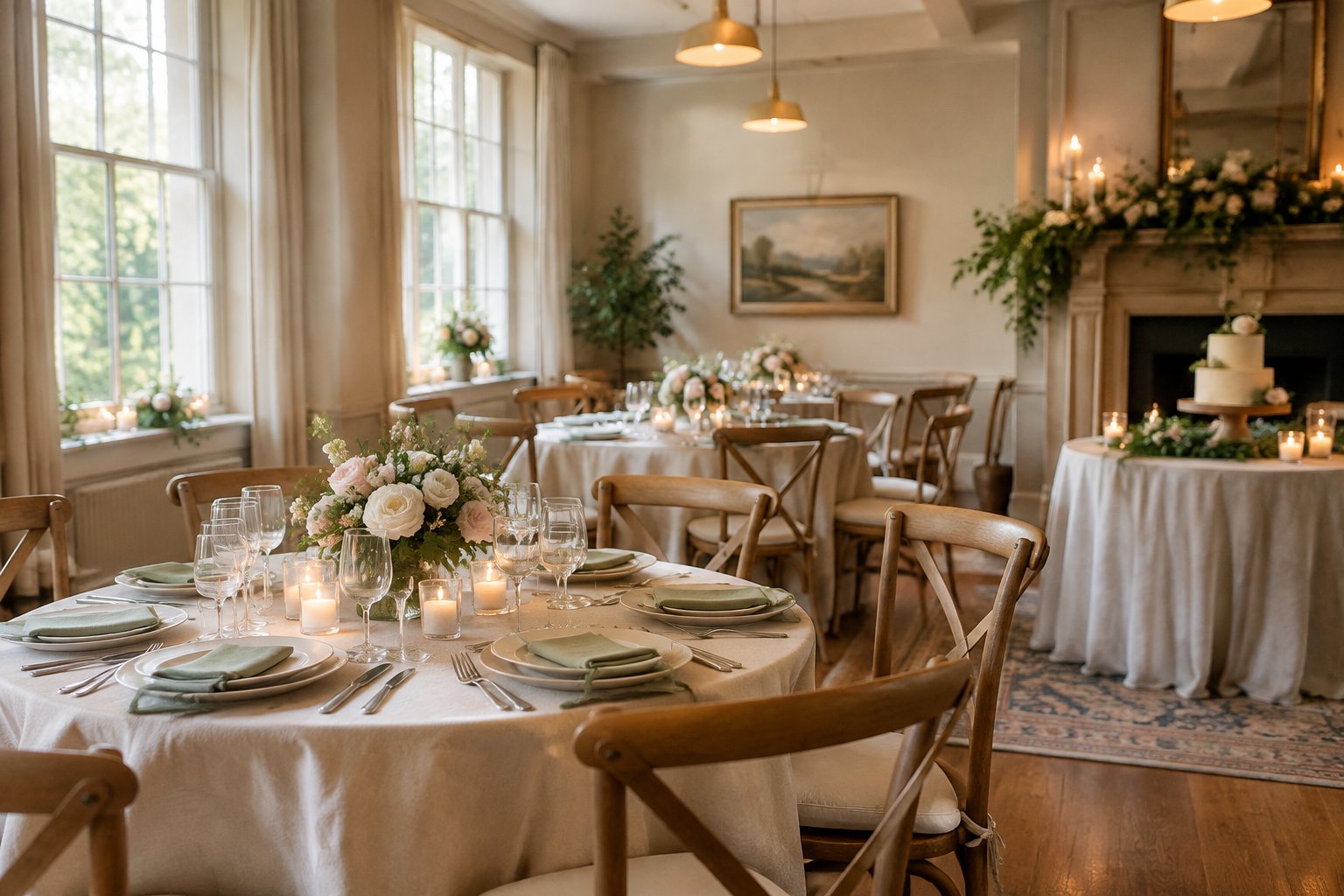
Start with a realistic guest-count range, then look for spaces that suit your meal, timeline, and budget. Make a shortlist and ask about the floor plan before you book a tour.
How to Choose a Venue That Fits Your Guest List
Choose a wedding venue that feels comfortable with your expected headcount and supports the way you want guests to gather. A room’s maximum capacity tells you how many people it can hold, while its layout shows how well those people can dine, mingle, and move through the celebration.
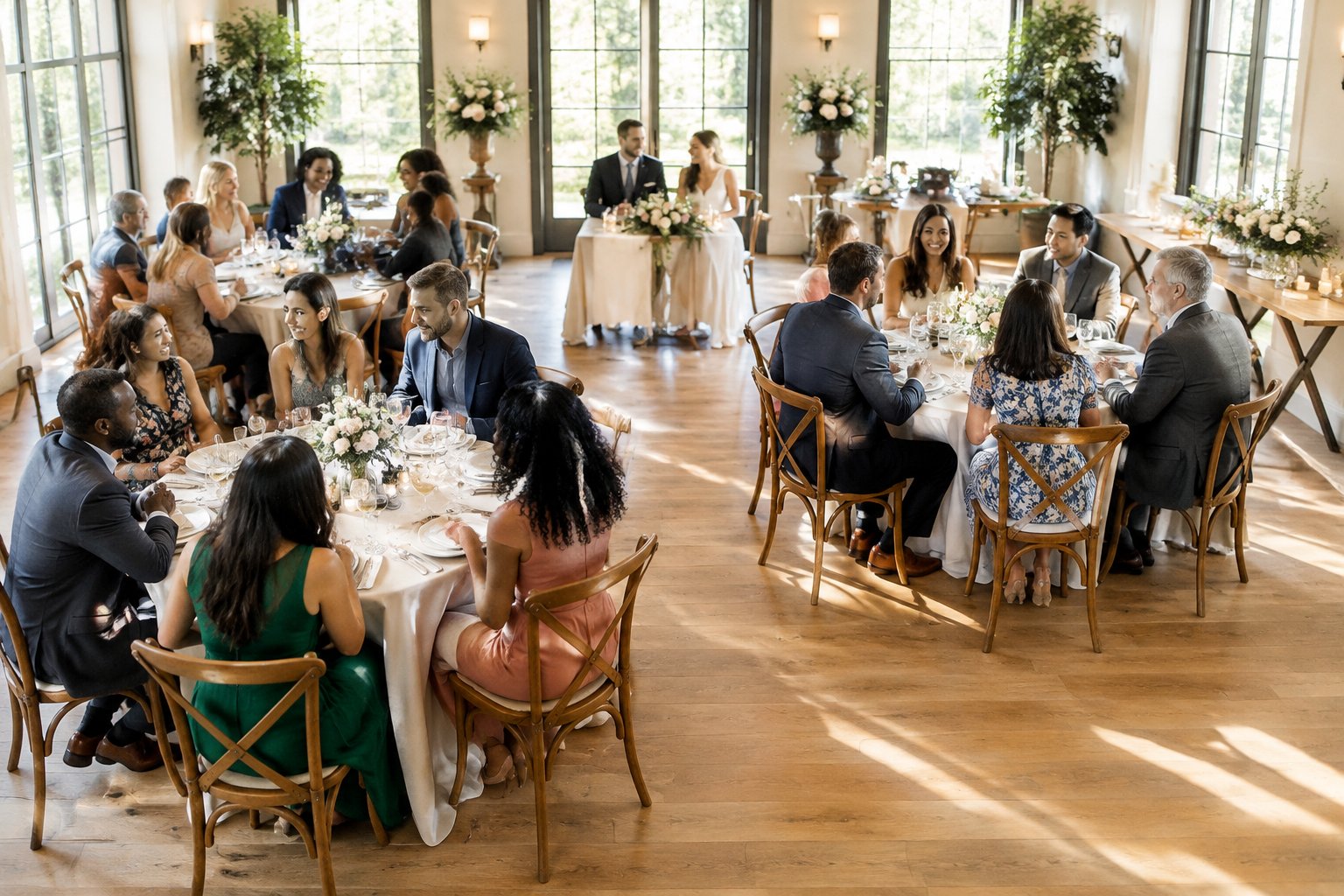
How Many Guests Count as a Small or Micro Wedding?
A small wedding often includes about 20 to 75 guests, while a micro wedding commonly has around 50 or fewer. There is no fixed cutoff, so use the terms as a guide and focus on the size that feels right for you.
A micro wedding can still include a ceremony, dinner, speeches, and dancing. Write down your likely headcount before you tour venues.
If you’re deciding who to invite, a clear set of guest-list rules can help you make consistent choices; whittling down your wedding guest list gives you a place to start. Ask each venue for its capacity for a seated meal and a cocktail-style reception.
Your guest count may fit on paper, yet tables, a dance area, a bar, and accessible routes all take up floor space.
Which Venue Features Matter Most for an Intimate Reception?
Look for a layout that keeps your guests connected while giving them enough room to eat and move comfortably. A private dining room or a defined event area can make a small gathering feel welcoming, while a large open hall may need a more thoughtful floor plan.
Ask whether you can see a layout based on your guest count. Check the distance between the ceremony area, dinner tables, restrooms, and any outdoor space.
If you want the ceremony and reception in one room, confirm how much time the venue needs to reset the space. Also check step-free access, parking, privacy, and the venue’s weather plan.
These details help you compare local small wedding venues by how they’ll work for your guests, not just by their photos.
What Venue Styles Work Best for an Intimate Reception?
Restaurants, private homes, lofts, gardens, and rooftops can all suit a small reception when the setting matches your guest experience and event plan. Think about how the venue handles food, weather, privacy, and the transitions between each part of your day.
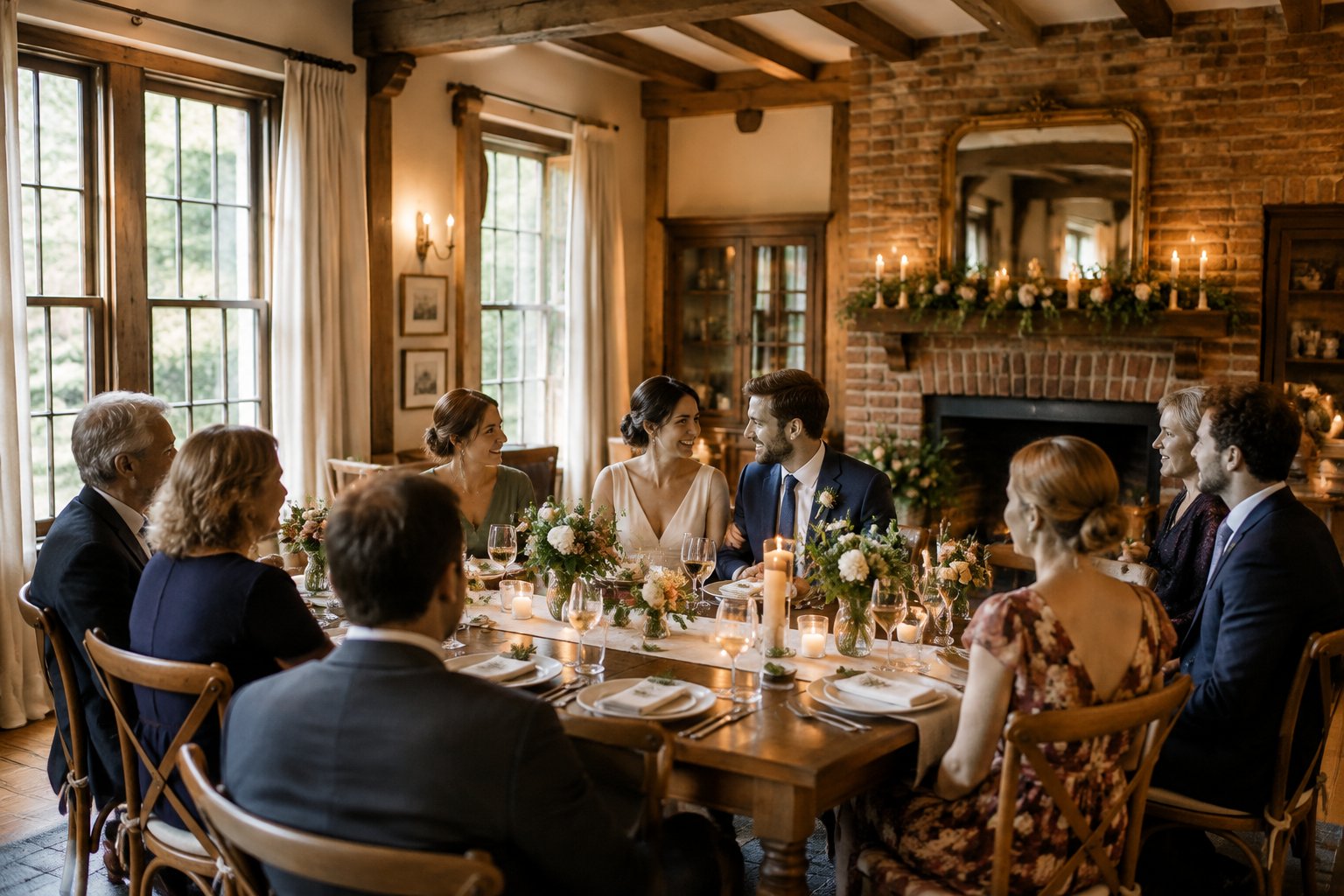
Are Restaurants, Lofts, and Private Homes Good Options?
Restaurants make hosting simpler when you want a meal to be the heart of the reception. Ask about the private dining area, menu choices, minimum spend, and whether you can bring your own cake or decorations.
A restaurant’s existing furniture and atmosphere may also help you keep rentals and setup manageable. Lofts offer an open layout that you can shape around dinner, dancing, or a cocktail hour.
Check what tables and chairs come with the rental, how sound carries through the room, and whether the venue has a kitchen or requires outside catering. A private home can feel personal and relaxed, especially when it has enough room for guests, food service, and restrooms.
Before choosing a home, plan for parking, cleanup, rentals, and a backup space in case of bad weather. You can compare different wedding venue ideas to find a setting that fits your style and practical needs.
When Should You Consider Rooftop Terraces or Courtyards?
Rooftop terraces and courtyards suit receptions where you want fresh air, a scenic backdrop, or an outdoor cocktail hour. Ask about guest access, available seating, wind exposure, sound limits, and the time the space closes.
Confirm a rain and heat plan before you book. Find out whether guests can move indoors quickly and whether the indoor option can fit everyone for dinner.
If you’re comparing indoor and outdoor wedding reception venues, check that the transition between spaces works with your schedule.
Could a Destination Wedding Suit Your Guest List?
A destination wedding can work well when you want a small group to share a full weekend or a setting that feels special to you. Before you choose a faraway location, consider travel costs, lodging, transportation, and how much time your guests can take off.
Use your guest list to guide the decision. A destination may be a good fit if your invited guests are comfortable traveling and you can share clear plans well in advance.
As you browse examples such as 16 Bay View, Green Haven, and The Emerald Forest, confirm each venue’s location, capacity, and event services directly before making plans.
How to Find and Book a Venue Near You
You can find suitable wedding venues near me by searching with your location, guest count, and preferred setting, then checking each venue’s terms in person. Listings help you build a shortlist, while a tour and clear contract answers help you confirm the details.

How Can You Search for Wedding Venues Near Me?
Search by city or neighborhood and include phrases that describe the space you need, such as “private dining room,” “small reception,” or “courtyard wedding.” Venue directories and rental platforms such as Peerspace can help you browse different kinds of event spaces.
Check the listing for its guest capacity, included furniture, rental hours, and rules for food and music. Read recent reviews, then contact the venue with your date and estimated guest count.
Ask for a floor plan or sample quote before scheduling a tour. When you visit, walk through the event from guest arrival to the final song so you can spot any layout or access issues.
What Should You Ask Before Signing a Venue Contract?
Ask for a written list of what your rental includes and what costs extra. Confirm the payment schedule, cancellation terms, event hours, overtime fees, vendor access, and cleanup rules.
Get clear answers about catering, alcohol, decorations, music, and insurance requirements. If the venue requires a coordinator or approved vendors, ask who is responsible for each task on the wedding day.
Put any promise that affects your plans into the contract before you sign.
How Much Should You Budget for the Venue and Reception?
Set your venue budget by comparing the full cost of hosting your wedding reception, including rental, food, drinks, equipment, and service fees. A low rental price can grow once you add required catering or rentals, so compare complete proposals with the same guest count and event plan.

Which Costs Are Included in a Venue Rental?
A venue rental may include tables, chairs, linens, staff, setup, or cleanup. Other spaces charge separately for those services or require you to use in-house catering.
Ask for an itemized estimate that lists the rental fee, food and beverage minimums, service charges, taxes, rentals, and any extra time. Compare each proposal against your priorities.
If a venue includes furniture and staff, that package could save you from arranging separate rentals and labor. Use a guide to how much of your wedding budget to spend on a venue as a starting point, then adjust your plan to fit your location and guest count.
How Can You Save Without Losing the Guest Experience?
Choose a weekday or an off-peak date if your guests can attend, and ask whether the venue offers a shorter rental window or a smaller event package. A restaurant with built-in tables and service can reduce the number of separate vendors you need to coordinate.
Keep your menu focused on food you enjoy, and ask about buffet or family-style service. Use the venue’s existing features for decor, then spend on a few details guests will notice, such as comfortable seating or warm lighting.
Comparing affordable wedding reception venues can also help you balance rental costs with the services included.
How to Make a Small Reception Feel Personal
A personal reception comes from choices that help guests connect with you and one another. Use the space to bring people together, then add a few meaningful details and entertainment that suit the mood you want.
Which Layouts and Details Encourage Connection?
A long table or a small group of tables can make conversation easier, especially when guests share a meal. Leave enough room for servers and guests to move around, and place the dance area where it won’t block access to the bar or restrooms.
Add details that reflect your relationship, such as a favorite family recipe, a shared travel memory, or handwritten notes at each place setting. A memory table or a display of photos gives guests something personal to explore.
Browse wedding reception setup ideas for ways to arrange your tables and gathering areas.
What Entertainment Fits an Intimate Celebration?
Choose entertainment that fits the space and gives your guests ways to take part. A live musician can set a relaxed tone during dinner, while a short toast, a group photo, or a simple game can bring everyone together without taking over the evening.
Check the venue’s sound rules and ask where performers can set up. If dancing is part of your plan, confirm the room has enough space for guests and equipment.
Should You Hire a Wedding DJ or Use a Playlist?
A wedding DJ can manage song requests, announcements, and changes in energy throughout the night. A playlist gives you control over the music and works well when you have a clear schedule and someone who can manage the sound system.
Ask the venue about speakers, microphones, and volume limits before deciding. If you use a playlist, prepare it in advance and choose a trusted person to handle playback so you can stay present with your guests.