
What Age Do Muslims Get Married? Exploring Cultural Norms and Trends
When thinking about marriage in Islam, many people wonder about the ideal age to tie the knot. In Islam, there is no specific age mandated for marriage. Instead, individuals are encouraged to marry when they are ready and able to fulfill the responsibilities that come with it.
Traditionally, many Muslims marry soon after reaching puberty, as this marks a significant milestone in their lives. Cultural practices and local laws also influence marriage age.
For example, in some countries, the recommended legal age may be 18 for girls, while others may allow earlier marriages under certain conditions.
Understanding these factors can help you navigate the topic of marriage in the Muslim faith. Whether you’re curious about cultural practices or looking for guidance, knowing when Muslims typically get married can provide useful insights into the importance of this commitment.
Understanding Marriage in Islam
Marriage in Islam, known as nikah, is a significant commitment that involves both spiritual and social responsibilities. It is guided by Islamic law, which emphasizes the importance of family, consent, and chastity.
Islamic Law and Marriage
Islamic law plays a major role in marriage. The nikah is not just a contract but also a sacred act. It requires a clear agreement between both parties.
This agreement often includes the mahr, a gift from the groom to the bride, which signifies respect and commitment.
The Quran and Hadith provide guidelines on the rights and responsibilities of spouses. For example, both partners are expected to treat each other with kindness and respect. Marriage is viewed as a partnership, aiming for mutual support and companionship.
The Role of Family
Family involvement is crucial in Islamic marriages. Parents or guardians typically help find suitable partners for their children. This support strengthens family bonds and ensures that both sides understand the commitment involved.
When a proposal is made, families discuss the prospective couple’s compatibility, values, and faith. Their blessings and guidance are considered essential, reflecting the cultural importance of family in ensuring a successful marriage.
The Importance of Chastity and Consent
Chastity is highly valued in Islam. Both partners should maintain their dignity and respect before marriage, avoiding relationships that could lead to zina (illicit relationships).
This focus on chastity helps build stronger foundations for marriage.
Consent is another key aspect. Both individuals must willingly agree to the marriage without any pressure.
The willingness to marry is confirmed verbally and in front of witnesses, ensuring all parties respect the decision. Both partners should feel comfortable and enthusiastic about starting this new chapter together.
Customs and Practices
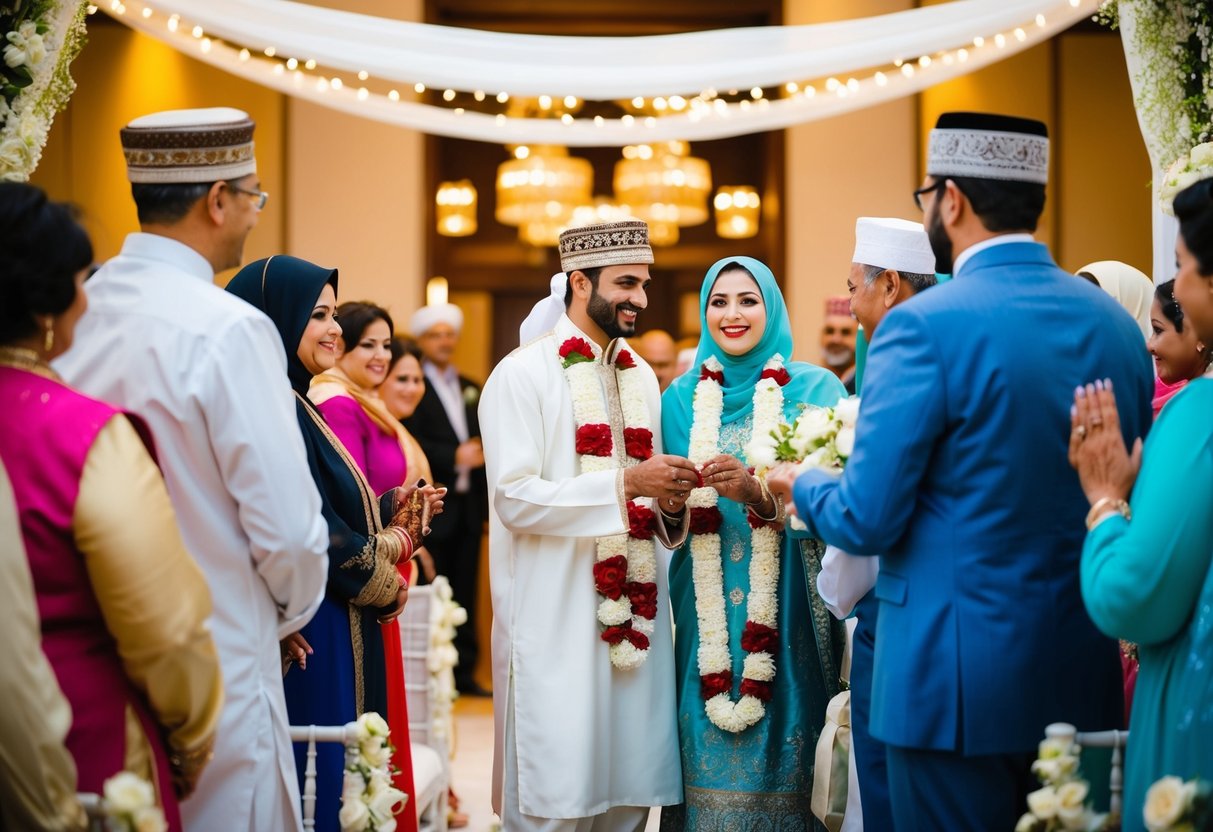
In Islamic culture, marriages come with unique customs and practices. You will find that these traditions emphasize the significance of the marriage bond, the financial responsibilities involved, and the procedures for divorce.
Marriage Celebration and Mahr
The marriage celebration, known as Walima, is a joyful gathering with family and friends. This event often follows the formal nikah ceremony. During this celebration, good food and fun are shared to honor the couple’s new journey.
Mahr is a critical aspect of Islamic marriage. It refers to the mandatory gift given from the groom to the bride.
This gift can be money, jewelry, or property and symbolizes respect for the bride. The amount of mahr is often discussed and agreed upon before the wedding.
It’s important that this gift is provided as it forms part of a valid marriage.
Validity and Conditions of a Nikah
For a nikah to be valid, certain conditions must be met. Firstly, both parties must consent freely to the marriage. There should not be any coercion involved.
Both the bride and groom must also have reached puberty, which is linked to maturity in Islamic law.
Additionally, a nikah requires at least two witnesses. This helps ensure that the marriage is recognized socially and religiously.
If any conditions are not met, the marriage may not be considered valid. A valid marriage is important for ensuring rights and obligations are properly observed.
Divorce in Islamic Tradition
Divorce, known as Talaq, is allowed in Islam but comes with specific guidelines.
It’s essential that the decision to divorce is made thoughtfully.
The husband must pronounce talaq three times to initiate separation, spaced over three months.
During this period, known as iddat, the wife cannot remarry. This time allows for emotional healing and ensures any potential pregnancy is addressed. The husband is also obligated to provide maintenance during this period.
Islam encourages reconciliation before finalizing a divorce. Support from family or mediators is often sought to resolve conflicts. Following these practices helps maintain dignity and respect throughout the process.
Age and Maturity Considerations
When thinking about marriage, many factors come into play, especially age and maturity. Understanding these can help you make informed decisions. Here’s a closer look at what to consider regarding marriage age and maturity.
Determining the Right Age for Marriage
In many cultures, the age for marriage often coincides with the onset of puberty. While there is no strict age limit in Islam, maturity varies by individual.
Some scholars suggest that reaching puberty indicates readiness for marriage. This can be as young as 9 for girls, but that does not mean it is advisable. In many places, legal ages for marriage, like 18 years, provide a guideline to follow.
Serious considerations, such as personal development, education, and financial stability, are crucial.
You need to assess whether you are emotionally ready to enter a lifelong commitment.
Maturity and Responsibility
Maturity plays a significant role in deciding to marry. It’s not just about age but also about mental and emotional readiness.
Maturity involves being able to handle responsibilities, communicate effectively, and manage conflicts.
Many young people, even when they reach puberty, may lack the life skills needed for marriage. It requires patience and understanding, especially in building a future together.
You should also consider your personal goals and responsibilities, such as education. Pursuing higher education might mean waiting a few years before marrying.
Early Marriage and Its Implications
Early marriage can have both benefits and drawbacks. In some communities, it promotes family values and reduces the risk of Zina (fornication).
However, marrying young can sometimes lead to challenges like high divorce rates. Many young couples may feel unprepared for the responsibilities of married life.
Marrying too early can also affect your education and long-term opportunities. Weighing your options and discussing with family and trusted mentors could help guide your decision.
Taking the time to think things through will benefit your future and create a stronger foundation for your marriage.