
What Are Groom’s Parents Responsible For? Essential Wedding Duties Explained
When it comes to wedding planning, the groom’s parents often have important roles to play. They traditionally take on specific responsibilities that can help ease the couple’s financial burden while also contributing to the overall celebration. The groom’s family is generally responsible for paying for the engagement and wedding rings, the groom’s and groomsmen’s attire, and hosting the rehearsal dinner.
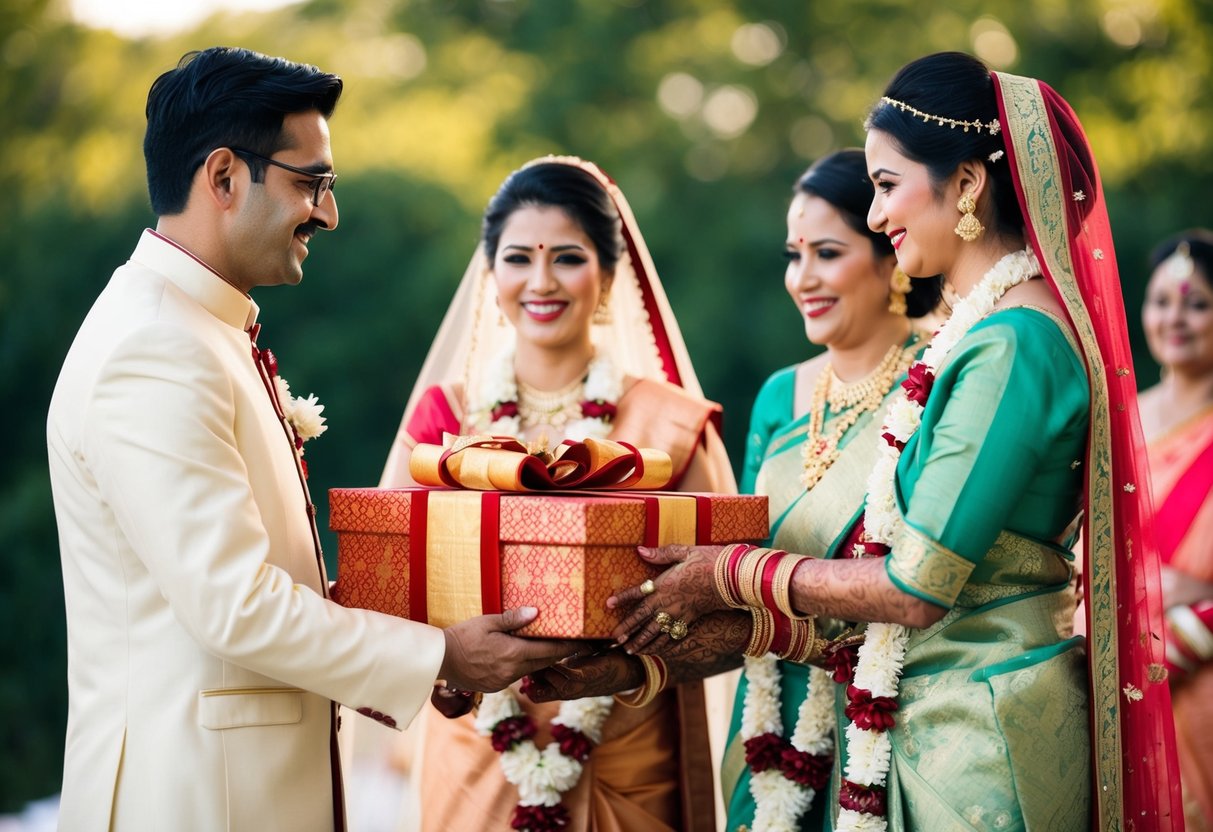
Understanding these duties can help you set expectations and strengthen the relationship between families. It’s essential to communicate openly, so everyone knows what is needed and can plan accordingly. This teamwork can make the wedding day even more special for everyone involved.
If you’re wondering what other specific responsibilities the groom’s parents might have, keep reading to learn more about their important role in this joyous occasion.
Understanding Groom’s Parents’ Roles
The roles of the groom’s parents in a wedding can vary widely. Knowing these responsibilities helps you navigate the planning process and fulfill expectations set by tradition and family norms.
Tradition and Etiquette
Tradition plays a key role in defining the groom’s parents’ responsibilities. Historically, they are expected to support the wedding in various ways. For instance, the groom’s parents typically help organize the rehearsal dinner, a time for family and friends to gather before the big day.
In many cultures, the parents of the groom also have specific seating placements during the ceremony, often sitting in the front pew on the right side. Adhering to these traditions shows respect for the customs and enhances the wedding experience.
Financial Responsibilities
Understanding financial duties is vital. Traditionally, the groom’s parents may cover costs such as the rehearsal dinner. This event includes the wedding party, officiant, and close family.
In some situations, they may also contribute to expenses like the rings. Parents often support the newlyweds by providing financial help for various other elements. Knowing who pays for what can ease the burden on the couple.
Planning Support
Beyond finances, your role includes active participation in the planning process. This can involve helping with vendor selection, offering contacts for caterers, or simply being a sounding board for ideas.
You can also assist in creating the guest list, ensuring important family members are included. Supporting your child emotionally during the planning can make a significant difference in their experience. Each task you take on helps lead to a smoother wedding day.
Pre-Wedding Contributions
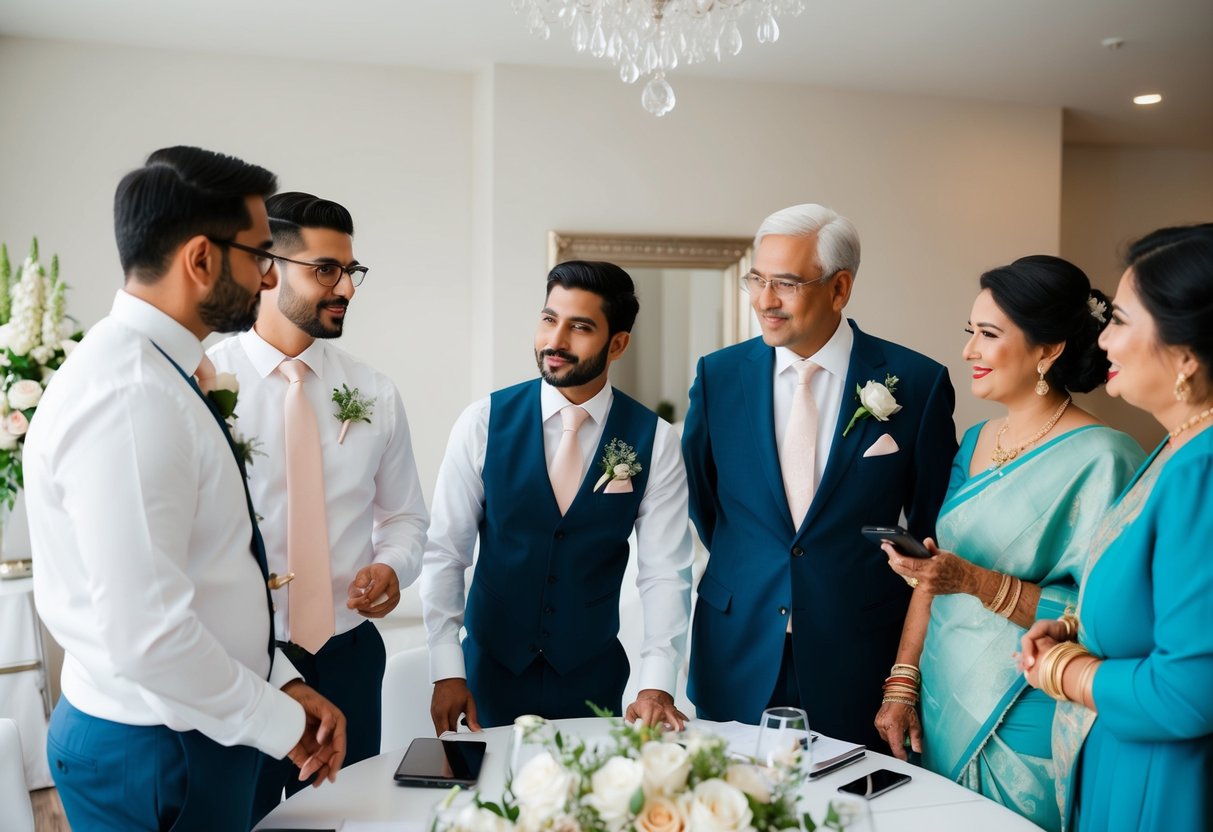
The groom’s parents play a significant role in the lead-up to the wedding. This section outlines their contributions, from hosting events to managing invitations. Understanding these responsibilities can help smooth the planning process.
Hosting the Engagement Party
You might choose to host the engagement party to celebrate the couple’s commitment. This event is a great way for families and friends to come together.
At this party, you can showcase your support and help set the tone for the wedding. You should plan the venue, food, and decorations. Consider the couple’s preferences to make it memorable.
Inviting close friends and family is also essential. Create a guest list that includes both families and any important guests. The engagement party can be a joyful way to kick-start the wedding planning journey.
Wedding Planning Involvement
As the groom’s parents, your involvement in wedding planning can be very valuable. Offer your assistance and guidance throughout the process.
You can help by discussing what the couple wants and needs. This is particularly important for figuring out their vision for the day.
Attend meetings with the couple and other families, if invited. Share your thoughts on choices like the venue, theme, and more. Open communication can make planning easier and more fun for everyone involved.
Financial Conversations and Budget Contributions
Talking about money can be uncomfortable, but it’s a necessary part of wedding planning. As the groom’s parents, you may help with certain costs. These could include the engagement ring, rehearsal dinner, or other pre-wedding events.
Discuss openly with the couple about your financial contributions. This might also involve setting a budget for various aspects of the wedding. Clear conversations about money will help prevent misunderstandings later.
Make sure to listen to the couple’s desires and incorporate their ideas. Understanding everyone’s expectations can create a smoother planning experience.
Managing the Guest List and Invitations
You can play a significant role in managing the guest list and invitations. Collaborate with the couple to brainstorm names to ensure no one is left out.
Your input may be needed to include extended family or family friends. This is a great way to honor relationships while keeping things organized.
Once the guest list is finalized, help with sending out invitations. You can assist in selecting the style and wording that best suit the couple’s vision. Attention to detail will ensure the invitations reflect the couple’s personality.
Utilizing these contributions effectively can create a meaningful wedding experience for everyone involved.
Wedding Ceremony and Reception Involvement
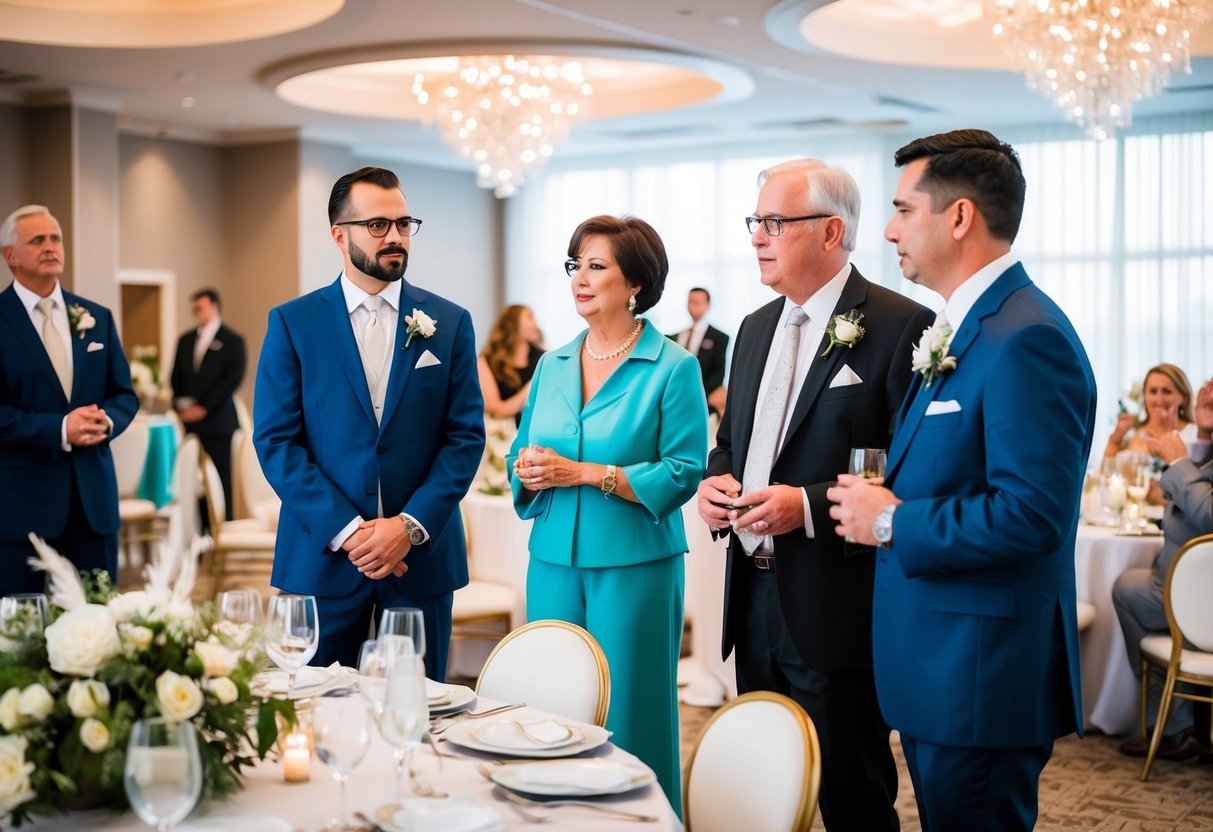
As the parent of the groom, your role during the wedding ceremony and reception is vital. You are involved in various aspects that make the day special, from covering costs to participating in meaningful traditions. Here’s what you need to know.
Ceremony Expenses and Etiquette
You may be responsible for specific expenses related to the wedding ceremony. Common costs include the wedding rings, officiant’s fee, and bouquets. Additionally, the groom’s parents often pay for corsages and boutonnieres for immediate family members.
It’s essential to discuss any financial contributions with the couple early on. Having clear communication helps set expectations and avoids confusion. Etiquette suggests that you support all wedding traditions respectfully, whether attending pre-wedding events or contributing to ceremony details.
Reception Planning and Costs
When it comes to the wedding reception, your involvement can be significant. You might help fund venue costs, reception entertainment, and catering. The groom’s parents often take part in organizing the rehearsal dinner, which sets the tone for the celebration.
Don’t forget about the fun details, like the wedding cake and floral arrangements. Deciding on the type of alcohol served at the reception is also important. It’s a good idea to discuss preferences with the couple to ensure everyone has a great time.
Special Roles During the Wedding
During the wedding day, you play special roles in several key moments. You may walk down the aisle or participate in parent dances, sharing a heartfelt connection with your child. This is a great chance to show your support and love.
You might also give a toast at the reception. This is a moment to share your feelings and joy with everyone present. Your role adds depth and warmth to the ceremony, creating cherished memories for the couple and guests alike.
Post-Wedding Responsibilities

After the wedding, the groom’s parents have important roles to fill. These involve ensuring financial matters are wrapped up and supporting the newlyweds as they start their journey together.
Financial Closure and Thank-Yous
It’s essential for you to help with any financial obligations that remain after the wedding. This can include settling payments for services like photography and the wedding video.
Once everything is finalized, you should encourage the newlyweds to send thank-you notes. This includes acknowledging any gifts received during the wedding, such as money or household items. A heartfelt thank-you can strengthen family bonds and show appreciation for those who supported the couple.
Additionally, if you contributed financially to the honeymoon or any wedding aspects, a follow-up communication can express gratitude and reinforce relationships.
Role in the Newlyweds’ Lives
Your support shouldn’t stop after the wedding. It’s important to stay engaged in the newlyweds’ lives.
Offering your advice as they navigate married life can be very valuable. Encourage family traditions and create new memories together.
Whether it’s planning family gatherings or simply being available for discussions, your role can help build a strong foundation for their marriage.
Offer assistance when they adjust to their new life, whether it’s help with household tasks or simply being there to listen. Remember, your involvement can play a significant part in their happiness and stability as a couple.