
What Are the 5 Phases of Event Planning? A Simple Guide to Successful Events
Planning an event can seem overwhelming, but understanding the key steps can make the process smoother and more enjoyable. There are five main phases of event planning that you should follow to achieve a successful event. These phases will guide you from the initial idea to the final evaluation, ensuring every detail is covered along the way.
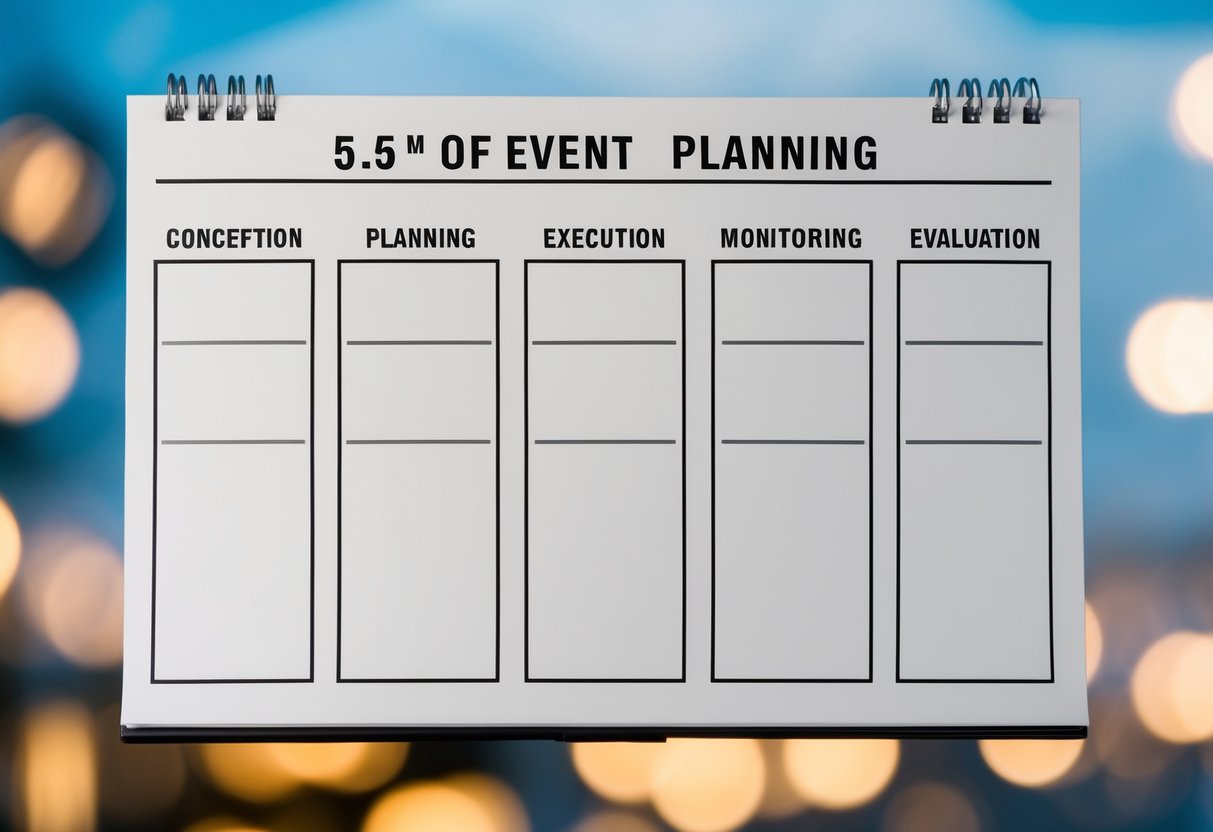
As you embark on this journey, you’ll learn how to set clear event goals and objectives that align with your vision. Each phase builds on the last, providing a structured approach to manage everything from logistics to attendee engagement. Whether you’re planning a large conference or a small gathering, knowing these phases is essential for delivering a memorable experience.
Get ready to explore the essential phases of event management. By following these steps, you can enhance your planning skills and create events that not only meet expectations but also leave a lasting impression on your guests.
Conceptualization and Goals
In this phase, you will focus on defining the purpose of your event and the overall goals you wish to achieve. By understanding your target audience and crafting a thoughtful brand image, you will create a strong foundation for your event.
Ideation and Event Objectives
Start by brainstorming unique ideas that align with your event’s purpose. Think about what you want to accomplish. Is it to educate, entertain, or celebrate?
Create specific, measurable objectives to guide your planning. For example, you might aim to increase brand awareness by 30% or gather feedback from at least 100 attendees. This clarity will help you stay focused and make better decisions as you move forward.
Understanding the Target Audience
Knowing your audience is crucial. Ask yourself who you want to attract to your event. Consider their age, interests, and preferences. This information will guide your planning choices.
Use surveys or social media polls to collect insights about your audience. Understanding their needs and wants helps in tailoring the event content and activities to keep them engaged.
Branding and Event Design
Your event’s brand sets the tone and creates lasting impressions. Think about colors, themes, and logos that represent your vision. This branding should resonate with your target audience.
Incorporate design elements that enhance the experience. This includes stage setup, decorations, and promotional materials. Consistency in branding across all platforms will make your event more memorable and impactful.
Planning and Coordination
In the planning and coordination phase, you will focus on the essential elements that make your event successful. This includes managing your budget, organizing logistics, selecting the right venue, and utilizing event technology while ensuring effective communication and marketing strategies.
Budgeting and Financial Planning
Creating a budget is a crucial first step in event planning. You need to outline all potential costs to keep your event financially viable.
- Identify key expenses: Consider venue rental, catering, decorations, and technology needs.
- Set aside funds for unexpected costs: Having a contingency fund of around 10-15% helps manage surprises.
- Track expenses closely: Use budget tracking tools or spreadsheets to monitor your spending against your budget.
This careful financial planning helps ensure your event remains on track without financial strain.
Logistics and Venue Selection
Logistics are the backbone of any event. Start by determining your event type—whether it’s a conference, wedding, or concert—and select a venue that fits your needs.
- Venue considerations: Look for accessibility, capacity, and necessary amenities like sound and lighting.
- Transportation: Provide clear directions and parking information for your attendees.
- Onsite coordination: Work with a venue manager to understand layout and setup options.
Proper logistics guarantee a smooth event, ensuring everything runs as planned.
Event Technology and Registration Systems
In today’s digital age, leveraging event technology is vital. Your registration system should be user-friendly and efficient.
- Online registration: Use systems that allow easy sign-ups and payment processing.
- Data management: Ensure the platform collects essential attendee information for future marketing.
- Access to event technology: Consider tools for ticketing, live polling, or virtual participation if applicable.
Effective technology streamlines registration and improves the attendee experience.
Marketing, Promotion, and Communication
To attract attendees, you need a strong marketing strategy. Start by defining your target audience for focused messaging.
- Promotional materials: Create eye-catching flyers, social media posts, and email marketing campaigns to spread the word.
- Leverage social media: Use platforms like Facebook, Instagram, and LinkedIn to engage with potential attendees.
- Regular updates: Keep your audience informed with emails or newsletters to share event details and excitement.
With the right approach, your marketing efforts can significantly boost attendance and create buzz around your event.
Execution and On-site Management
During the execution phase, you bring your event to life. Successful execution relies on careful coordination, dynamic ticketing, and a focus on attendee engagement. Managing these elements effectively ensures a smooth event experience for everyone involved.
Coordination and Dynamic Ticketing
Effective coordination is vital on the event day. This means making sure all team members know their roles and responsibilities. Clear communication helps avoid confusion.
Dynamic ticketing plays a key role in managing attendance. By adjusting ticket prices based on demand, you can maximize revenue and attendance. This approach allows you to respond to last-minute changes and fill seats quickly.
Using a ticketing platform that provides real-time data lets you monitor sales and attendance. This ensures you remain agile, adapting to any last-minute needs or changes.
Attendee Engagement and Experience
Creating a memorable attendee experience is your main goal. Engaging attendees involves more than just focusing on the schedule. You can incorporate interactive elements like Q&A sessions, live polls, or networking opportunities.
Consider branding your event with unique visuals and themed materials. These create a cohesive atmosphere that resonates with your audience. Personal touches, like welcome kits or giveaways, can further enhance the experience.
Pay attention to feedback during the event, too. Use tools such as social media or event apps to gather real-time insights. This allows you to make adjustments on the fly, ensuring everyone has a great time.
On-site Logistics and Contingency Plans
On-site logistics are crucial to smooth operations. You need to manage everything from venue layout and setting up technology to ensuring proper staffing. A well-thought-out plan helps avoid hiccups during the event.
Have contingency plans in place for unexpected issues. This could include technical difficulties, unexpected weather, or a sudden change in attendance. Knowing how to respond quickly can keep your event running smoothly.
Create a checklist to streamline logistics. Include items such as equipment setup, seating arrangements, and ensuring that speakers have what they need. This keeps everyone focused and ready.
Hybrid Events and Live Streaming
Hybrid events are becoming popular, blending in-person and virtual experiences. Offering live streaming allows remote attendees to participate, expanding your reach.
Make sure your tech setup enables smooth transitions between live and virtual components. This includes quality audio and video equipment that enhances the viewer experience.
Engage virtual attendees by incorporating elements like live chats or virtual networking. This creates a sense of inclusivity among all participants. Ensure that both in-person and remote attendees have opportunities to interact.
Post-event Evaluation
After an event wraps up, it’s important to reflect on what went well and what could improve. This is the time for evaluation, focusing on gathering feedback and measuring success.
Gathering Feedback and Event Metrics
To start, collect feedback from your attendees. You can do this through surveys, emails, or even face-to-face conversations. Questions should cover the event’s content, organization, and logistics.
Consider using a mix of open-ended and multiple-choice questions. This approach allows for detailed insights while making it easy to analyze the data.
Keep in mind the importance of event metrics. Key performance indicators (KPIs) can include attendance numbers, engagement levels, and budget adherence. Tracking these helps you understand your event’s reach and effectiveness.
Event Impact and Success Measurement
Next, assess the impact of your event. Did it meet its goals? Did you achieve the desired outcomes, like increased brand awareness or networking opportunities?
You can measure success through several methods. First, analyze attendance versus registration numbers. Then, check participant engagement during sessions.
Consider the feedback you’ve gathered. Look for trends or common themes that indicate strengths and weaknesses.
By examining both qualitative feedback and quantitative metrics, you can provide a comprehensive view of your event’s success.
This post-event evaluation sets the stage for making future events even better. Ensuring that you capture these insights will enhance your event management process for next time.