
What Are the 8 Types of Weddings? A Guide to Celebrating Your Love in Style
When planning your big day, you must consider the different types of weddings available. Each type offers unique experiences and can reflect your personal style as a couple. There are eight main types of weddings you might choose from, including traditional, destination, elopement, and more.
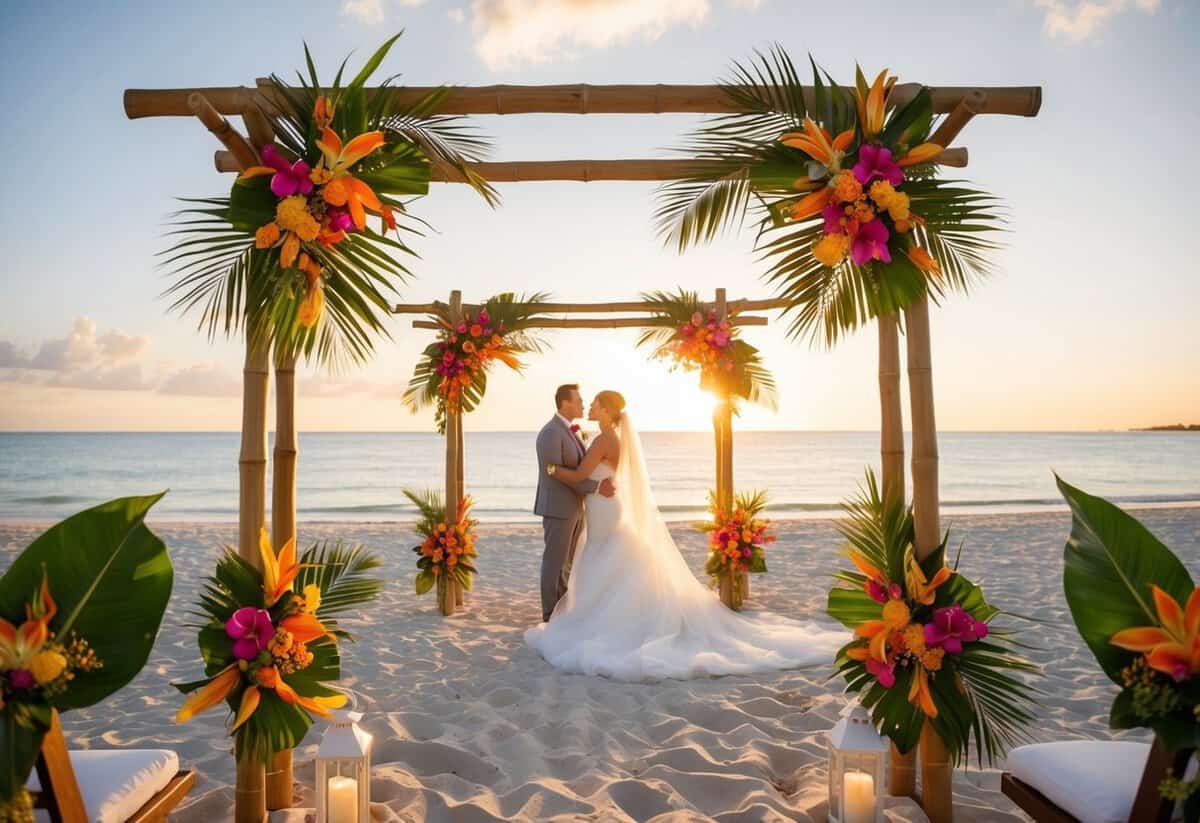
Understanding these options can help you decide what feels right for you and your partner. Whether you want a grand ceremony surrounded by family and friends or a more intimate setting, knowing the variety of wedding types can simplify your planning journey.
Exploring the different styles can also inspire you to add personal touches that make your celebration uniquely yours. From military weddings to themed ceremonies, there’s an option that can meet your vision perfectly.
Traditional Weddings
Traditional weddings often follow specific customs and rituals, depending on the couple’s cultural or religious background. Here, you will learn about key aspects of Catholic, Jewish, and Islamic wedding ceremonies, highlighting their unique elements and practices.
Catholic Wedding Ceremony
In a Catholic wedding, the ceremony usually takes place during a nuptial mass. This means it combines the wedding vows with a full mass, where the couple receives blessings. The bride and groom may choose to write their vows, but they often exchange traditional phrases.
Key elements include the use of wedding rings, which symbolize eternal love. You might also see a unity candle or lighting of the Advent wreath, representing their new life together. Family plays an important role, often participating as witnesses.
Songs and readings from the Bible are significant, adding a spiritual touch. Expect moments of prayer, including the Lord’s Prayer, creating a blessed atmosphere for all involved.
Jewish Weddings
Jewish weddings feature several distinct customs, reflecting deep cultural significance. The ceremony often takes place under a huppah, a canopy symbolizing the home the couple will build together. This setting signifies protection and love.
During the ceremony, the couple exchanges wedding rings, often without any words, showcasing their commitment. A ketubah, or marriage contract, is also signed, outlining mutual responsibilities. You may witness the breaking of a glass, symbolizing the fragility of relationships and life’s challenges.
The ceremony blends joy and solemnity, emphasizing community support. Traditionally, Hebrew blessings and marriage vows are recited, connecting the couple to their heritage.
Islamic Weddings
Islamic weddings, known as Nikah, encompass various rituals that emphasize loyalty and partnership. The ceremony typically involves the signing of a marriage contract, where both parties agree on terms and obligations. This document is essential in ensuring mutual respect.
A prominent aspect is the recitation of verses from the Quran, which highlight the sacred nature of marriage. The couple may receive blessings from their families and friends, often enjoying a festive atmosphere.
During the celebration, you may notice that the bride and groom often wear traditional attire, reflecting their culture. Gifts and money may be exchanged to symbolize wealth and prosperity, fostering joy as they embark on their marital journey.
Contemporary Celebrations
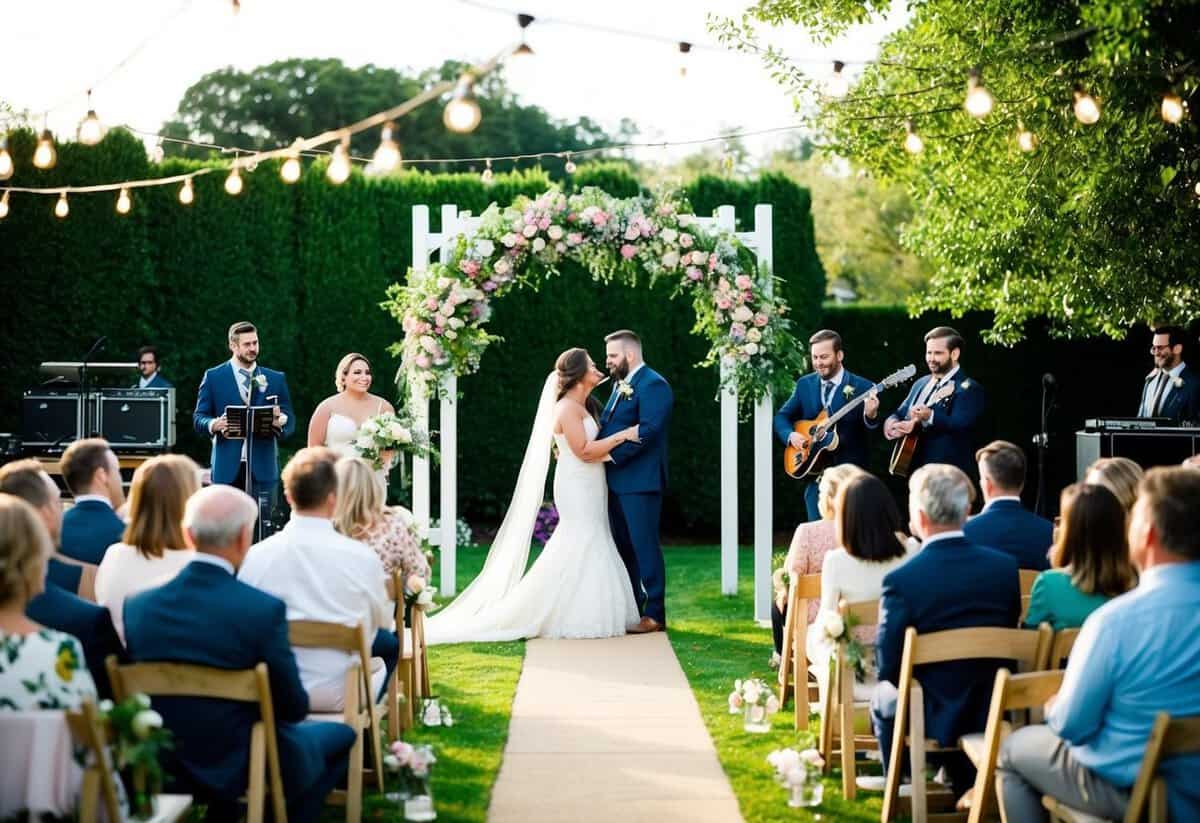
Contemporary celebrations have introduced innovative ways to tie the knot, allowing couples to personalize their special day. You can choose from micro weddings, themed weddings, eco-friendly options, or even weekend-long festivities that reflect your unique preferences and values.
Micro Weddings
Micro weddings are small, intimate ceremonies that usually include 20 to 50 guests. They focus on creating a personal experience with your closest family and friends.
You can spend more on details like floral arrangements, food, and photography since you have a smaller guest list. This type of celebration allows you to maximize intimacy and ensure that every guest feels valued.
Taking place in unique settings, such as gardens or backyards, adds a personal touch. Because of their size, micro weddings can often be more budget-friendly too!
Themed Weddings
Themed weddings bring your imagination to life. You can choose a theme that reflects your interests, hobbies, or favorite movies. Popular themes include vintage, rustic, fairy tale, or even a specific color scheme.
Decor, attire, and even music can all tie into your chosen theme. This personalization can make your day feel distinct and meaningful.
Consider custom invitations and unique centerpieces to enhance the theme. Incorporating interactive elements for guests, like themed photo booths, can further immerse everyone in the experience.
Eco-Friendly Wedding
An eco-friendly wedding focuses on sustainability and minimizing waste. You can choose local flowers, organic food options, and digital invitations which can reduce your carbon footprint.
Consider venues that prioritize environmental friendliness or provide recycling and composting options.
Incorporating reusable décor and sustainable wedding favors can also align with your green values. By making mindful choices, your celebration can reflect not only your love but also your care for the planet.
Wedding Weekends
Wedding weekends allow you to extend the celebration over multiple days. This format creates a more relaxed atmosphere and gives you quality time with family and friends.
You can plan different activities: a welcome dinner, adventurous outings, or casual brunches following the wedding.
Hosting events can also help you bond with guests who may have traveled long distances. With wedding weekends, you turn one day of celebration into a full experience, making it memorable for everyone involved.
Alternative Wedding Types
Alternative weddings allow you to personalize your special day, making it memorable and unique. Here are some popular types that might inspire your planning.
Destination Wedding
A destination wedding combines your love for travel with your big day. You can choose a stunning beach, a charming city, or a scenic mountain for the ceremony. This option usually means fewer guests, allowing for a more intimate celebration.
Planning is key for a destination wedding. You’ll need to consider travel arrangements, accommodations, and local regulations. Start creating a guest list early to inform loved ones and help them make travel plans.
Think about hosting a welcome dinner or a fun activity for guests to enjoy before the big day. This creates a relaxed atmosphere and gives you quality time with them. Plus, don’t forget to capture those beautiful views in your wedding photos!
Elopement
Eloping is a romantic and stress-free way to celebrate your love. With just the two of you (and maybe a witness), you can choose any location that speaks to your hearts. This could be a quiet park, a beautiful rooftop, or an exotic beach.
The beauty of elopement is the simplicity. You can skip the large reception and extensive wedding planning. Just focus on your ceremony and how to make that moment special. You can write your vows, wear whatever you want, and truly express your bond.
Consider hiring a photographer to capture the moment. It’s a great way to share your day with friends and family later. You’ll cherish those memories forever.
Civil Ceremonies
Civil ceremonies offer a straightforward and legal way to get married. These ceremonies typically take place in a courthouse or a city hall with a judge officiating. It’s a perfect choice if you prefer a simple approach.
Planning a civil ceremony can be easy. You won’t need an elaborate guest list or a grand setting. Just bring your marriage license and a couple of witnesses.
After the ceremony, many couples choose to have a small reception or dinner to celebrate. This can be at a restaurant or a cozy gathering at home. It’s an excellent way to create a memorable day without the stress of a big wedding.