
What Are the Benefits of Wedding Rehearsal? Preparing for Your Big Day with Confidence
A wedding rehearsal offers valuable benefits that can transform your special day. Practicing the ceremony in a relaxed setting can greatly reduce pre-wedding jitters and ensure a smooth flow on the big day. This practice not only helps everyone know their roles but also gives you peace of mind as you prepare to walk down the aisle.
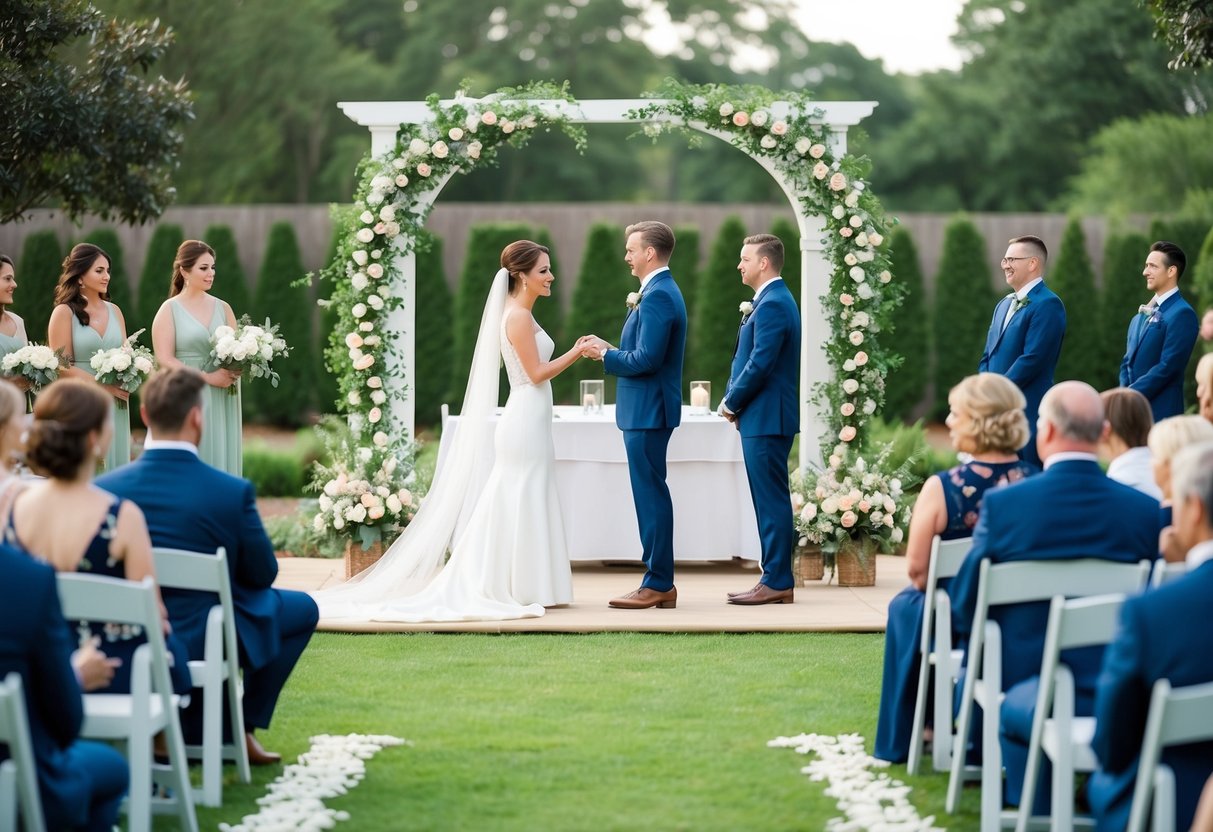
Imagine feeling calm and collected as you approach your wedding day. A rehearsal allows you and your wedding party to familiarize yourselves with the venue and the ceremony steps. It creates an opportunity to address any questions or potential issues, making it easier for everyone involved to focus on celebrating your love.
The Purpose of a Wedding Rehearsal
A wedding rehearsal is not just a formality. It plays a vital role in preparing you and your wedding party for the big day. This practice run helps everyone understand the ceremony flow and eases any pre-wedding anxieties that may arise.
Understanding Ceremony Logistics
During the rehearsal, you’ll walk through the ceremony step by step. This includes the processional, where you and your wedding party enter, and the recessional, when you exit after saying “I do.”
Familiarizing yourself with the ceremony flow helps everyone know where to stand and when to move. You’ll also get to see the ceremony venue set up, ensuring everything is in the right place.
Practice will help identify any potential issues, like tight spaces or tricky transitions. Knowing the logistics ahead of time makes the actual wedding day run smoothly.
Easing Pre-Wedding Anxieties
A rehearsal can significantly reduce stress for everyone involved. It’s common to feel nervous before the wedding, but walking through the steps can ease those feelings.
When you know what to expect, you can focus on enjoying the moment instead of worrying about what comes next. Your officiant and wedding party will also benefit from this practice.
Seeing everything in action removes the fear of surprises on your wedding day. The more familiar everyone is with their roles, the more relaxed you’ll all feel.
Clarifying Roles and Responsibilities
Every person in the wedding party has a specific role. During the rehearsal, you can clarify what each role entails.
For example, you might need to explain how the best man should help with the rings or how the maid of honor should support you before the ceremony.
This clear communication ensures that everyone knows their responsibilities, making the day seamless. It also builds teamwork among your wedding party. A united front will help create the joyful atmosphere you want for your ceremony.
Roles of Participants During the Rehearsal
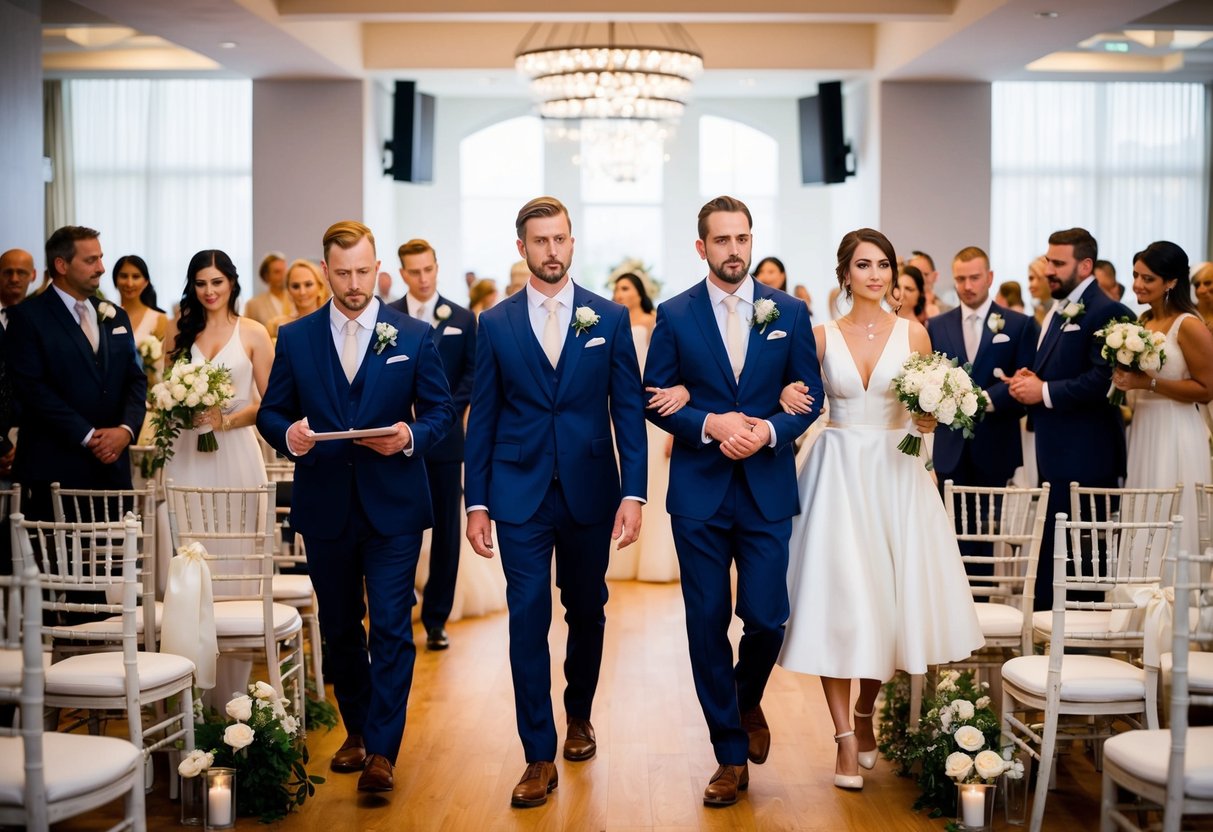
During the wedding rehearsal, each participant has a specific role that contributes to a smooth ceremony. Understanding these roles helps everyone know what to expect on the big day, easing nerves and ensuring coordination.
Key Roles in the Ceremony
The wedding officiant leads the rehearsal. They guide everyone through the ceremony steps, like the processional and the exchange of vows.
Bridesmaids and groomsmen need to practice their positioning and how they stand beside the couple. The maid of honor and best man play important roles in supporting the bride and groom. They should know when to step forward for the ring exchange.
The flower girl and ring bearer add charm to the ceremony. They need guidance on where to walk and how to act during the ceremony. You should make them feel comfortable so they can enjoy the moment.
Grandparents often have special seating arrangements, and it’s good to let them practice walking to their seats if needed. This helps everyone feel included and confident during the ceremony.
Music and Timing Cues
Music is essential to set the tone of your wedding. The DJ or musician should be familiar with the timeline. They need to know when to play the processional music and other songs during the ceremony.
Timing is crucial. Having clear music cues helps participants know when to start moving. For example, the bridal party should begin walking when the song starts. It’s also important for the officiant to communicate when to pause for music changes during key moments.
Practicing these cues ensures everyone knows when to act, creating a seamless flow. This coordination helps all participants feel more at ease, allowing you to enjoy your special day.
Executing a Successful Rehearsal
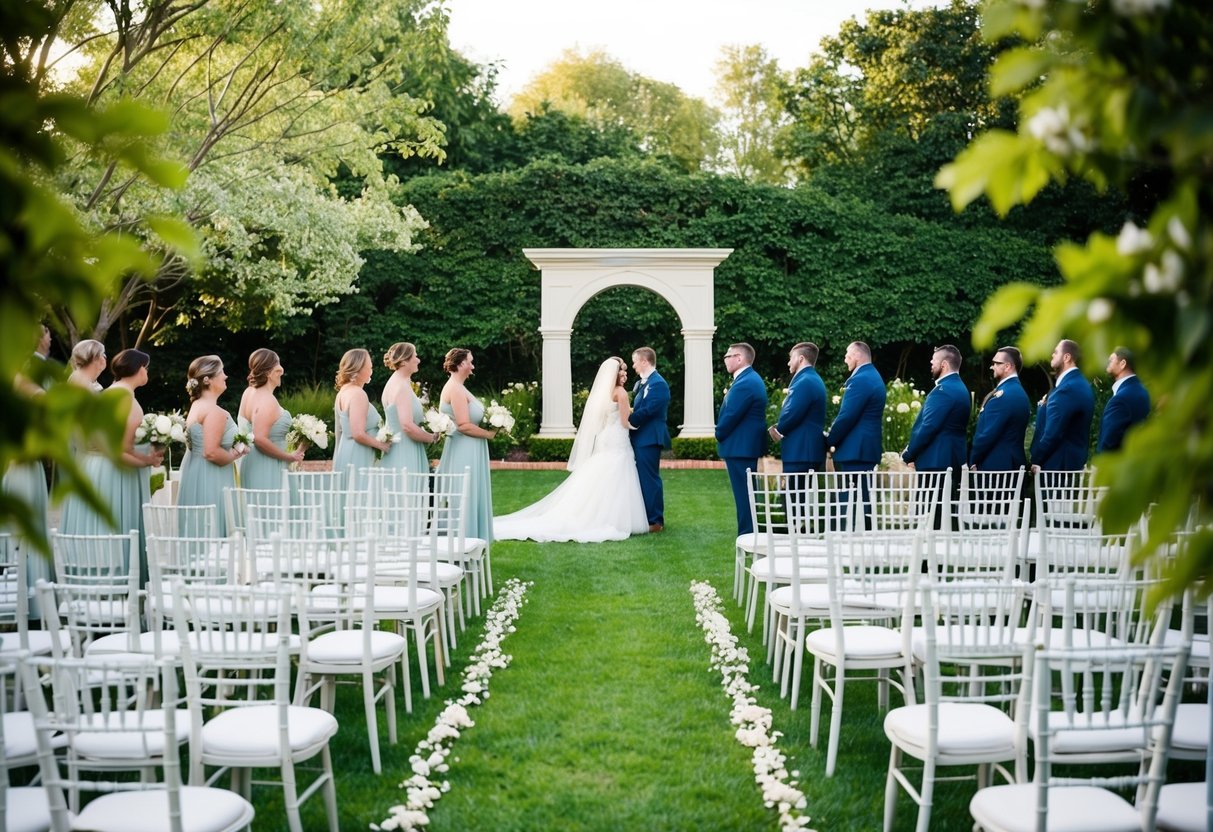
Executing a successful rehearsal is essential for a smooth wedding day. It allows you and your wedding party to practice the flow of the ceremony, ensuring everyone knows their roles and where they need to be.
Working with Your Wedding Coordinator
Your wedding coordinator plays a vital role in making the rehearsal go smoothly. They will outline the timeline of the rehearsal and guide everyone through the ceremony details.
Key Tasks:
-
Set the Schedule: Your coordinator will help you choose a time that works for everyone. Ensure that all key players, including the officiant, wedding party, and family, can attend.
-
Venue Walk-Through: Familiarize yourself with the venue layout. Your coordinator can show you where the ceremony will take place and point out key areas like the entrance and exit.
-
Address Questions: Feel free to ask your coordinator about any concerns you may have. They are there to help you feel confident.
Rehearsing the Procession and Recessional
Practicing the procession and recessional is crucial for timing and flow. This part can help prevent awkward moments during the actual ceremony.
-
Order of Participants: Clearly define who walks when. Decide if the flower girls, ring bearers, and wedding party will enter together or separately.
-
Walking Pace: Practice how fast everyone should walk down the aisle. This helps maintain a steady pace, ensuring onlookers can enjoy the moment.
-
Exit Strategy: Discuss how you will exit after the ceremony. Make sure everyone knows where to go once the vows are exchanged.
By paying attention to these details, you’ll set yourselves up for a beautiful and coordinated wedding ceremony.
Benefits of the Rehearsal Dinner
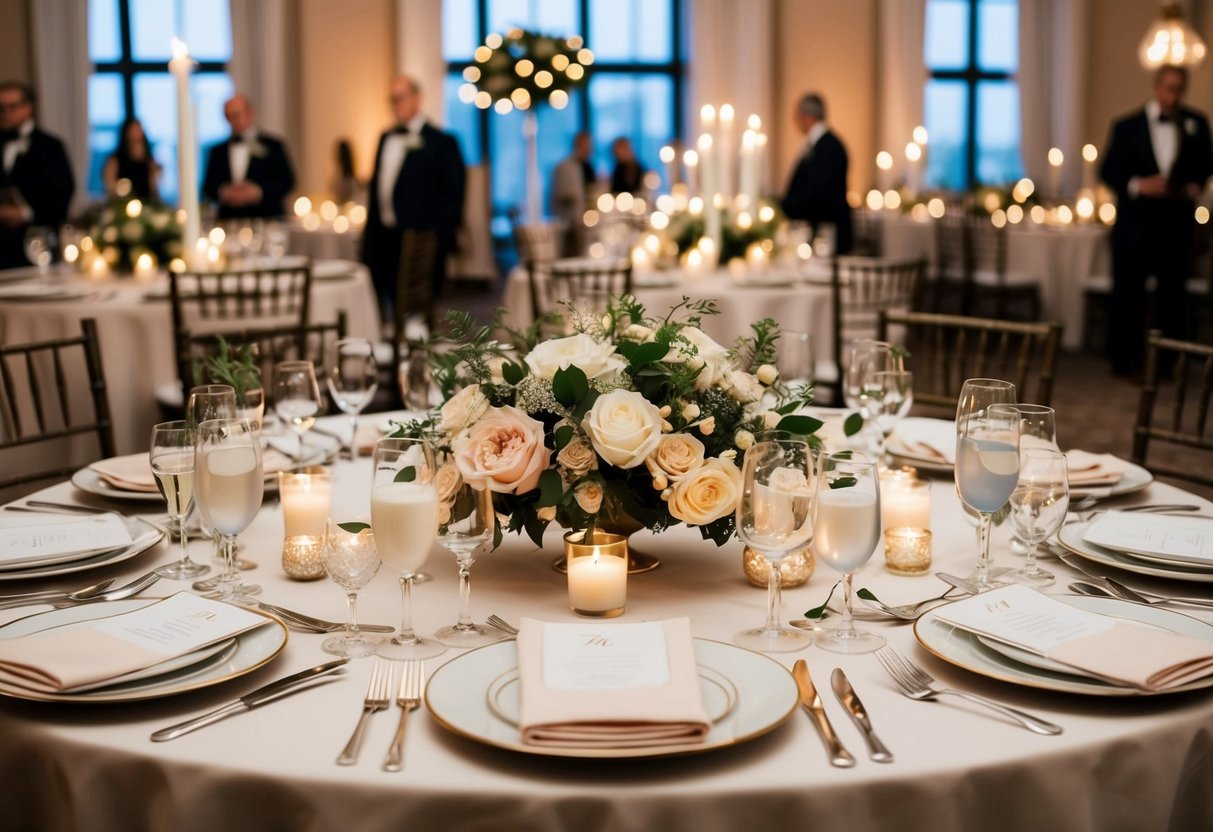
A rehearsal dinner serves key purposes that enhance your wedding experience. It creates a relaxed atmosphere for connecting with loved ones and ensures everyone is prepared for the big day.
Social and Emotional Advantages
Your rehearsal dinner provides a special chance to bond with family and friends before the wedding. This gathering allows you to enjoy a meal and share laughs, easing any pre-wedding nerves.
During this time, you can give gifts to your bridal party, showing appreciation for their support. Celebrating together strengthens emotional ties and reminds everyone of the love surrounding your union.
Additionally, the dinner is an opportunity for both families to meet, creating unity and comfort. These moments can help turn any tension into a joyful experience, making the wedding day even more meaningful.
Final Preparations and Reminders
The rehearsal dinner is also about getting ready for the ceremony. You can use this time to run through the wedding practice. This includes critical steps like the exchange of vows and the exchange of rings.
Sharing important details helps eliminate confusion on the big day. It’s a chance for you, the bride, and the groom to remind everyone of their roles.
Focus on any last-minute items that need attention. This preparation ensures everyone knows what to do, from walking down the aisle to where to stand. Ultimately, a well-prepared group enhances the flow of your wedding ceremony.