
What Are the Disadvantages of Having a Wedding Planner? Understanding the Trade-offs
Hiring a wedding planner can seem like a smart choice, especially when looking to reduce stress during the planning process. Many couples rely on these professionals to handle the details of their big day. Yet, you need to consider some significant disadvantages.

You might find that bringing in a wedding planner means compromising on some of your personal touches. This can be difficult if you have a specific vision for your wedding. While their expertise can be invaluable, it is important to weigh how much influence you want to give to someone else.
Additionally, the expense of hiring a planner can add up quickly. Many professionals charge a premium for their services, which could lead to unexpected financial stress. Exploring these disadvantages can help you decide if a wedding planner is the right choice for your special day.
Assessing the Costs of Hiring a Wedding Planner

Hiring a wedding planner can be a great choice, but it does come with specific costs that can impact your budget. Understanding these costs helps you make an informed decision about whether to hire a professional wedding planner.
Impact on Wedding Budget
When you decide to hire a wedding planner, the fees can significantly affect your overall wedding budget. Typically, the cost of a planner can range from 10% to 20% of your total budget. For example, if your budget is $20,000, you might pay between $2,000 and $4,000 for their services.
It’s essential to factor this expense into your planning from the beginning. You may need to adjust your spending in other areas, like venue or catering, to accommodate the planner’s fee.
If you’re on a tight budget, think about what aspects of planning you might be okay managing yourself. This way, you can focus your budget on the services that matter most to you.
Weighing Professional Fees
Professional wedding planners often offer different pricing structures. Some charge a flat fee, while others may work on an hourly basis. Before hiring someone, ask for a clear breakdown of what’s included in their fee.
Consider additional costs, such as travel expenses, or special services like day-of coordination. These can add up quickly. Make sure to read contracts carefully to avoid surprises.
You can also ask about payment plans or deposits. Understanding the financial commitment upfront helps you stay within your budget while ensuring you receive the services you need for your special day.
Understanding the Dynamics of Control
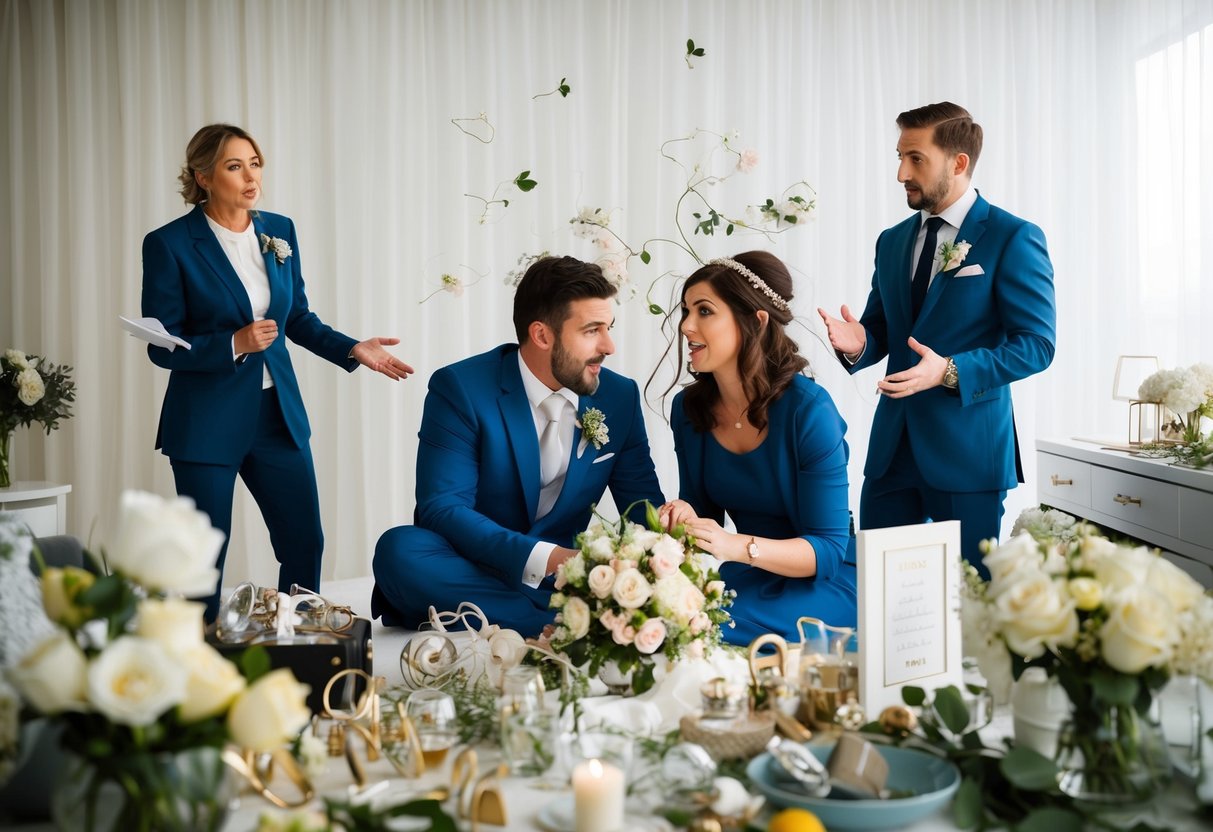
When planning a wedding, it’s essential to consider how a planner can impact your sense of control over the process. Understanding the dynamics of control helps you weigh the benefits and drawbacks of having a wedding planner.
Navigating Decision-Making
Choosing a wedding planner means you’re handing over a significant amount of decision-making. While their expertise offers valuable guidance, it can also lead to a feeling of detachment from your own vision.
You may find that important details, like color schemes or flower choices, are influenced more by the planner than by you. This can create a lack of personal connection to the wedding elements. Staying involved in decisions is crucial, but it takes effort to communicate your wants clearly.
It’s vital to maintain regular check-ins to ensure your wishes are being heard and respected. This can help bridge the gap between professional advice and your personal style.
Personal Touch Limitations
Wedding planners often have their own preferred vendors, styles, and processes. While their networks can be beneficial, they may limit your options and the personal touches you envision.
You might find yourself boxed into a certain aesthetic or logistic approach that doesn’t fully capture your personality or unique flair. This can be frustrating, especially when you have specific ideas in mind.
To maintain your vision, communicate openly about what matters most to you. It’s essential that the planner understands your values and preferences. Finding a balance between their expertise and your personal touch can enrich the planning experience and foster a more authentic celebration.
Coordination and Communication Challenges

Working with a wedding planner can present coordination and communication challenges. These are important factors that can affect your wedding day experience. Understanding these issues can help you prepare better and avoid unnecessary stress.
Working with a Day-of Coordinator
A day-of coordinator can be a great help, but communication is key. You need to make sure you provide clear details about your vision and expectations. Otherwise, it might lead to misunderstandings on the big day.
It’s essential to specify which vendors you have hired and their roles. If everyone is not on the same page, it could create confusion. A lack of communication may cause delays or mismanagement of time, affecting the overall flow of your event.
Establishing a Wedding Day Timeline
Creating a wedding day timeline is crucial for keeping everything on track. If this timeline is not well coordinated with your planner and vendors, it can lead to chaos. You should be involved in this process to ensure all aspects are covered.
Make sure to outline when each part of the event should occur, from the ceremony to the reception. Share this timeline with your day-of coordinator and all vendors. If they don’t have clear instructions, it could result in overlapping activities or missed moments. Communication and detailed planning are your best tools for a smooth wedding day.
Logistical Considerations in Planning

When planning a wedding, several logistical details need attention. Your guest count and selection of a venue play significant roles. Additionally, if you’re considering a destination wedding, specific details require extra care and organization.
Managing Guest Count and Venue
Managing your guest count is crucial. You should create a detailed checklist to keep track of who is invited. Start with your immediate family and close friends, and then expand to others as needed.
Once you have your guest list, you can choose a wedding venue that fits your needs. The venue should comfortably accommodate everyone. Keep in mind that many venues have a maximum capacity, so let your planner know how many guests you expect.
Consider the layout of the venue too. You might want areas for dining, dancing, and socializing. This helps create a smooth flow for your celebration.
Handling Destination Wedding Details
Planning a destination wedding involves extra logistics. First, think about accommodations for your guests. Many couples book blocks of rooms at nearby hotels. This way, you ensure everyone has a place to stay.
Transportation is another key detail. You should organize shuttles or provide information on local transport options. This helps your guests move between hotels and the wedding venue easily.
You should also consider local regulations and customs. Every location has its own rules for events, so research these ahead of time. You want everything to go smoothly on your special day.