
What Are the Objectives of a Wedding Planner? Key Goals for a Perfect Celebration
Planning a wedding can feel overwhelming with so many details to manage. That’s where a wedding planner comes in. Wedding planners help you create a memorable day while managing your budget and timeline effectively. They coordinate everything from venue selection to vendor management, ensuring that every aspect runs smoothly.
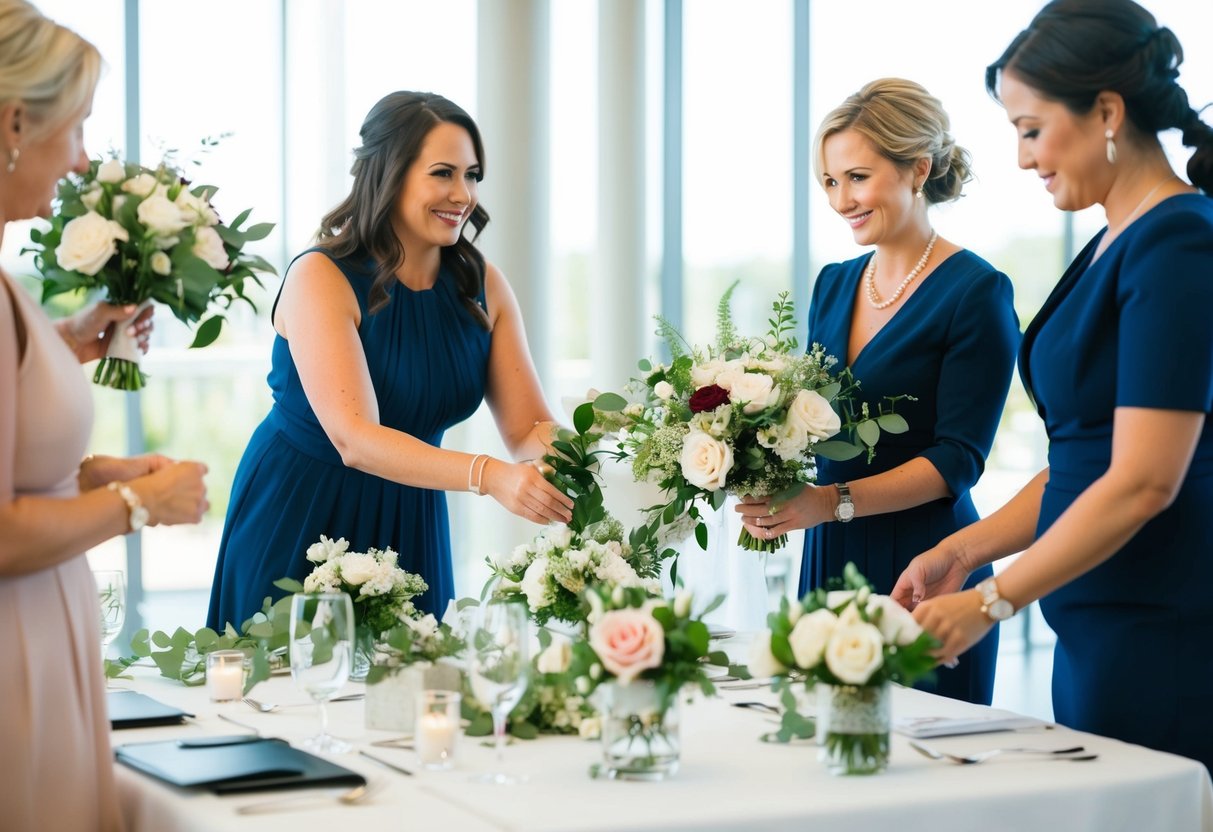
A wedding planner also acts as your personal advisor, guiding you through the complexities of wedding planning. They know the latest trends in the industry and can provide valuable insight to make informed decisions. With their expertise, you can focus on enjoying your engagement rather than stressing over the details.
In short, a wedding planner’s goals align with yours: to make your wedding day perfect and unforgettable. By understanding their objectives, you can better appreciate the value they bring to the wedding planning process.
Understanding the Role of a Wedding Planner
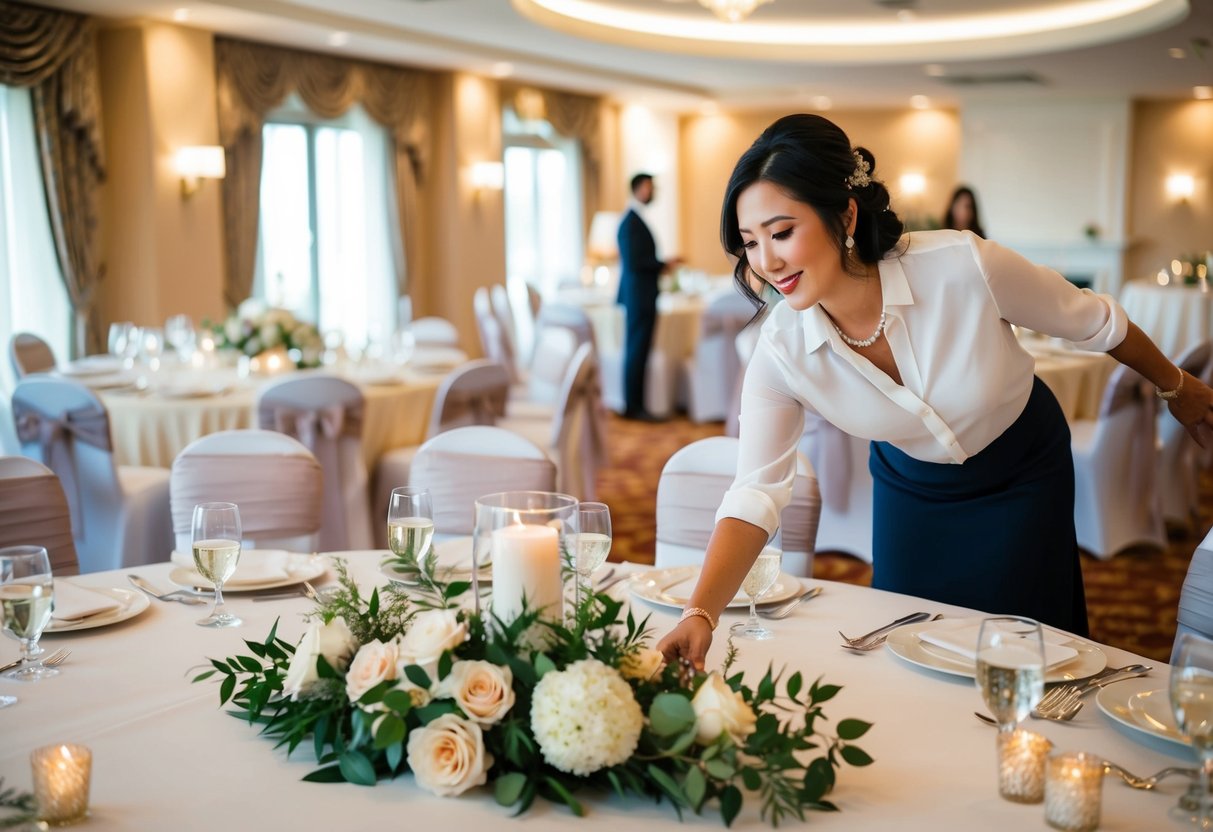
A wedding planner plays a vital role in making your special day successful. They work with you to achieve your event goals and manage various responsibilities to ensure everything runs smoothly.
Event Goals and Setting Goals
Setting clear goals is essential for a successful wedding. As a couple, you should start by discussing your vision, style, and budget. This will help shape the planning process.
Consider what you want your wedding to feel like. Is it formal, casual, or something in between? Knowing your event goals can help streamline decisions on venues and vendors.
A wedding planner can assist with creating specific, measurable goals. They can help ensure you stay on track and adjust plans if needed.
Responsibilities of a Wedding Planner
A wedding planner takes on many responsibilities to ease your planning load. They start with budget management, helping you create a realistic financial plan.
Next, they coordinate with vendors, like florists, caterers, and photographers. They will also manage timelines, ensuring that every detail is scheduled appropriately.
Additionally, your planner can provide creative input. This includes themes, décor ideas, and unique touches that reflect your personality as a couple. Their expertise can make your wedding memorable.
Day-of Coordination Duties
On your wedding day, a planner’s presence is invaluable. They will manage the timeline, ensuring everything happens as planned.
Your planner will also handle unexpected issues that may arise. Whether it’s a late vendor or weather concerns, they are trained to solve problems quickly.
Throughout the day, they serve as a point of contact. This means your guests and vendors know who to turn to for questions or concerns.
Having a dedicated planner allows you to enjoy your special day without stress. They ensure that everything is seamless and exactly how you envisioned.
Pre-Wedding Planning Process
Planning your wedding is an exciting journey. It involves creating your vision, managing your budget, and selecting the right vendors and venue. Each part is crucial in bringing your dream day to life.
Creating a Wedding Vision
Start by defining your wedding vision. Think about the theme, colors, and style you want. This is your chance to express yourselves as a couple.
Make a mood board to gather inspiration. Use images from magazines or Pinterest to help visualize your ideas. Share this vision with your planner, as they can help translate your ideas into reality.
Discuss what elements are most important to you. This could include the ceremony, reception, or specific traditions you want to incorporate.
Budget Management
Next, manage your budget wisely. Before diving into expenses, set a clear overall budget. Consider all costs, including venue, catering, attire, and decor.
Create a detailed list of items you will need. You can categorize them as “must-haves” and “nice-to-haves.” This helps prioritize your spending.
Many couples find it useful to use budgeting tools or apps. These can track expenses and keep you accountable. Stick to your budget to avoid stress later.
Vendor Selection and Coordination
Choosing the right vendors is key to making your vision come true. This includes caterers, photographers, florists, and more. Research and compile a list of potential vendors that fit your style and budget.
Contact several options to check availability and pricing. Ask for references and review their portfolios to ensure they align with your wedding vision.
Once you choose vendors, establishing a clear communication line is important. Coordinating schedules and confirming details with them will help everything run smoothly.
Venue Selection
Finding the perfect venue can set the tone for your wedding. Start by listing venues that match your style and budget. Consider factors like location, size, and amenities.
Visit each venue to get a feel for the space. Pay attention to the layout and any decor that fits your vision. Ask about restrictions, such as time limits or vendor requirements.
Don’t forget to think about logistics, such as parking and accessibility. A well-chosen venue makes everything easier for you and your guests.
Design Elements and Wedding Invitations
The design elements tie everything together. This includes your color scheme, floral arrangements, and table settings. Think about how these details reflect your vision and personality.
Once you have your design in mind, it’s time to create wedding invitations. These set the tone for your celebration. Choose designs that complement your theme and share essential information.
Be sure to include RSVP details and any special instructions for guests. Sending them out early allows your loved ones to save the date, making for a smoother planning experience.
Execution on the Wedding Day
On the wedding day, your planner is essential for a smooth and joyful event. They ensure everything runs according to plan, coordinating various elements from the timeline to guest management.
Timeline Creation
Creating a detailed timeline is one of the most important tasks a wedding planner does. This schedule outlines each event, including the ceremony, reception, and key moments like speeches and dances.
The planner works closely with the wedding couple to customize this timeline. They also share it with vendors to ensure everyone is on the same page. This preparation helps avoid last-minute surprises and keeps your day flowing smoothly.
If any delays occur, the planner can quickly adjust the timeline, ensuring that all activities happen as intended. This organized approach helps create a relaxed atmosphere for you and your guests.
Ceremony and Reception Coordination
On the wedding day, the planner coordinates all aspects of the ceremony and reception. They ensure that everything is set up correctly, from decorations to seating arrangements.
When it’s time for the ceremony, the planner directs the processional. They guide the wedding party and signal when to start each segment. At the reception, they manage the transitions between events, like toasts and dances.
By being the central point of contact, the planner helps vendors know when to arrive and what to do. This coordination allows you to enjoy your day without worrying about the details.
Guest Management
Managing guests is crucial for a successful wedding day. Your planner handles the guest list and ensures that everyone knows where to go.
They greet guests as they arrive and can direct them to seating at the ceremony or reception. If any issues arise, such as last-minute guests or seating conflicts, the planner is ready to address them.
Keeping the flow of the event smooth is key. The planner also ensures guests understand the schedule of events, allowing everyone to enjoy the celebration fully. You can focus on making memories while your planner takes care of the logistics.
Specialized Wedding Planning Services
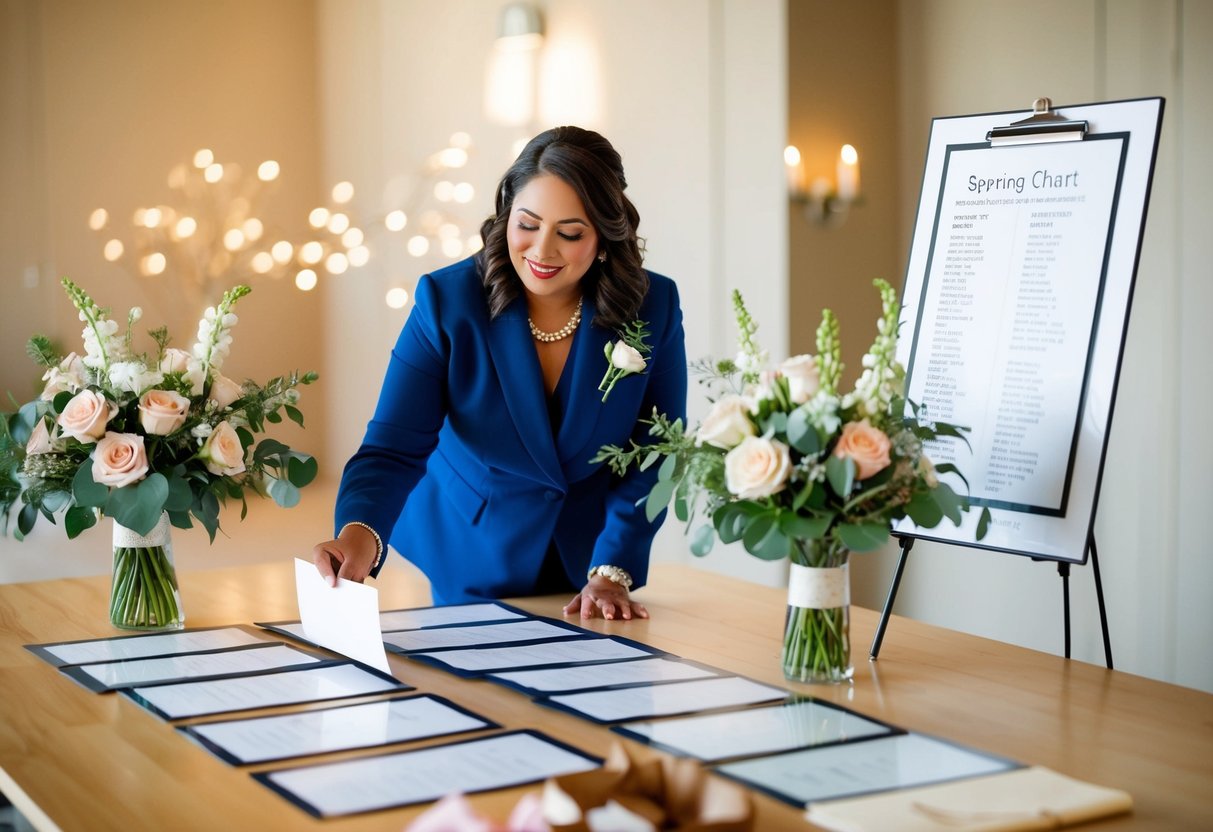
Wedding planners offer specialized services to help make your big day unique and memorable. These services can take the form of destination wedding planning or creating a custom wedding website. Each option has its advantages and can make the planning process smoother for you.
Destination Wedding Planning
If you’re dreaming of a wedding in a beautiful location away from home, destination wedding planning is essential. A full-service wedding planner will help you select the perfect venue, whether it’s a sandy beach, a charming vineyard, or a historic castle.
They will assist with travel arrangements for you and your guests. This includes booking accommodations and coordinating transportation. A planner has local contacts that can provide valuable insights, from vendors to legal requirements for your ceremony.
With their expertise, you can focus on enjoying the planning process without the stress of logistics. Destination weddings can be magical, and with the right help, it can be a seamless experience for you and your loved ones.
Creating a Wedding Website
A wedding website is a modern way to share your journey with family and friends. It’s a central hub where you can provide important information about your wedding. Think of it as your event’s online invitation.
Your wedding planner can assist in setting up the site, making it user-friendly and visually appealing. Include details such as the date, location, and schedule of events. This helps keep guests informed and excited.
You can also share your love story, photos, and registry information on the site. Some websites even offer RSVP options, making it easier for you to track guest responses. A personalized wedding website is a great tool to keep everyone connected and informed throughout the planning process.