
What Are the Opening Words for the Vows? Tips for Crafting Memorable Marriage Promises
When you plan your wedding day, the vows you exchange are incredibly special. They represent your love and commitment to each other. The opening words of the vows often set the tone for the entire ceremony. They can be as simple as “I take you, [partner’s name], to be my lawfully wedded [husband/wife].”

Choosing the right opening words can help you express the depth of your feelings. You might opt for traditional phrases, or you may want to create something unique that reflects your relationship. Either way, this part of your vows is a chance to share your heart with your partner and loved ones.
As you navigate the exciting journey of wedding planning, take some time to think about how you want to begin your vows. The right opening can not only enhance the moment but also make your wedding day even more memorable.
The Role of the Officiant
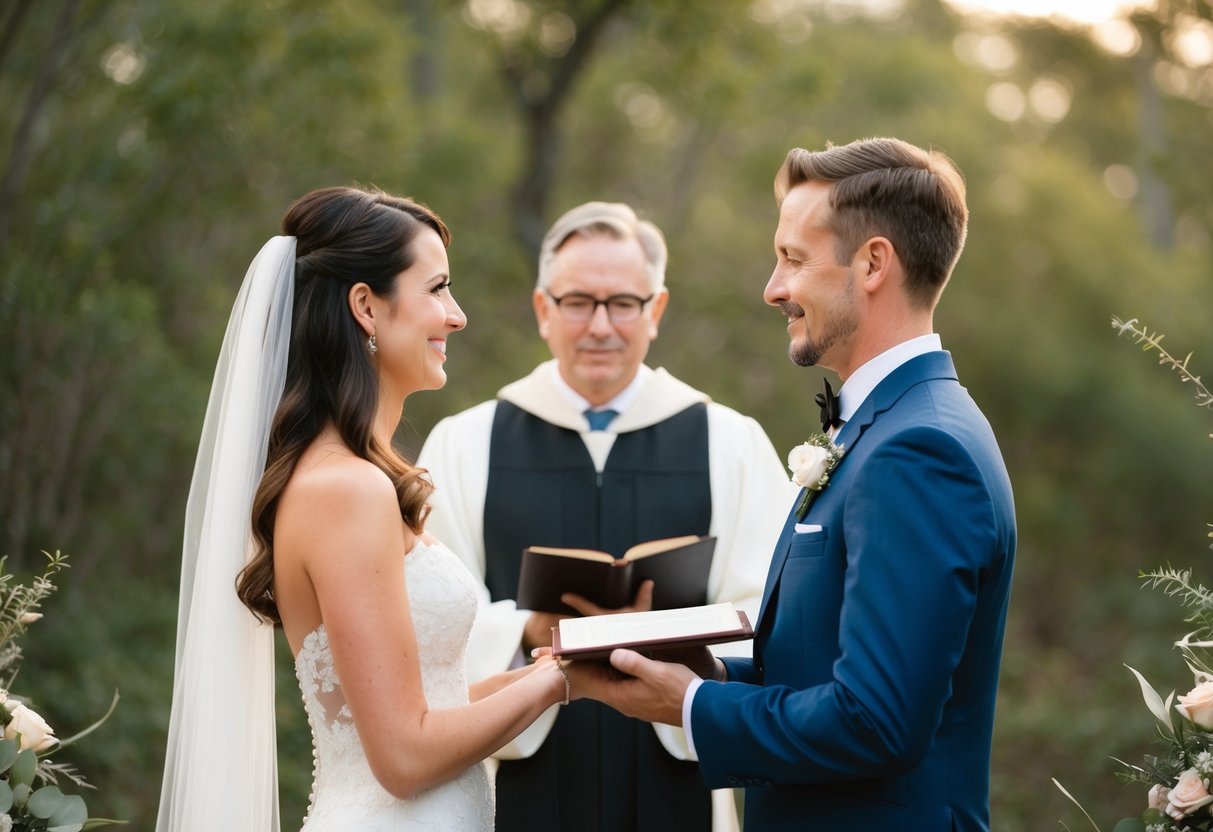
The officiant plays a key role in your wedding ceremony. They guide the event, help set the tone, and ensure that everything runs smoothly. Choosing the right officiant and their opening remarks are crucial for creating a memorable experience.
Choosing the Right Officiant
Selecting a wedding officiant is an important decision. You want someone who matches your style and understands your vision.
Consider these factors when choosing:
- Experience: Look for a professional officiant with experience in performing weddings.
- Personality: Choose someone whose personality fits yours. This helps make the ceremony feel personal and warm.
- Style: Decide if you prefer a traditional, modern, or personalized approach. A good officiant will tailor the ceremony to reflect your relationship.
Meeting potential officiants in person is a great way to see if you connect. This will help ensure that they can deliver the ceremony you envision.
Officiant’s Opening Remarks
The officiant’s opening words set the stage for your vows. They welcome guests and create a comfortable atmosphere.
Key elements of the opening remarks include:
- Welcome: A warm greeting to all guests helps everyone feel included.
- Introduction: A brief introduction about the couple can share special details and stories, adding a personal touch.
- Significance: The officiant often discusses the importance of love and commitment. This helps frame the vows and highlights their meaning.
Using an officiant script can help ensure your officiant covers all important points while maintaining a flow. A well-prepared officiant can make your ceremony meaningful and special.
Crafting the Perfect Ceremony Script
Creating a memorable ceremony script helps set the tone for your special day. A well-crafted script can include heartfelt words, personal touches, and involve all your guests in the love you share.
Sample Scripts for Inspiration
Looking for ideas? Here are a few sample scripts that you can use as inspiration.
-
Welcome Statement:
“Dear friends and family, we gather here today to witness the union of [Partner A] and [Partner B]. Thank you for being part of this joyful occasion.” -
Vow Exchange:
“Do you, [Partner A], take [Partner B] to be your lawfully wedded partner? To love, cherish, and stand by them in all circumstances?” -
Closing Words:
“With the power vested in me, I now pronounce you married! You may kiss to seal your vows.”
Feel free to mix and match or alter these lines to fit your style.
Tips for Writing a Custom Script
When writing your custom wedding ceremony script, keep these tips in mind:
-
Make It Personal: Your script should reflect your relationship. Use stories or quotes that are meaningful to you as a couple.
-
Keep It Structured: Follow a clear format. Begin with a welcome, then the vows, and finish with a pronouncement. This will ensure a smooth flow.
-
Involve Your Guests: Encourage participation. You might include readings from friends or involve family in special rituals.
-
Practice Out Loud: Read your script several times before the big day. This helps catch any awkward phrasing and ensures it feels natural.
A custom script should feel right for you, whether you’re going for a modern wedding ceremony script or a more traditional approach.
Elements of the Wedding Ceremony
A wedding ceremony contains several key components that make the event special and memorable. Each element plays a significant role in expressing the couple’s commitment and love for each other. Understanding these parts can help you plan a meaningful ceremony.
Processional and Recessional
The processional marks the moment when you and your wedding party enter the ceremony site. It sets the tone for the day, and you can choose music that reflects your style. Traditionally, the bride walks down the aisle last, often with a parent or significant person.
The recessional happens after you’ve exchanged vows and rings. This is when you both walk back down the aisle as a married couple. It’s often a joyful moment, celebrated with upbeat music. This combination of processional and recessional creates a beautiful flow in your wedding ceremony.
Declaration of Intent
The declaration of intent is a vital step in your wedding ceremony. During this moment, the officiant asks you both if you come willingly to enter into this marriage. This is an important legal requirement and affirms your consent to marry.
Typically, you will answer with “I do” or “We do.” It shows that you understand what marriage means and that you are ready to commit to one another. This declaration creates a solid foundation for the vows that you will exchange later in the ceremony.
Exchange of Vows and Rings
The exchange of vows and rings is the heart of the ceremony. Here, you express your love and promises to each other. Vows can be traditional or personalized, allowing you to share your unique feelings.
Following the vows, the ring exchange symbolizes your commitment. The rings serve as physical reminders of your promise to one another. You can include special lines during the ring exchange, highlighting their significance in your relationship. This moment connects your hearts and marks the essence of your union.
Special Ceremonial Practices
Many couples choose to include special ceremonial practices to make their wedding unique. Popular options are unity ceremonies, where you may light a candle together, or participate in a handfasting ceremony.
Handfasting involves tying your hands together with a ribbon or cord to symbolize your union. These practices can add personal meaning and honor your cultural background. Including special elements can create a memorable and personalized experience for you and your guests.
Finalizing the Union
This part of the ceremony is where the couple officially becomes married. It highlights the love and commitment the partners share. The key moments include the pronouncement and the celebratory kiss, marking the end of the marriage vows.
The Pronouncement
The officiant plays a crucial role in this moment. They formally declare the couple as married. This usually includes phrases like, “By the power vested in me, I now pronounce you husband and wife.”
The pronouncement is often accompanied by cheers from the guests. This adds to the joyous atmosphere. It’s a moment that symbolizes the couple’s commitment to one another.
Make sure to listen closely, as this is the moment where your relationship is officially recognized in a new light. Embrace the happiness surrounding you.
The Kiss and Recessional
Following the pronouncement, you and your partner will share your first kiss as a married couple. This brief moment holds significant meaning, symbolizing your love and commitment. It’s one of the most photographed moments, so don’t hold back!
After the kiss, you’ll both walk down the aisle together in the recessional. This marks the transition from the ceremony to the celebration.
Guests typically applaud and cheer as you exit.
The recessional is your first act as a married couple, making it special and memorable. Enjoy this time as it sets the tone for the festivities that will follow.